What are the functions of the tag?
The Vital Role of Clothing Tags: More Than Just a Label
When shopping for clothing, have you ever paused to consider the significance of the small tag attached to your garment? While many of us glance at it briefly to check the price, the clothing tag serves far more critical purposes than meets the eye. Acting as the "ID card" of a garment, it not only provides essential information but also plays a pivotal role in consumer trust, brand identity, and product integrity. Let’s delve into the multifaceted functions of clothing tags and why they are indispensable in the world of fashion.
1. Guiding Role: A Beacon of Information
Clothing tags act as a compass for consumers, offering a wealth of essential details to guide purchasing and care decisions. Typically printed with information such as product type, specifications, fabric composition, washing instructions, and precautions, these tags empower buyers to make informed choices. For instance, fabric composition details help consumers avoid materials they may be allergic to or select garments suitable for specific occasions. Washing instructions ensure that 衣物 are cared for properly, extending their lifespan and maintaining their quality. Without this guidance, consumers would be left guessing about how to handle their purchases, risking damage to the clothing or discomfort from ill-suited materials.
Clothing tags act as a compass for consumers, offering a wealth of essential details to guide purchasing and care decisions. Typically printed with information such as product type, specifications, fabric composition, washing instructions, and precautions, these tags empower buyers to make informed choices. For instance, fabric composition details help consumers avoid materials they may be allergic to or select garments suitable for specific occasions. Washing instructions ensure that 衣物 are cared for properly, extending their lifespan and maintaining their quality. Without this guidance, consumers would be left guessing about how to handle their purchases, risking damage to the clothing or discomfort from ill-suited materials.
2. Price Function: Transparency and Psychological Appeal
The price displayed on a clothing tag is perhaps the most immediately noticeable feature. It serves as a crucial reference point for consumers, allowing them to evaluate whether a garment aligns with their budget. Retailers strategically use price tags to influence purchasing behavior—marking prices higher to create the illusion of discounts during sales, thereby enticing customers with perceived savings. This practice not only simplifies the shopping process but also leverages psychological pricing strategies to drive sales. Moreover, clear pricing fosters transparency, building trust between brands and consumers by ensuring no hidden costs or surprises at the checkout counter.
The price displayed on a clothing tag is perhaps the most immediately noticeable feature. It serves as a crucial reference point for consumers, allowing them to evaluate whether a garment aligns with their budget. Retailers strategically use price tags to influence purchasing behavior—marking prices higher to create the illusion of discounts during sales, thereby enticing customers with perceived savings. This practice not only simplifies the shopping process but also leverages psychological pricing strategies to drive sales. Moreover, clear pricing fosters transparency, building trust between brands and consumers by ensuring no hidden costs or surprises at the checkout counter.
3. Anti-Counterfeiting Effect: Guardians of Authenticity
In an era of rampant counterfeit goods, clothing tags have evolved into powerful tools for anti-counterfeiting. Many brands incorporate advanced technologies such as holographic 防伪 labels, barcodes, or QR codes into their tags. These features enable consumers to verify the authenticity of a product by scanning or visually inspecting the tag, protecting them from fraudulent purchases. For businesses, anti-counterfeiting tags safeguard brand reputation and revenue by deterring counterfeiters and ensuring that consumers receive genuine, high-quality products. This dual benefit strengthens consumer loyalty and reinforces the value of the brand.
In an era of rampant counterfeit goods, clothing tags have evolved into powerful tools for anti-counterfeiting. Many brands incorporate advanced technologies such as holographic 防伪 labels, barcodes, or QR codes into their tags. These features enable consumers to verify the authenticity of a product by scanning or visually inspecting the tag, protecting them from fraudulent purchases. For businesses, anti-counterfeiting tags safeguard brand reputation and revenue by deterring counterfeiters and ensuring that consumers receive genuine, high-quality products. This dual benefit strengthens consumer loyalty and reinforces the value of the brand.
4. Advertising Role: A Miniature Brand Ambassador
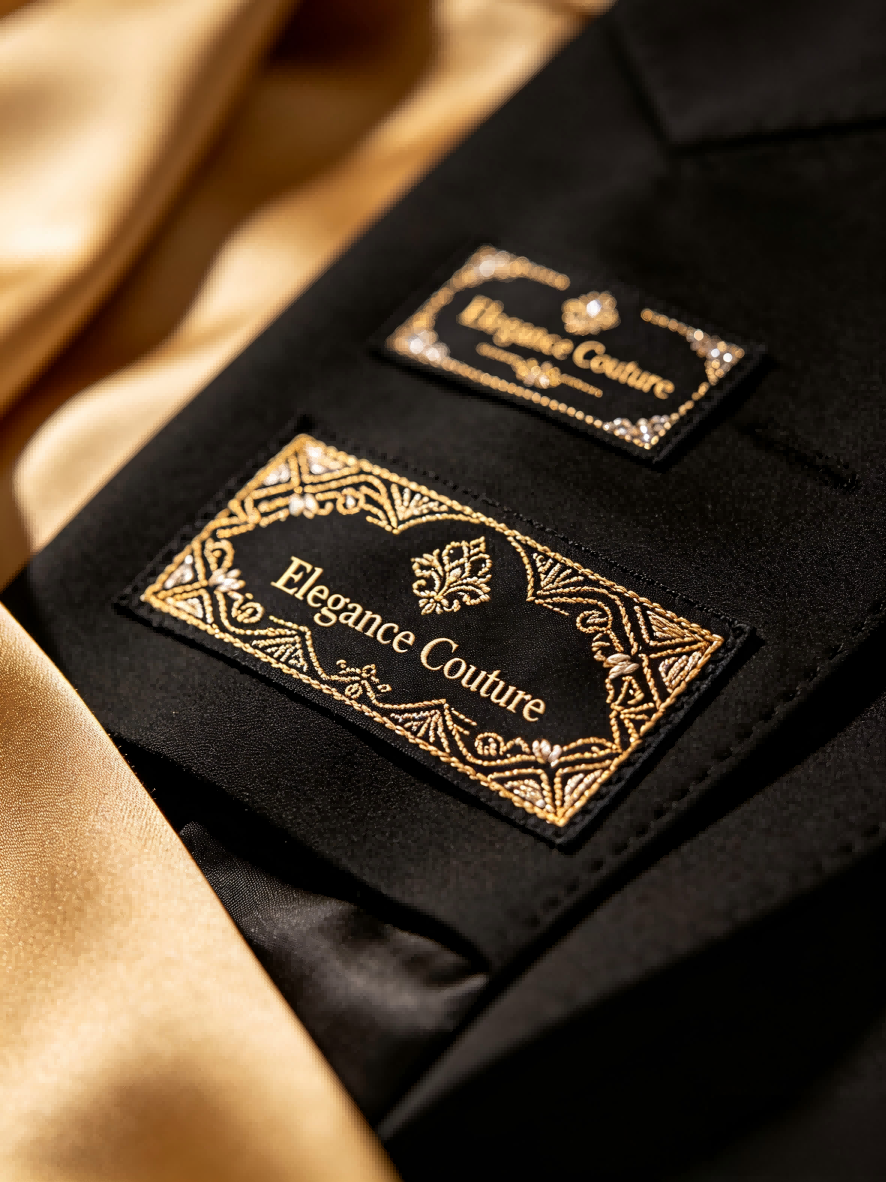
Clothing tags are subtle yet effective advertising tools, silently promoting a brand’s identity every time a garment is viewed. Most tags prominently display the brand LOGO, company name, and contact information, creating instant brand recognition. Some brands go further, printing images of endorsement stars, clothing models, or lifestyle scenes on the tag, transforming it into a miniature billboard. These visual elements not only enhance the tag’s aesthetic appeal but also reinforce the brand’s image and values in the minds of consumers. Every time a customer interacts with the tag, they are exposed to the brand’s messaging, making tags a cost-effective and far-reaching marketing tool.
Clothing tags are subtle yet effective advertising tools, silently promoting a brand’s identity every time a garment is viewed. Most tags prominently display the brand LOGO, company name, and contact information, creating instant brand recognition. Some brands go further, printing images of endorsement stars, clothing models, or lifestyle scenes on the tag, transforming it into a miniature billboard. These visual elements not only enhance the tag’s aesthetic appeal but also reinforce the brand’s image and values in the minds of consumers. Every time a customer interacts with the tag, they are exposed to the brand’s messaging, making tags a cost-effective and far-reaching marketing tool.
Conclusion: The Unsung Hero of Fashion
Beyond their humble appearance, clothing tags are indispensable components of the modern garment industry. They act as informative guides, price indicators, authenticity guarantors, and brand promoters—all while residing on the sleeve or hem of a piece of clothing. For consumers, tags offer reassurance, transparency, and guidance, while for brands, they are a canvas for storytelling and a shield against counterfeiters. As the "ID card" of clothing, tags bridge the gap between manufacturers and consumers, ensuring trust, quality, and a seamless shopping experience. So the next time you reach for a garment, take a moment to appreciate the humble tag—it’s far more than just a label; it’s the unsung hero of fashion.
Beyond their humble appearance, clothing tags are indispensable components of the modern garment industry. They act as informative guides, price indicators, authenticity guarantors, and brand promoters—all while residing on the sleeve or hem of a piece of clothing. For consumers, tags offer reassurance, transparency, and guidance, while for brands, they are a canvas for storytelling and a shield against counterfeiters. As the "ID card" of clothing, tags bridge the gap between manufacturers and consumers, ensuring trust, quality, and a seamless shopping experience. So the next time you reach for a garment, take a moment to appreciate the humble tag—it’s far more than just a label; it’s the unsung hero of fashion.
Release time: 2024-11-19
The difference between woven labels and print labels
Clothing accessories lead the fashion industry trend development
Related blog