Cultural Hang Tag Trends: Regional Design Variations Analyzed
As fashion becomes more globalized, clothing hang tags have evolved from simple product identifiers to vital representations of cultural identity. In a world where local relevance matters more than ever, clothing tags reflect unique regional aesthetics while keeping a global appeal. From Japan’s minimalist origami tags to Africa’s storytelling symbols, clothing hang tags are more than just labels—they are cultural messengers. This article explores how hang tags preserve cultural nuances in fashion while maintaining their universal appeal.
1. East Asian Precision: Minimalism Meets Craft
Japanese and Korean clothing hang tags epitomize the philosophy of “less is more.” These tags combine precision and tradition, drawing from minimalist designs to create functional yet beautiful labels.
Design Features:
-
Origami Engineering: Laser-creased tags unfolding into care instructions (Uniqlo’s 2024 Wash Series).
-
Hanji Paper: Traditional mulberry paper tags with 200+ year archival durability.
-
Invisible QR Codes: Micro-printed scannable codes blending into monochrome designs.
Stat: 73% of Japanese consumers consider intricate clothing tags as important as garment quality (Nikkei Survey).

2. Middle Eastern Opulence: Geometry & Gold
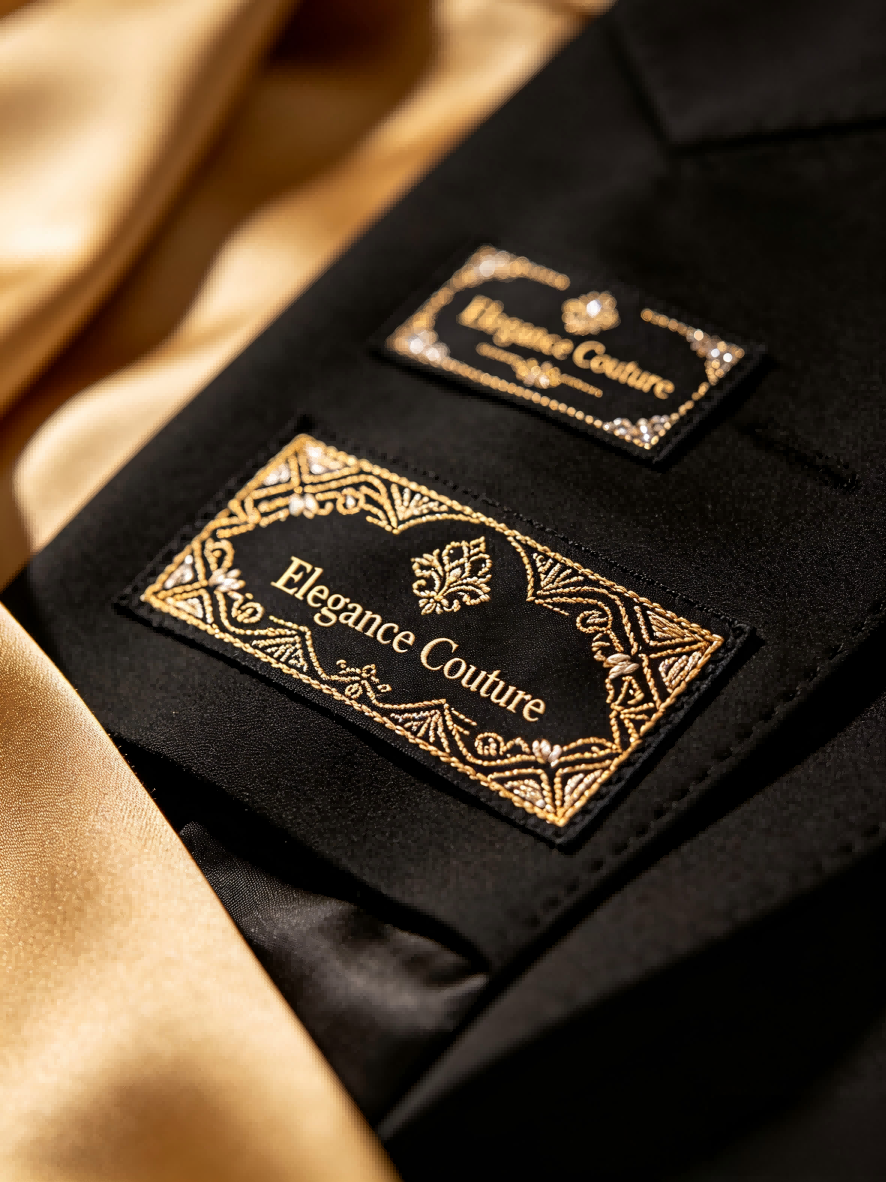
In the GCC (Gulf Cooperation Council) region, clothing hang tags have become luxury status symbols. These tags are often adorned with geometric designs and luxurious materials to evoke opulence.
Design Features:
-
Arabic Calligraphy: 24K gold foil scripts quoting regional poetry (Saudi Design House’s tags).
-
Mashrabiya Patterns: Laser-cut latticework mimicking traditional window screens.
-
Scented Tags: Bakhoor incense-infused tags triggering olfactory nostalgia.
Case Study: Chanel’s Dubai-exclusive clothing tags with henna-inspired motifs increased Middle Eastern sales by 39%.
3. Nordic Sustainability: Function Over Form
Scandinavian clothing hang tags combine eco-conscious design with functionality. These tags emphasize sustainability and environmental responsibility without sacrificing aesthetic appeal.
Design Features:
-
Barcode Integration: Single tags merging care labels, price tags, and recycling info.
-
Algae-Based Inks: CO2-negative printing for carbon-neutral hang tags (H&M’s Circulose line).
-
FSC-Certified Shapes: Pine tree silhouettes cut from responsibly sourced paper.
Pro Tip: Nordic consumers prefer tags sized ≤4x6cm—22% smaller than global averages.

4. Latin American Vibrancy: Color as Culture
In Latin American countries like Mexico and Brazil, clothing hang tags burst with vibrant colors and cultural heritage. These designs capture the lively spirit and deep-rooted traditions of the region.
Design Features:
-
Alebrije Patterns: Oaxacan folk art creatures screen-printed in 10+ colors.
-
Upcycled Materials: Tags woven from pre-Columbian textile remnants (Carla Fernández’s designs).
-
Augmented Fiesta: Scan tags to activate Day of the Dead AR animations.
Stat: 68% of LATAM shoppers pay premiums for culturally resonant hang tags (Americas Market Intelligence).
5. African Symbolism: Storytelling Through Tags
In West Africa, clothing hang tags are infused with ancestral symbols and storytelling. These tags are designed to educate consumers about the cultural heritage behind each garment.
Design Features:
-
Adinkra Stamps: Symbols like Gye Nyame (except God) hot-stamped onto tags.
-
Kente Stripes: Tags mimicking handwoven textile patterns via lenticular printing.
-
Oral History NFCs: Tap tags to hear creation stories in local dialects (Studio 189’s initiative).
6. Avoiding Cultural Appropriation
While embracing regional designs, brands must ensure they respect cultural boundaries. Ethical adaptation is crucial to avoid cultural appropriation.
Design Approaches:
-
Co-Creation Models: Nike’s Naarm collaboration with Aboriginal artists for Australia-exclusive tags.
-
Geographical Indications: EU-protected patterns like Scottish tartans on clothing tags.
-
Transparency Tags: QR codes detailing cultural inspiration sources (Levi’s “Origins” program).
7. Tech-Enabled Localization
The future of clothing hang tags includes technology-driven innovations that enable further cultural personalization.
Innovations:
-
AI-Generated Motifs: Tools like Midjourney creating region-specific designs in seconds.
-
Haptic Feedback: Tags vibrating to traditional music rhythms when touched (Sony’s prototype).
-
Blockchain Verification: Immutable records of cultural authenticity (LVMH’s AURA platform).
Conclusion: Tags as Cultural Compasses
As globalization continues to homogenize the fashion industry, clothing hang tags preserve regional identities through thoughtful, culturally relevant designs. From the gold-leafed opulence of Dubai to the eco-minimalism of Stockholm, these clothing tags demonstrate that localization is not about shrinking markets; it’s about expanding respect and cultural appreciation. As UNESCO’s #SharedHeritage initiative reminds us: “Culture is the fabric that connects us all.” Let your hang tags weave that connection.
Clothing Hang Tags for Fashion Startups: Balancing Cost and Branding
Self-Destructing Hang Tags: Time-Sensitive Security for Limited Editions