Modern Label Innovations: Precision and Design in Heat Cut, Polyester, and Embossed Fabric Labels
In garment manufacturing, the label has evolved beyond identification—it has become an essential part of brand communication, design integrity, and comfort. Today’s apparel professionals rely on advanced labeling methods such as Heat Cut Garment Labels, Polyester Brand Labels, and Embossed Fabric Labels to meet diverse production demands. Each type provides unique advantages that blend efficiency, durability, and style, helping brands enhance both functionality and aesthetics.
1. Heat Cut Garment Labels: Smooth Edges for Modern Comfort
Keyword: Heat Cut Garment Labels
Heat cutting technology has reshaped how modern labels are finished. Using precision-heated blades or lasers, Heat Cut Garment Labels are crafted with sealed edges that prevent fraying and deliver a clean, irritation-free surface. The result is a sleek, comfortable label that feels seamless against the skin.
Technical Insight:
The process involves cutting synthetic or blended fabric labels at high temperatures, allowing the fibers to melt slightly along the edges. This not only strengthens the cut but also produces a refined, professional look.
Applications:
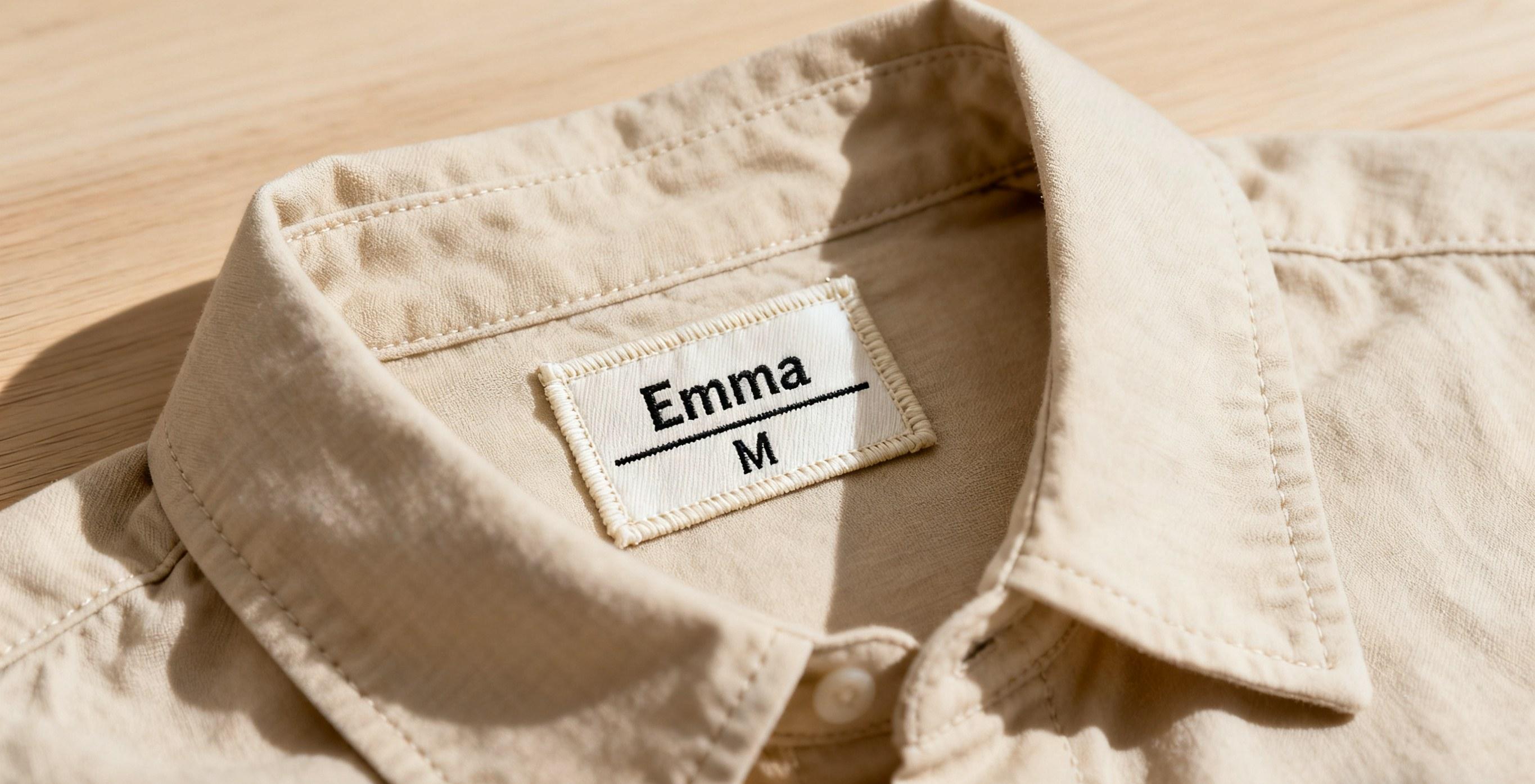
Perfect for activewear, lingerie, and children’s clothing, heat cut labels offer smooth contact and long-lasting performance. The Heat Cut Size Label variation provides clear size information without bulky seams, while the Heat Cut Fabric Label works best on lightweight textiles like polyester or nylon.
Customer Value:
Garment brands that emphasize comfort and modern aesthetics choose heat cut labels to align with their minimalist design goals. These labels reduce sewing time, resist edge fraying, and maintain premium appearance even after repeated washing.

2. Polyester Brand Labels: Durable and Economical for Mass Apparel Production
Keyword: Polyester Brand Label
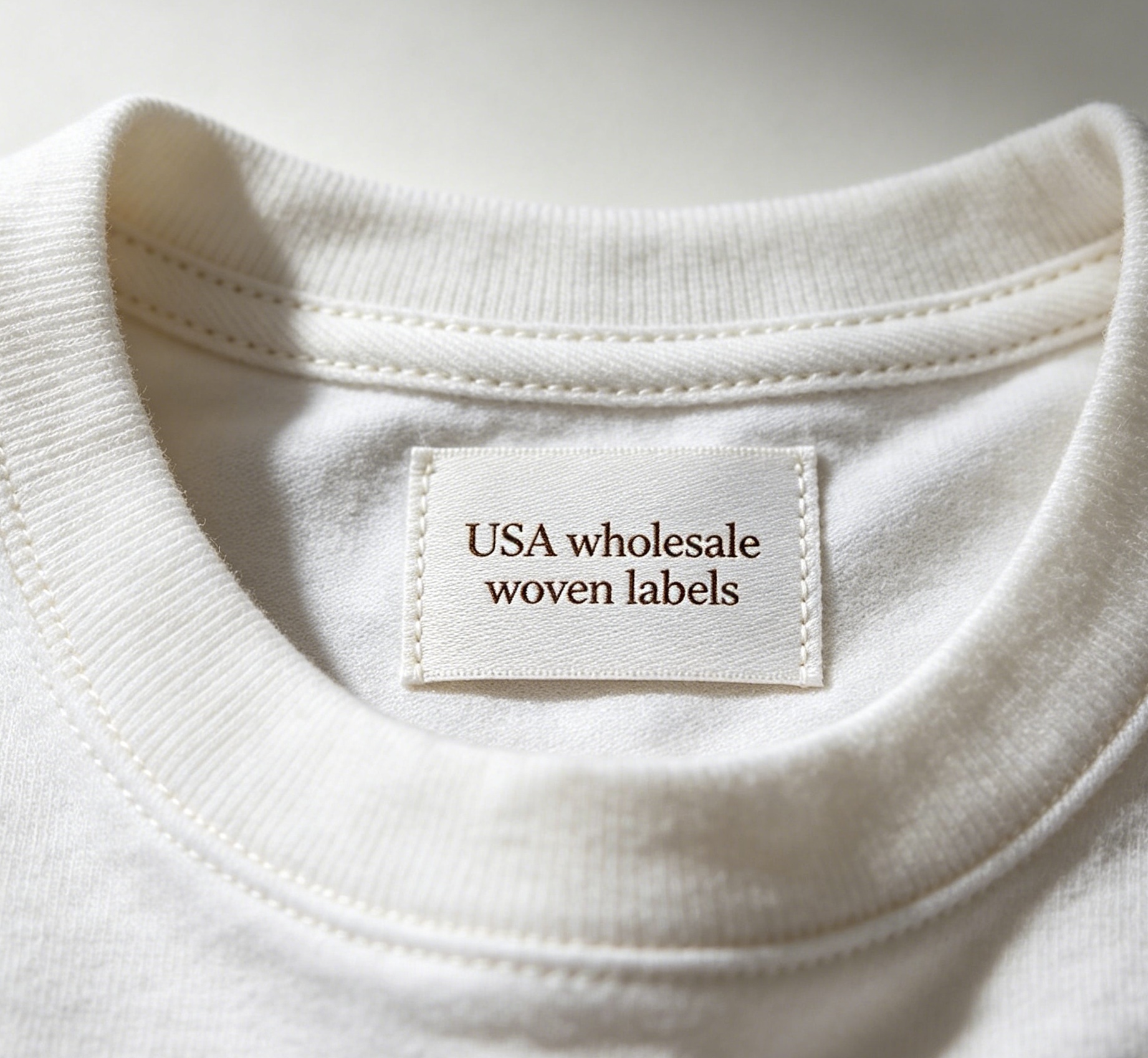
The Polyester Brand Label stands out for its durability, cost-efficiency, and design adaptability. Polyester’s inherent strength and flexibility make it one of the most widely used materials for branding across apparel categories—from fast fashion to sportswear and casualwear.
Performance and Production Benefits:
Polyester can withstand high-temperature processes such as sublimation printing and heat pressing, allowing manufacturers to achieve vivid, lasting graphics. Its low absorption rate ensures the print remains sharp even under moisture or friction, making it ideal for performance-oriented garments.
Material Advantage:
Compared with cotton or satin, polyester labels are more resilient to repeated washing and do not wrinkle easily. While slightly less soft, their high strength-to-weight ratio ensures consistent shape retention throughout production cycles.
Applications:
These labels are used extensively in ready-to-wear collections, fitness apparel, and mass retail clothing. For brands focused on scalability, the Polyester Brand Label is a practical balance between cost, durability, and customization.
Customer Value:
Manufacturers benefit from faster turnaround times, lower waste, and high print consistency. Brands gain a reliable label solution that complements industrial efficiency without compromising design.

3. Embossed Fabric Labels: Texture and Depth for Premium Branding
Keyword: Embossed Fabric Label
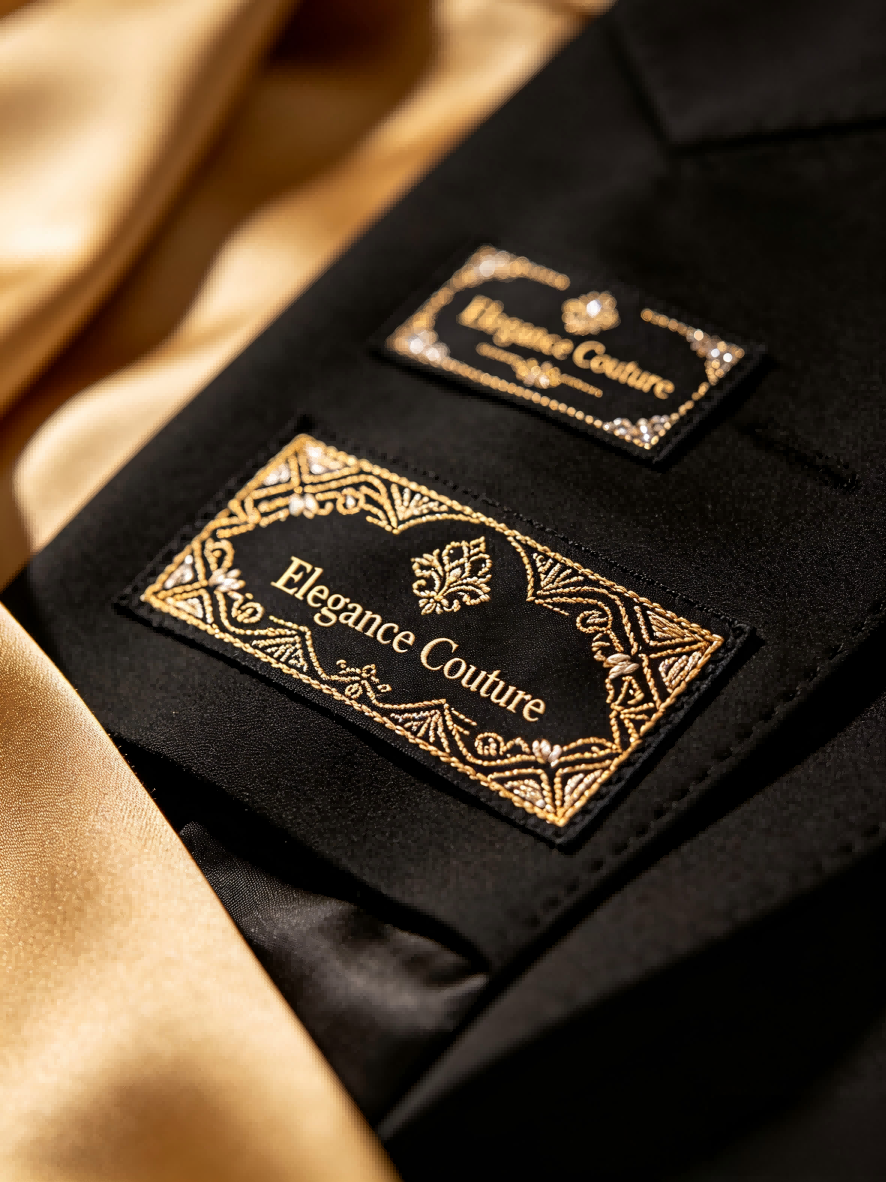
In the premium fashion and accessories market, Embossed Fabric Labels are increasingly favored for their tactile appeal and sophisticated texture. This label type is created using a controlled combination of heat, pressure, and die molds to imprint raised patterns or logos directly onto the fabric.
Design and Technical Features:
Unlike printed or woven alternatives, embossed labels add a three-dimensional effect that enhances brand perception. The technique can be combined with foil stamping, silicone coatings, or metallic overlays to create luxurious finishes that stand out in minimalist designs.
Applications:
Commonly seen on leather goods, casual jackets, and premium accessories, these labels emphasize craftsmanship and exclusivity. Their embossed structure not only improves grip and feel but also makes logos more recognizable through touch.
Customer Value:
Brands targeting high-end markets use Embossed Fabric Labels to express design sophistication. The tactile quality engages consumers at both visual and sensory levels, reinforcing the perception of superior craftsmanship.

Comparative Insight: Selecting the Ideal Label for Your Brand
Choosing between Heat Cut Garment Labels, Polyester Brand Labels, and Embossed Fabric Labels depends on production scale, target audience, and brand identity:
-
For performance apparel, heat cut labels offer soft comfort and smooth finishing.
-
For fast fashion or large-scale collections, polyester labels ensure speed, efficiency, and durability.
-
For premium lines, embossed labels add a tactile and luxurious edge that differentiates your brand.
Forward-thinking manufacturers often combine multiple label types within a single product line—for example, using heat cut labels for size information, polyester labels for internal branding, and embossed labels as exterior decorative emblems.
Conclusion: Labels as the Modern Signature of Quality
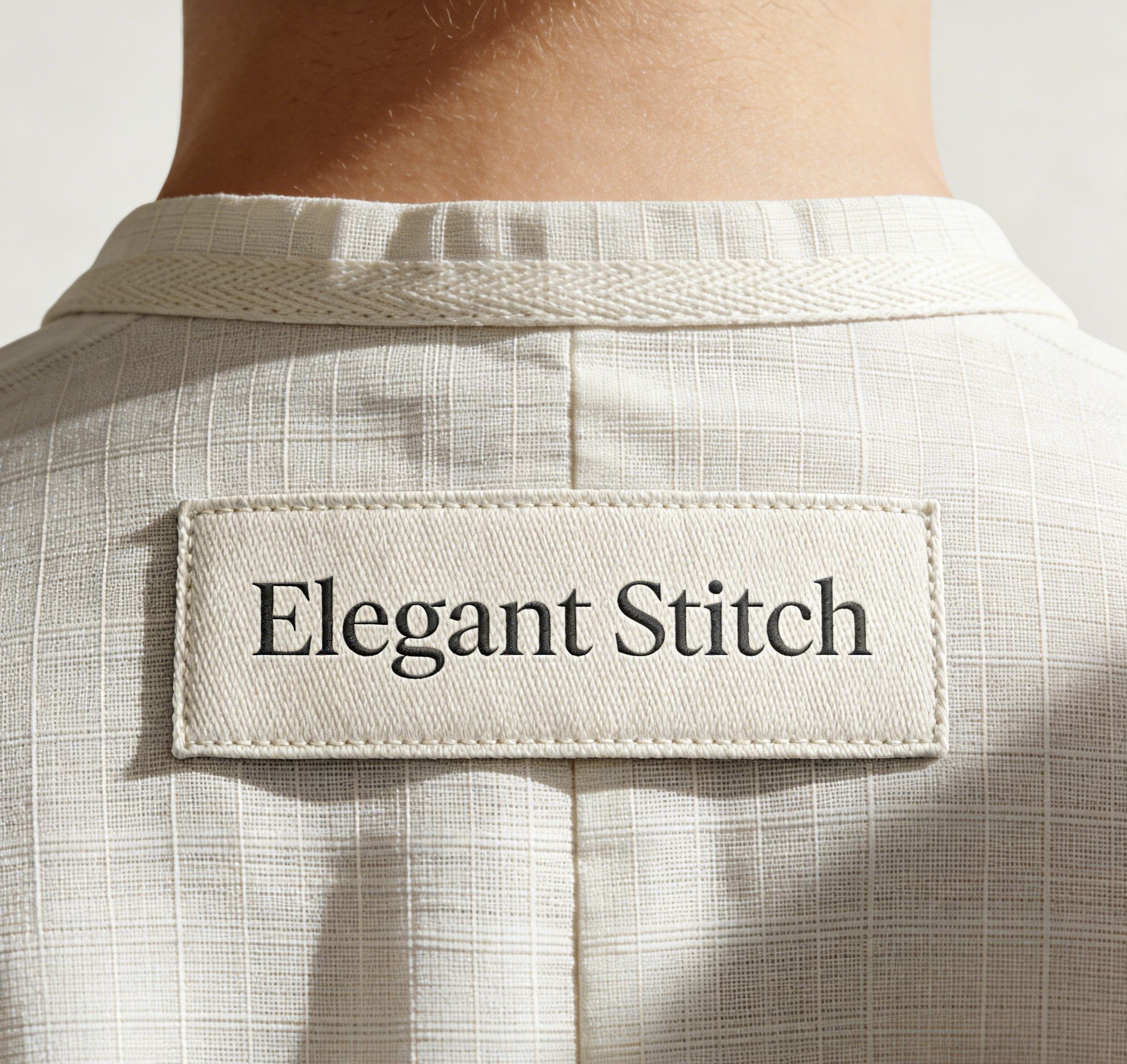
Today’s apparel industry recognizes that a label is not merely functional—it’s a brand signature. Whether it’s the clean precision of Heat Cut Garment Labels, the robust practicality of a Polyester Brand Label, or the refined artistry of an Embossed Fabric Label, each choice influences how consumers perceive quality and value.
For manufacturers, the right labeling strategy balances technology, comfort, and visual identity, ensuring every garment communicates professionalism from first glance to long-term wear.
The Art of Woven Labels: Texture, Customization, and Innovation in Apparel Branding
Exploring Modern Garment Label Innovations: Woven, Plating, and Square Collar Solutions