How Apparel & Shoe Brands Choose the Right Label

Why Label Selection Matters in Apparel & Footwear Manufacturing
In modern apparel and footwear manufacturing, labels are no longer simple accessories. They are functional components that directly affect product compliance, durability, and brand consistency. For brands producing both garments and footwear, choosing the right square fabric label or polyester size label can significantly reduce production risks and improve supply chain efficiency.
From global sports brands to private-label manufacturers, label decisions are often made during early product development. Understanding how different label types perform in real production environments is essential—especially when labels are applied to shoes, apparel, or hybrid product lines.
What Is a Square Fabric Label?
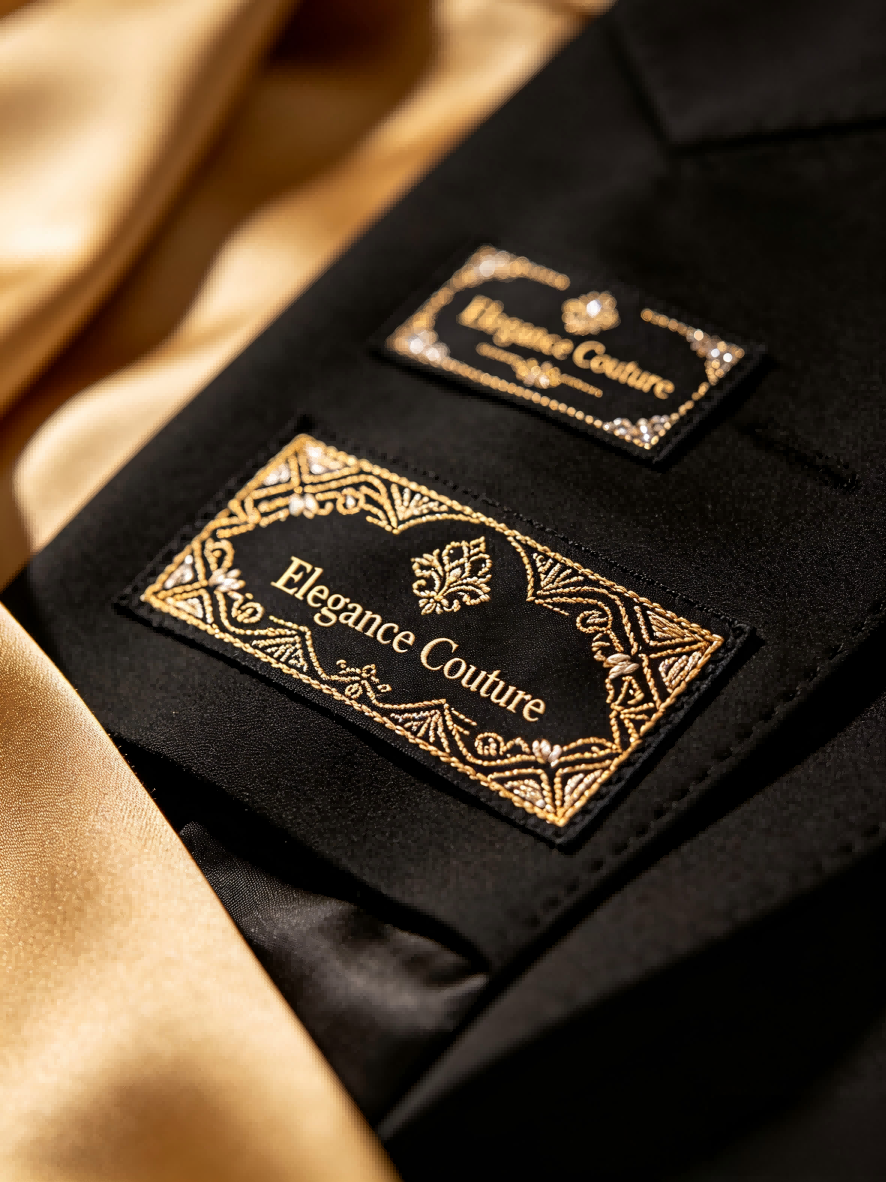
A square fabric label is commonly used for brand identification on garments and footwear. Its balanced shape provides visual stability, making it ideal for logos, symbols, or short brand messages.
Key characteristics include:
-
Clean-cut or heat-cut edges
-
Compatibility with woven or printed constructions
-
Strong structure for high-density stitching or sewing
Square fabric labels are frequently applied to shoe tongues, inner collars, jackets, hoodies, and accessories. For footwear, they offer enough surface area to display logos clearly while maintaining durability during repeated wear.

What Is a Polyester Size Label?
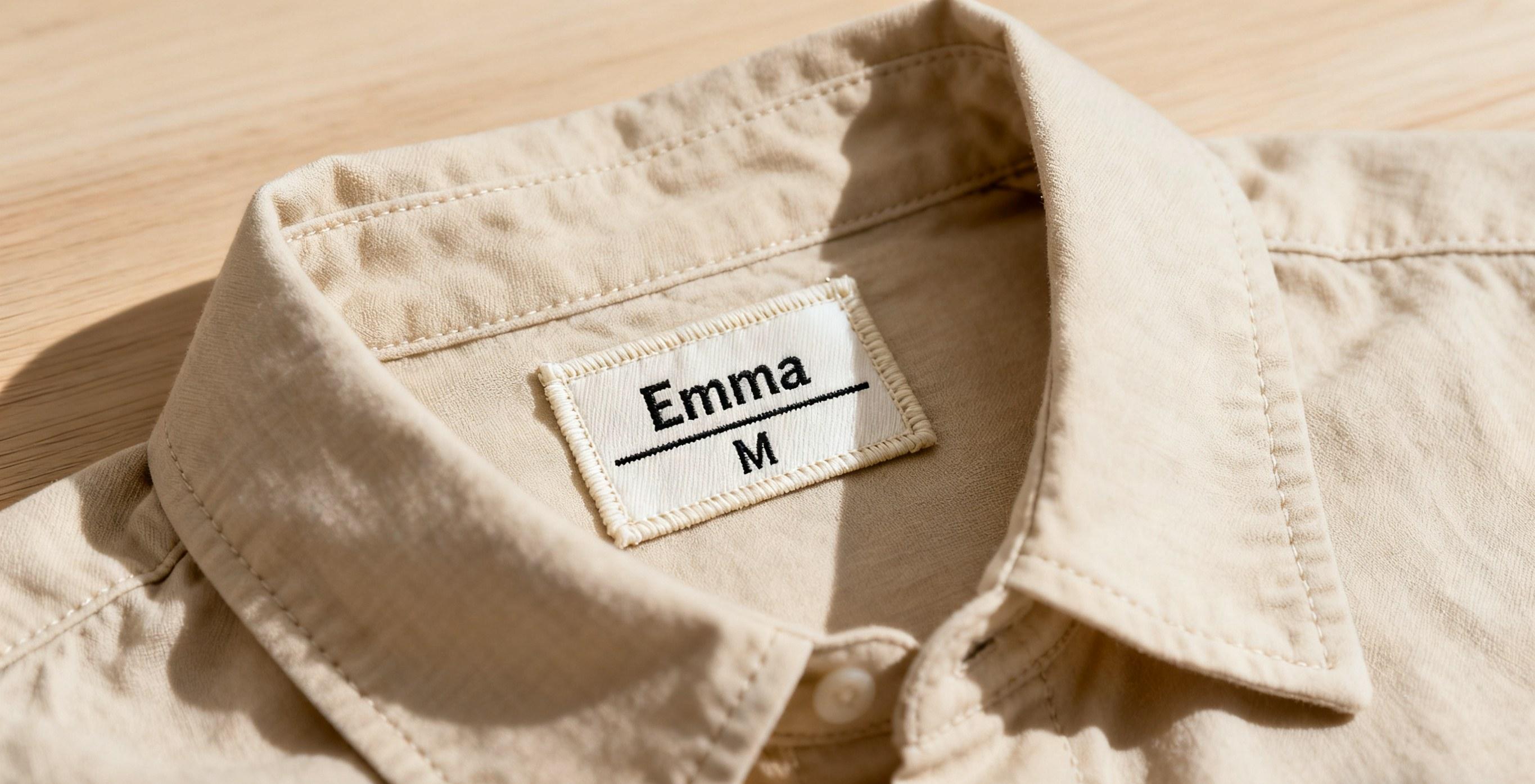
A polyester size label is designed primarily for functional information such as size, care instructions, and country of origin. Polyester remains the most widely used material due to its stability, wash resistance, and cost efficiency.
Key advantages:
-
Excellent colorfastness after repeated washing
-
Minimal shrinkage under heat or moisture
-
Consistent size accuracy across bulk production
For shoe label for garment systems, polyester size labels are often sewn or heat-applied inside apparel, while also being used in footwear linings where abrasion resistance is critical.

Square Fabric Label vs Polyester Size Label: Key Differences
Although both labels are essential, they serve very different purposes within production workflows.
| Feature | Square Fabric Label | Polyester Size Label |
|---|---|---|
| Primary Function | Branding & identification | Size & compliance |
| Durability | High | Very high |
| Visual Impact | Strong | Minimal |
| Cost Efficiency | Medium | High |
| Common Placement | Shoe tongue, outer garment | Inner garment, lining |
In practice, most manufacturers use both. The square fabric label handles brand presentation, while the polyester size label ensures regulatory and sizing accuracy.
How Brands Combine Both in Shoe Label for Garment Systems
For footwear and apparel brands operating across multiple markets, combining label types is a standard strategy. A shoe may feature:
-
A square fabric label on the tongue for branding
-
A polyester size label inside for size and compliance
This layered labeling approach reduces confusion during production, minimizes SKU errors, and simplifies quality control. Brands looking for a deeper overview can reference our complete guide to shoe label for garment manufacturing for full application scenarios.
Production Considerations Manufacturers Should Know
From a factory perspective, label selection affects:
-
Sewing efficiency
-
Batch consistency
-
Rework and rejection rates
Square fabric labels require precise cutting and edge finishing to avoid fraying, while polyester size labels demand strict size alignment and color consistency. Choosing a supplier capable of handling both within one production system can significantly reduce lead times.
Conclusion: Choosing Labels That Scale with Your Brand
Selecting between a square fabric label and a polyester size label is not about preference—it’s about function. When chosen correctly, both labels work together to support branding, compliance, and long-term scalability in apparel and footwear manufacturing.
Name labels for clothes Production: MOQ, Lead Time & Quality Standards Explained
Tagless Clothing Labels & Silicone Garment Labels: Why More Brands Choose Label-Free Wholesale T-Shirts