Name labels for clothes Production: MOQ, Lead Time & Quality Standards Explained
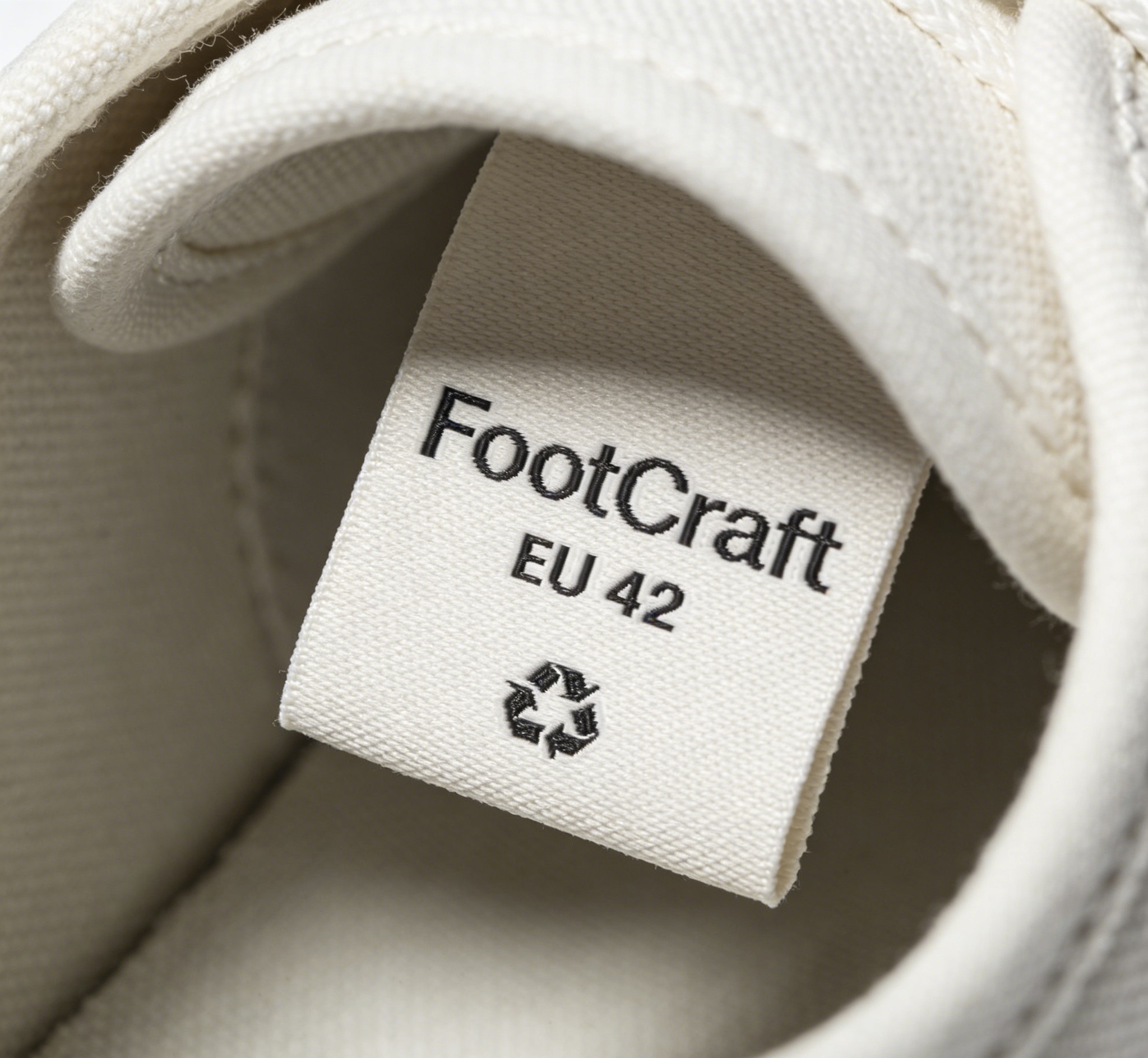
Why Label Sourcing Is a Supply Chain Decision
In apparel and footwear manufacturing, labels are often treated as small components—but for experienced buyers, they are a critical supply chain decision. Whether sourcing a Shoe Label, name labels for clothes, or fabric labels for clothing, reliability and consistency matter more than design alone.
For OEM manufacturers, sourcing managers, and accessory agents, label performance directly affects sewing efficiency, compliance approval, and final product acceptance.

Understanding Shoe Label Requirements in Apparel Production
A Shoe Label is not limited to footwear only. In modern production systems, shoe labels are often integrated into garment programs for hybrid products such as activewear, uniforms, and lifestyle collections.
Typical requirements include:
-
High abrasion resistance
-
Stable color after washing and friction
-
Strong edge structure to prevent fraying
-
Compatibility with automated sewing lines
Because shoe labels face higher physical stress, factories usually apply similar standards to high-end fabric labels for clothing, ensuring durability across different product categories.
MOQ Strategy for Name Labels for Clothes
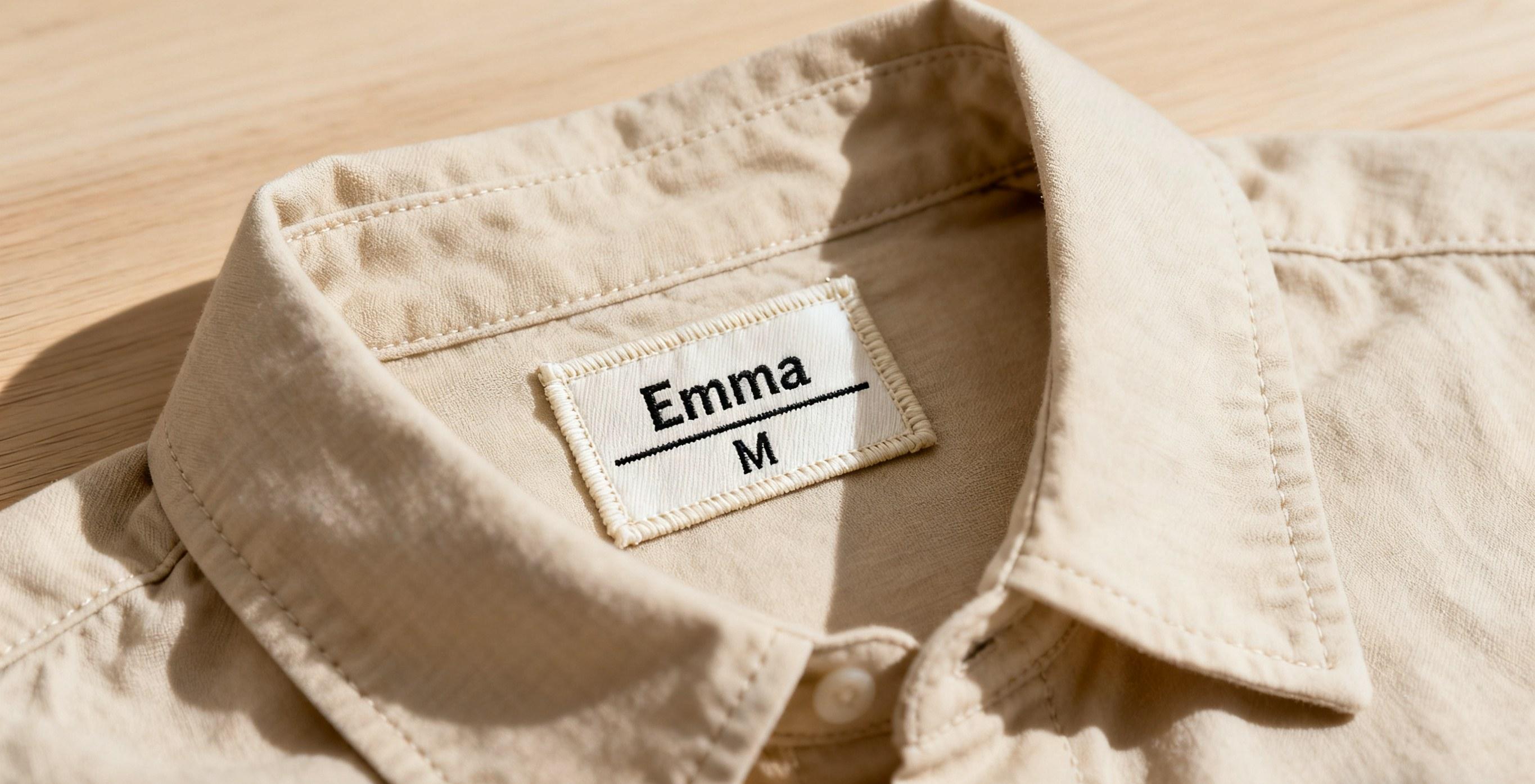
MOQ is one of the first concerns for buyers sourcing name labels for clothes, especially when managing multiple sizes, languages, or markets.
Efficient manufacturers typically offer:
-
Low MOQ for standardized name labels
-
Flexible MOQ for repeat orders
-
Mixed-size production in one batch
For brands producing children’s wear, uniforms, or private-label apparel, name labels for clothes must remain consistent across batches. A supplier with digital archiving and ERP systems can reproduce labels without re-sampling, reducing long-term sourcing risks.
Lead Time Control Across Fabric Labels for Clothing
Lead time reliability is more important than speed alone. For fabric labels for clothing, delays often occur due to:
-
Color mismatch between batches
-
Incorrect size scaling
-
Edge finishing inconsistencies
Factories with integrated weaving, cutting, and inspection processes can synchronize production timelines. This is especially important when fabric labels for clothing and shoe labels are ordered together for one garment program.
[Image Placement 2 – Production Line]
ALT: Fabric labels for clothing being produced on automated machines
Quality Standards Buyers Should Verify
Professional buyers evaluate labels using measurable standards, not visual judgment alone. For Shoe Label, name labels for clothes, and fabric labels for clothing, key indicators include:
-
Edge accuracy within ±0.2 mm
-
Color fastness grade ≥4.5
-
Wash durability (50+ cycles)
-
Clear readability after wear
These indicators reduce sewing issues and post-production complaints. Brands sourcing for the US, UK, EU, and Australia often require third-party testing and consistent AQL inspection systems.

Certifications & Compliance for Global Apparel Brands
Compliance is no longer optional. Buyers sourcing fabric labels for clothing should confirm whether the supplier supports:
-
OEKO-TEX® Standard 100
-
GRS recycled material certification
-
ISO quality management systems
Certified label production helps brands pass audits faster and reduces compliance risks when entering new markets. Learn more in our fabric labels for clothing compliance guide.
Why Experienced Manufacturers Reduce Buyer Risk
Suppliers with long-term experience understand how shoe labels differ from standard garment labels. They can recommend:
-
Appropriate weave density for shoe labels
-
Softer constructions for name labels for clothes
-
Balanced cost-performance options for fabric labels for clothing
Instead of offering one-size-fits-all products, experienced manufacturers help buyers avoid over-engineering or under-specifying labels.
Packaging, Logistics & Order Coordination
Beyond production, professional suppliers manage:
-
Individual box packaging to prevent label deformation
-
Air or sea shipping coordination
-
Multiple international payment methods
This end-to-end coordination ensures labels arrive production-ready, reducing handling time on the buyer’s side.
Conclusion: Labels as a Long-Term Supply Chain Asset
For modern apparel and footwear brands, sourcing a Shoe Label, name labels for clothes, or fabric labels for clothing is not just a purchasing task—it’s a long-term supply chain investment.
By choosing manufacturers with stable MOQ policies, reliable lead times, and verified quality systems, buyers can protect production schedules and brand reputation.
Why Custom Logo Metal Tags Are Popular for Premium Clothing
How Apparel & Shoe Brands Choose the Right Label