Choosing the Right Garment Labels: Balancing Cost, Durability, and Consistency
In today’s fashion and apparel industry, garment labels play a dual role: they serve as practical carriers of product information while also strengthening brand identity and customer experience. From high-volume retailers to luxury fashion houses, the type of label selected can influence both manufacturing efficiency and consumer perception.
This article highlights three widely used label categories—Paper Garment Labels, Durable Garment Labels, and Rectangle Garment Labels—to help apparel professionals make informed decisions that align with market positioning and customer expectations.
Paper Garment Labels: Cost-Effective and Creative
Paper Garment Labels remain a preferred option for fast fashion retailers and large-scale brands looking for maximum design freedom at a manageable cost. They are lightweight, easy to print, and can accommodate diverse branding elements such as logos, seasonal graphics, or promotional messaging.
For companies that frequently update collections, paper labels provide unmatched flexibility, ensuring rapid adaptation to changing trends without straining budgets. While they may not withstand long-term wear, their visual impact makes them a strong choice for garments that prioritize presentation over longevity.

Durable Garment Labels: Long-Lasting and Reliable
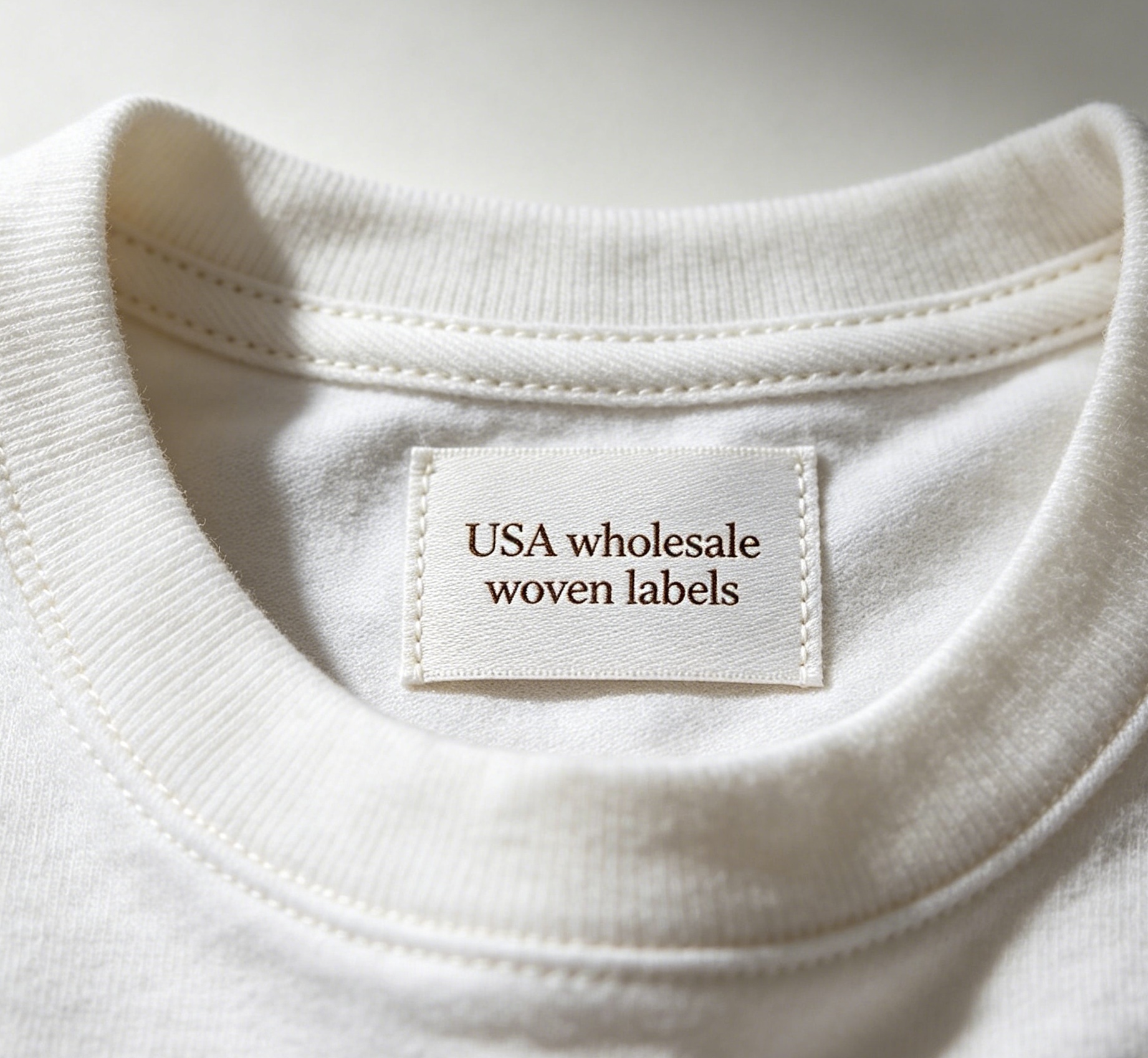
In contrast, Durable Garment Labels are engineered to survive repeated washing, exposure to harsh conditions, and daily wear. Typically used in workwear, outdoor clothing, and sports apparel, these labels are made from resistant materials that ensure legibility throughout the product’s lifecycle.
Their long-lasting quality not only strengthens consumer trust but also communicates professionalism and reliability. For brands targeting active lifestyles or industrial use, investing in durable labels is a strategic move that enhances both functionality and reputation.

Rectangle Garment Labels: Standardization and Efficiency
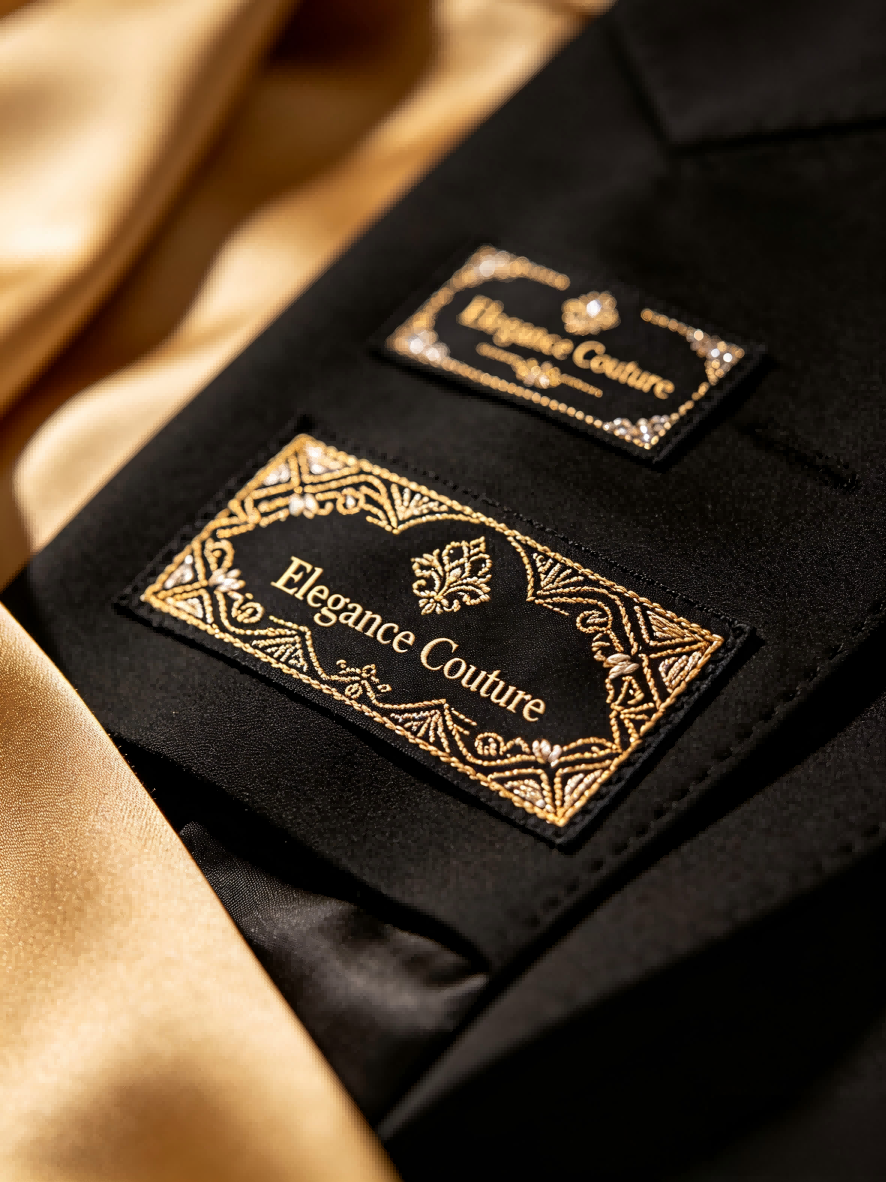
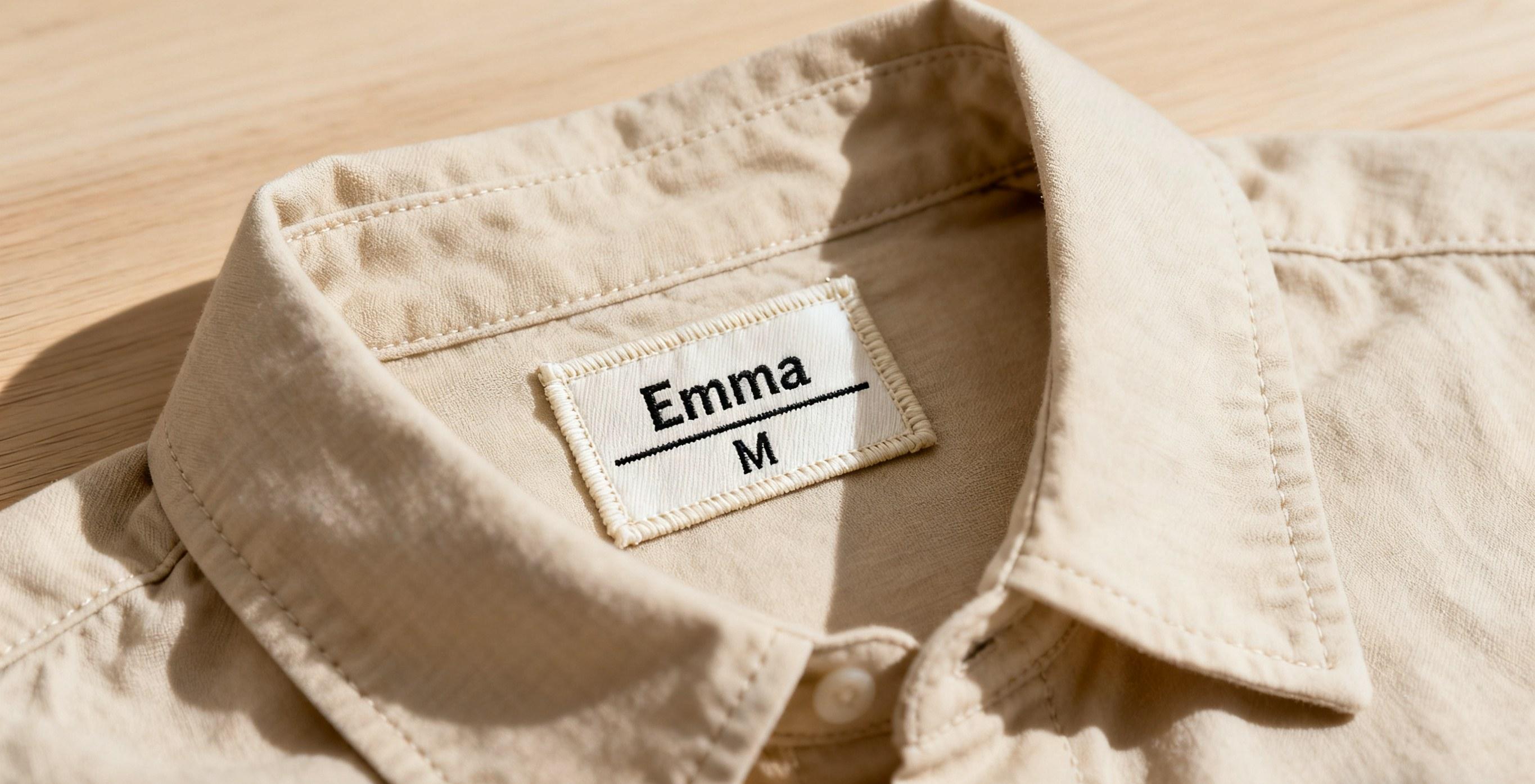
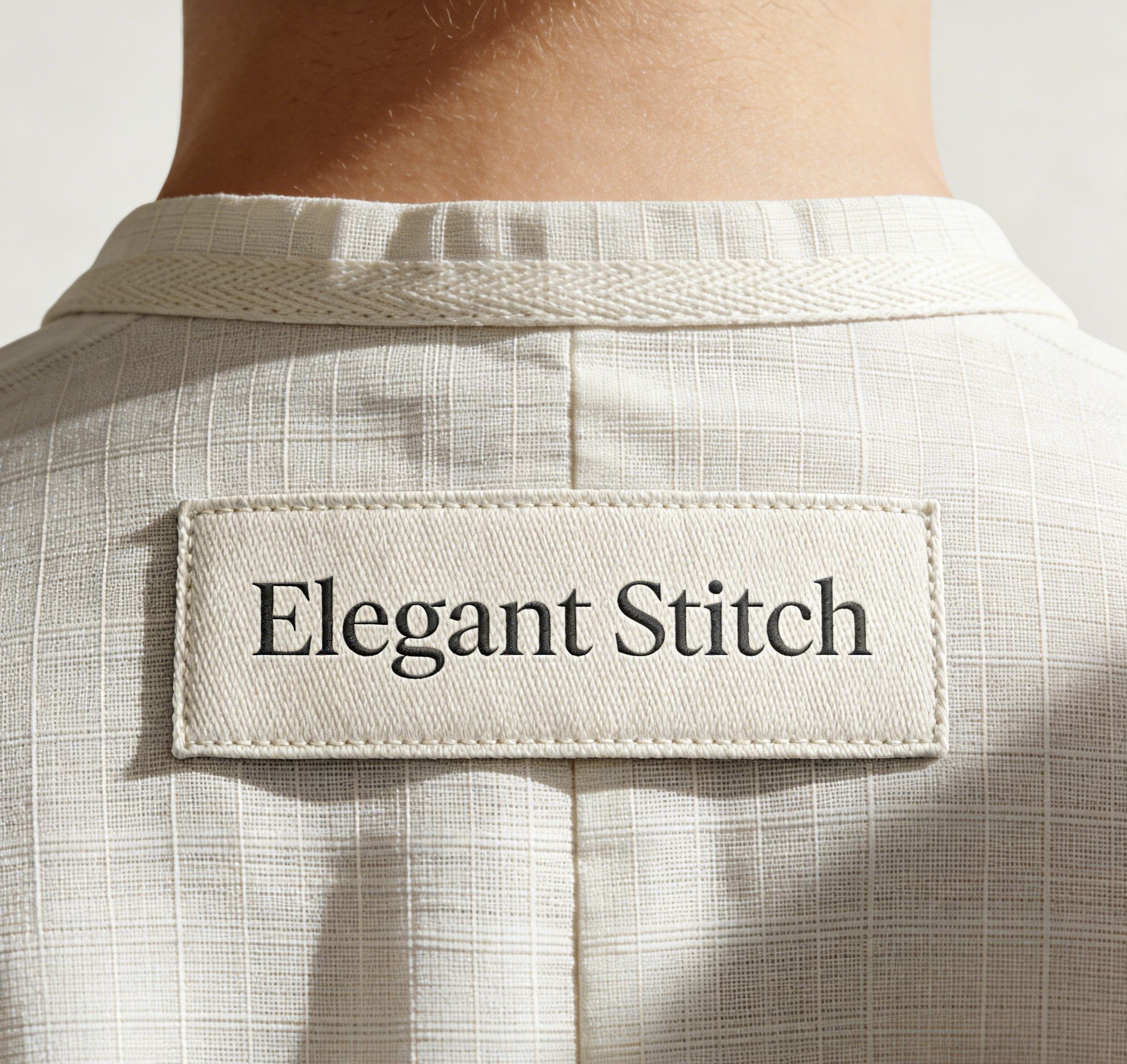
Rectangle Garment Labels represent the most standardized shape across the industry, making them ideal for brands focused on consistent production. Their uniform design simplifies sewing processes and ensures a cohesive visual identity across collections.
Fashion companies engaged in mass production benefit from the efficiency and scalability that rectangle labels provide. At the same time, their simplicity makes them highly adaptable—whether applied to basic everyday apparel or as a supporting element in luxury lines.

Strategic Value for Apparel Brands
Each type of garment label brings unique advantages to different customer groups:
-
Paper Garment Labels → affordable, versatile, suited for fast fashion cycles.
-
Durable Garment Labels → reliable, long-lasting, aligned with outdoor and workwear markets.
-
Rectangle Garment Labels → consistent, efficient, designed for scalable manufacturing.
Fashion companies can also combine multiple options depending on product lines. For example, a retailer may use paper labels for seasonal items while selecting durable labels for premium outdoor wear. Rectangle labels, on the other hand, remain universally applicable across nearly every brand strategy.
For businesses exploring broader options beyond these three, our garment label solutions page provides insight into materials, cuts, and finishes that can be tailored to your specific market.
Conclusion
The choice between Paper Garment Labels, Durable Garment Labels, and Rectangle Garment Labels depends on balancing cost efficiency, long-term performance, and production consistency. Selecting the right label not only enhances customer experience but also communicates your brand’s core values.
In a competitive apparel landscape, labels are no longer just accessories—they are strategic tools that influence how customers perceive and remember your products.
Modern Brand Guide: TPU Labels and Clothing Label Options
Case Study: How Nike Optimized Woven Fabric Label Logistics