Pet Garment Labels: Material Choices and Branding Value
Introduction
In the apparel industry, labels are far more than technical identifiers. They are a subtle yet powerful channel to reinforce branding, communicate garment information, and guarantee consumer confidence. Within the pet fashion segment, labels play an even greater role. Customers demand garments that are comfortable, safe, and stylish for pets, while manufacturers and brands need reliable solutions that meet durability and compliance standards.
Among the different options, Pet Garment Labels have become a critical investment for pet apparel suppliers, designers, and private label owners. By selecting the right type of label—whether a Cotton Size Label, Satin Size Label, or another fabric alternative—brands can align material quality with their target market expectations.
The Growing Importance of Pet Garment Labels
Pet apparel is no longer a niche accessory market. With the global pet fashion industry expanding steadily, competition has intensified. For manufacturers and distributors, the difference often lies in the details, and garment labels are one of the most visible details customers encounter.
High-quality Pet Garment Labels serve multiple functions:
-
Provide accurate sizing information for easier purchase decisions.
-
Reinforce brand image through consistent color, typography, or finishing.
-
Improve comfort by preventing irritation on sensitive pet skin.
-
Guarantee reliability in washing and daily use.
From a buyer’s perspective, the ability to customize labels that combine durability with brand storytelling is invaluable. This is why more companies are investing in advanced label production methods and exploring eco-friendly alternatives that appeal to modern consumers.

Cotton Size Label: Natural and Eco-Conscious Choice
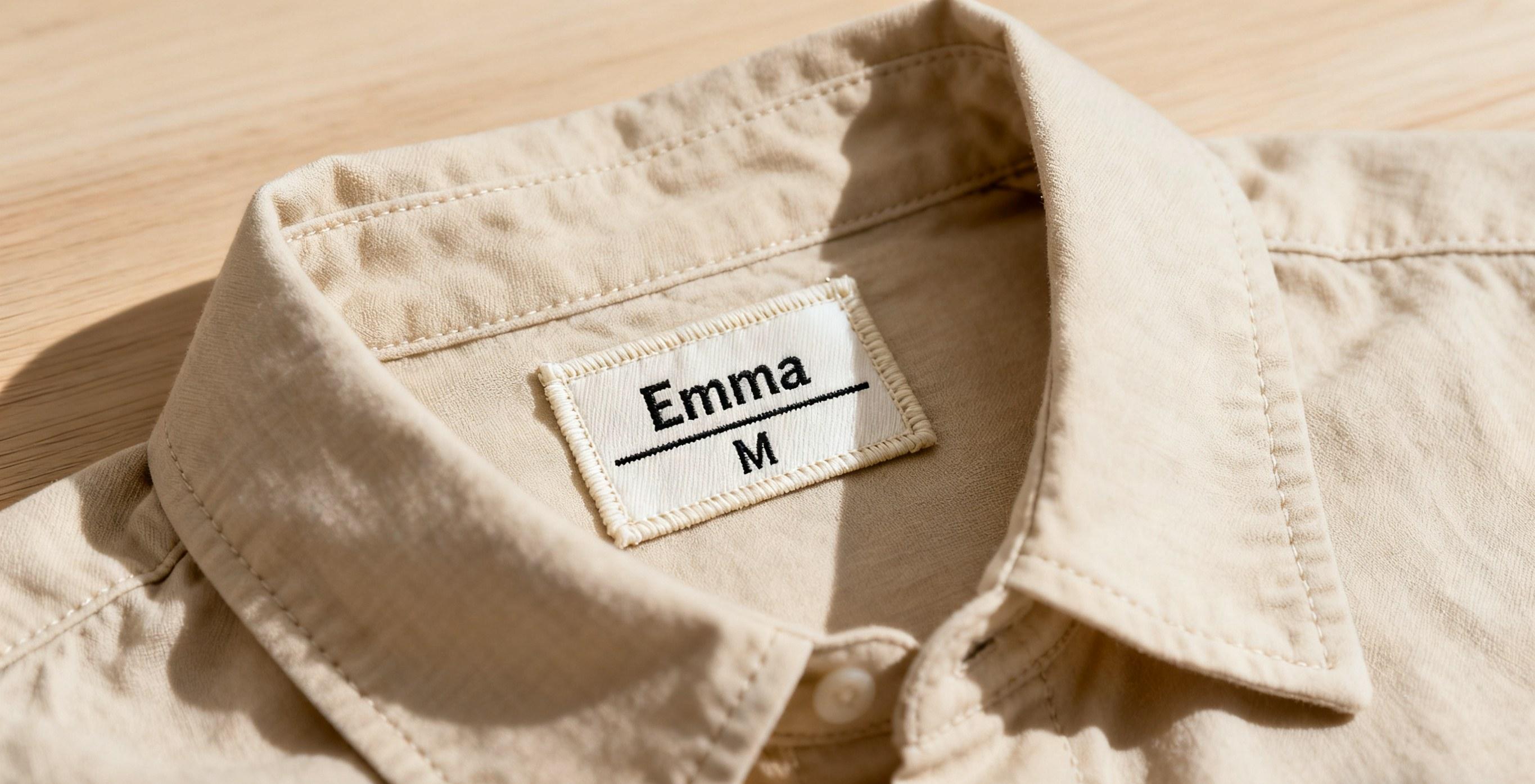
One of the most popular options for pet apparel is the Cotton Size Label. Cotton offers a naturally soft hand-feel, making it safe for direct contact with skin and fur. Many eco-focused brands prefer cotton because it highlights sustainability values while delivering practical performance.
Advantages include:
-
Gentle on sensitive skin, ideal for puppies or pets with allergies.
-
Breathable and biodegradable, supporting eco-friendly branding.
-
Suitable for high-end or boutique pet apparel lines.
For industry buyers, cotton labels are an excellent way to align with the growing demand for natural fibers. They provide not only a tactile benefit but also a brand message that resonates strongly with environmentally conscious customers.

Satin Size Label: Premium Appeal in Pet Fashion
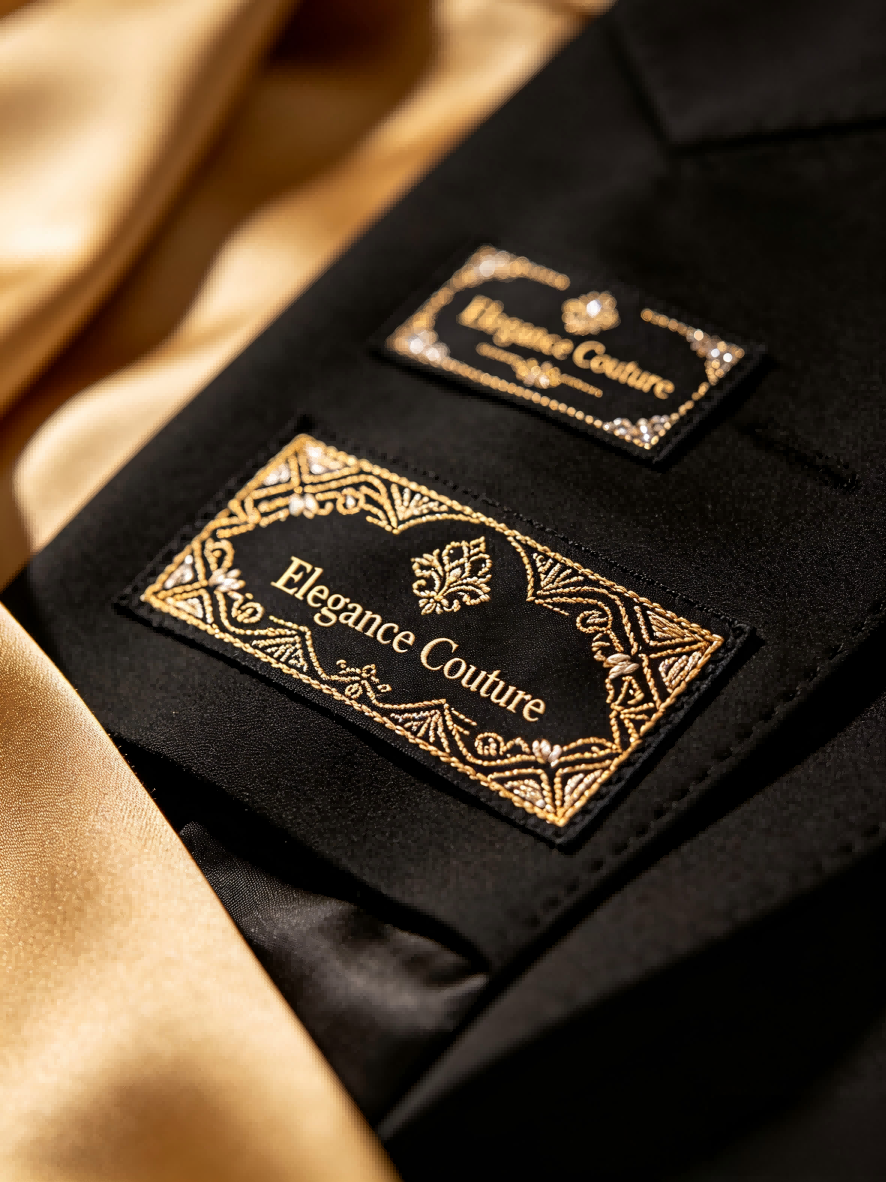
When brands want to highlight elegance and refinement, the Satin Size Label is a strong contender. Satin has a distinct glossy surface that adds a luxurious feel, instantly elevating the perceived value of the garment.
Key characteristics:
-
Smooth, silky texture that ensures comfort and reduces friction.
-
Excellent for premium collections, luxury pet apparel, and fashion-forward products.
-
Holds print and woven detail with clarity, reinforcing brand recognition.
For industry professionals targeting upscale retailers or premium pet owners, satin labels signal exclusivity. They combine comfort with visual impact, helping garments stand out in competitive retail environments.
Balancing Material Selection with Market Needs
Every label material serves a unique purpose, and successful suppliers evaluate not only aesthetics but also end-user expectations. Cotton Size Labels emphasize sustainability and softness, while Satin Size Labels focus on elegance and premium positioning. Both can be used strategically within the same brand, depending on the product line.
When making decisions, industry clients should consider:
-
Target customer group: eco-focused, mainstream, or luxury.
-
Durability requirements: frequent washing versus occasional use.
-
Brand narrative: natural, elegant, or functional.
For companies offering private label services, versatility is key. Some clients may demand eco-certified options, while others prioritize cost efficiency or unique finishing effects. A supplier capable of delivering all these variations can position itself as a long-term partner for global buyers.

Industry Trends and Buyer Considerations
The evolution of Pet Garment Labels is linked to larger apparel industry trends. Sustainability, customization, and compliance are shaping decisions across markets. Labels that combine recyclability with high-quality printing are increasingly requested by international distributors.
Moreover, as online retail expands, sizing clarity becomes crucial. A Cotton Size Label with easy-to-read text or a Satin Size Label with crisp woven detail can significantly reduce return rates. This is why industry buyers should partner with suppliers who provide precise, customizable, and scalable labeling solutions.
For further insights into tailored solutions, explore our custom clothing label options to see how different materials can strengthen your product portfolio.
Conclusion
Labels are no longer an afterthought; they are a strategic tool that communicates quality, safety, and brand values. Whether choosing Pet Garment Labels for functional durability, a Cotton Size Label for eco-friendly appeal, or a Satin Size Label for premium aesthetics, the decision has long-term effects on both customer satisfaction and brand growth.
For industry professionals, the right label is not just a piece of fabric—it is an investment in reputation. Selecting wisely ensures garments stand out, meet customer expectations, and strengthen the overall market position.
Polyester Fabric Label, Printed Fabric Label, and Rectangle Brand Label: Practical Choices for Industry Professionals
Innovative Garment Labeling: From Polyester to Laser Cut Precision