Exploring Modern Garment Label Innovations: Woven, Plating, and Square Collar Solutions
In today’s apparel industry, a label is more than an identification tag — it’s a statement of brand quality, craftsmanship, and functionality. From woven labels that highlight precision to plating name labels that project luxury, and square collar labels designed for structured professionalism, each type serves a distinct role in brand presentation and garment engineering. Understanding their materials, production techniques, and strategic applications helps manufacturers and fashion brands make informed decisions.
1. Woven Labels: Enduring Quality in Every Thread
Keyword: woven label
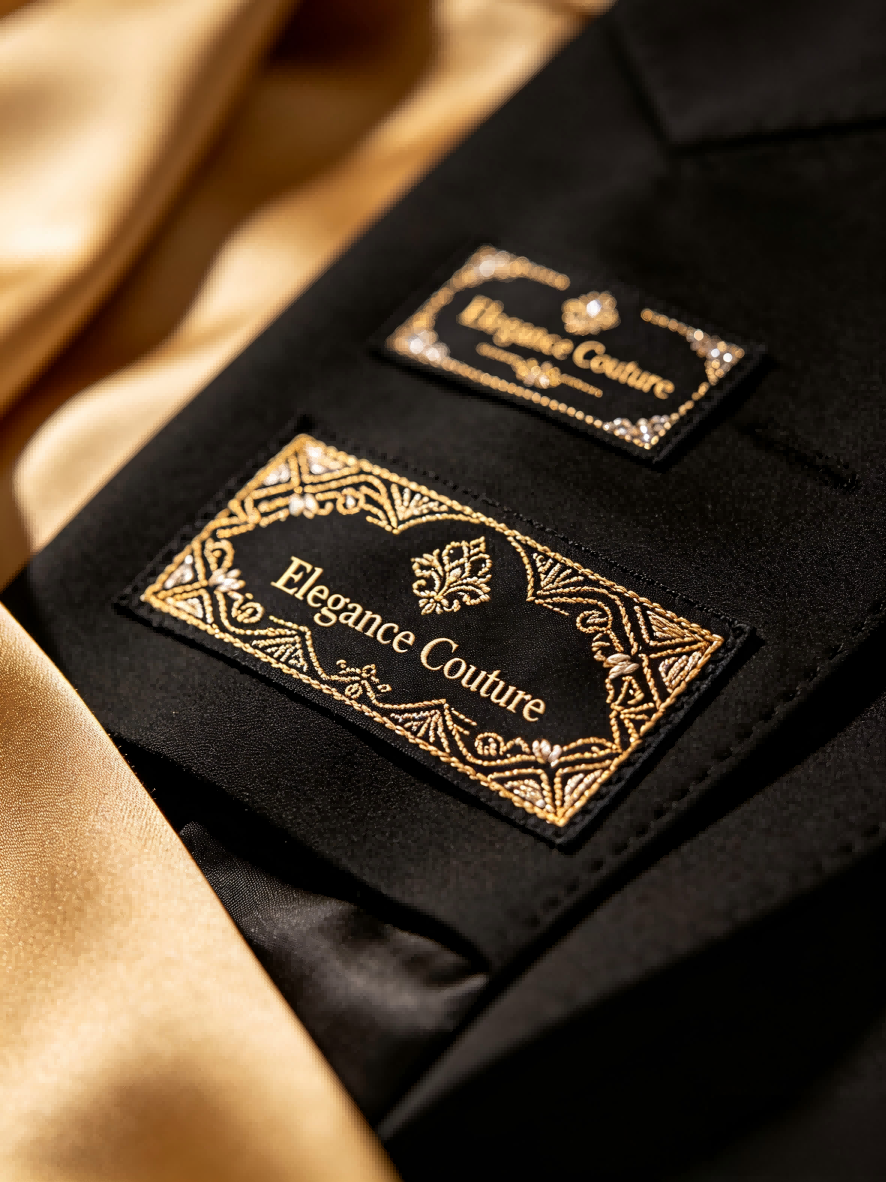
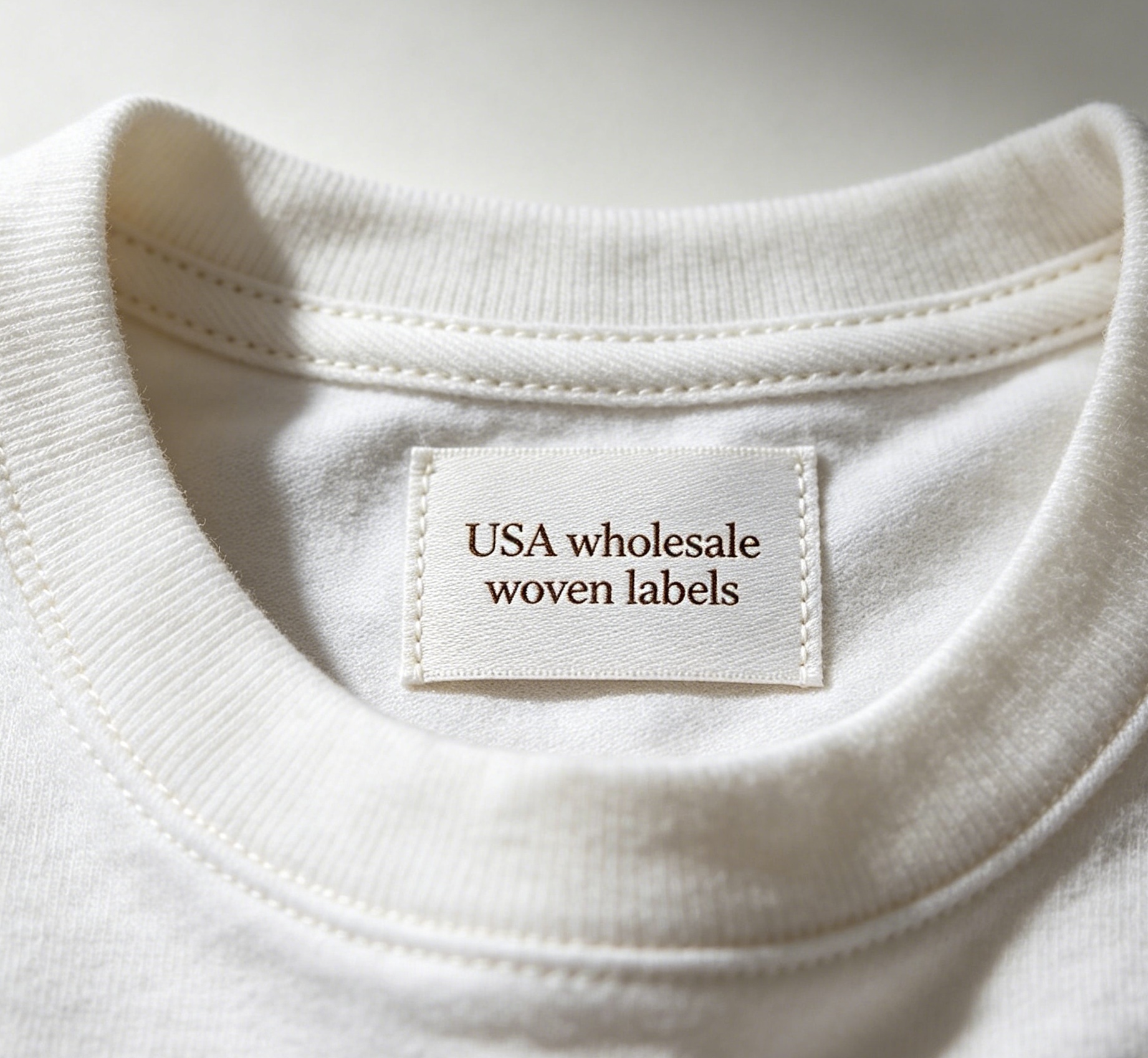
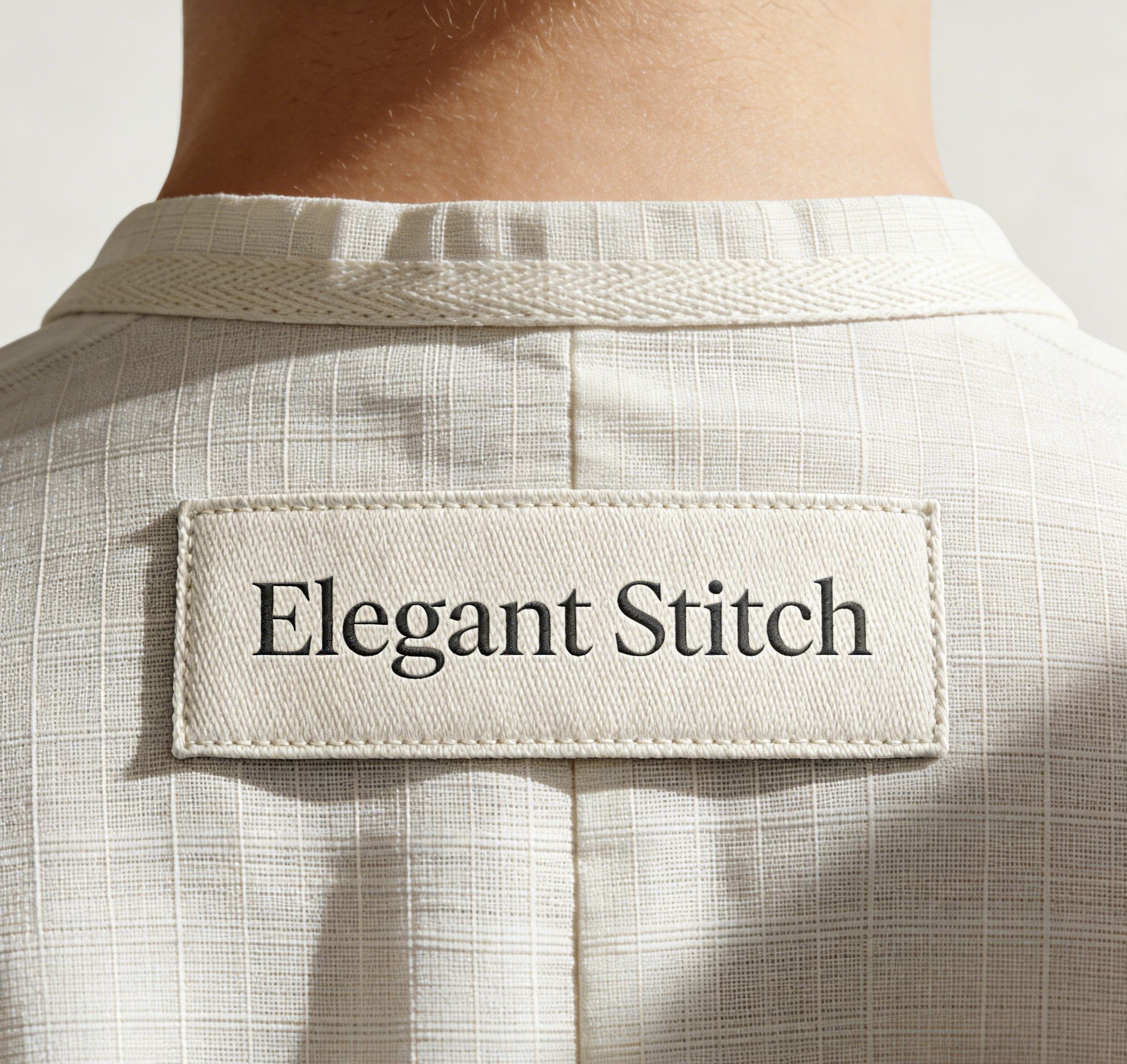
Among all label types, the woven label stands as a symbol of timeless quality. Produced by weaving colored threads together to form a design, a woven label delivers unmatched durability and texture. The intricate weaving process ensures that the logo or brand name becomes an integral part of the fabric itself, resisting fading even after countless washes.
Material and Craftsmanship
High-density weaving offers smooth edges and crisp graphics, often using damask or taffeta fibers for clarity. This makes it ideal for premium denim, outerwear, and lifestyle apparel where durability meets design.
Application Value for Manufacturers
Garment makers often select woven labels for collections requiring a long lifespan and tactile luxury. The slightly raised texture adds dimension to branding, helping fashion labels maintain recognition through years of wear.

2. Metal Plating Name Labels: Reflecting Strength and Sophistication
Keyword: plating name labels
When visual impact and tactile depth are essential, plating name labels deliver both performance and presence. These labels are made using electroplating or vacuum metalizing, coating a thin metallic layer over a molded base. The result is a nameplate that conveys luxury, durability, and modern appeal.
Functional and Aesthetic Benefits
Unlike paper or fabric labels, metal plating name labels resist abrasion, heat, and UV exposure. Their metallic sheen remains brilliant over time, making them perfect for handbags, footwear, jackets, and high-end accessories. The combination of visual brilliance and material toughness allows brands to stand out in competitive retail displays.
Design Versatility for Brand Builders
Manufacturers can choose from finishes like brushed nickel, gold plating, or matte chrome. Integrating embossing or laser engraving enhances brand identity and texture consistency across product lines.

3. Square Collar Labels: Precision in Professional Apparel
Keyword: square collar label
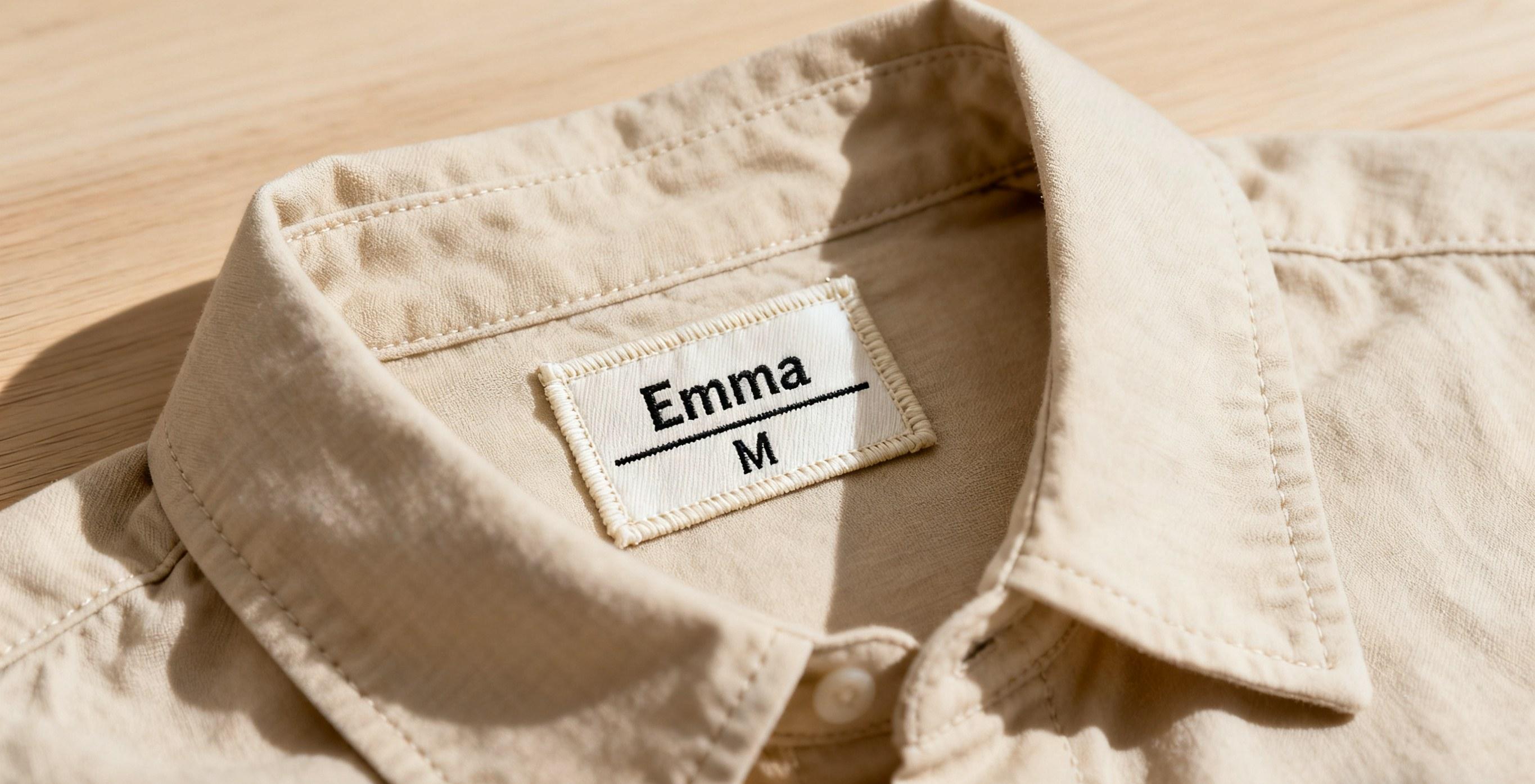
In the world of uniform manufacturing and tailored shirts, consistency is key. The square collar label is designed to bring uniformity, symmetry, and precision to every garment. Featuring a square-edged construction that aligns perfectly with the garment’s neckline, it ensures the label remains centered and professional-looking.
Why Square Collar Labels Matter
For corporate uniforms, school apparel, and formalwear, the label placement communicates order and reliability — attributes highly valued in institutional and corporate branding. The label’s shape simplifies sewing during mass production and ensures each piece maintains identical alignment.
Material and Branding Flexibility
Square collar labels can be produced using woven, printed, or heat-cut techniques, offering flexibility for both small-batch and large-scale production. Their structured shape supports consistent brand display while minimizing sewing deviation, making them a preferred choice for uniform producers.

Choosing the Right Label for Modern Apparel Brands
Selecting between a woven label, plating name labels, and a square collar label depends on the brand’s identity and production priorities:
-
For heritage or lifestyle brands: A woven label offers a tactile story of craftsmanship.
-
For premium or luxury lines: Plating name labels project refinement and metallic elegance.
-
For professional or uniform wear: The square collar label delivers consistency and structured precision.
Forward-thinking apparel manufacturers often integrate multiple label types within a collection — combining woven labels for the main logo, plating labels for exterior accents, and square collar labels for internal brand marks.
Sustainability and Future Trends in Label Design
Modern brands are also adopting eco-friendly woven yarns, recycled metal plating, and digitally cut labels to reduce waste while maintaining precision. As consumers demand transparency, labels have become touchpoints for traceability, material disclosure, and brand storytelling.
The next evolution of garment labels will balance sustainability, design innovation, and identity durability, giving brands new ways to express their values through details once considered purely functional.
Conclusion: Labels that Define More Than a Name
In the competitive garment industry, every detail counts — from fabric choice to logo placement. Woven labels, plating name labels, and square collar labels each carry distinct advantages, but their collective purpose is the same: to communicate brand value through craftsmanship. For manufacturers and fashion houses alike, investing in the right labeling strategy is a long-term commitment to identity, quality, and professionalism.
Modern Label Innovations: Precision and Design in Heat Cut, Polyester, and Embossed Fabric Labels
How Customized Garment Labels Define Modern Brand Identity