Polyester Fabric Label, Printed Fabric Label, and Rectangle Brand Label: Practical Choices for Industry Professionals
Introduction
Labels in the garment industry represent much more than technical identifiers. They are an integral part of how a brand communicates quality, compliance, and personality. For industry professionals—whether manufacturers, wholesalers, or fashion brand managers—choosing the right label is a decision that directly influences customer perception.
This article explores three widely used solutions: the Polyester Fabric Label, the Printed Fabric Label, and the Rectangle Brand Label. Each brings unique strengths in durability, customization, and branding, making them essential tools for apparel and accessories markets.
Polyester Fabric Label: Strength in Durability
When production volume and everyday wear are priorities, the Polyester Fabric Label is often the most reliable option. Polyester’s resistance to friction, moisture, and repeated washing makes it suitable for sportswear, uniforms, and pet garments that face frequent cleaning.
Key industry advantages include:
-
High resistance to fading and fraying.
-
Cost-effective for bulk manufacturing.
-
Compatible with woven and printed finishes.
More companies are now exploring recycled polyester alternatives to meet sustainability goals. This approach aligns with growing buyer expectations while maintaining durability. Suppliers who provide eco-friendly polyester labels gain a competitive edge, particularly in markets that prioritize compliance and environmental responsibility.

Printed Fabric Label: Flexibility for Branding
For businesses that need fast and versatile branding solutions, the Printed Fabric Label is an ideal choice. Unlike woven alternatives, printed labels can display intricate graphics, care instructions, and multilingual content with clarity.
Benefits for industry buyers include:
-
Fast production lead times for changing collections.
-
Lower costs for short or seasonal runs.
-
Ability to include detailed care or legal compliance information.
In fast fashion and accessory markets, printed labels support rapid design turnover without compromising brand consistency. The ability to test new logos or campaigns on labels allows brands to remain agile.

Rectangle Brand Label: Classic Shape, Strong Recognition
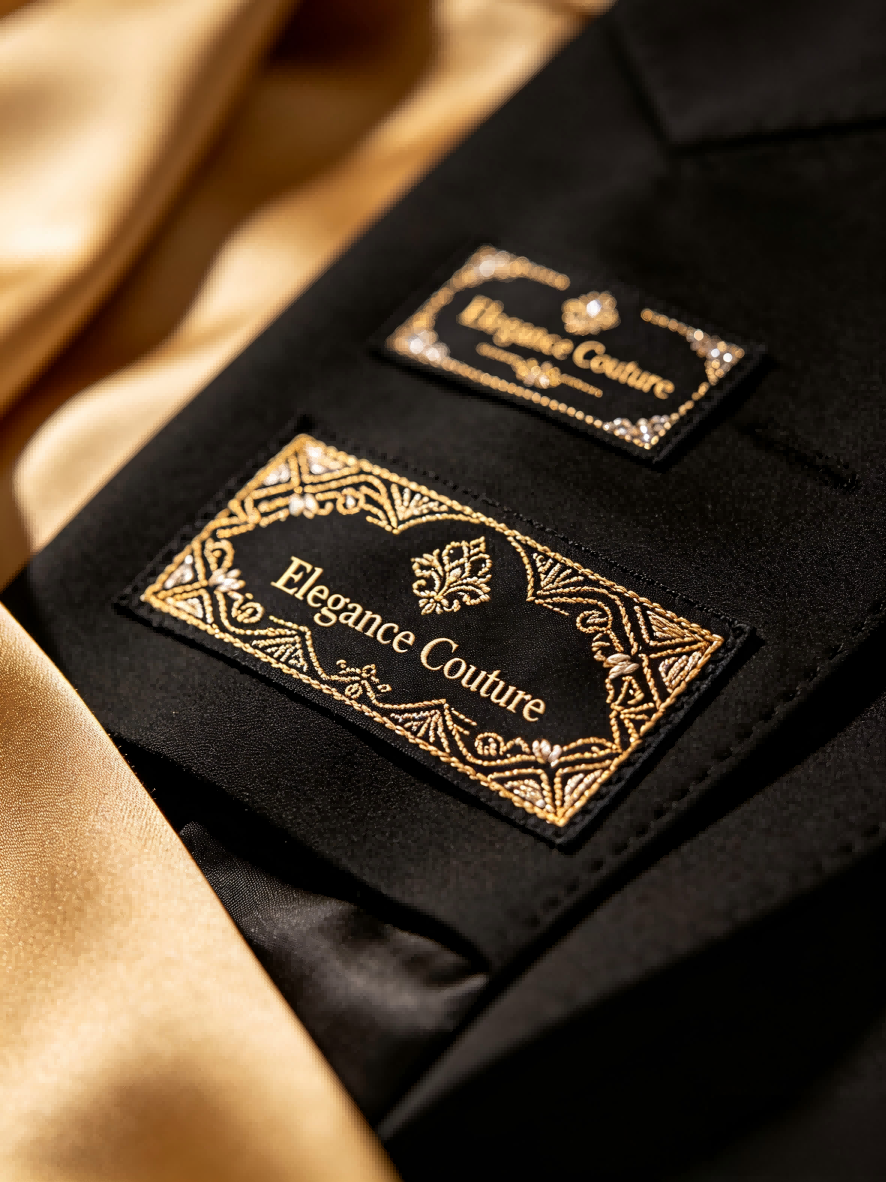
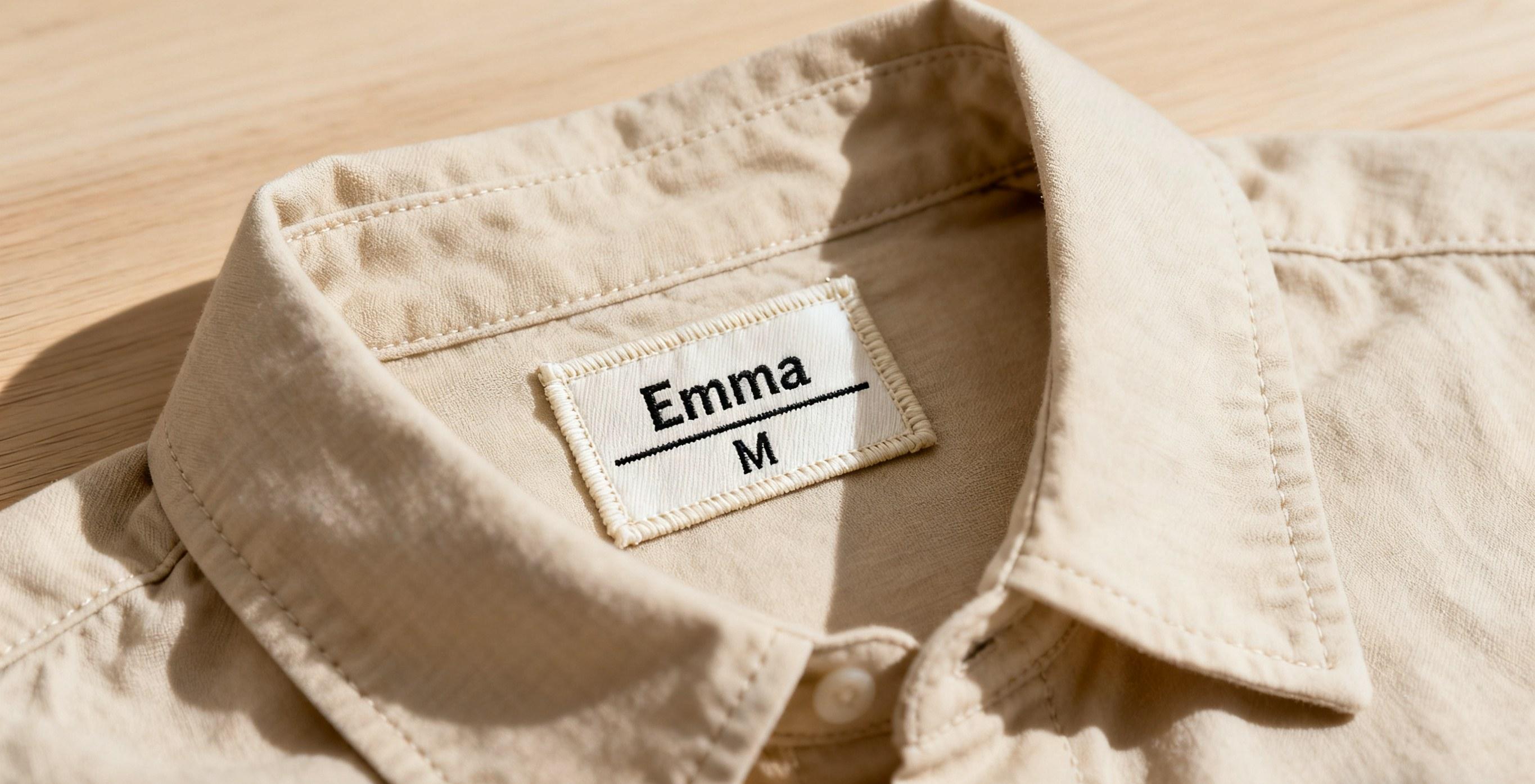
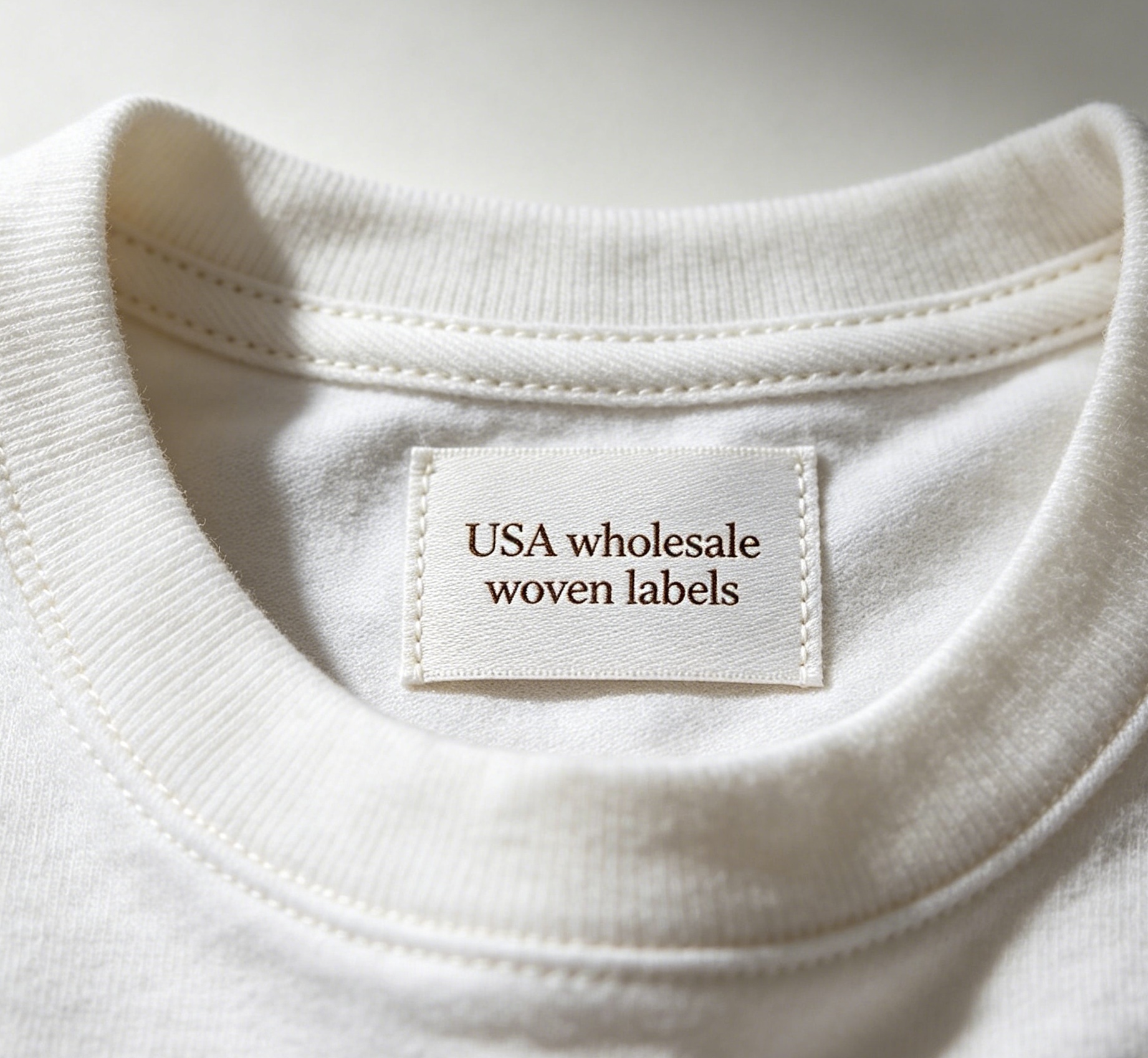
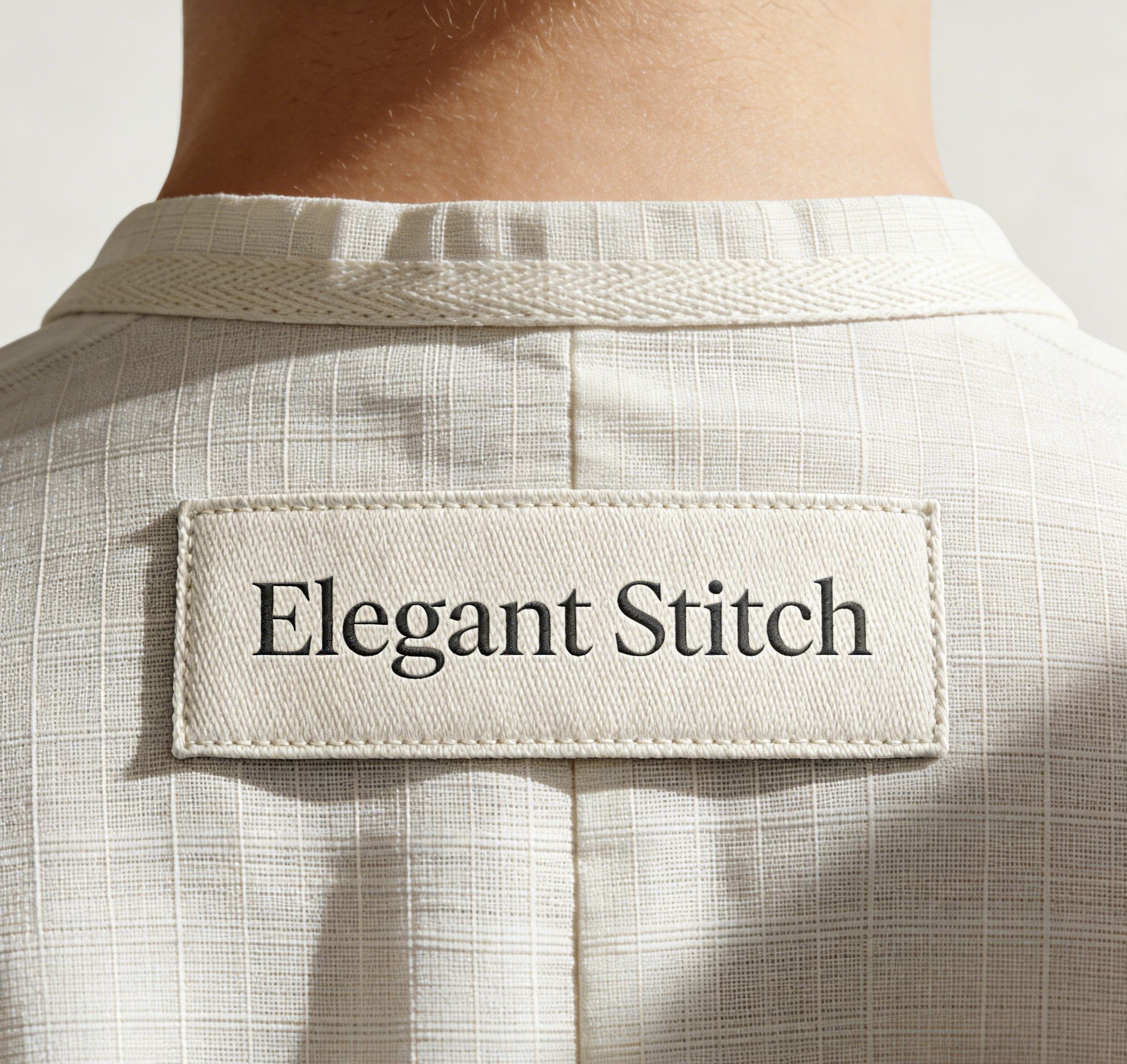
Among different label designs, the Rectangle Brand Label remains one of the most widely adopted. Its simple structure provides ample space for brand names, logos, or slogans while maintaining a professional appearance.
Advantages for industry clients:
-
Universally recognized shape suitable for apparel, bags, and pet accessories.
-
Flexible sizing options to fit small or large branding areas.
-
Consistent presentation across multiple product categories.
For companies managing multiple product lines, rectangle labels help maintain uniformity and reinforce brand recognition. This makes them particularly valuable for private label manufacturers and large-scale distributors.
Strategic Considerations for Buyers
Industry buyers should evaluate labels not only by material but also by overall brand objectives. The three options each serve distinct roles:
-
Polyester Fabric Label → Long-lasting and cost-efficient for everyday wear.
-
Printed Fabric Label → Flexible and detail-oriented for rapid design updates.
-
Rectangle Brand Label → Professional and consistent for visual identity.
Decision factors include:
-
Target customer expectations (premium vs. mainstream).
-
Washing frequency and product lifecycle.
-
Alignment with sustainability initiatives.
For more tailored solutions, explore our custom clothing labels services, where material and design options are adapted to specific market needs.

Industry Trends: Sustainability and Customization
The global label market is being shaped by two dominant trends: sustainability and customization. Buyers increasingly request recyclable materials and low-impact printing techniques. At the same time, demand for unique, customized label designs continues to rise.
Companies that can offer Polyester Fabric Labels made from recycled fibers, or Printed Fabric Labels with eco-friendly inks, are positioning themselves as leaders. Meanwhile, the Rectangle Brand Label continues to serve as a flexible canvas for creative, recognizable branding.
Conclusion
Labels may appear as small details, but their impact is significant. A carefully chosen Polyester Fabric Label ensures resilience, a Printed Fabric Label delivers agility in design, and a Rectangle Brand Label strengthens recognition. For industry professionals, each option represents a balance of cost, durability, and brand positioning.
Investing in the right labeling solution is more than a production decision—it is a brand strategy. By aligning labels with product identity and customer expectations, companies can enhance their market presence and build stronger relationships with their buyers.
The Strategic Value of Labels in Fashion and Accessories
Pet Garment Labels: Material Choices and Branding Value