Clothing Hang Tags for Fashion Startups: Balancing Cost and Branding
For fashion startups, clothing hang tags are not just functional labels; they are a key part of branding that can have a significant impact on both customer perception and financial outcomes. With production costs ranging from $0.03 to $3.50 per unit, startups must navigate the delicate balance between cost and brand equity when choosing between premium clothing tags and budget clothing tags. This 2024 guide dissects cost drivers, ROI implications, and strategic compromises for startups optimizing hang tag investments while adhering to SEO best practices.
1. Budget Clothing Hang Tags: Survival Mode Essentials
Startups producing fewer than 1,000 units per month often prioritize basic clothing tags to minimize costs. These are essential for brands that need to keep their overheads low while still establishing a basic brand identity.
Material Costs:
-
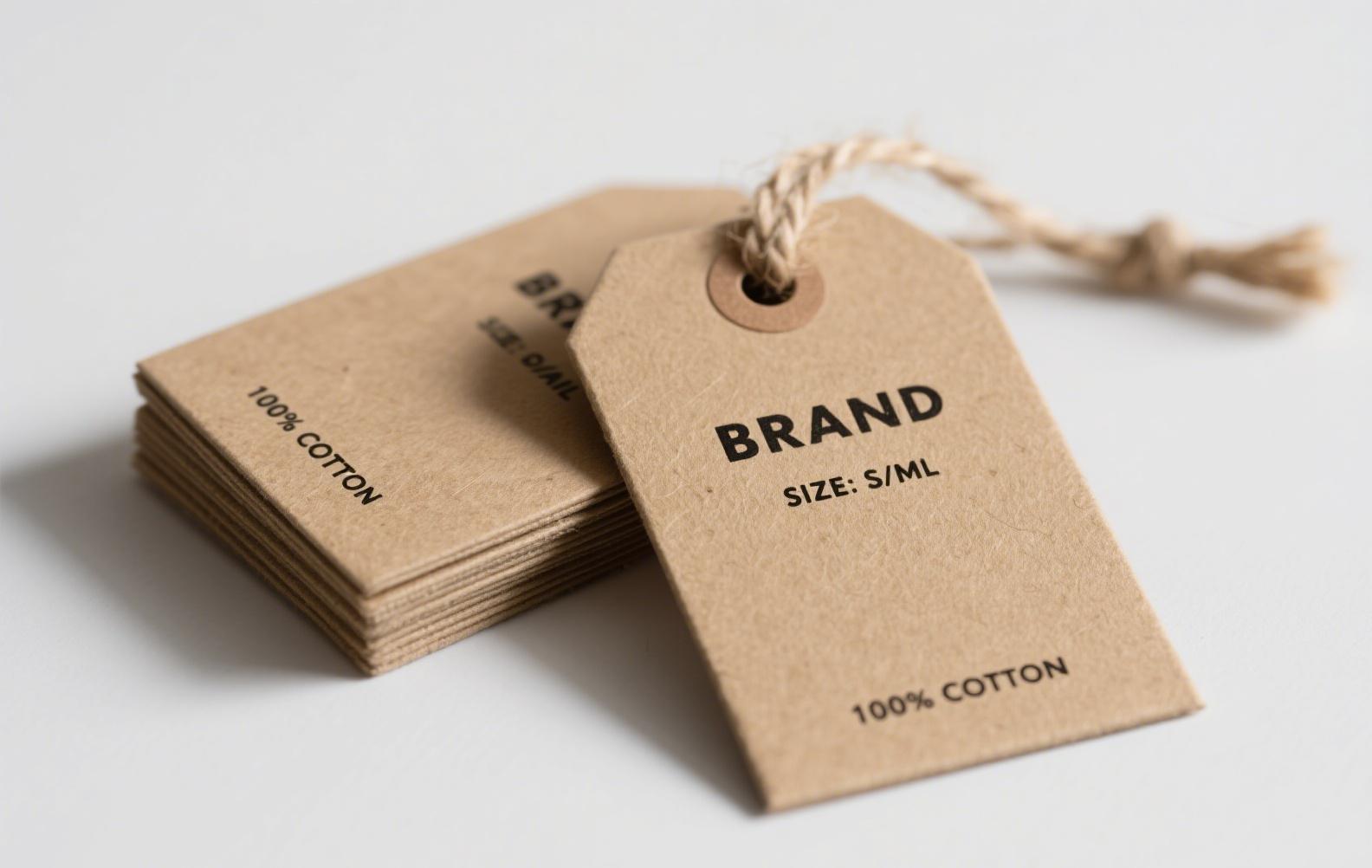
Kraft Paper: $0.03−0.07 per tag (uncoated, 120gsm)
-
Polypropylene: $0.05−0.10 per tag (water-resistant)
-
Printing: Single-color digital prints at $0.02 per tag
-
Shapes: Standard rectangles (no die-cut charges)
Case Study: DTC brand TeePublic reduced their initial hang tag costs by 78% using 100% recycled kraft tags with black-only ink, demonstrating that budget-friendly options can still make a lasting impact.

2. Premium Clothing Tags: Brand-Building Investments
For brands targeting luxury or eco-conscious markets, premium clothing tags are a necessary investment. These tags justify higher costs as they contribute to a more polished brand image and align with consumers’ increasing demand for sustainable and high-quality materials.
Material Premiums:
-
Seed Paper: $0.25−0.50 per tag (plantable post-use)
-
Organic Cotton: $0.40−0.80 per tag (GOTS-certified)
-
Special Effects:
-
Foil Stamping: +$0.15 per tag
-
Embossing: +$0.20 per tag
-
-
Sustainability Certifications: FSC/OCEANBOUND certifications add $0.10−0.30 per tag
Stat: Premium hang tags increase perceived product value by 62%, according to Nielsen Consumer Neuroscience.
3. Hidden Costs Startups Often Overlook
While budget clothing tags can provide immediate savings, startups often overlook several hidden costs that can quickly add up.
-
MOQs (Minimum Order Quantities): Custom shapes (die-cut fees: $150−500 for 5,000+ units)
-
Warehousing: Bulk clothing tags occupy 0.5-1.2m³ per 10,000 units ($20/m³ monthly)
-
Revisions: Artwork changes post-approval can cost $50−150 per hour (avoidable with tools like Canva Pro)
Pro Tip: Use hybrid hang tags – premium front/budget back – to balance cost and brand perception.
4. Break-Even Analysis: When to Upgrade
Calculating the ROI on clothing hang tags can help determine the best time to transition from budget to premium labels. Here’s a simple example:
Example:
-
Premium tags cost +$0.50 per unit
-
10% price increase on 500 units = $5,000 revenue
-
Break-even at 500 × $0.50 = $250 cost → 20:1 ROI
Data Point: Brands with a $50+ average selling price see ROI on premium hang tags at 1,200+ units, according to McKinsey Apparel Report.
5. Budget Hacks for Premium Perceptions
Startups can employ several budget-friendly hacks to give budget clothing tags a premium appearance:
-
Spot UV Varnish: Glossy accents on 5% of the tag area (+$0.07 vs. full coverage +$0.20)
-
Micro-Text: Laser-printed sustainability claims at 4pt size (no cost increase)
-
Bulk Partnerships: Co-op clothing tag orders with non-competing brands to meet MOQs
6. Future-Proofing Tag Strategies
To ensure longevity and adaptability, startups should consider future-proofing their clothing hang tags:
-
Modular Designs: Leave space for future RFID/NFC additions (avoid full redesigns)
-
Digital Twins: Include QR codes linking to premium content (cost: $0.03 per tag)
-
Lease Programs: Rent premium hang tag equipment via startups like TagHive ($99/month)
7. Startup Success Stories
Several startups have successfully navigated the complexities of clothing hang tag costs:
-
Allbirds (2016): Launched with $0.12 wool tags and upgraded to $0.45 seed paper at 10k units.
-
Fashion Nova: Used budget holographic stickers ($0.08) on basic tags to mimic luxury.
-
Patagonia Protégé: Scaled from $0.05 kraft to $1.20 recycled silk tags over 18 months.
Conclusion: Tags as Financial Leverage
In fashion startup economics, clothing hang tags are not just labels—they are fiscal tools that directly impact brand perception and profitability. While premium clothing tags elevate brand equity, strategic budget decisions help preserve runway and cash flow. As Y Combinator advises: “Spend on tags that directly acquire customers.” Let your hang tag investments reflect your growth stage’s heartbeat.
Tactile Hang Tags: Braille & Texture Innovations for Inclusive Retail
Cultural Hang Tag Trends: Regional Design Variations Analyzed