Professional Insights into Printed, Cotton, and Taffeta Garment Labels
In the garment industry, labels are more than identifiers—they are tools that communicate brand value, enhance user comfort, and ensure product traceability. Whether you produce luxury fashion, children’s wear, or large-scale apparel collections, the right label type can influence both perception and long-term performance. Among the many options available, three choices stand out for their unique benefits: Printed Name Labels, Cotton Brand Label, and Taffeta Garment Labels.
Printed Name Labels: Practical and Adaptable
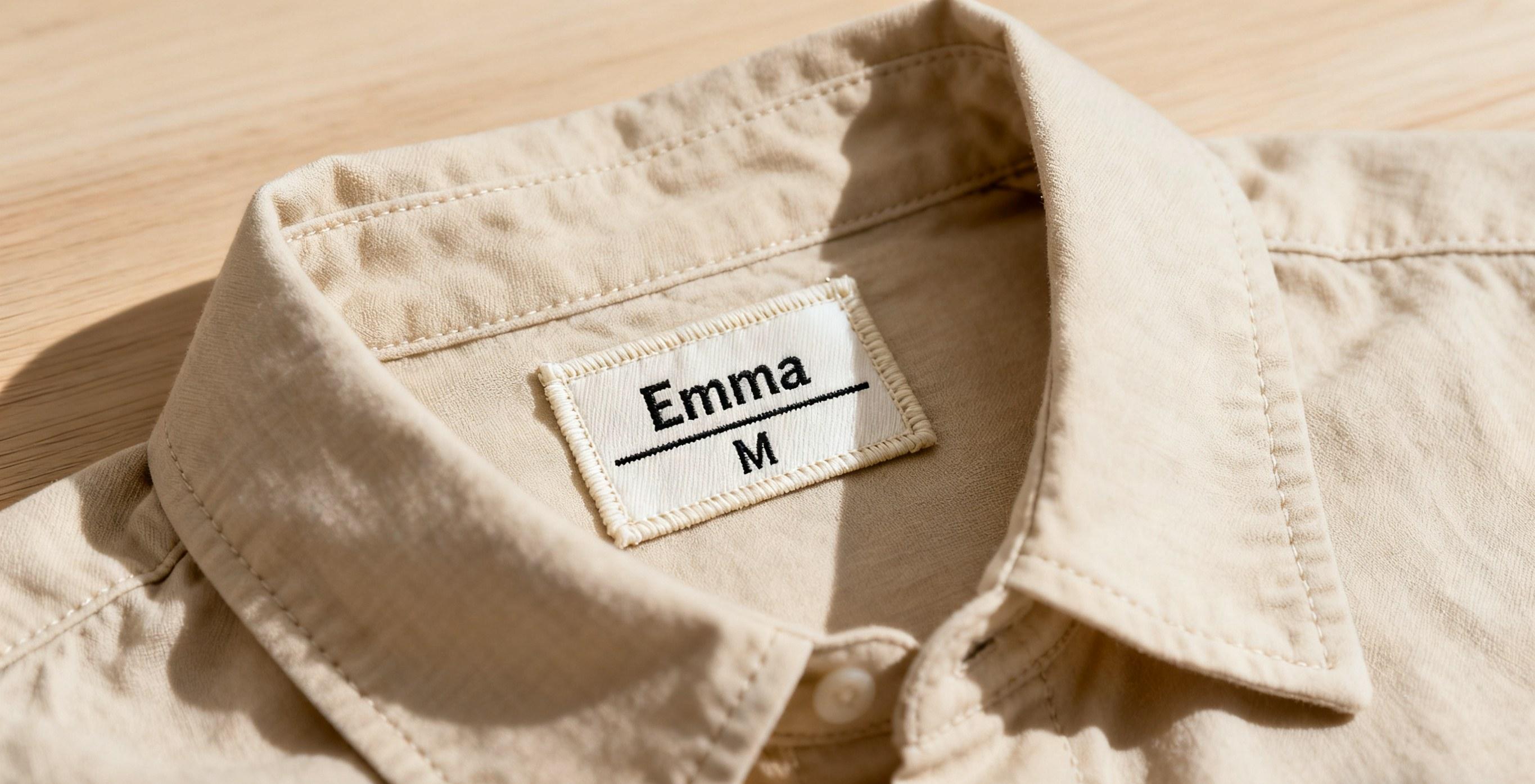
For brands seeking quick turnaround and flexible customization, Printed Name Labels are one of the most efficient options. These labels use printing technologies such as screen printing or thermal transfer to apply brand names, care instructions, or custom messages onto fabric.
They are widely used in uniforms, schoolwear, and promotional clothing because they allow rapid adjustments in design and batch size. The main advantage lies in cost-effectiveness, especially for businesses managing frequent product variations. However, printed labels may experience fading after repeated washes, which makes them best suited for short-to-medium lifecycle garments.
For companies balancing budget and creativity, printed name labels offer an excellent entry-level solution. To explore more flexible alternatives, check our custom clothing labels.

Cotton Brand Labels: Natural and Consumer-Friendly
The Cotton Brand Label appeals to eco-conscious customers and brands committed to sustainable practices. Cotton, as a natural fiber, brings softness, breathability, and skin-friendliness. These labels are particularly valued in baby clothing, organic apparel, and lifestyle brands that emphasize comfort and environmental responsibility.
From a brand perspective, cotton labels communicate authenticity and care. They align well with narratives of sustainability and health, which are increasingly important in consumer decision-making. While cotton is generally more costly than synthetic label materials, the long-term value lies in customer loyalty and stronger brand storytelling.
Integrating cotton brand labels into product lines not only enhances user comfort but also reinforces eco-brand identity. Learn more about how to design your own fabric labels.

Taffeta Garment Labels: Reliable and Cost-Efficient
When production scale is the priority, Taffeta Garment Labels remain a trusted choice across the apparel industry. Taffeta, made from polyester fibers, is lightweight yet durable. It allows crisp text printing, making it ideal for care instructions, washing symbols, and brand details.
These labels are highly resistant to wear and tear, which makes them a staple in fast fashion, workwear, and mass-market apparel. The texture is less soft compared to cotton, but the affordability and reliability make taffeta one of the most widely adopted label materials worldwide.
For manufacturers, the clear advantage of taffeta garment labels is scalability. They balance durability with cost savings, ensuring consistency across large production runs. For further options, visit our garment label solutions.

Making the Right Labeling Choice
Choosing between Printed Name Labels, Cotton Brand Labels, and Taffeta Garment Labels depends on your target market and production goals:
-
Printed Name Labels → Best for flexibility, short-term wear, and cost-sensitive projects.
-
Cotton Brand Labels → Ideal for sustainable, comfort-focused brands targeting premium or eco-conscious customers.
-
Taffeta Garment Labels → Perfect for high-volume, durable, and cost-efficient production.
For industry professionals, the label decision is strategic. The right label not only delivers product information but also shapes consumer trust and brand recognition. Selecting the right material ensures your garments meet both practical requirements and branding objectives.
The Evolving Role of Brand Labels in Fashion
Choosing Smart Labeling Solutions: Heat Transfer, Laser Cut, and Satin Fabric Labels