Recycled Neck Woven Labels: Certifications & Cost Analysis

Recycled neck woven labels are transforming the fashion industry. They offer a sustainable alternative to traditional labeling methods. These labels are crafted from post-consumer or post-industrial waste, reducing environmental impact.
Certifications like GRS and OEKO-TEX ensure the authenticity and safety of these materials. They are crucial for brands committed to sustainability. Understanding these certifications is key for businesses aiming to enhance their eco-friendly credentials.
The cost of recycled neck woven labels varies. Factors such as material quality, order volume, and customization needs influence pricing. Despite potential higher initial costs, the long-term benefits are significant.
Customization options abound with recycled labels. Brands can choose colors, sizes, and designs that align with their identity. This flexibility supports cohesive sustainable branding.
The demand for sustainable fashion is growing. Recycled neck woven labels align with consumer values, enhancing brand image. They are a vital component of a broader strategy to achieve sustainability goals.
What Are Recycled Neck Woven Labels?
Recycled neck woven labels are made from waste materials. They give a second life to items like plastic bottles and textile scraps. This recycling process helps reduce landfill waste and promotes a circular economy.
The production of these labels involves several steps. Sorting, cleaning, and reprocessing waste materials are the foundation. New fibers are created, which are then woven into labels.
Key characteristics of recycled neck woven labels include:
- Durable and long-lasting
- Environmentally friendly
- Available in various custom designs
These labels support sustainable fashion by providing eco-friendly branding solutions. By using waste as a resource, they present a responsible choice for businesses.
Their integration into products communicates commitment to sustainability. This not only enhances brand appeal but also aligns with modern consumer expectations for eco-conscious practices.
Key Certifications for Recycled Neck Woven Labels
Certifications are crucial for verifying the authenticity and safety of recycled neck woven labels. They ensure that the materials used meet specific environmental and quality standards.
Without certification, it can be challenging to determine if a product truly adheres to eco-friendly practices.
Two of the most respected certifications in this arena are the Global Recycled Standard (GRS) and OEKO-TEX. GRS verifies the recycled content and chain of custody, while OEKO-TEX ensures that the materials used are free from harmful substances.
Brands benefit from these certifications by enhancing their credibility. Certified products resonate more with consumers who prioritize sustainability. Additionally, certification helps in differentiating genuine eco-friendly products from "greenwashed" alternatives.
Key certifications for recycled neck woven labels include:
- Global Recycled Standard (GRS)
- OEKO-TEX Standard
- USDA Organic for natural fibers
By choosing certified recycled labels, brands can confidently market their commitment to the environment.
These certifications not only uphold industry standards but also foster trust and transparency. Collaboration with certified suppliers is fundamental, ensuring compliance with global best practices.
This process solidifies a brand's dedication to sustainability, appealing to eco-conscious consumers.
Cost Analysis: Factors Influencing Pricing
Understanding the costs associated with recycled neck woven labels involves numerous considerations. Unlike conventional labels, their production demands more processing due to the use of recycled materials. This complexity can sometimes lead to higher initial costs.
The quality of material plays a significant role in pricing. High-quality recycled fibers are often more expensive but ensure durability and aesthetics. Additionally, order volume dramatically impacts cost. Bulk orders typically offer better unit pricing compared to smaller quantities.Customization introduces another layer of cost variables. Brands opting for unique designs or colors in their woven size labels or custom woven labels may face increased expenses. Each customization choice requires additional setup and production resources.
Key factors affecting pricing include:
- Quality of recycled materials
- Order volume and batch size
- Level of customization

Nevertheless, investing in recycled neck woven labels offers long-term benefits. Despite the higher upfront costs, brands often enjoy reduced environmental footprint and enhanced brand image. Over time, consumer demand for sustainable fashion can offset these initial expenses through increased sales and customer loyalty. Transitioning to eco-friendly labels can be both a strategic and ethical investment for fashion businesses aiming for sustainability.
Customization Options: Woven Size Labels and Custom Woven Label Solutions
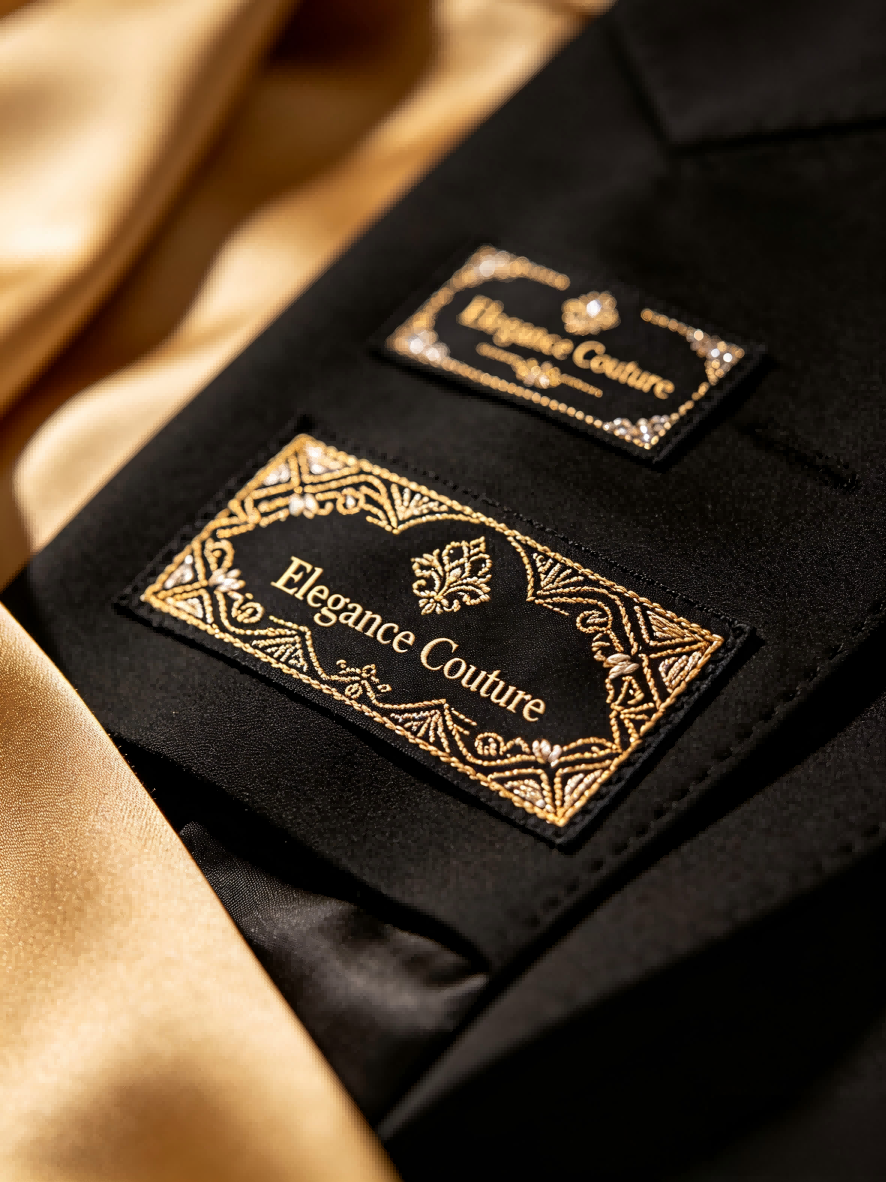
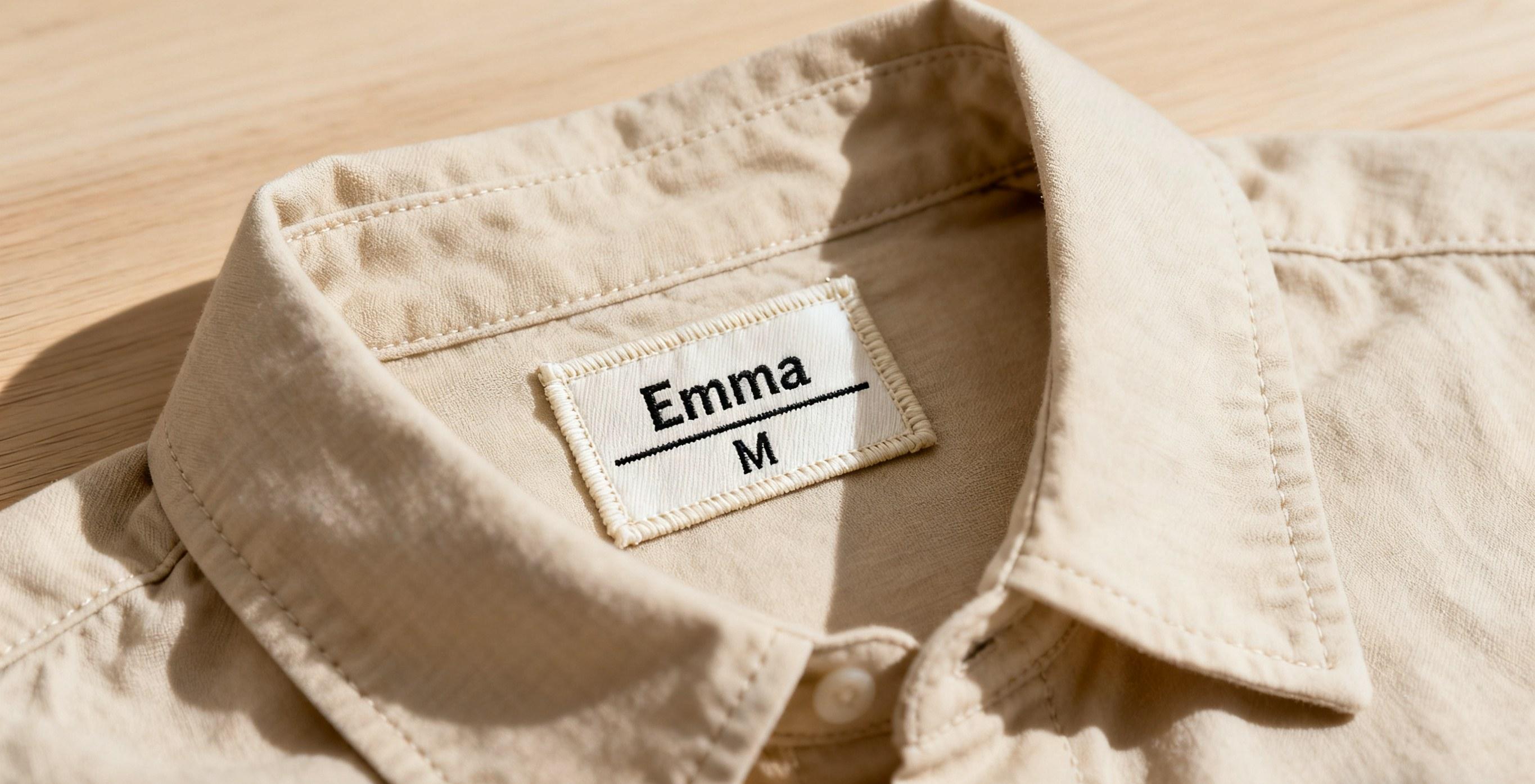
Customization is a pivotal aspect of neck woven labels. Woven size labels and custom woven labels offer various personalization options. Companies can infuse their identity into these labels through unique designs, colors, and sizes.
Recycled neck woven labels maintain flexibility in design. Brands can choose from a palette of colors and intricate designs. These options allow businesses to integrate logos and specific brand elements. This versatility ensures that the labels not only meet branding needs but also communicate a commitment to sustainability.
Consider the diverse customization options available:
- Multiple color selections
- Various label sizes
- Unique logo integration
- High-definition woven details

Embracing recycled materials does not compromise quality or design. It enhances brand storytelling, connecting with consumers who value eco-friendliness. As sustainable fashion trends rise, investing in uniquely customized, eco-friendly labels becomes an essential strategy for modern fashion brands.
Benefits of Using Recycled Neck Woven Labels in Sustainable Fashion
Recycled neck woven labels present significant advantages for sustainable fashion. They reduce environmental impact by reusing waste materials, a necessity in today's eco-conscious market. Fashion brands increasingly prioritize these labels to align with consumers' values.
Not only do they enhance brand image, but they also strengthen brand loyalty. When customers see brands adopting eco-friendly practices, they feel more connected. The label choice resonates with their personal commitment to sustainability.
Consider the benefits that these labels bring:
- Reduced resource consumption
- Enhanced brand image
- Increased consumer trust
- Positive environmental impact

Adopting recycled woven labels can also be a marketing advantage. They distinguish brands in a competitive market focused on sustainability. By choosing recycled options, brands can not only reduce their carbon footprint but also inspire positive consumer relationships.
How to Choose a Certified Supplier
Finding the right certified supplier for recycled neck woven labels is crucial. A certified supplier offers assurance of compliance with recognized standards. This ensures your labels are authentically recycled and safe.
Start by verifying the supplier's certifications. Look for recognized certifications like GRS and OEKO-TEX. These validate the sustainable qualities of their materials.
Consider these key factors when selecting your supplier:
- Certification authenticity
- Past client reviews
- Pricing and customization options
- Supplier's commitment to sustainability
Communicate openly with potential suppliers to understand their offerings. A transparent relationship supports a successful partnership. This approach not only guarantees product quality but also aligns with your sustainability goals.
Conclusion: Making the Switch to Eco-Friendly Neck Woven Labels
Switching to eco-friendly neck woven labels presents a golden opportunity for brands. It aligns with consumer values on sustainability, enhancing brand reputation in the process. The shift towards recycled labels is no longer optional—it's becoming essential.
Adopting recycled materials requires careful consideration of costs and certifications. Although the initial investment might be higher, the long-term advantages are undeniable. By embracing recycled labels, your brand can contribute to a more sustainable fashion industry and foster loyalty among eco-conscious consumers. This transition is a step toward a responsible and innovative future in garment labeling.
Neck Woven Label Folding Techniques: Luxury vs Comfort Styles
Eco-Friendly Garment Labels: Plant-Based vs Recycled Materials Compared