How Silk, Plastic, and Heat Transfer Garment Labels Strengthen Brand Identity
In today’s apparel industry, a clothing label is more than a functional accessory. It is a communication tool that conveys brand values, enhances customer experience, and strengthens long-term recognition. Fashion brands, sportswear companies, and luxury designers all rely on garment labels to create an emotional connection between product and consumer.
The choice of Silk Garment Labels, Plastic Garment Labels, and Heat Transfer Garment Labels reflects not only aesthetics but also functionality. Each label type serves a specific purpose, addressing the demands of diverse market segments. Selecting the right label solution can elevate product presentation and reinforce brand positioning.
Silk Garment Labels: Timeless Luxury
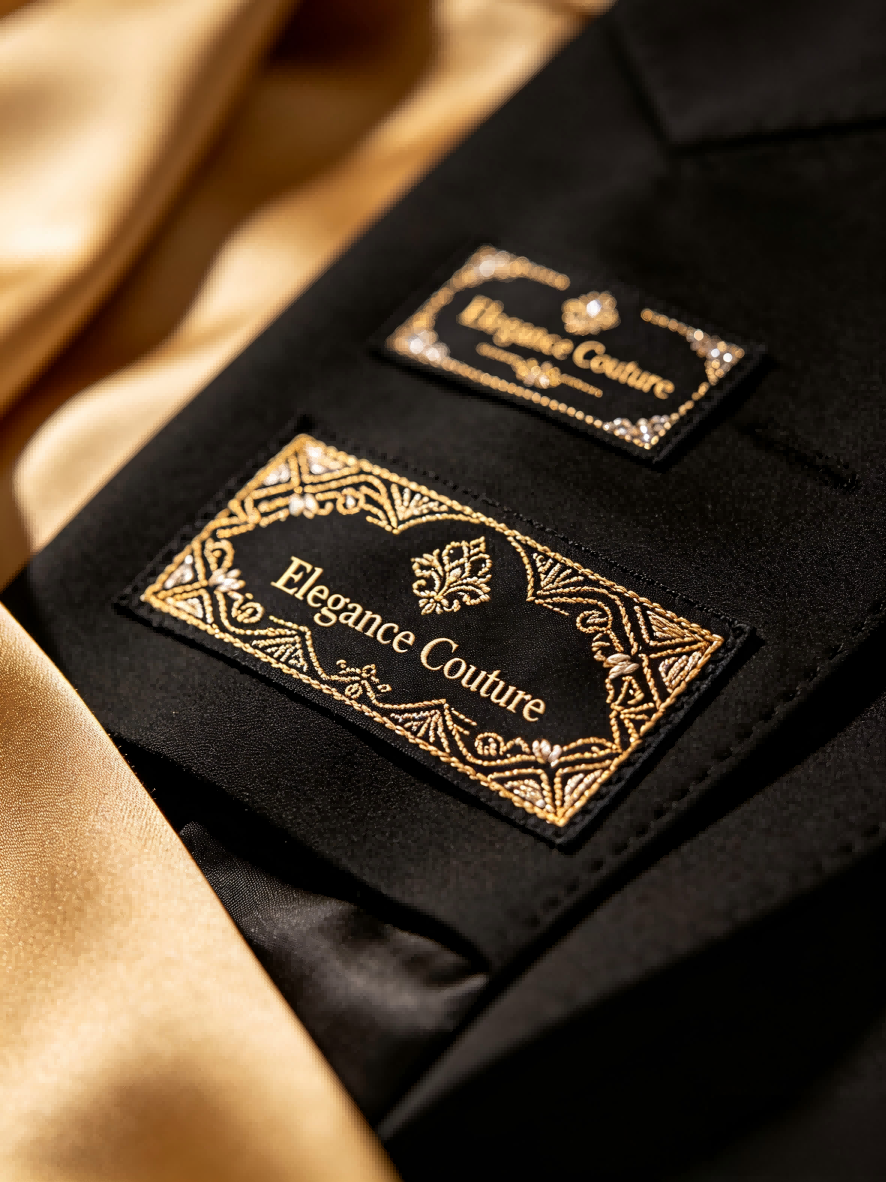
Silk Garment Labels represent refinement and sophistication. Their smooth, glossy texture makes them ideal for premium garments such as luxury dresses, designer suits, and bridal wear.
For brands, silk labels communicate exclusivity and attention to detail. Customers who purchase high-end fashion expect a seamless experience—from fabric quality to labeling. A silk label conveys prestige and ensures the product feels as premium on the inside as it looks on the outside.

Customer Value: Silk labels enhance tactile comfort and elevate perceived product value. They are the perfect choice for companies that prioritize elegance and timeless brand identity.
Plastic Garment Labels: Strength and Durability
Plastic Garment Labels bring a different value to the apparel and accessories market. Known for their durability, waterproof qualities, and versatility, they are widely used in sportswear, footwear, and outdoor gear.
These labels often feature embossed or molded designs, adding dimension and resilience. Plastic labels can withstand exposure to rough environments, making them a favorite for activewear brands and outdoor equipment manufacturers.

Customer Value: Plastic labels reflect functionality, resilience, and reliability. They help brands emphasize long-lasting product quality, aligning with consumer expectations for performance-driven fashion.
Heat Transfer Garment Labels: Comfort Without Compromise
Heat Transfer Garment Labels represent innovation in the labeling industry. Instead of being sewn, they are directly transferred onto the fabric surface, creating a smooth, tagless finish.
These labels are particularly popular in sportswear, lingerie, and children’s wear, where comfort is essential. By eliminating irritation caused by traditional sewn-in labels, heat transfer technology enhances the overall wearing experience.

Customer Value: Heat transfer labels are invisible in wear yet deliver vital information such as care instructions or size. For performance apparel, this balance of comfort and functionality is critical.
Balancing Aesthetics and Functionality
When comparing Silk, Plastic, and Heat Transfer Garment Labels, the differences highlight how labels support various business strategies:
-
Silk Garment Labels enhance exclusivity and luxury positioning.
-
Plastic Garment Labels emphasize resilience and brand durability.
-
Heat Transfer Garment Labels deliver comfort and modern minimalism.
Apparel manufacturers should align label choices with their customer base. For example, a high-fashion brand may prefer silk labels to reinforce luxury, while an outdoor brand may prioritize plastic labels for durability. Sportswear and underwear manufacturers, on the other hand, gain competitive advantage with heat transfer labels.
Beyond Labels: Building Brand Trust
Investing in the right garment label is not just about cost or production efficiency—it’s about trust. Labels communicate care, authenticity, and long-term reliability. They provide consumers with vital details, from washing instructions to brand identity, and strengthen the connection between brand story and product quality.
To explore more tailored solutions, brands can visit our garment label solutions page to discover materials, finishes, and custom design services aligned with industry needs.
Conclusion
From the elegance of Silk Garment Labels to the resilience of Plastic Garment Labels and the comfort of Heat Transfer Garment Labels, each label plays a crucial role in shaping consumer perception.
Brands that strategically select label types based on their market segment gain more than functional benefits—they gain lasting brand recognition. In a competitive market, garment labels are not just accessories but vital storytelling tools that define customer experience.
Choosing the Right Garment and Footwear Labels for Brand Recognition
Elevating Fashion Branding with Luxury and Creative Label Tags