Tactile Hang Tags: Braille & Texture Innovations for Inclusive Retail
With inclusivity becoming a core focus in the retail world, brands are exploring innovative ways to make their products accessible to everyone. One such innovation is the use of tactile hang tags that incorporate Braille and other textural elements. These sensory cues enhance the shopping experience for individuals with visual impairments, creating a more inclusive retail environment. Let’s explore how tactile hang tags are revolutionizing accessibility in retail and why they are essential for brands aiming for inclusivity.
1. What Are Tactile Hang Tags?
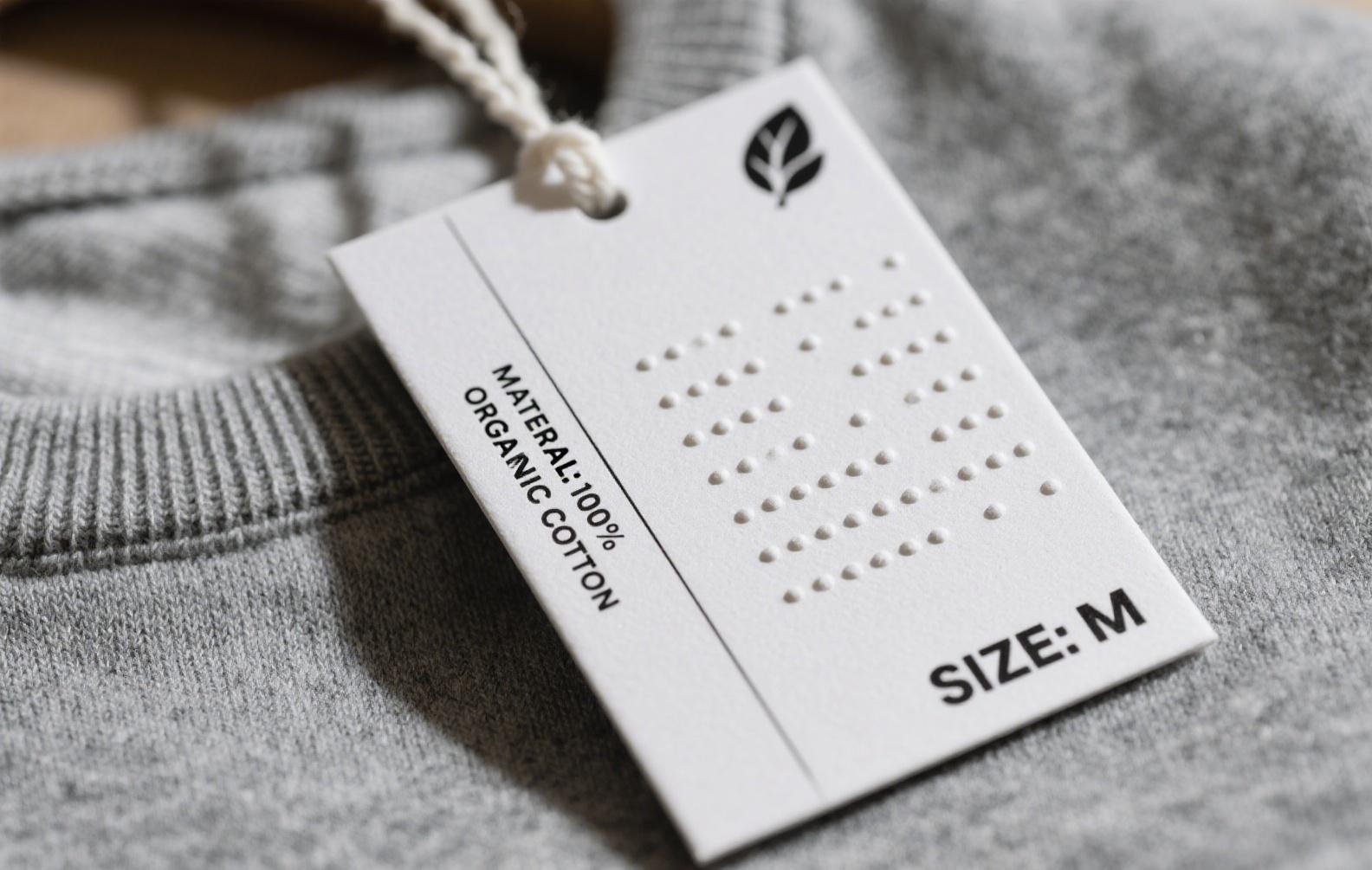
Tactile hang tags are physical labels that use texture, Braille, or embossed elements to convey information. Unlike traditional hang tags, these are designed to be interactive and usable by individuals with varying levels of vision or touch perception. This ensures that every customer, regardless of ability, can access essential product details like sizing, fabric, and care instructions.
Brands are increasingly recognizing the importance of inclusivity, and tactile hang tags offer a simple yet effective solution. Incorporating Braille or raised textures makes these labels functional and accessible, empowering all shoppers to make informed decisions.
2. Braille and Texture Innovations in Hang Tags
2.1 Braille Integration for Accessibility
The integration of Braille into tactile hang tags enables individuals with visual impairments to access important information independently. Braille is typically embossed on the label, making it readable to the touch. This innovation is part of a broader movement to create more accessible retail environments.
-
Key Benefits:
-
Independent Shopping: Consumers can independently navigate product details.
-
Enhanced Inclusivity: Offers equal access to shopping information.
-
Legal Compliance: Meeting accessibility requirements in many regions.
-
2.2 Raised Textures and Patterns
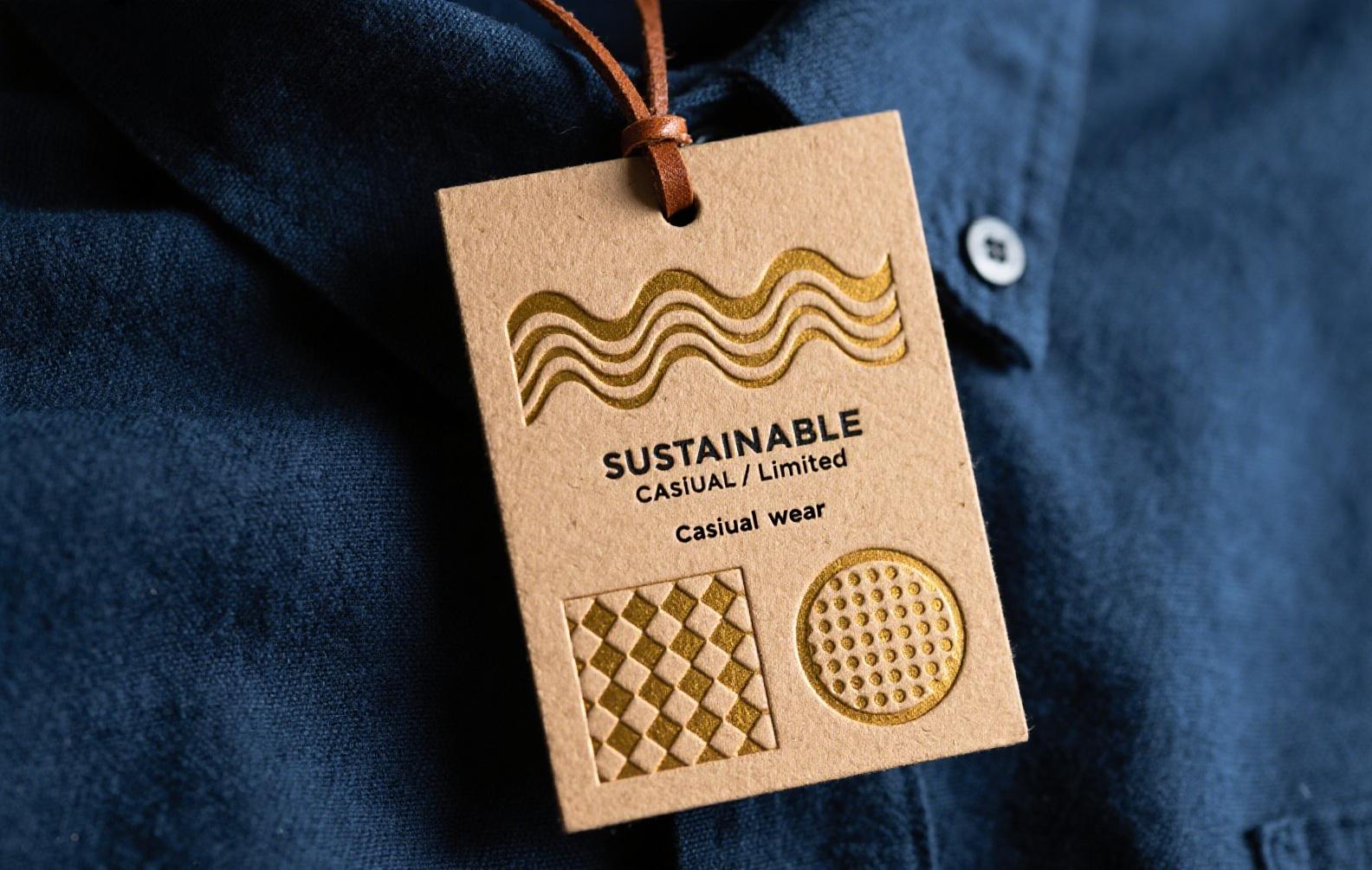
In addition to Braille, other textural elements such as raised patterns, dots, or waves can be added to hang tags to provide sensory cues. For instance, different textures can differentiate product categories, making it easier for individuals with low vision to identify products by touch.
-
Types of Textures:
-
Embossed Patterns: Raised logos or symbols to identify brands.
-
Textured Dots: Indicating size or fabric type.
-
Grooved Lines: Differentiating product ranges or categories.
-
3. Environmental and Sustainable Considerations
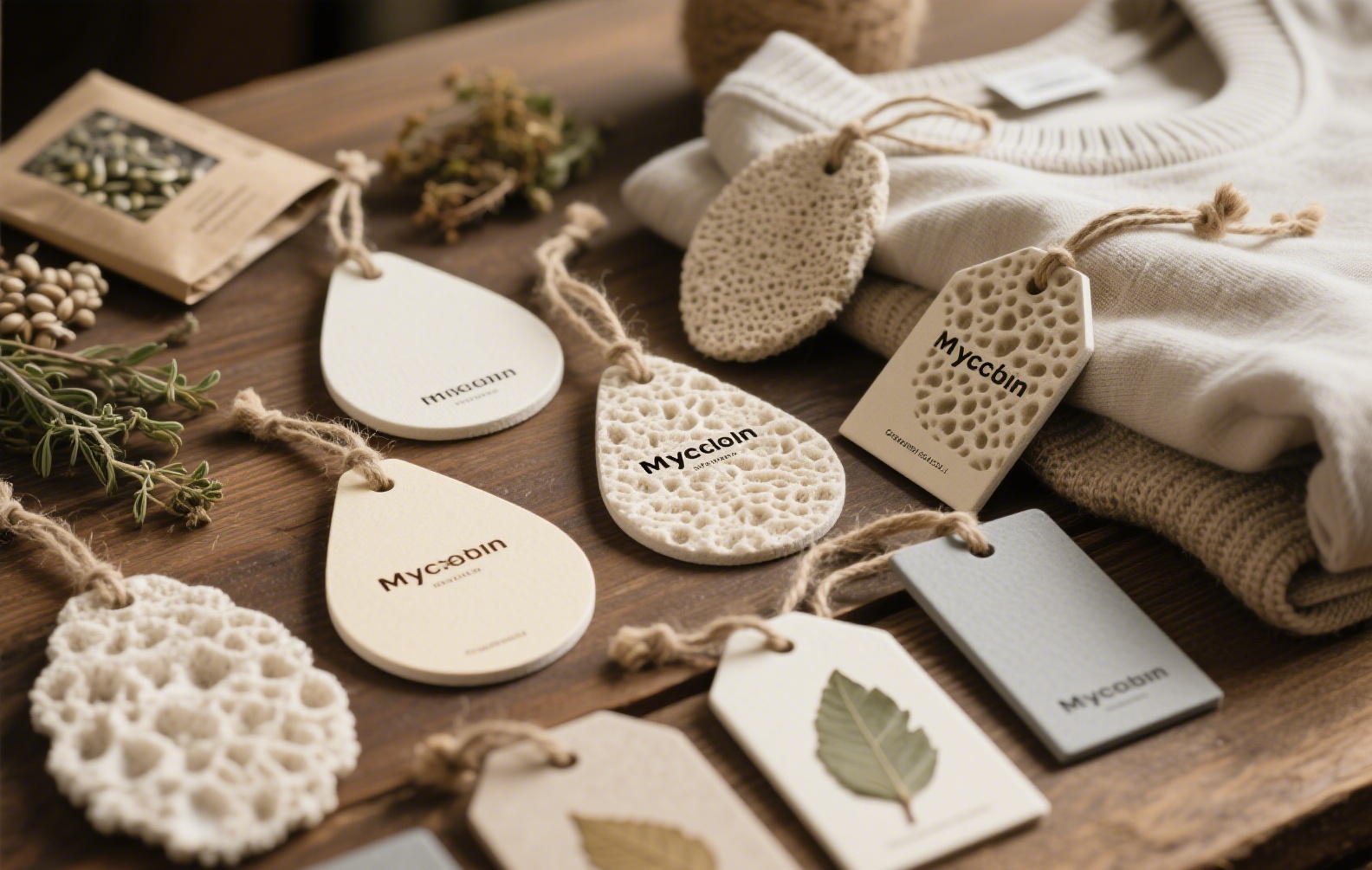
While tactile hang tags offer incredible accessibility benefits, brands also consider sustainability in their production. Using biodegradable materials, such as recycled paper or eco-friendly plastics, ensures that tactile hang tags align with sustainable retail practices.
-
Sustainable Materials:
-
Recycled Paper: Reduces environmental impact.
-
Biodegradable Plastics: Offers a green alternative to traditional plastic.
-
Eco-Inks: Used for Braille embossing and printing.
-
This combination of accessibility and sustainability makes tactile hang tags an ideal solution for forward-thinking brands committed to inclusivity and eco-friendliness.

4. Consumer Response and Market Impact
The introduction of tactile hang tags has been met with positive feedback from consumers, especially those who have previously struggled with navigating traditional product labels. According to a 2023 study by the National Federation of the Blind, 83% of individuals with visual impairments feel more valued and respected when brands offer accessible product information.
Case Study: Target’s Braille Tags
Target has embraced tactile hang tags with Braille for their clothing line, and the initiative has been praised for its impact on consumer satisfaction. The company has reported a significant increase in positive feedback and customer loyalty since implementing these changes.
5. SEO Benefits and Keyword Integration
Incorporating tactile hang tags that use Braille and textures also enhances a brand’s SEO strategy. As consumers become more aware of accessibility needs, incorporating Braille or textured labels into your branding could improve organic search visibility. Using keywords such as “inclusive retail,” “Braille hang tags,” and “tactile labels for clothing” can ensure that your brand stands out in search results for inclusive retail solutions.
6. Future of Tactile Hang Tags: Innovation and Growth
The future of tactile hang tags is bright, with potential advancements including digital interaction. Integrating NFC technology into tactile hang tags allows users to scan tags with smartphones for additional product information in multiple languages, including audio descriptions.
-
Future Innovations:
-
Digital Interaction: NFC-enabled tags for instant access to product details.
-
Multi-Sensory Tags: Combining touch, sound, and visual elements.
-
Smart Labels: Tracking product journey from production to sale, accessible via
 touch.
-
 touch.
As technology evolves, tactile hang tags will likely become a standard feature in accessible retail, offering consumers a complete sensory experience and ensuring that inclusivity is at the heart of shopping.
Conclusion: Embracing Inclusivity Through Tactile Hang Tags
Tactile hang tags are more than just labels—they are a step towards a more inclusive, accessible retail environment. By incorporating Braille, raised textures, and sustainable materials, brands can ensure that all customers have equal access to product information. This innovation not only benefits consumers but also helps brands align with social responsibility goals and meet legal requirements for accessibility.
Brands that embrace tactile hang tags are setting a new standard for inclusive retail—one where all shoppers, regardless of ability, are empowered to make informed choices.
The Future of Sustainable Fashion: Mycelium Clothing Hang
Clothing Hang Tags for Fashion Startups: Balancing Cost and Branding