Custom Sewn Tag: Power of Clothing Labels for Brand Identity
1. Redefining the Purpose of Clothes Labels in Modern Fashion
In today’s fashion market, clothes labels are more than simple tags. They represent a brand’s identity, craftsmanship, and promise of quality. Whether attached to a luxury coat or handmade apparel, a well-designed label communicates professionalism and authenticity before the customer even tries the garment on.
Modern brands are rethinking how fabric labels and custom sewing labels can enhance consumer trust. Labels now function as storytelling tools—showcasing material origins, sustainable practices, or brand heritage. They have evolved from being accessories into essential elements of a cohesive brand strategy.

2. Custom Sewing Labels: A Signature for Small and Creative Brands
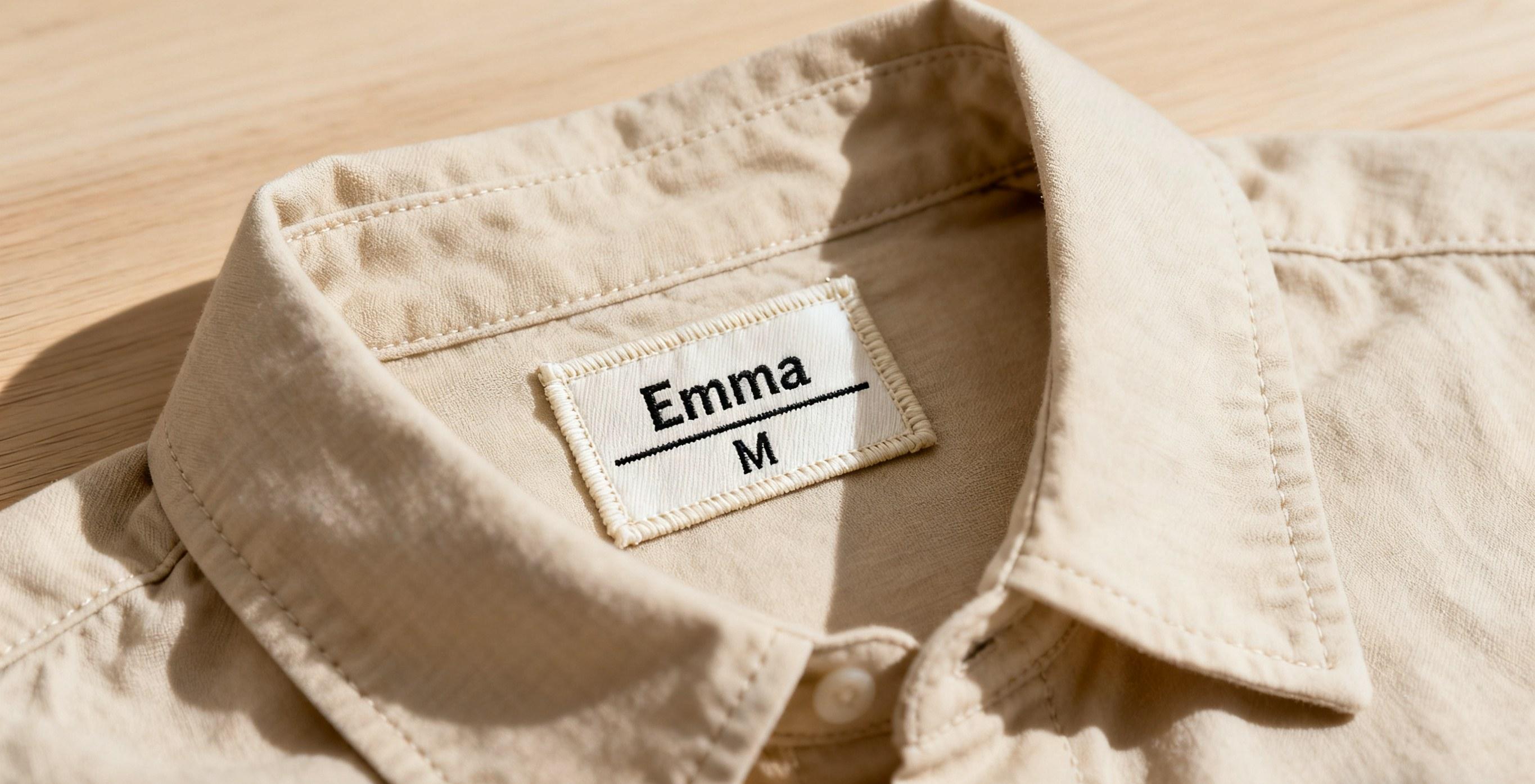
For emerging designers, custom sewing labels are key to personalizing their garments. These labels allow small-scale brands and handmade clothing creators to design unique identifiers that reflect their creative vision.
Made from durable materials like cotton twill or satin, custom sewing labels offer flexibility in both size and style. They can be produced in small batches—ideal for independent designers, boutique fashion houses, or Etsy sellers seeking a professional finish.
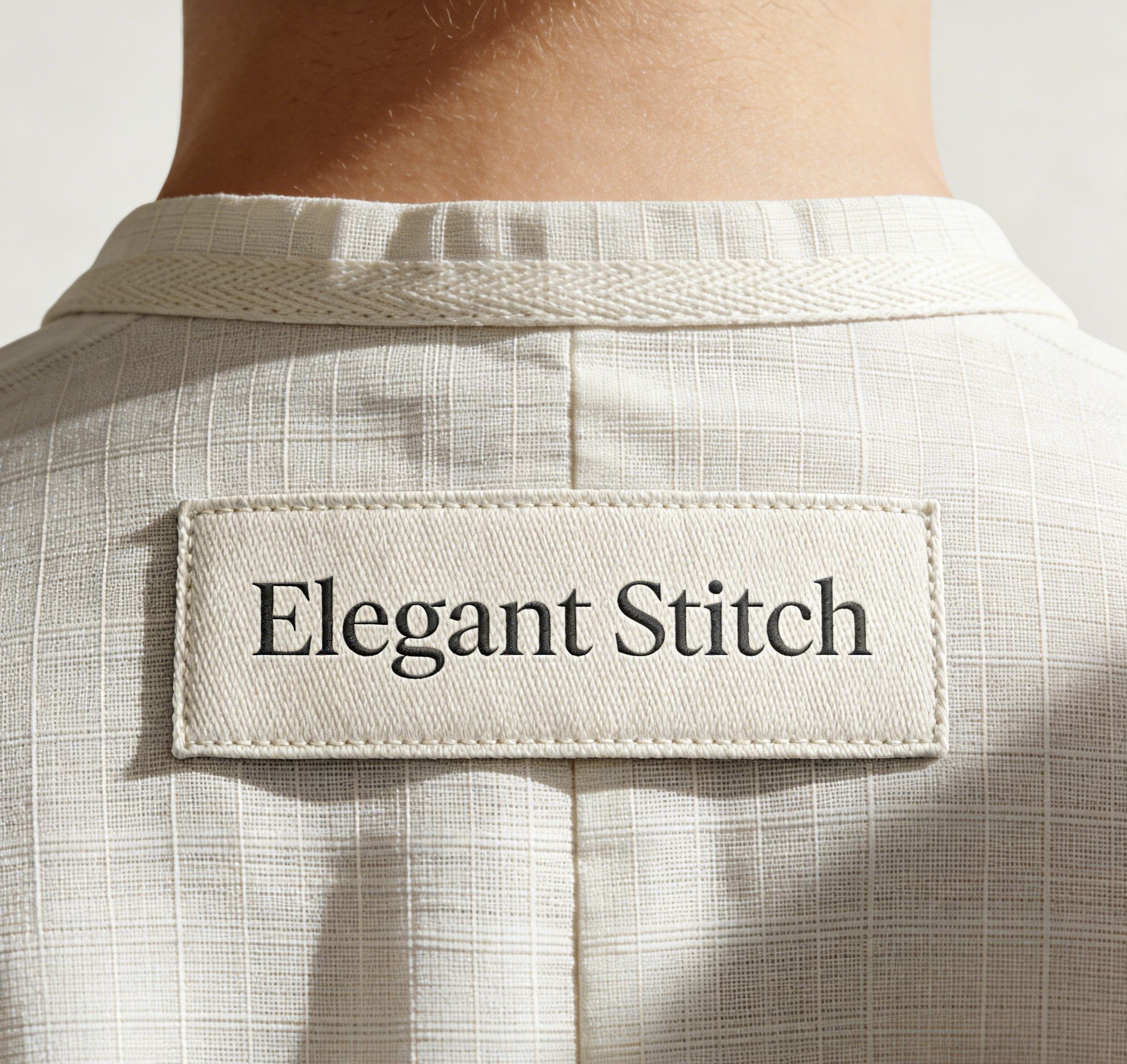
Beyond practicality, these labels serve as silent brand ambassadors. When sewn neatly into each product, they convey care, originality, and commitment to craftsmanship.

3. Fabric Labels: Durability Meets Aesthetic Appeal
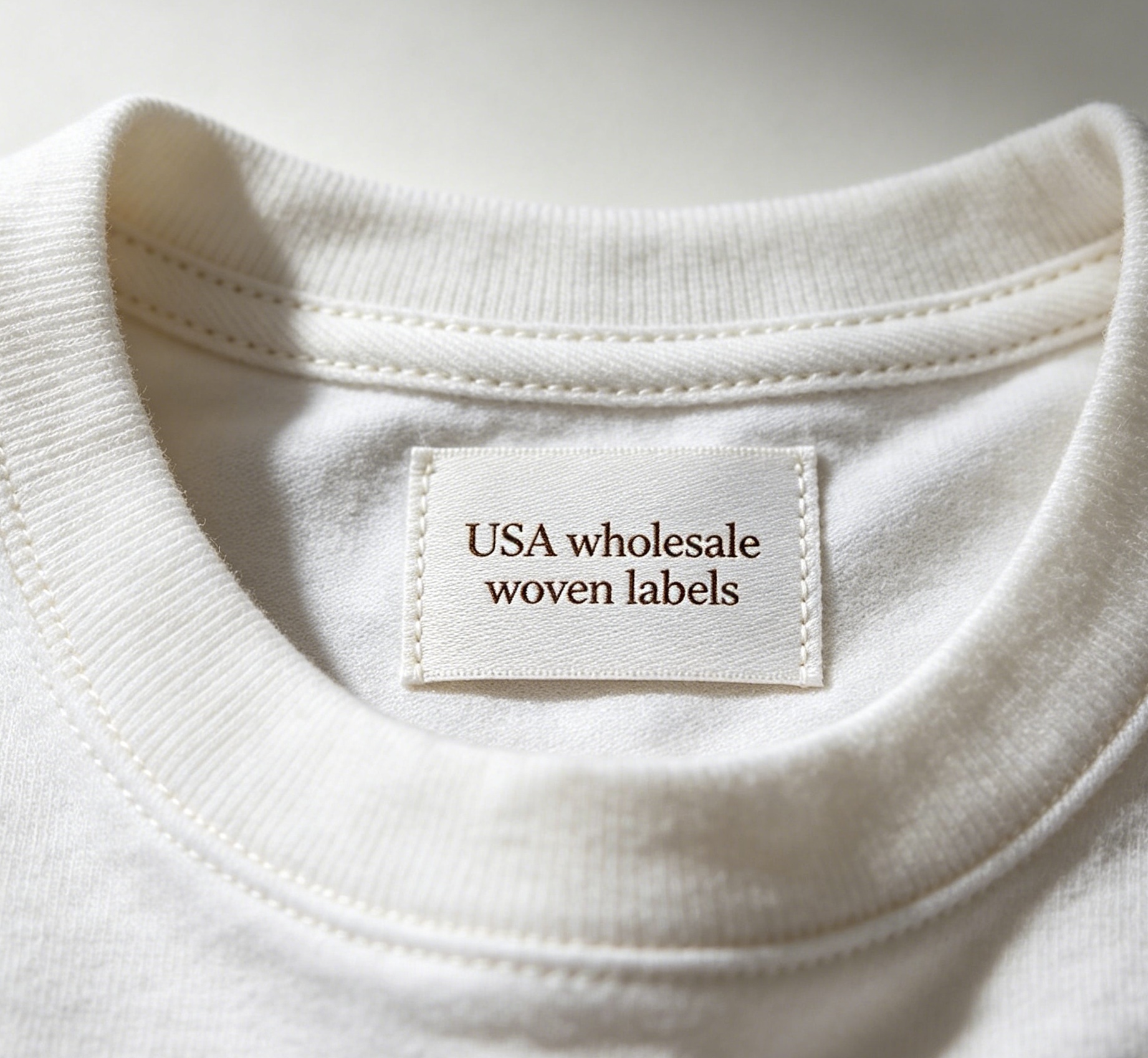
Fabric labels combine texture, functionality, and aesthetics. Depending on the material—cotton, polyester, or satin—they can be soft to the touch or firm enough for industrial use. High-end brands prefer woven or printed fabric labels for their durability and clean finish.
The versatility of fabric labels allows for both printed graphics and fine woven designs. For instance, satin fabric labels are popular for luxury garments due to their smooth surface, while woven labels are valued for their longevity.
Furthermore, fabric labels can integrate eco-friendly materials such as organic cotton or recycled polyester, aligning with the fashion industry’s sustainability goals. This sustainable shift not only enhances brand reputation but also meets consumer demand for responsible manufacturing.

4. Clothes Labels as Brand Storytellers
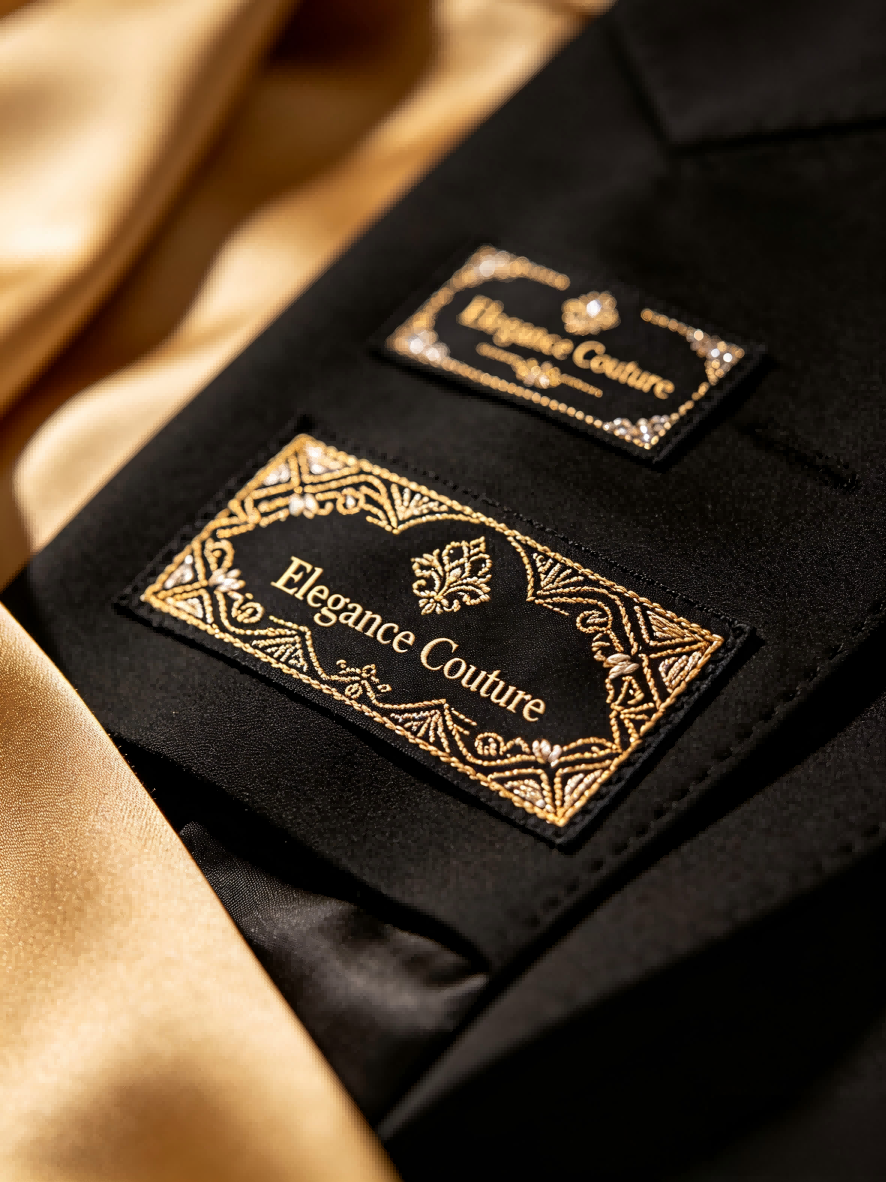
Every detail in clothes labels contributes to a brand’s story—color palette, typography, and even stitching placement. Premium brands often use woven labels with metallic threads or embossed logos to signify exclusivity. For casualwear, simple printed cotton labels convey comfort and authenticity.
Choosing the right label type ensures design harmony across a brand’s entire product range. A consistent label design—from the neck label to the care tag—strengthens visual recognition and enhances customer loyalty.
For example, a brand that produces outdoor wear might choose heavy-duty woven labels for durability, while a minimalist lifestyle brand could prefer subtle printed fabric labels with understated fonts. The label’s texture and design should always align with the brand’s tone and market positioning.
5. Compliance and Care: Functionality Beyond Branding
While labels play a key role in branding, they also serve critical compliance purposes. Each clothes label must include accurate information about materials, country of origin, and care instructions. Non-compliance with textile labeling standards can lead to costly recalls or reputational damage.
Integrating fabric labels with care details helps brands maintain transparency. Some advanced manufacturers now include QR codes on wash tags, linking to digital guides and aftercare videos. This innovation improves consumer experience and builds trust through accessibility.
Additionally, using durable woven or printed care labels ensures that washing symbols remain legible even after multiple cycles—reinforcing a brand’s attention to detail.
6. Partnering with the Right Label Supplier
Selecting a professional label supplier is essential for consistency and quality. A trusted partner can guide brands through custom sewing label design, material selection, and production optimization. They can also provide sustainable solutions without compromising durability or visual appeal.
Look for suppliers who offer:
-
Low MOQ (minimum order quantity) options for small brands
-
Eco-friendly materials for sustainable fashion
-
Advanced weaving and printing technology for detailed artwork
7. Conclusion: Every Stitch Tells a Story
In the apparel world, labels are not just identifiers—they are storytellers. From custom sewing labels that define craftsmanship to fabric labels that balance beauty and function, each label enhances the connection between brand and consumer.
As competition intensifies in the fashion industry, the details make the difference. A thoughtfully designed clothes label communicates brand value, quality, and creativity in one small but powerful element.
Custom Woven & Laundry Labels: Build Stronger Brand Identity
From Craft to Precision: Evolution of Woven Label Production