Unveiling the Core Value of Clothing Labels: From Sew - on Labels to Custom Solutions
In the intricate web of the clothing industry's supply chain, clothing labels, often overlooked as mere trifles, hold an irreplaceable significance. Acting as the "identity card" of garments, they clearly display crucial details such as fabric composition, size, and washing instructions, safeguarding consumers' right to know. Moreover, they serve as a vital communication bridge between brands and consumers, carrying brand visual symbols and value concepts, thus playing a pivotal role in enhancing brand recognition. Whether it's the delicate neck label of high - end fashion or the practical wash label of fast - fashion items, the texture, design, and craftsmanship of labels subtly influence consumers' perception of garment quality.
This article will zero in on three core categories of clothing labels: clothing labels sew on, fabric labels, and custom sewing labels. By delving deep into their characteristics, application scenarios, and customization logics, it aims to offer practical insights for industry practitioners, including clothing brand owners, manufacturers, and designer studios. This will enable them to select or customize clothing labels that better suit their business scenarios.
Clothing Labels Sew On: Balancing Durability and Compatibility
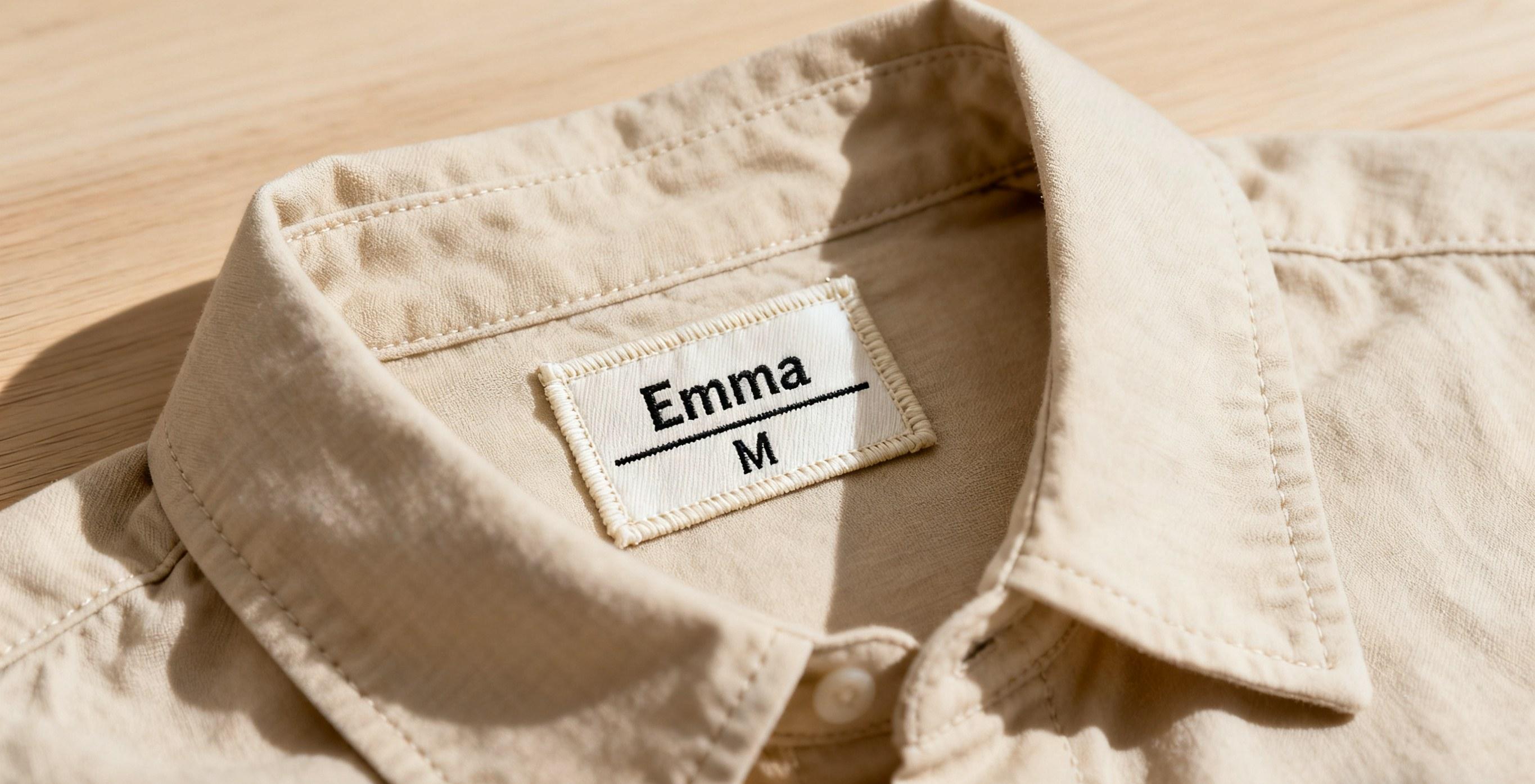
Clothing labels sew on, fixed onto garments through sewing techniques, are one of the most widely used basic labels in the clothing industry. Their primary advantage lies in durability. Through the close connection of threads and fabric, they can withstand repeated wearing and washing without easy detachment, making them especially suitable for categories with high durability requirements, such as children's clothing and outdoor apparel.
In terms of application scenarios, these labels can be applied to almost all types of clothing. For example, the fabric composition can be labeled inside the hem of a T - shirt, the size can be sewn on the back waist of jeans, and the care instructions can be placed in the lining of a suit. Their compatibility with various fabrics is also remarkable. Whether it's cotton, chemical fiber, knitted, or woven fabric, there are corresponding sewing methods (such as flat sewing and overlocking) to avoid issues like wrinkling and detachment caused by label - fabric "incompatibility".
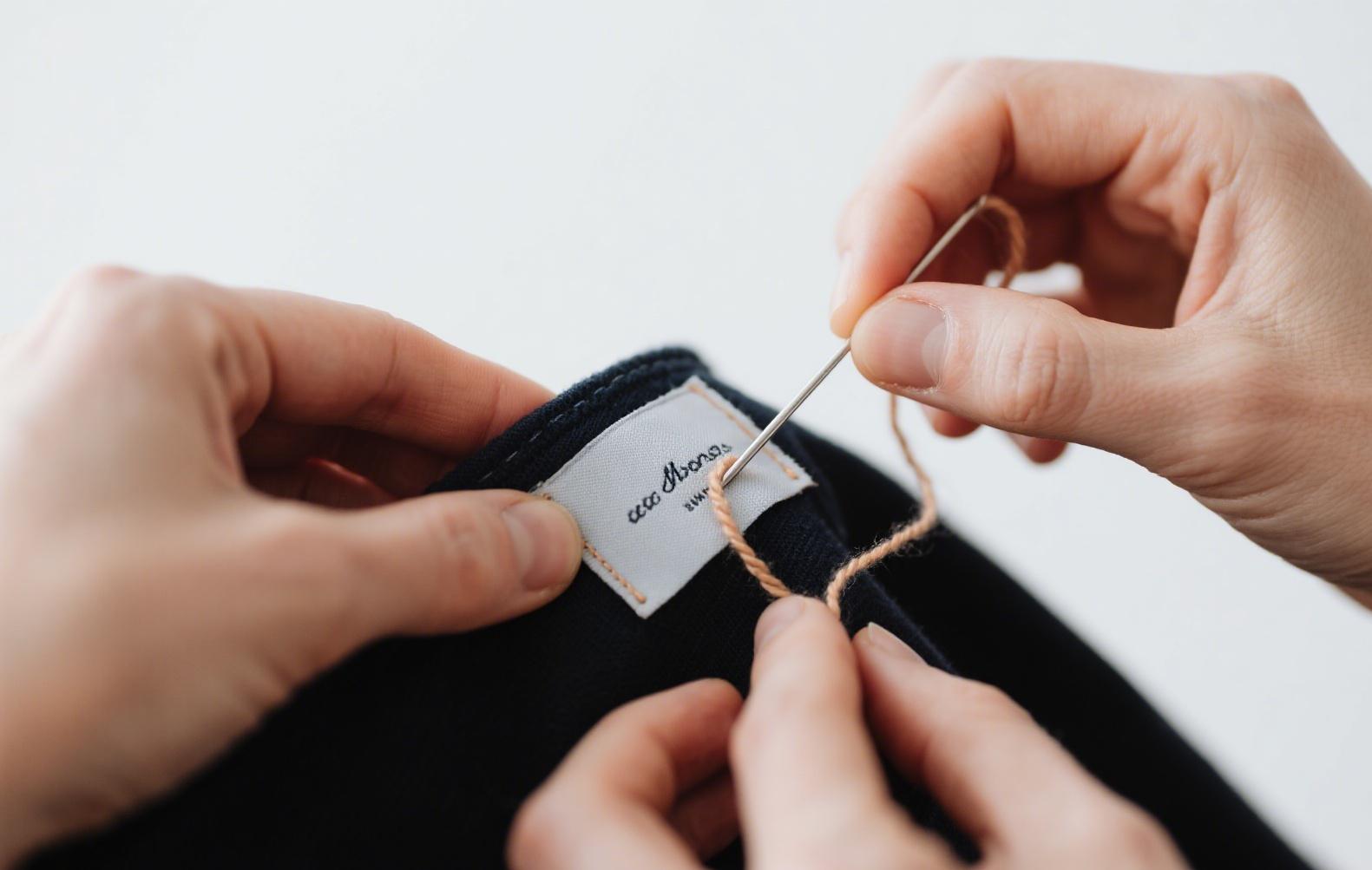
For clothing manufacturers and e - commerce clothing sellers, clothing labels sew on are cost - effective choices. When purchasing in bulk, standardized sizes and basic processes can be selected, which not only meets the fast - sewing needs in the production process but also controls costs. Meanwhile, the concise information display (such as size and composition) also meets the requirements of e - commerce platforms for product information transparency, reducing consumer inquiries.
Fabric Labels: Unifying Texture and Style
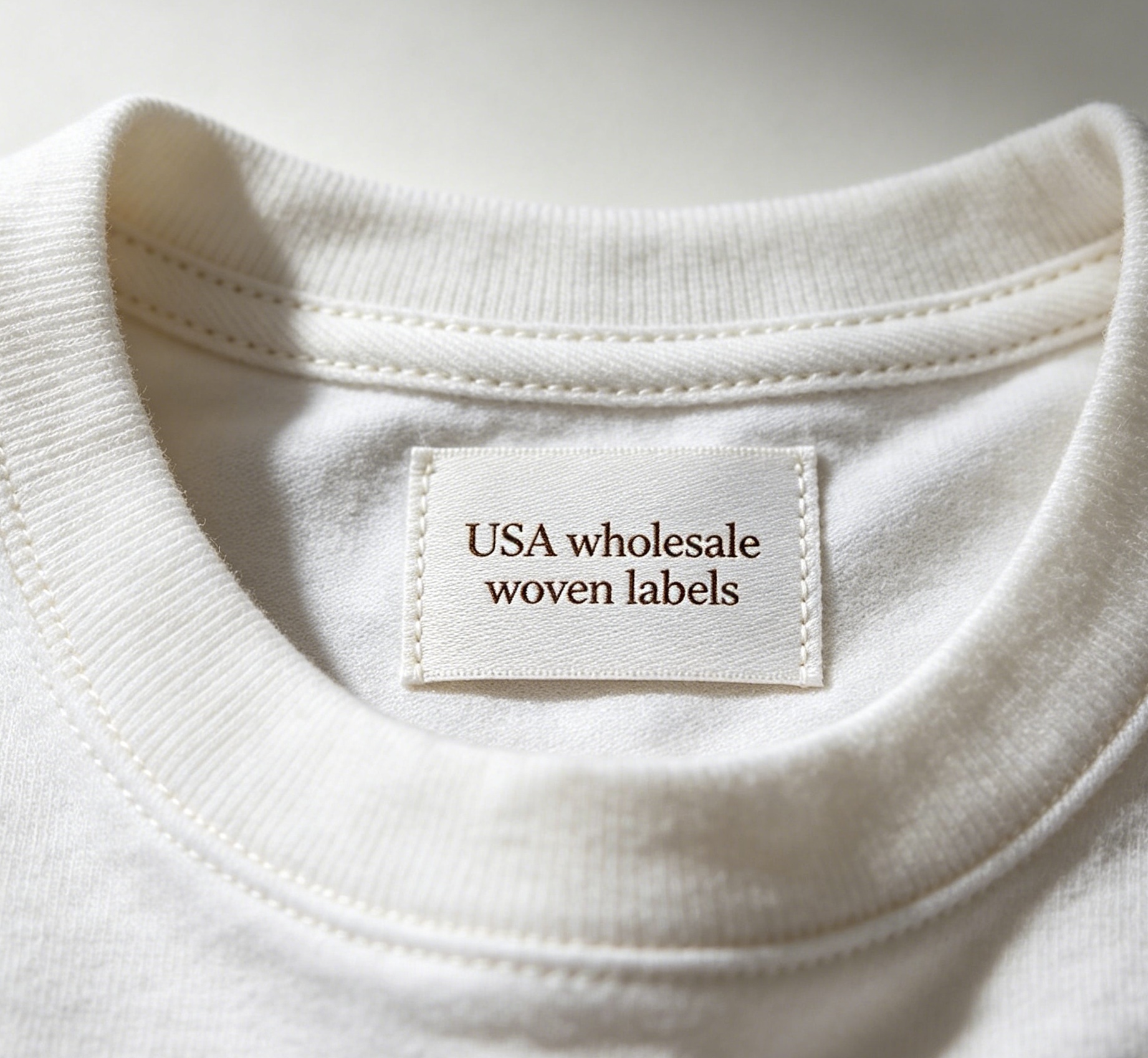
Fabric labels use fabric as the core material, emphasizing the harmony between the label and the overall texture of the garment. Compared with plastic and paper materials, fabric labels (such as cotton, linen, silk, polyester, etc.) can better blend into the overall style of the clothing, especially suitable for high - end clothing, designer brands, or garments made of natural fabrics.
For instance, a cotton garment paired with a cotton label of the same color can strengthen the product positioning of "natural and comfortable"; a silk garment matched with a lightweight silk label can avoid skin irritation caused by hard materials, enhancing the wearing experience; and the denim label commonly used for denim clothing echoes the retro style of denim with its rugged texture.
In addition to the material itself, the processing techniques of fabric labels can also enhance their texture. For example, embroidery can present the brand logo in a three - dimensional way, hot - stamping can add a sense of luxury, and the washing process can give the label a worn - out effect, complementing the retro - style clothing.
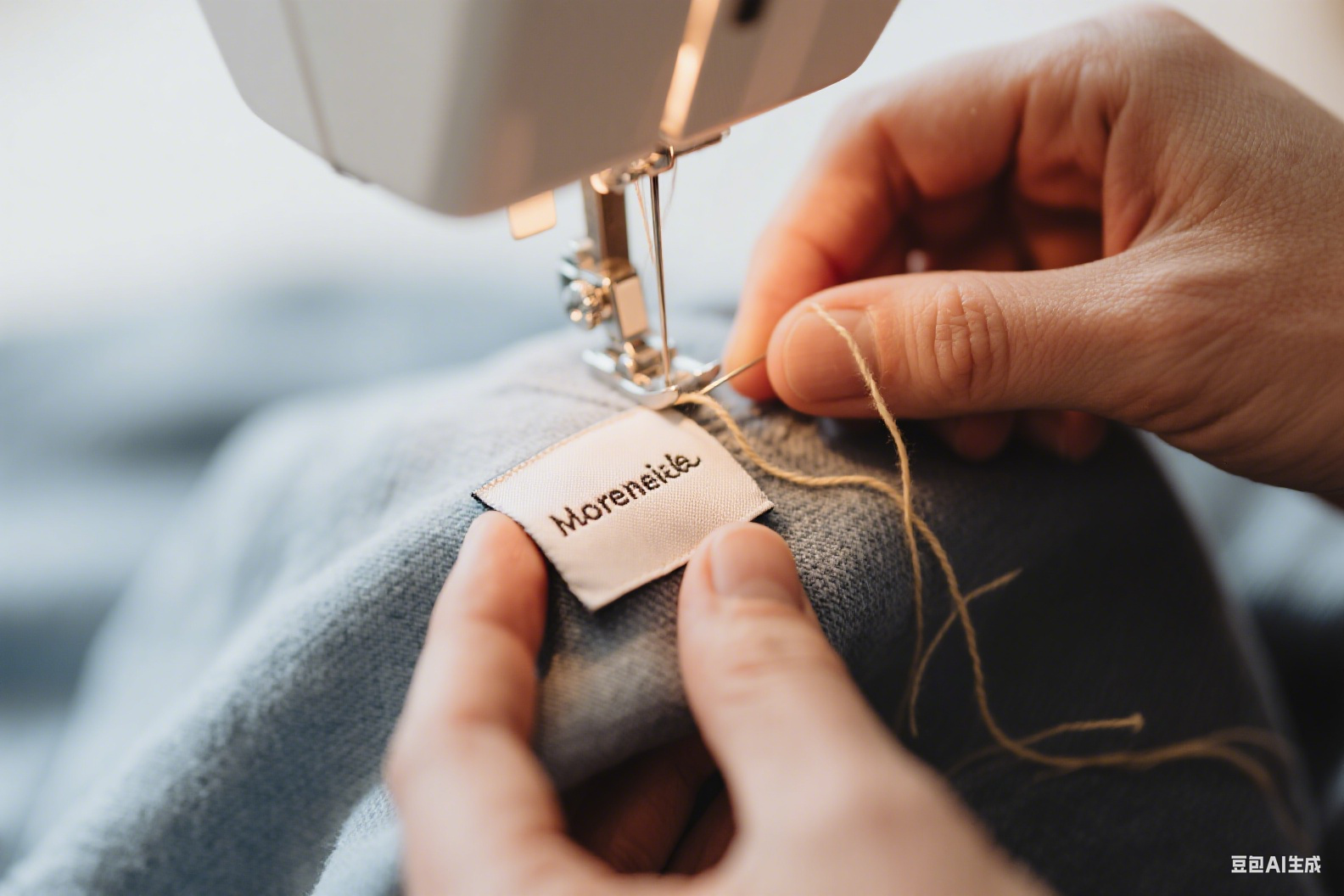
Clothing brand owners and small clothing studios have a particularly strong demand for fabric labels. They often customize matching fabric labels according to the fabric, color, and design theme of the current - season clothing, making the label an extension of the clothing style. For example, brands that advocate environmental protection concepts will choose organic cotton or recycled fiber to make labels, transmitting brand values through details.
Custom Sewing Labels: The Key to Personalization and Brand Recognition
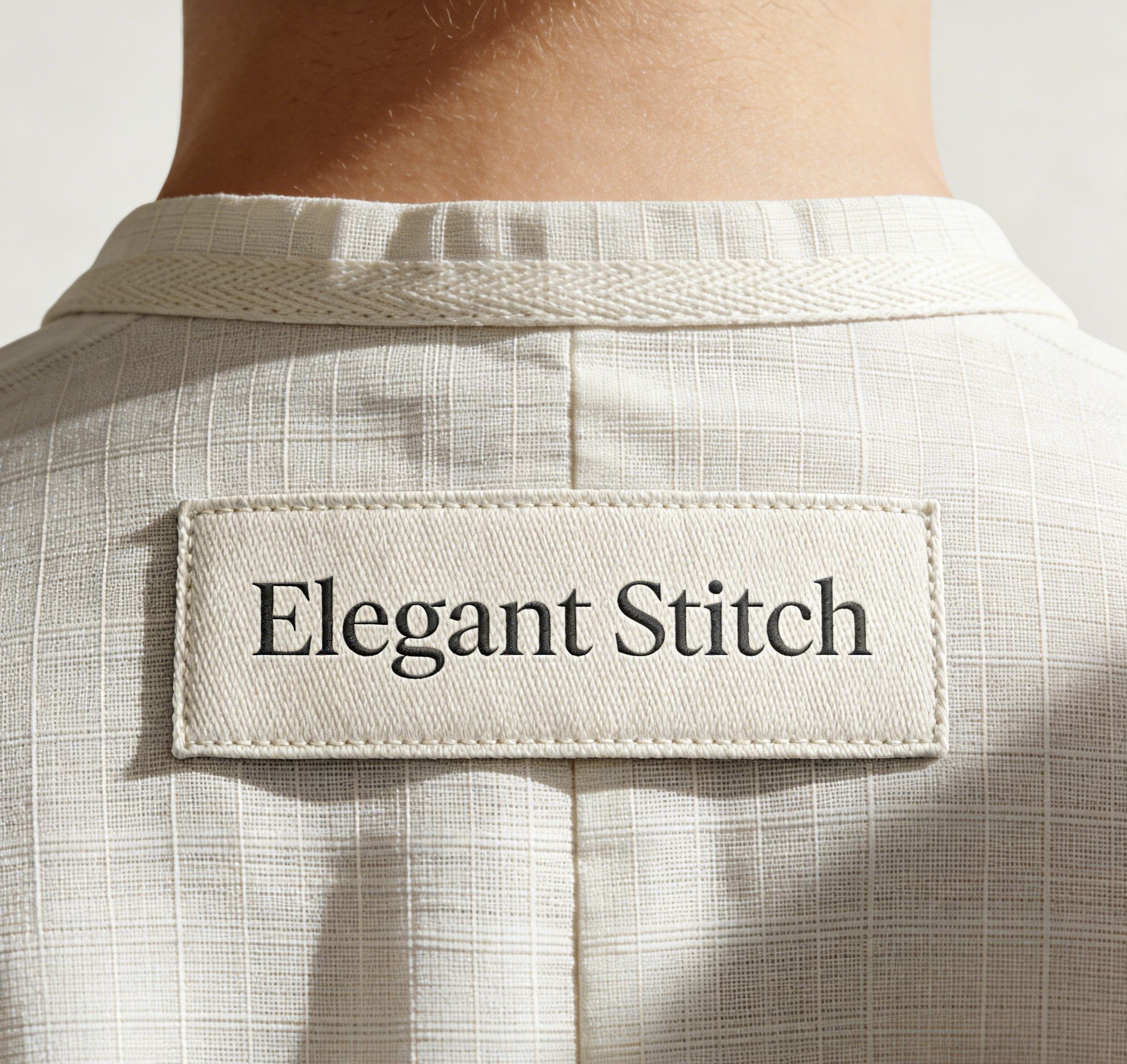
Custom sewing labels are tailor - made to meet personalized needs and are the "invisible weapon" for brand differentiation. From design, material selection to craftsmanship, they can be customized according to customer requirements, transforming the label from an "information carrier" to a "brand symbol".
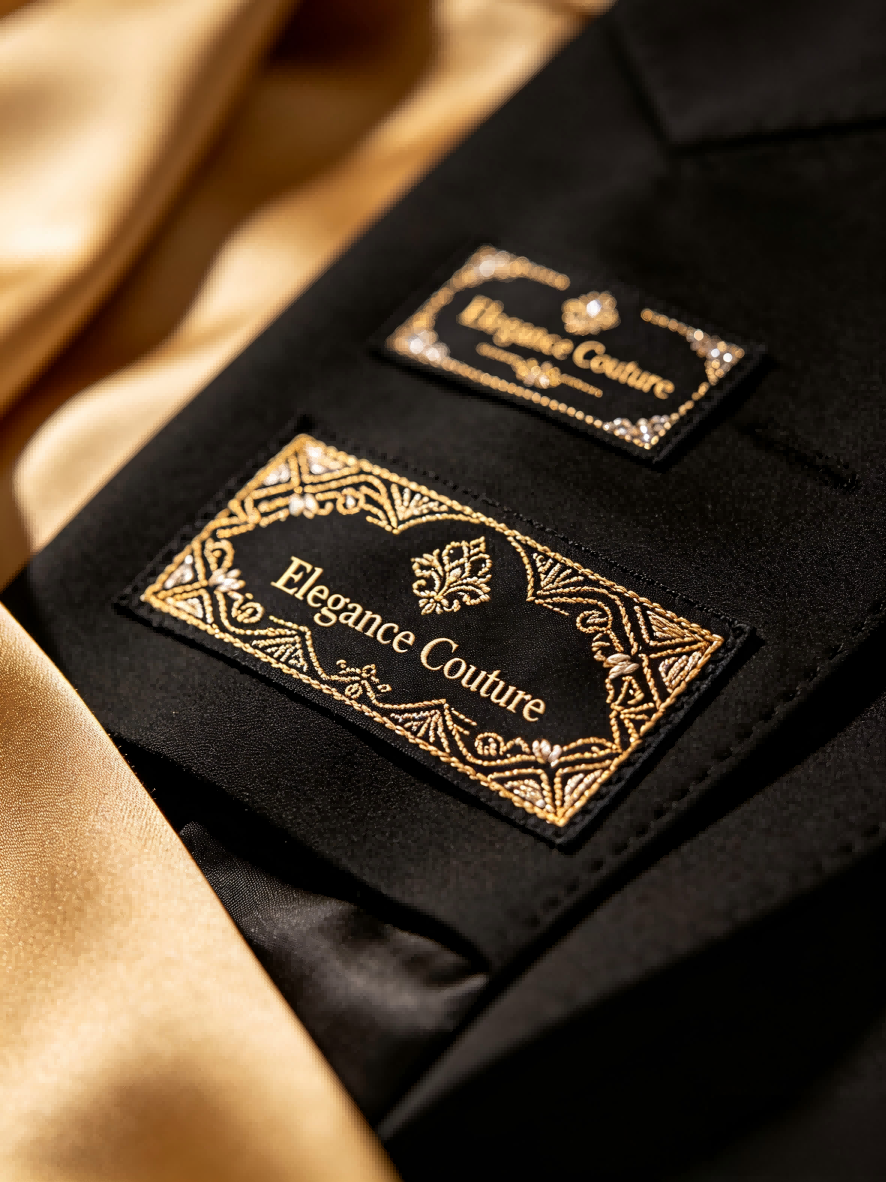
In terms of design, custom sewing labels can break through standardization limitations. The shape is no longer limited to rectangles and can adopt circles, irregular shapes, or unique contours that echo the brand logo. Colors can match the brand's VI system, and special techniques such as gradient colors and hot - stamping/silvering can even be used. In terms of information display, in addition to basic information, story - related content such as the brand's slogan and founding year can be added to enhance brand memory points.
The combination of materials and techniques further strengthens personalization. For example, a luxury brand may choose silk material with laser - engraving technology to present delicate textures; a street - style brand may use reflective fabric to make labels, creating a cool effect under light; and a niche designer brand may use hand - sewn frayed edges to highlight the scarcity of "hand - made customization".
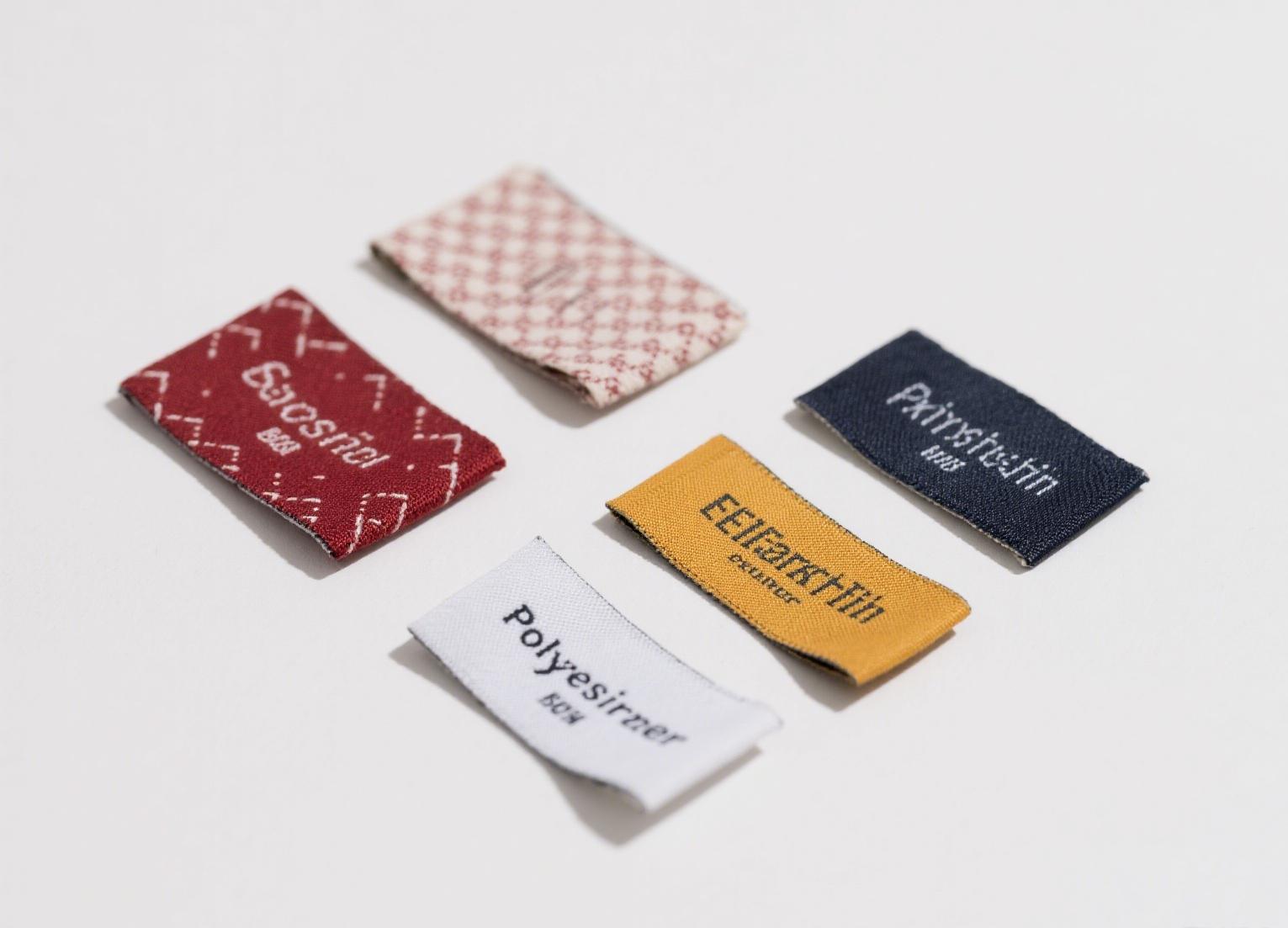
Clothing brand owners and small clothing studios are the main consumers of custom sewing labels. For brand owners, customized labels can strengthen brand recognition in a homogeneous market - consumers can associate the corresponding brand when they see a specific shape or color of the label. For designer studios, customized labels can make their works more complete, forming a unified design language from the clothing to the label, enhancing the artistic sense and collection value of the works.
It should be noted that when customizing, it is necessary to balance "personalization" and "usabi to balance "personalization" and "usability". For example, although irregular - shaped labels are unique, their sewing convenience needs to be considered; complex techniques (such as multi - layer embroidery) may increase costs, and the balance between effect and budget needs to be struck when customizing in small quantities.
Label Selection Strategies for Different Customer Groups
- Clothing brand owners: Give priority to custom sewing labels and fabric labels. Through customized designs (such as a unique shape for the brand logo and iconic colors) and high - quality materials (such as silk - cotton blends), transform the label into a brand "mobile billboard", especially at the neck tag position, using the prominent label to strengthen brand awareness.
- Clothing manufacturers: Focus on clothing labels sew on, emphasizing standardization and durability. According to the requirements of customers (brand owners), select matching materials and processes to ensure that the labels meet production standards while controlling bulk - purchase costs.
- Small clothing studios/designers: Focus on custom sewing labels to highlight personalization. When customizing in small quantities, bold innovations can be made in design (such as irregular shapes and special techniques), making the label the "signature" of the work and increasing the product's premium space.
- E - commerce clothing sellers: Base on clothing labels sew on and customize fabric labels in small quantities when necessary. The label information should be concise and clear (size, composition, washing instructions), and wear - resistant and low - cost fabrics (such as polyester) should be selected for the material to balance practicality and shipping efficiency.
Conclusion
The selection and customization of clothing labels essentially involve the precise matching of brand positioning, product characteristics, and customer needs. Whether it's clothing labels sew on that pursue durability, fabric labels that focus on texture, or custom sewing labels that emphasize personalization, they all need to be combined with their own business scenarios - brand owners convey values through labels, manufacturers improve production efficiency through labels, and designers express creativity through labels.
It is hoped that this article can provide clear references for industry colleagues. When choosing or customizing clothing labels, both practicality and cost should be considered, while also making the label an "added - value item" for clothing products. If you have more questions regarding label material selection, design details, or process implementation, please feel free to leave a message in the comment section for communication.
The Ultimate Guide to Custom Clothing Labels: From Basics to Custom Solutions
Clothing swing Labels Sew On: Meeting Diverse Needs Across the Fashion Supply Chain