Clothing Price Tags & Hang Tag Shoes Explained
In the apparel accessories industry, custom swing tags are often underestimated. Commonly referred to as clothing price tags or personalised swing tags, they play a vital role in product identification, retail communication, and brand consistency.
For trim sourcing agents and apparel accessory buyers, understanding how swing tags are designed, applied, and standardized—especially in categories like hang tag shoes—helps improve coordination across factories, brands, and retail markets.
This article explains the practical role of swing tags in modern apparel trims, focusing on awareness rather than sales.
What Are Custom Swing Tags in Apparel Accessories?
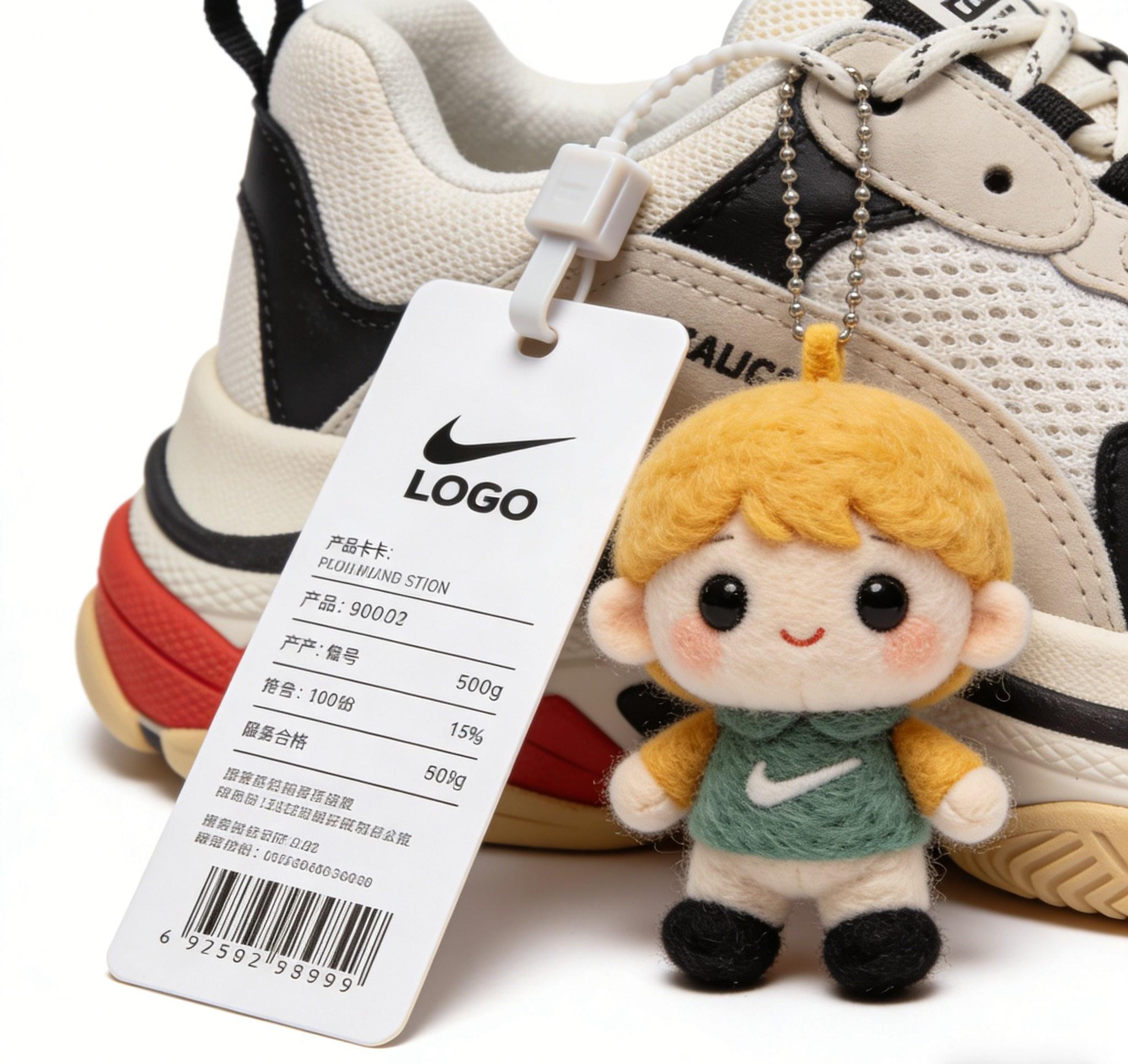
Custom swing tags are removable tags attached to garments, footwear, or accessories using strings or plastic fasteners. In the supply chain, they are categorized as apparel trims, similar to woven labels and packaging components.
These tags typically include:
-
Product name and size
-
Price or barcode information
-
Brand logo and identity
-
Material or care notes
Because they are external and flexible, clothing price tags can be updated without altering garment construction—an advantage for sourcing agents managing multiple collections.
Why Clothing Price Tags Matter to Sourcing Agents
From a sourcing perspective, clothing price tags are not just retail tools. They help maintain consistency across suppliers, especially when production is split between different factories or regions.
For trim agents, standardized swing tags help:
-
Reduce mislabeling risks
-
Improve approval efficiency
-
Ensure retail compliance
When managed correctly, personalised swing tags become a control point rather than a variable.
Hang Tag Shoes — Special Requirements in Footwear
Footwear production introduces unique challenges. Hang tag shoes often require swing tags that are more durable due to transportation and repeated handling.
Key considerations include:
-
Stronger paper or laminated materials
-
Larger hole sizes for thicker fasteners
-
Clear barcode placement for retail scanning
In footwear trims, personalised swing tags often serve both branding and logistics purposes.
Personalised Swing Tags as a Flexible Trim Solution
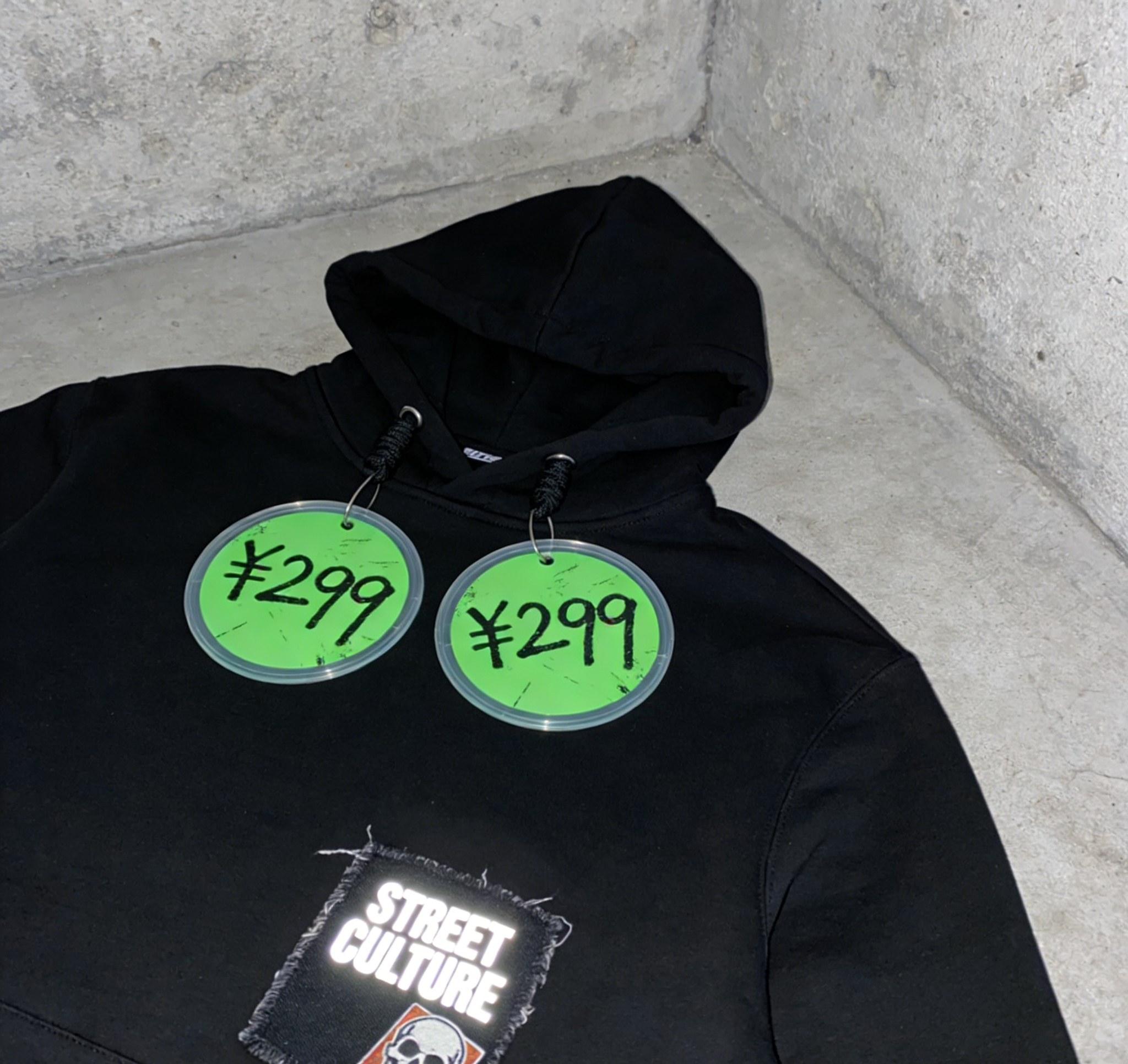
One major advantage of personalised swing tags is flexibility. Unlike sewn-in labels, swing tags can be adjusted late in the production cycle.
This is particularly helpful for:
-
Market-specific pricing
-
Seasonal branding updates
-
Multi-language retail environments
For sourcing agents, this flexibility reduces rework and shortens response time when changes are required.
Common Materials Used in Custom Swing Tags
Although designs vary, most clothing price tags and personalised swing tags are produced using:
-
Coated paperboard for durability
-
Kraft paper for eco-focused brands
-
Specialty finishes such as embossing or foil stamping
In hang tag shoes, material thickness is often prioritized to prevent bending or tearing during shipping.
Swing Tags as Part of a Complete Trim System
Professional apparel sourcing treats swing tags as part of a full trim system, alongside:
-
Woven labels
-
Printed labels
-
Plastic fasteners
-
Packaging components
Understanding how clothing price tags integrate with other trims helps sourcing agents evaluate suppliers more effectively.
Conclusion — Building Awareness Through Better Trim Knowledge
Although small in size, custom swing tags play a meaningful role in apparel and footwear supply chains. From everyday garments to hang tag shoes, well-managed personalised swing tags support clarity, consistency, and brand recognition.
For trim sourcing agents at the awareness stage, understanding clothing price tags is a foundational step toward better coordination and long-term efficiency.
How to Waterproof Your Print Hang Tags: 3 Proven Methods
Luxury Hang Tags for Wine Labels: Design Best Practices