Custom Garment Labels Guide: Function, Style & Innovation
In today’s fashion and apparel industry, garment labels play a crucial role far beyond basic identification. They serve as the bridge between a brand’s identity and the customer’s experience. A well-designed label can convey quality, trust, and attention to detail — elements that are vital to building lasting relationships with consumers. For clothing brands, investing in custom garment labels is no longer an option; it’s a strategic necessity.
1️⃣ The Role of Garment Labels in Modern Apparel
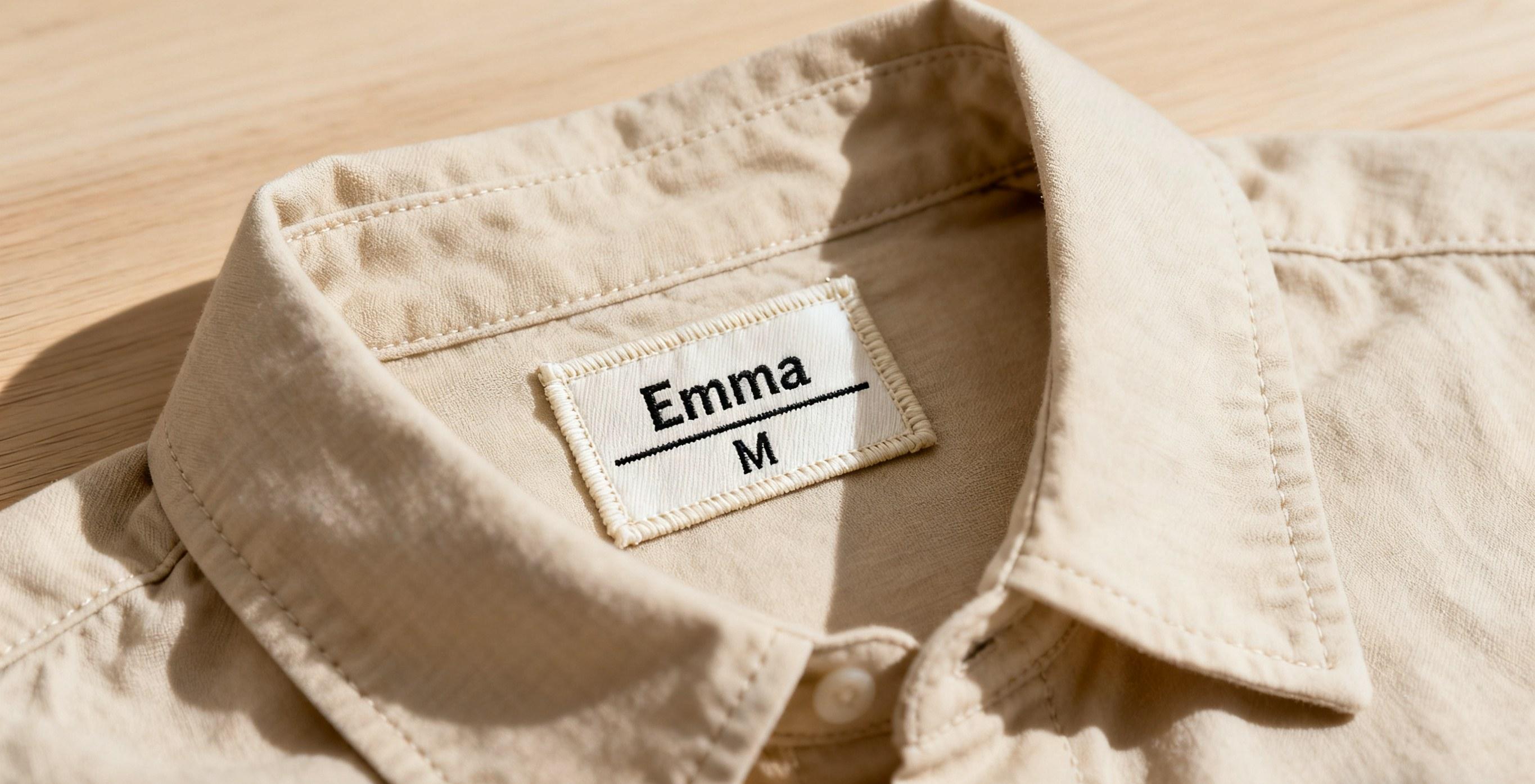
Every piece of clothing tells a story, and the label is often the first chapter. Whether stitched into a luxury dress or heat-applied on a sports jersey, garment labels communicate essential information such as brand name, size, and material composition.
Beyond function, custom garment labels enhance the perception of quality and professionalism. A thoughtfully designed label can strengthen a brand’s identity and make even a simple product appear premium.

2️⃣ Understanding Garment Content Labels: Transparency and Trust
In an age of sustainability and ethical fashion, transparency has become a top priority. This is where garment content labels come in. These labels list fiber composition, care instructions, and country of origin—information that informs customers and ensures regulatory compliance.
Brands are now expected to display accurate content data in line with international standards like the U.S. FTC labeling rules or the EU Textile Regulation. Clear and honest garment content labels build consumer trust, helping brands position themselves as responsible and credible.
Furthermore, the layout and readability of content labels are just as important as their accuracy. Using legible fonts and durable printing ensures that information remains visible throughout the product’s lifespan.

3️⃣ Custom Garment Labels: Branding Through Design
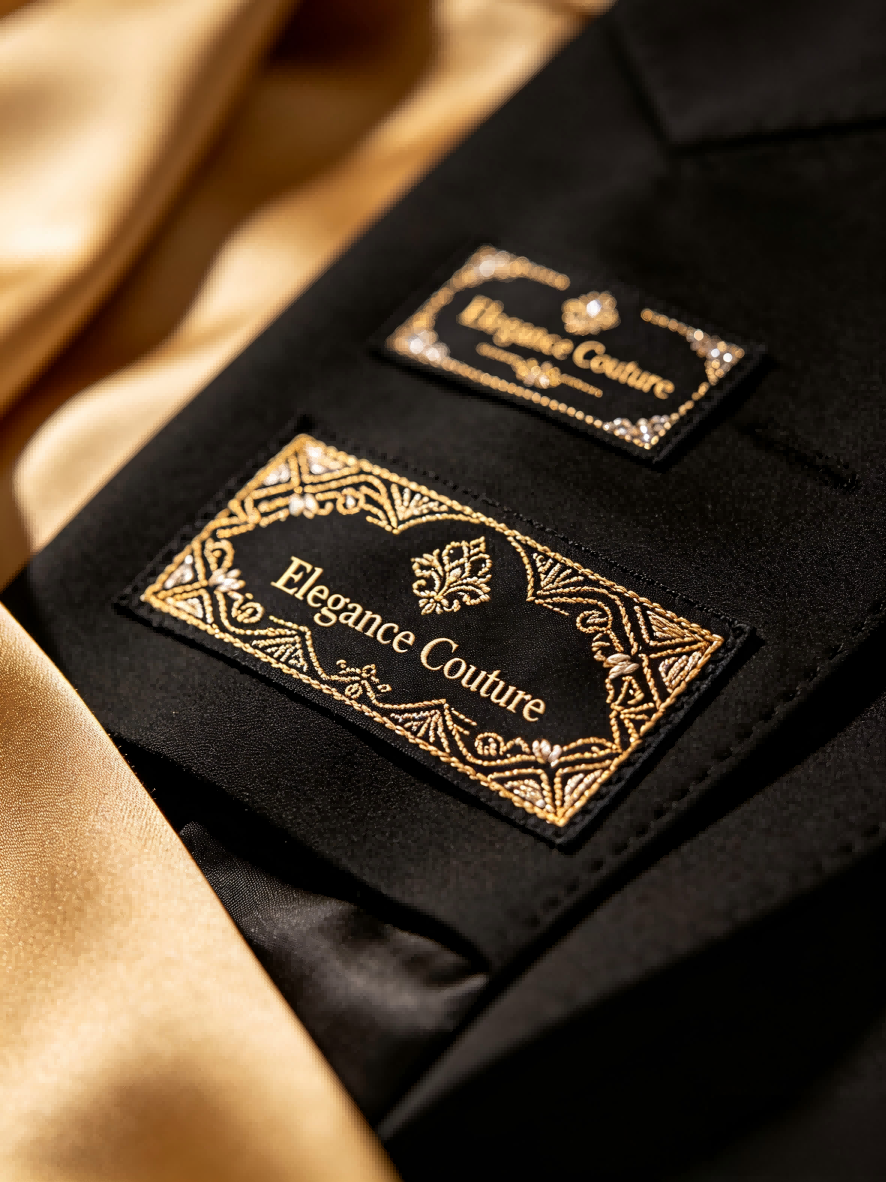
Customization allows brands to turn functional elements into storytelling tools. Custom garment labels can be made from woven, printed, silicone, or leather materials—each suited to different aesthetics and brand identities.
For luxury designers, a woven label with gold thread adds sophistication. For eco-conscious brands, organic cotton or recycled polyester labels communicate sustainability values. A streetwear brand might prefer a bold silicone patch that reflects its urban edge.
Material choice impacts both look and durability, while color accuracy, texture, and typography contribute to recognition. Partnering with a professional label manufacturer ensures consistent quality across large-scale production.
4️⃣ Iron On Garment Labels: Fast, Durable, and Efficient
For brands seeking efficiency without compromising quality, iron on garment labels offer the perfect solution. These labels are applied using heat and pressure, bonding permanently to fabric surfaces without stitching.
Their advantages are clear: quick application, smooth appearance, and excellent durability. They withstand repeated washing and friction, making them ideal for uniforms, activewear, and kids’ clothing.
To ensure a secure bond, follow recommended application settings—typically around 160°C for 10–15 seconds, depending on fabric type. This makes iron on garment labels an excellent choice for small businesses, garment factories, and custom clothing lines aiming to reduce labor time.

5️⃣ Material and Sustainability Trends
The apparel industry is moving toward sustainability, and garment labels are no exception. Modern brands are choosing eco-friendly options such as bamboo fiber, recycled polyester, and water-based inks. These materials not only reduce environmental impact but also align with consumer expectations for ethical production.
Even garment content labels are evolving — printed with soy-based inks on biodegradable substrates. Meanwhile, custom garment labels designed with minimalist branding and recyclable fibers appeal to the modern conscious shopper.
6️⃣ Choosing the Right Label Supplier
A reliable label supplier is more than just a producer; they’re a creative partner. When choosing a manufacturer for custom garment labels or iron on garment labels, consider factors like:
-
Material quality and color accuracy
-
Sample support and customization options
-
Certifications (OEKO-TEX, GRS, REACH)
-
Production speed and consistency
Partnering with an experienced supplier ensures your designs are accurately replicated and your labels withstand the test of time.
7️⃣ Conclusion: Small Details, Big Brand Impact
Garment labels may seem like minor details, but they define how customers perceive your products. From garment content labels that promote transparency to iron on garment labels that enhance efficiency, every label choice influences your brand image.
Investing in custom garment labels allows your brand to communicate quality, style, and authenticity — one stitch (or press) at a time.
Why Garment Content Labels Matter for Consumer Transparency
Iron On Garment Labels Durable Alternatives to Stitching