Clothing swing Labels Sew On: Meeting Diverse Needs Across the Fashion Supply Chain
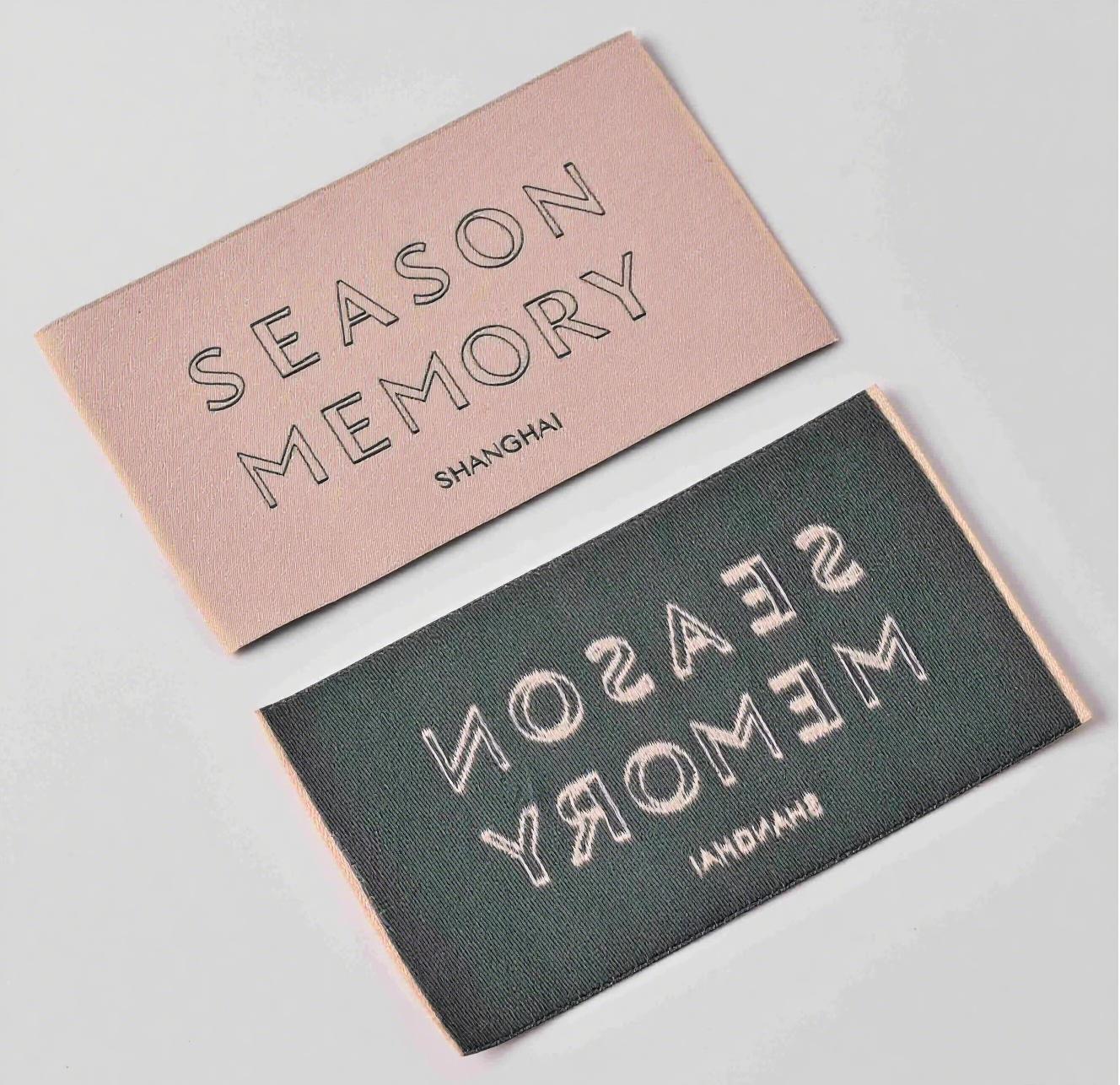
In the fashion industry, fabric labels and custom sewing labels are more than functional accessories—they are vital tools for branding, communication, and operational efficiency. Understanding how different stakeholders interact with these labels is key to delivering solutions that drive value. Below, we break down the unique needs of core customer groups and how clothing labels sew on can be tailored to meet them.
II. Diverse Needs for Clothing Labels Across Customer Groups
(A) Clothing Retailers
For clothing retailers, fabric labels and custom sewing labels serve as silent salespeople. Their primary focus is on brand visibility and consumer appeal, as these labels are often the first details customers notice when browsing.
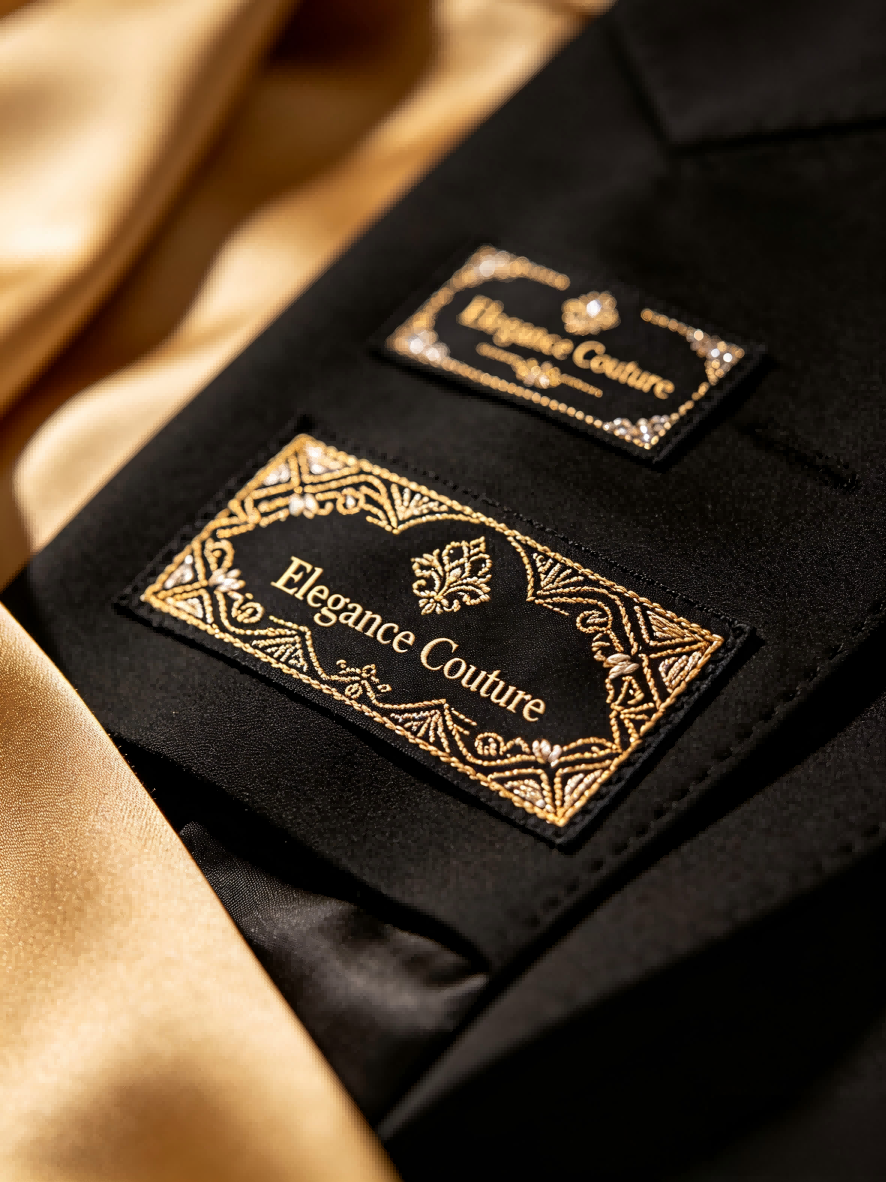
- Branding Priorities: Retailers need labels that align with their store’s aesthetic—whether minimalist, luxury, or playful. Custom sewing labels allow for tailored designs, from embroidered logos to woven patterns, ensuring consistency with in-store displays and marketing campaigns.
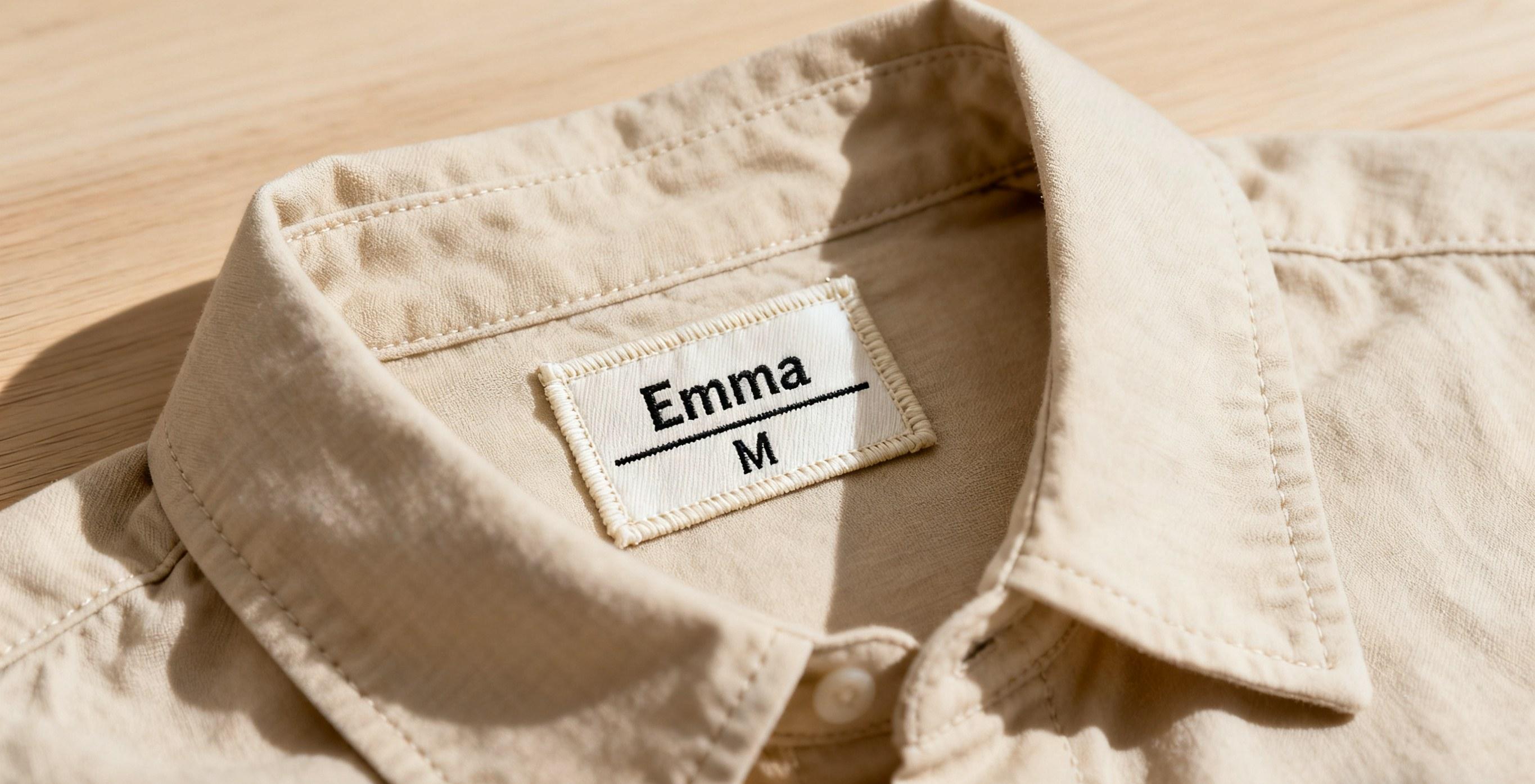
- Functional Details: Beyond branding, retailers require labels to include critical information: fabric composition (e.g., “100% organic cotton”), care instructions, and size guides. Sew-on labels are preferred here for durability; they withstand frequent handling and washing, ensuring information remains legible.
- Practicality: Easy application matters too. Clothing labels sew on with pre-punched holes or adhesive backings simplify the process of attaching them to garments, reducing in-store labor time and maintaining a polished look on the rack.

(B) Clothing Wholesalers
Wholesalers operate in a high-volume, cost-sensitive environment, where efficiency and uniformity are paramount. For them, fabric labels and clothing labels sew on must balance affordability with consistency.
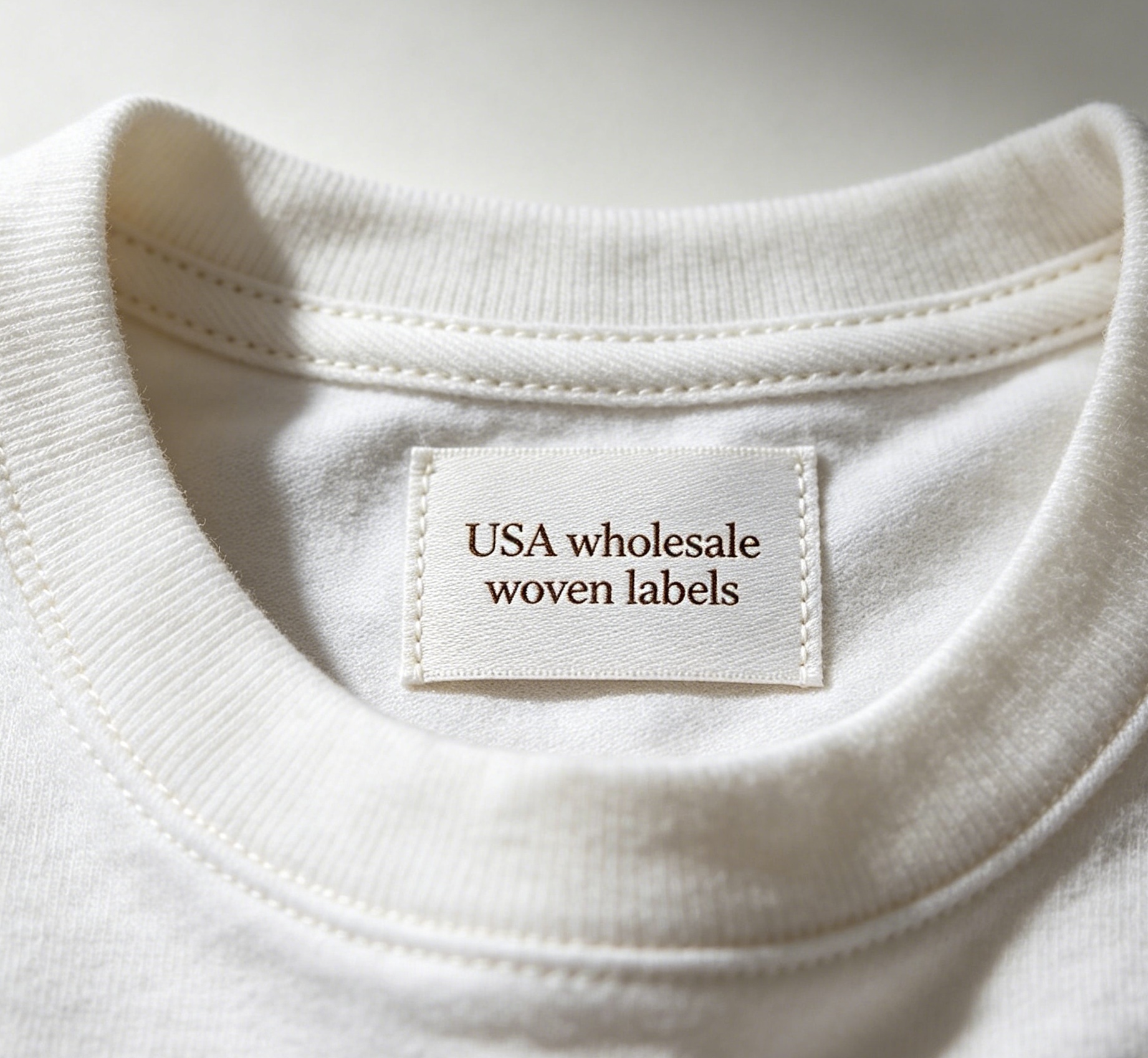
- Cost Efficiency: Bulk orders of standard fabric labels—often plain or with basic branding—help wholesalers minimize per-unit costs. Options like generic cotton sew-on labels or printed polyester tags allow for large-scale production without sacrificing quality.
- Standardization: Wholesalers manage diverse product lines for multiple clients, so labels must adhere to uniform sizing and formatting. This streamlines inventory management and ensures compliance with industry regulations (e.g., country-of-origin labeling).
- Durability in Transit: Labels must withstand shipping and handling across supply chains. Sew-on labels, with their secure attachment, are less likely to detach compared to adhesive tags, reducing the need for rework before products reach retailers.

(C) Clothing Brands
For clothing brands, custom sewing labels are a cornerstone of brand identity and perceived value. They use labels to tell a story, differentiate from competitors, and reinforce their ethos.
- Brand Storytelling: High-end brands often opt for premium materials—like silk or leather sew-on labels—embossed with logos or handwritten-style text. These details convey craftsmanship and luxury, aligning with brand narratives (e.g., sustainability, artisanal production).
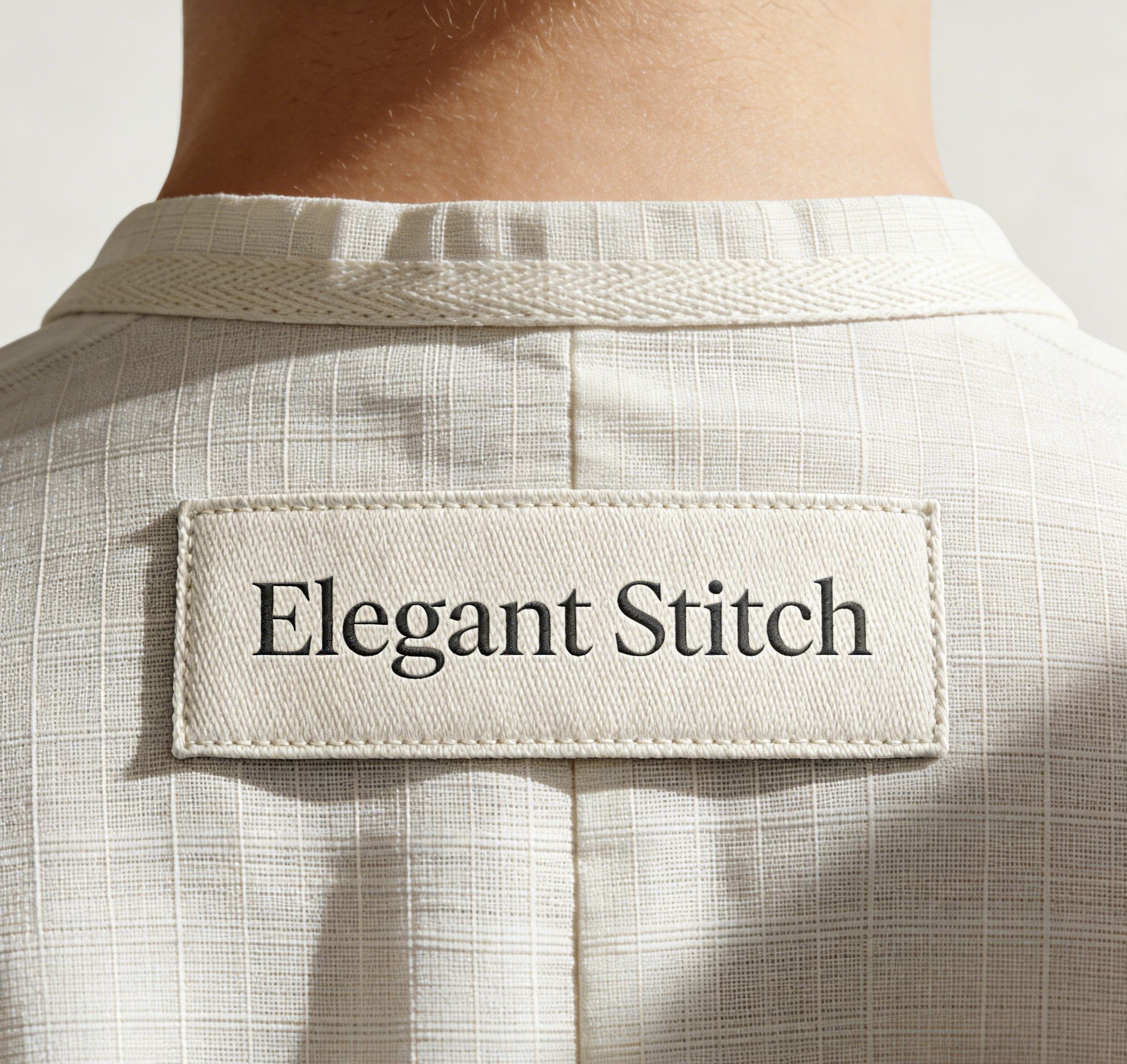
- Personalization: Custom sewing labels can include unique touches, such as limited-edition series numbers or quotes, fostering emotional connections with customers. For example, a sustainable brand might use organic cotton labels printed with “Ethically Made” to highlight its values.
- Quality Alignment: Brands invest in labels that match their garment quality. A luxury knitwear brand, for instance, would pair cashmere sweaters with woven wool labels, ensuring every detail reflects the product’s premium positioning.

By tailoring fabric labels and custom sewing labels to these distinct needs, suppliers can deliver solutions that enhance efficiency for wholesalers, boost sales for retailers, and strengthen brand loyalty for clothing brands. In an industry where matter, the right label isn’t just a tag—it’s a strategic asset.
1. What materials are best for clothing labels sew on?
The choice of material depends on the garment type and brand needs. Cotton is ideal for casual wear due to its breathability and softness. Polyester blends offer durability and resistance to shrinking, making them suitable for activewear. For luxury brands, silk or satin labels add a premium touch, while leather or vegan leather labels work well for accessories and high-end outerwear.
2. How do custom sewing labels differ from standard fabric labels?
Custom sewing labels are tailored to a brand’s specific design requirements, including unique logos, colors, text, and shapes. They often use premium materials and specialized printing techniques (e.g., embroidery, foil stamping) to reflect brand identity. Standard fabric labels, on the other hand, are pre-made with generic designs, focusing on functionality (e.g., size, care instructions) rather than branding.
3. Can clothing labels sew on be reused or repurposed?
While most sew-on labels are designed to be permanent, some brands opt for removable options (e.g., with hook-and-loop fasteners) for items like rental clothing or sample garments. However, traditional sew-on labels are stitched directly into the garment and are not easily reusable. For sustainability-focused brands, eco-friendly materials like organic cotton or recycled polyester labels can be composted or recycled once the garment reaches the end of its life.
Unveiling the Core Value of Clothing Labels: From Sew - on Labels to Custom Solutions
Build Your Brand from the Label Up: Why Neck Tags and Iron-on Name Labels Matter in Apparel