Custom Woven & Laundry Labels: Build Stronger Brand Identity
1. The Hidden Language of Clothing Labels
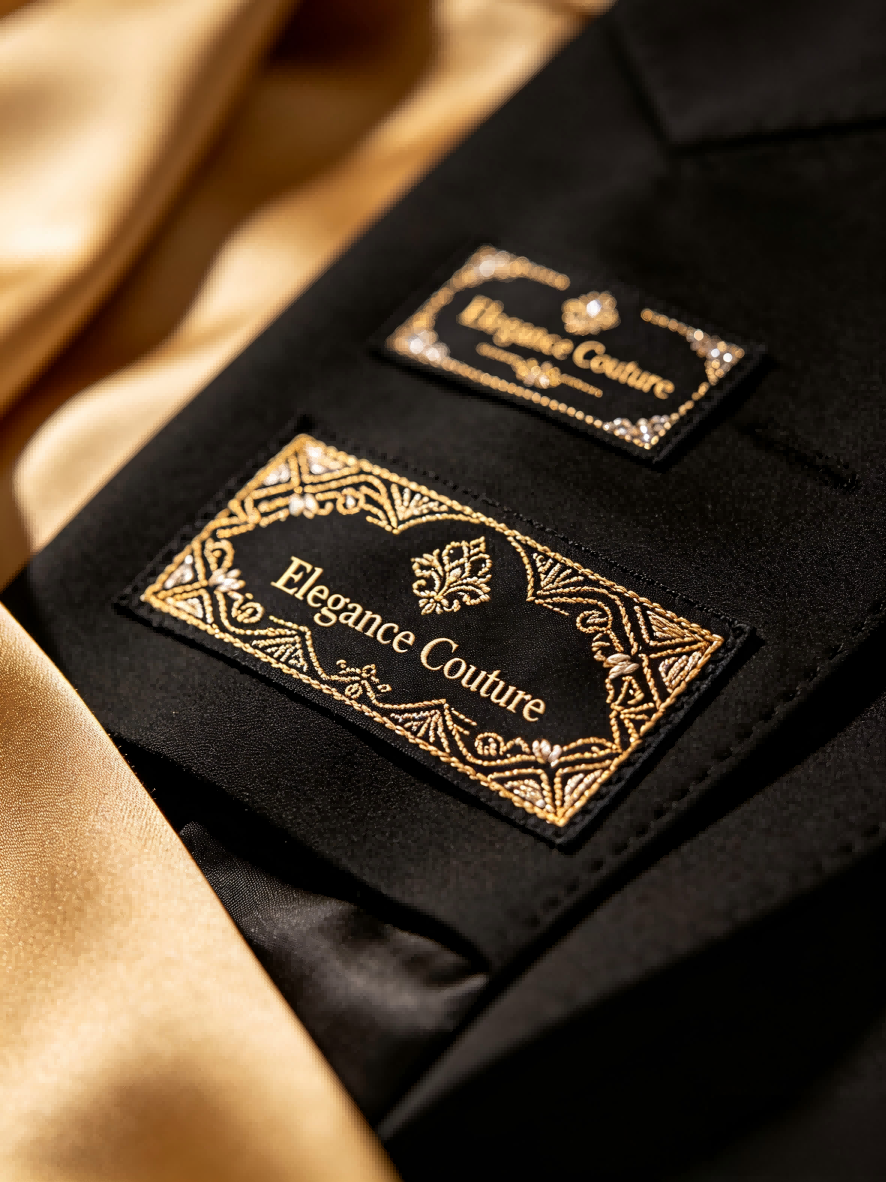
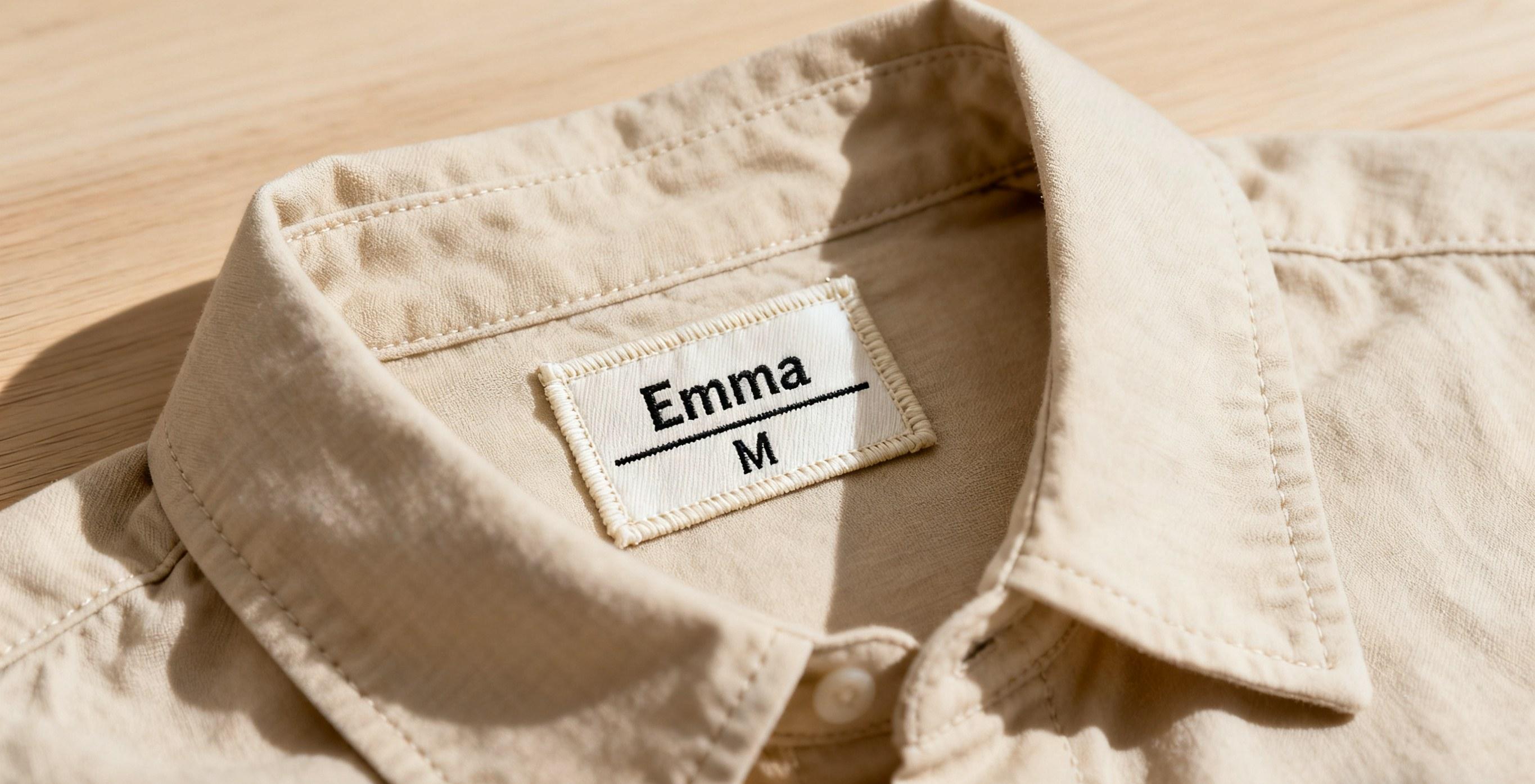
In today’s competitive fashion industry, the smallest details often define the biggest differences. Among these, clothes labels and woven clothing labels act as silent ambassadors that tell your brand story long after purchase. From the fabric touch to the typography and stitching quality, each element communicates authenticity and professionalism.
Modern brands no longer see labels as accessories—they’re part of the entire product experience. Whether sewn into luxury coats or casualwear, the label’s material and design reinforce brand consistency. That’s why investing in custom woven labels has become an essential step for apparel manufacturers and designers looking to stand out.

2. Why Custom Woven Labels Define Premium Apparel
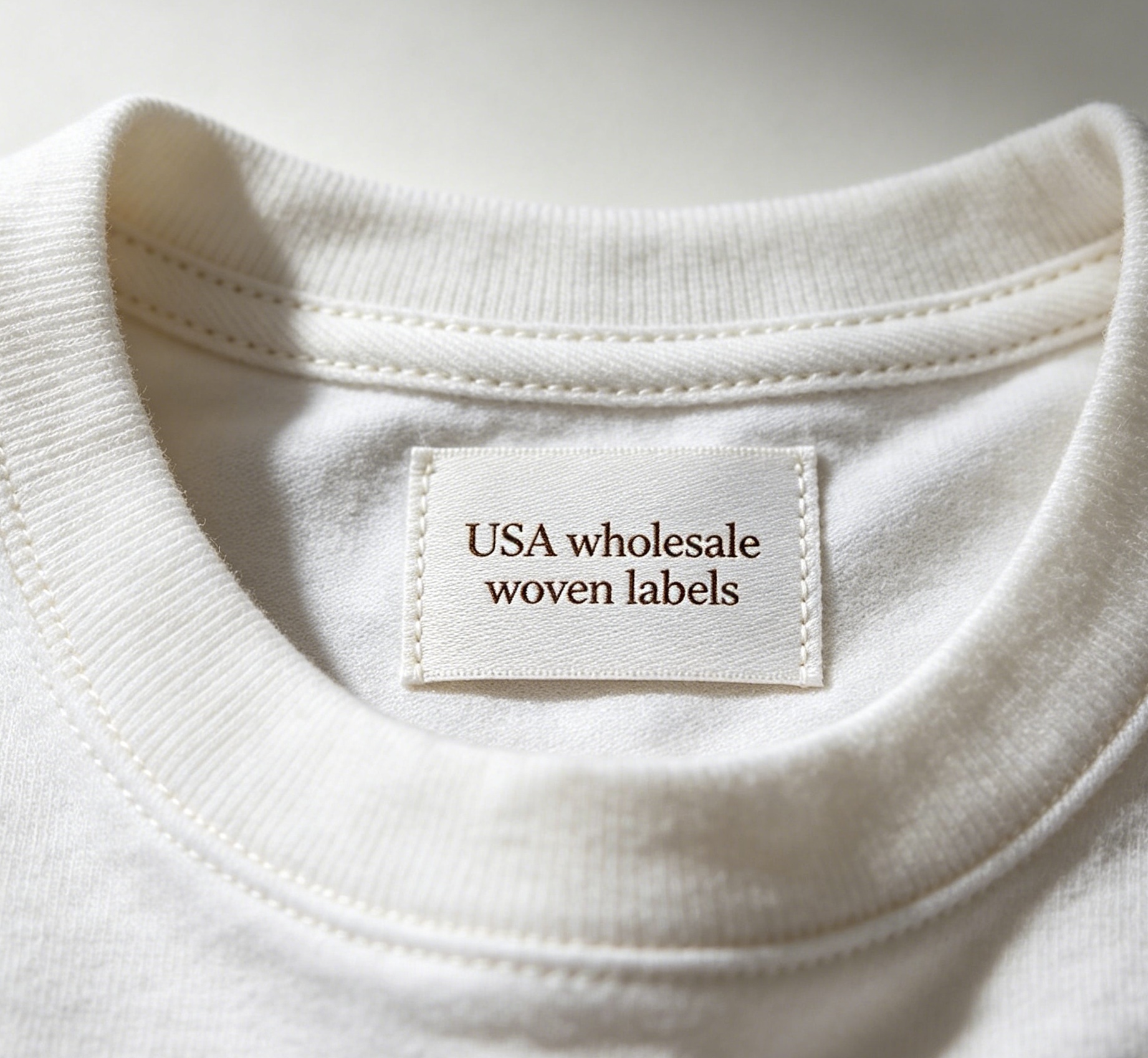
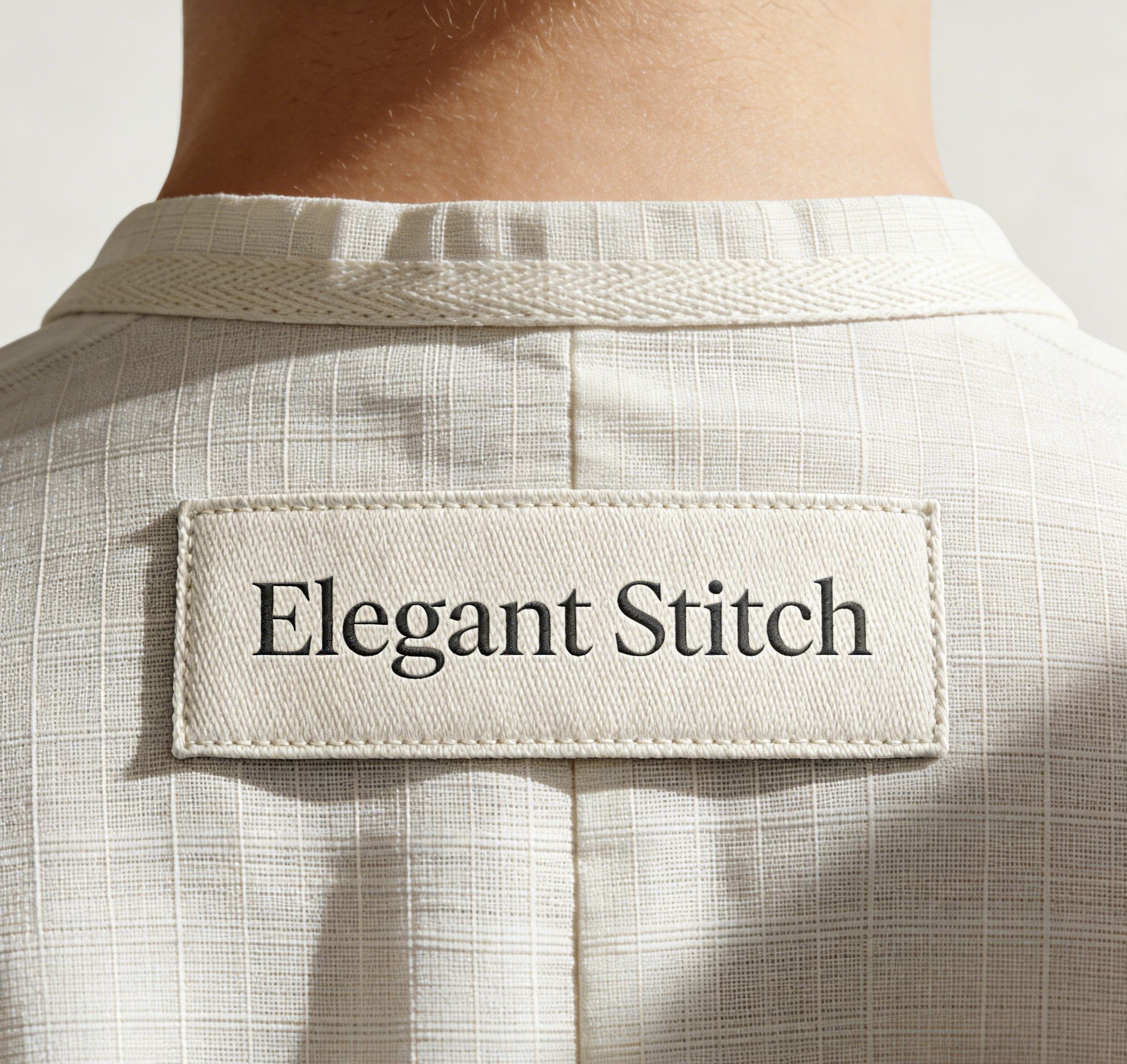
Custom woven labels combine craftsmanship and technology. Made with advanced looms, they offer clarity, durability, and a professional finish unmatched by printed tags. Unlike standard labels, they resist fading, fraying, and stretching—keeping brand logos crisp even after multiple washes.
For apparel makers, woven labels are used across main tags, side seams, or brand patches. Their versatility makes them ideal for both luxury and mass-market lines. They also align with sustainable branding trends: many factories now offer labels made from recycled polyester or organic cotton yarns.
If your brand aims for long-term identity and product consistency, woven clothing labels are not just a design choice—they’re a strategic investment.

3. Laundry Labels: Function Meets Responsibility
While woven labels represent aesthetics, laundry labels represent responsibility. They inform customers how to care for garments properly—ensuring product longevity while maintaining trust. For global clothing brands, these labels also fulfill international compliance requirements, such as ISO and Ginetex care symbols.
High-quality laundry labels are printed or woven on durable nylon or polyester materials, ensuring they withstand frequent washing without fading. Some brands integrate digital solutions, embedding QR codes that link to washing guides, sustainability certifications, or product traceability pages.
Including accurate care information not only prevents returns but also builds brand credibility. A label that survives hundreds of washes shows commitment to quality and transparency.

4. The Synergy Between Design and Function
When combining custom woven labels with laundry labels, brands achieve a complete communication system. The woven label delivers brand value through aesthetics, while the laundry label ensures functional reliability. Together, they create a seamless narrative that extends from first impression to daily use.
For high-end fashion houses, subtle label design choices—like matte finishes or woven metallic threads—can elevate product perception. Meanwhile, performance wear brands prefer soft-edged woven labels that prevent irritation and improve comfort.
Regardless of style, woven clothing labels and laundry labels must align with the same visual language: color palette, typography, and logo placement should echo the brand’s overall identity.
5. Choosing the Right Label Supplier
Selecting a label manufacturer requires more than comparing prices. A professional supplier should understand both design and production nuances. When evaluating options, consider:
-
Yarn quality and colorfastness testing
-
Label cutting and edge finishing methods
-
Sampling and revision support before mass production
-
Short lead times and consistent quality for repeat orders
Working with an experienced supplier ensures smoother communication and reliable outcomes.
6. Sustainability and Market Trends
The modern consumer is becoming more conscious of materials and origins. Labels made from recycled polyester, organic cotton, or biodegradable yarns are increasingly requested by sustainable brands. Manufacturers are also adopting digital woven label machines that minimize waste and energy consumption.
By choosing eco-friendly custom woven labels, your brand demonstrates responsibility beyond fashion trends—it becomes part of a larger sustainability movement. This not only improves brand reputation but can also open doors to eco-conscious retail partnerships.
7. Conclusion: Labels as Long-Term Brand Assets
In the apparel industry, labels are more than identifiers—they’re long-term brand assets. The precision of custom woven labels, the reliability of laundry labels, and the texture of woven clothing labels all contribute to consumer trust.
By aligning design, functionality, and sustainability, brands can turn every small label into a statement of excellence. The next time you design your clothing line, remember: your label might be small, but its impact can be monumental.
Professional Insight on Clothing Labels & Custom Sewn-in Options
Custom Sewn Tag: Power of Clothing Labels for Brand Identity