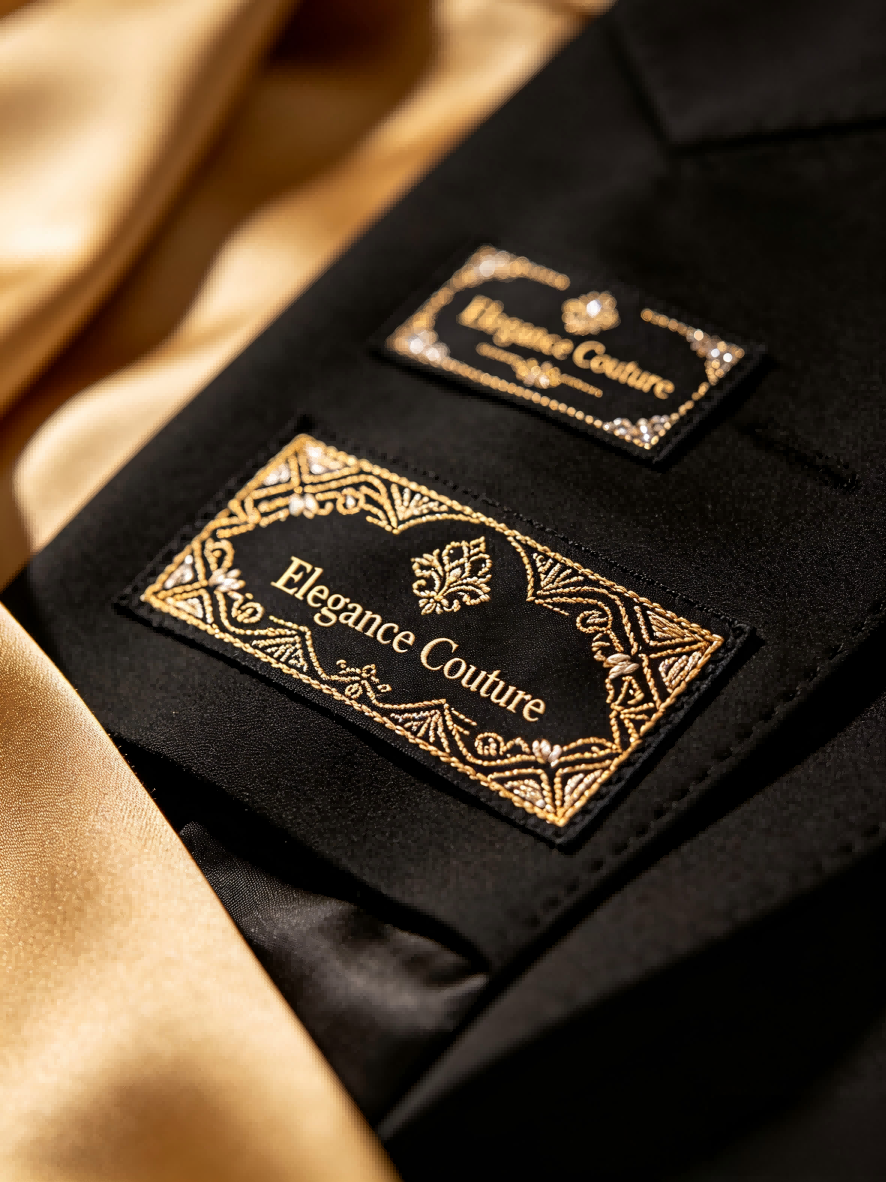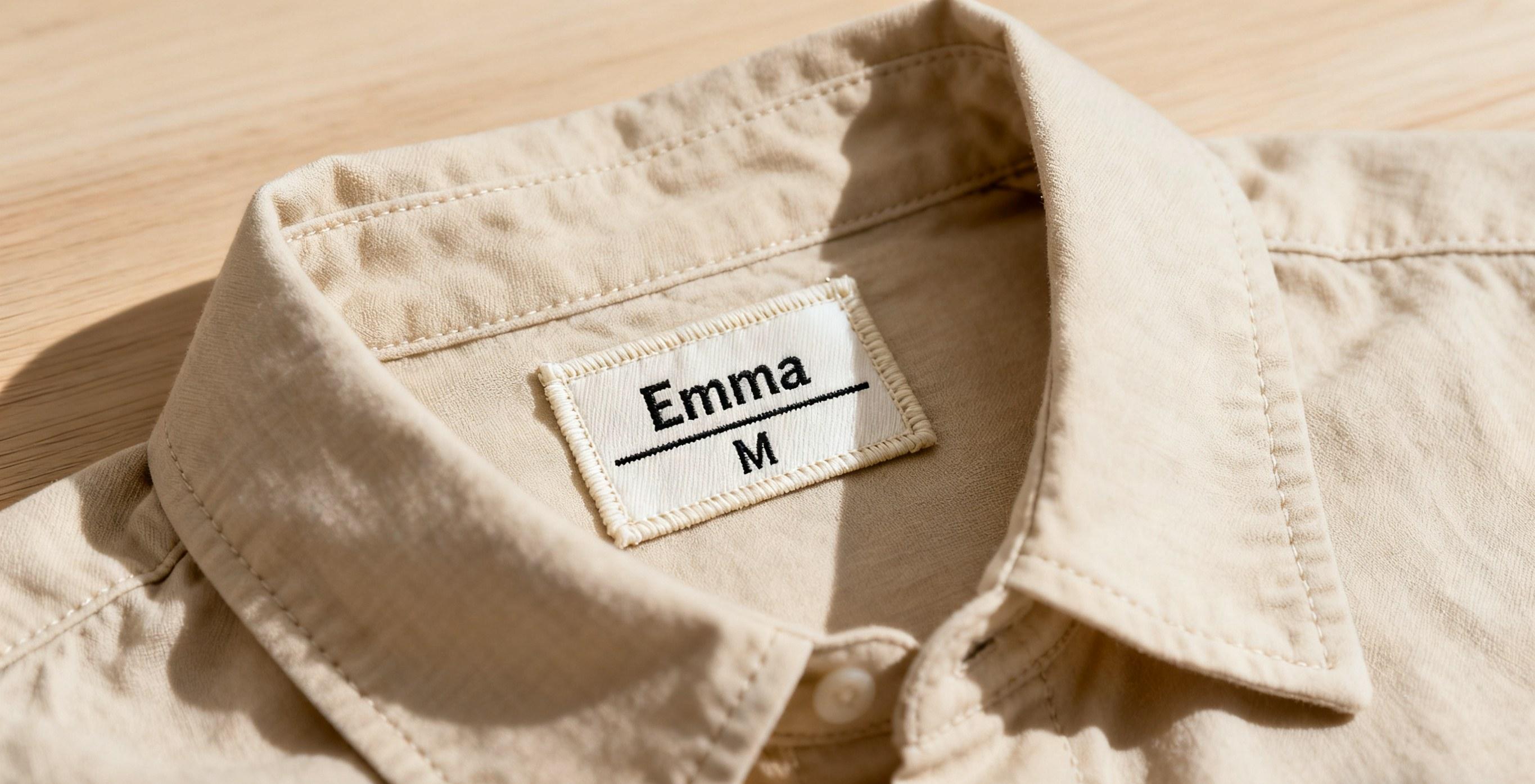
New Customized Tags for Clothes Features That Simplify Size Selection
Size-related confusion remains one of the leading causes of product returns in the apparel industry. For both online and in-store buyers, selecting the right fit can be a frustrating process. Traditional size charts and inconsistent sizing across brands further complicate the issue. This is where customized tags for clothes come in. More than just branding tools, these advanced tags now offer interactive features and size guidance that simplify the decision-making process.
1. Customized Tags for Clothing: From Branding to Practicality
Modern custom tags for clothing are designed not only to display brand identity but also to convey practical information such as fit advice, measurement references, and scannable QR codes. These tags can include size conversion charts (US/EU/Asia), visual fit suggestions, and even links to virtual try-on experiences.
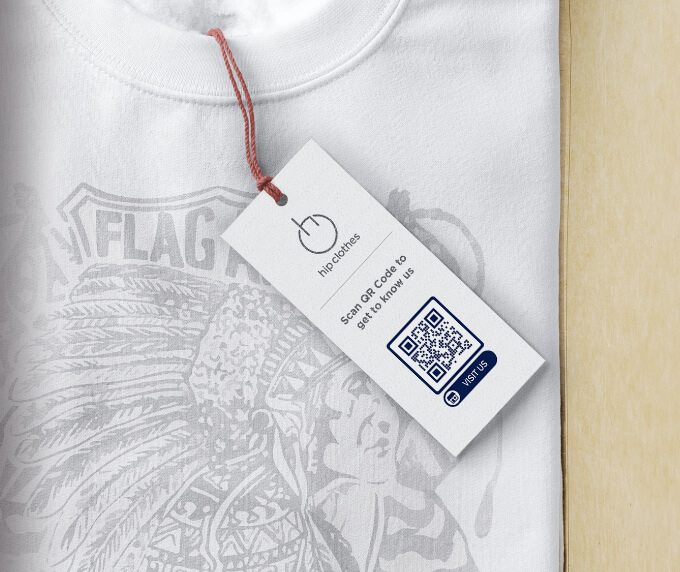
This shift transforms tags clothing from passive identifiers into active sales tools. Brands that incorporate helpful content into their tags reduce friction during purchase and enhance consumer trust.
2. Visual Cues for Better Fit Decisions
Consumers respond well to visual guidance. Adding body-shape diagrams or garment measurement visuals directly onto the tag helps buyers identify the correct size without having to consult store staff or guess.
Tags can also include:
-
Height/weight fit suggestions
-
Symbols for relaxed vs. slim fit
-
Icons showing body types (pear, athletic, tall, etc.)
These visual elements speed up decision-making and reduce dressing room time, which is especially important in fast-paced retail environments.

3. Smart Tags Enhance Online and Offline Conversions
Custom tags with QR codes or NFC can connect shoppers to sizing tutorials, video try-ons, and even customer reviews. In physical stores, this digital layer helps customers find their fit quickly. For online shoppers, scanned tags from sample garments or previous purchases can recommend correct sizes.
Retailers benefit as well:
-
Decreased return rates
-
Higher customer satisfaction
-
Improved inventory accuracy
OEM manufacturers and private label brands can differentiate themselves by offering these intelligent tags as a standard feature. It becomes part of the value proposition that retailers can market to customers.
4. Sustainable Design, Lasting Impact
Aside from size info, customized tags now often include:
-
Fabric sourcing details
-
Washing instructions
-
Recyclability icons
This transparency appeals to eco-conscious buyers who want both the right fit and responsible production. Using sustainable paper hang tags with ink-free printing or biodegradable materials further positions brands as forward-thinking.
Integrating size and care information into one multi-functional tag reduces waste and improves communication.
Conclusion: Helping Buyers Choose Right the First Time
In an age where personalization and efficiency define successful retail, customized tags for clothes are no longer optional—they're essential. Brands investing in custom tags for clothing that offer visual sizing cues, interactivity, and sustainability features see higher conversion rates and stronger brand loyalty.
Size selection doesn’t need to be a guessing game. With the right tags clothing approach, brands can empower customers to make confident purchases and reduce costly returns. It's a small design change with a big business impact.
FAQ: Customized Clothing Tags for Smarter Size Selection
Q1: What are customized tags for clothes?
A: Customized clothing tags refer to labels or hangtags designed specifically for a brand's product. These tags can include size indicators, brand logos, QR codes, material info, and even augmented reality (AR) elements. They enhance branding and customer usability.
Q2: How do custom tags for clothing help with size selection?
A: Custom tags can display size charts, visual fit guides, or QR codes that link to try-on apps or videos. This simplifies the sizing decision, reduces return rates, and improves the customer experience both in-store and online.
Q3: Are tags clothing with digital features expensive?
A: Not necessarily. While digital integrations like QR codes or NFC chips may slightly increase tag production costs, they offer strong ROI by improving conversion rates and reducing returns. Bulk manufacturing can also offset the cost.
Q4: Can paper hang tags include smart features?
A: Yes. Paper hang tags can easily incorporate QR codes, AR markers, or printed fit tips while remaining eco-friendly. These features are lightweight, cost-effective, and perfect for sustainable brands targeting informed consumers.
Q5: What types of fashion brands benefit most from these tags?
A: Brands in e-commerce, fast fashion, streetwear, and apparel startups see the highest impact. Customers in these sectors value convenience, mobile interactivity, and fast access to sizing help or product reviews.
Q6: Can I add these tags during sample production?
A: Absolutely. Many clothing sample makers now offer custom tags as part of their sample services, making it easy to integrate sizing tech and brand elements before mass production.
Retail clothing tags with Care Guides Prevent Buyer's Remorse
Tag making for clothes Reveal Clothing Origin & Craftsmanship Details