Design & Production Best Practices for Custom Clothing Labels
When it comes to garment branding, the details matter. Clothing tags, whether woven, printed, or embroidered, do more than just display a logo — they communicate quality, style, and brand identity. For businesses looking to create clothing tags custom to their needs, there are essential best practices to follow. From selecting the right materials to ensuring regulatory compliance, every decision impacts both the product and the perception of the brand.
1. Material Selection
Choosing the right label material is a critical step in the design process. A mismatch between garment type and label material can result in poor aesthetics, discomfort, or reduced durability.
-
For durable, heavy fabrics: Custom woven tags are ideal for garments like denim jackets, jeans, or workwear. They can withstand frequent washing, friction, and rough handling without fading or fraying.
-
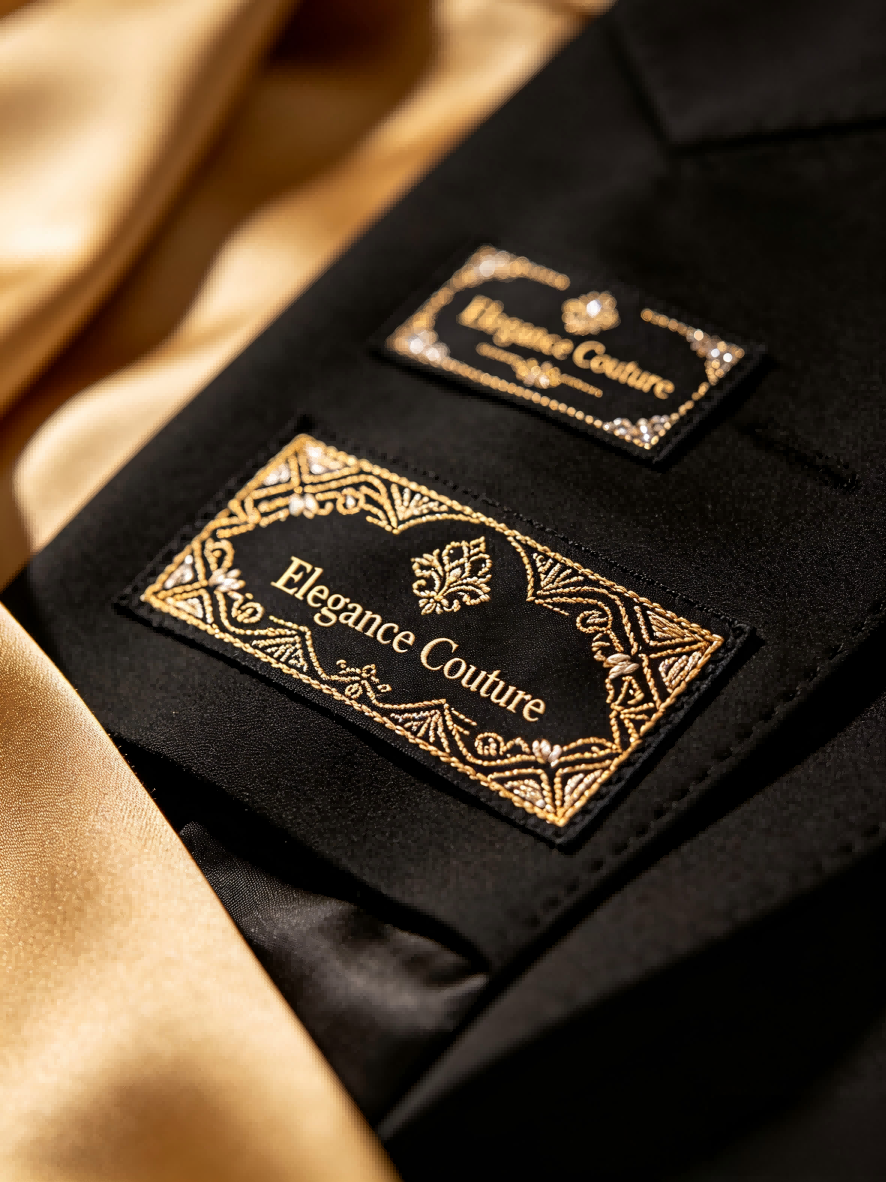
For delicate and premium fabrics: Embroidered fabric labels work beautifully for luxury silk blouses, cashmere sweaters, or formal wear. They add texture and elegance while remaining lightweight and unobtrusive.
-
Eco-conscious options: Brands aiming for sustainable production can opt for organic cotton, bamboo fiber, or recycled polyester woven labels. These not only reduce environmental impact but also appeal to eco-minded consumers.

2. Regulatory Compliance
No matter how creative your design, custom woven tags and clothing tags custom must meet the legal requirements of your target market.
Most countries require clothing labels to display:
-
Fiber content (e.g., 100% cotton)
-
Care instructions (with standardized symbols)
-
Country of origin (e.g., Made in Italy)
-
Size information
For brands selling internationally, it’s crucial to understand variations in labeling laws. For example:
-
The U.S. Federal Trade Commission (FTC) mandates specific fiber disclosure rules.
-
The European Union has strict regulations for multilingual care labels.
-
Some markets require safety labels for children’s clothing, such as warnings for drawstrings or small parts.
Failing to comply can result in fines, product recalls, or blocked shipments — a costly risk easily avoided with careful planning.
3. Branding Alignment
Labels are not just identifiers; they are miniature brand ambassadors. The choice of design, typography, and color palette should align seamlessly with the overall brand identity.
-
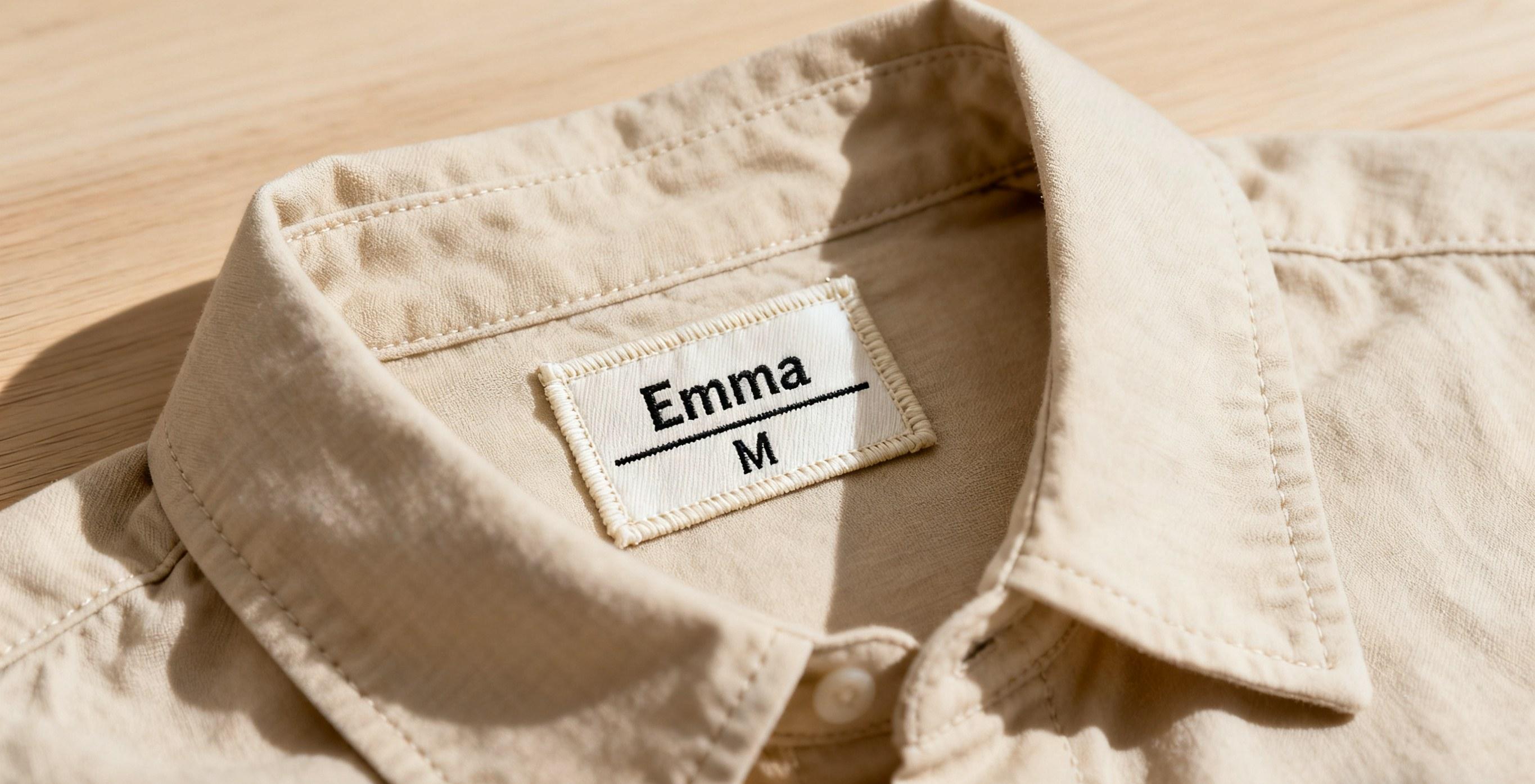
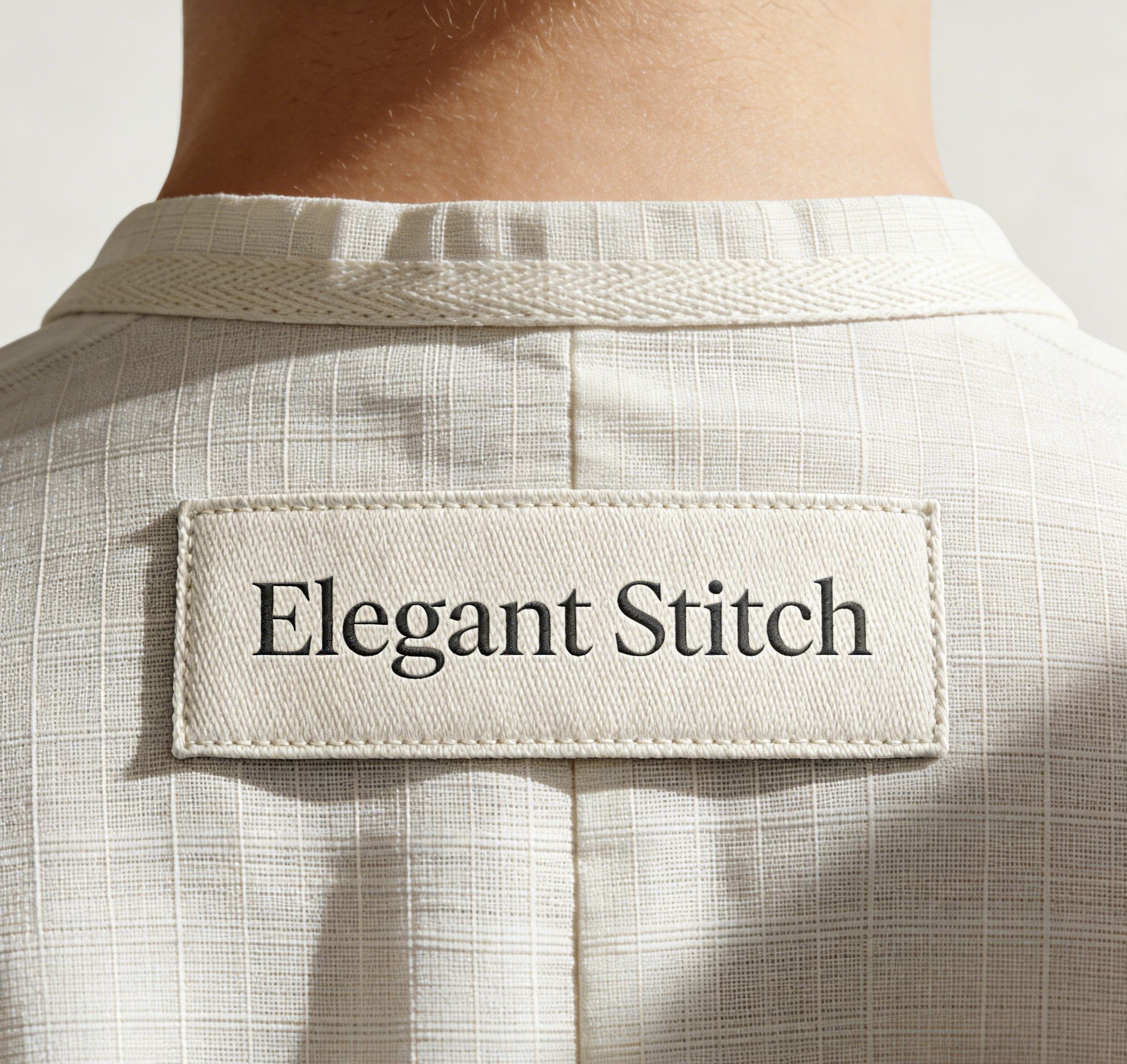
Modern minimalist brands often use small, monochrome woven labels with clean sans-serif fonts.
-
Heritage and luxury brands tend to prefer rich textures, metallic threads, and ornate typefaces.
-
Streetwear labels may use bold colors, oversized tags, or unconventional shapes to stand out.
The key is consistency — from hang tags to inside labels, every touchpoint should reflect the same visual language.

Example: A high-end leather goods brand might use custom woven tags with gold threads and embossed leather hang tags, reinforcing the premium positioning in every customer interaction.
4. Production Quality Control
Even the best design can be ruined by poor execution. Quality control should be a standard part of the production process for embroidered fabric labels and woven tags.
Check for:
-
Color accuracy (Pantone matching)
-
Thread tension in embroidery to prevent puckering
-
Edge finishing to avoid fraying
-
Consistent placement on garments for a polished look
Some brands go as far as to keep a “label library” — a catalog of all approved label versions — to ensure consistency across multiple production runs and manufacturers.
5. Enhancing Customer Experience
Well-designed labels can improve the customer experience in subtle but powerful ways. Consider:
-
Reversible labels that can be flipped inside for minimal visibility.
-
QR code integration linking to washing tips, style guides, or brand stories.
-
Tactile finishes like satin or soft-cotton backing for enhanced comfort.
6. Collaboration with Professional Manufacturers
Partnering with an experienced manufacturer for clothing tags custom ensures access to advanced weaving technology, embroidery precision, and eco-friendly production methods. This also makes it easier to integrate complex designs — such as gradient patterns or microtext — that might not be achievable with basic equipment.

Final Thoughts
In the competitive fashion industry, labels and tags are more than functional items — they are silent storytellers. By following these design and production best practices, brands can ensure their custom woven tags and embroidered fabric labels do more than last the life of the garment; they can strengthen brand recognition, reinforce quality perception, and comply with global standards.
Whether you’re a luxury label, a streetwear innovator, or a sustainable fashion pioneer, the right label can make all the difference between being forgotten and becoming a favorite.
The Strategic Role of Embroidered Labels and Woven Tags in Modern Branding
Custom Woven & Sewing Labels: Tailored Solutions for Every Client Group Introduction