Woven Heat Transfer Label vs Woven Labels: Durability
When selecting labels for apparel, durability is a key factor influencing choices between heat transfer garment label printing and traditional woven garment labels. Both methods serve distinct purposes in branding and compliance, but their longevity varies dramatically. This article compares the resilience of these techniques, focusing on garment fabric labels, to help brands make informed decisions while optimizing for SEO with strategic keyword integration.
1. Overview of Heat Transfer and Woven Labels
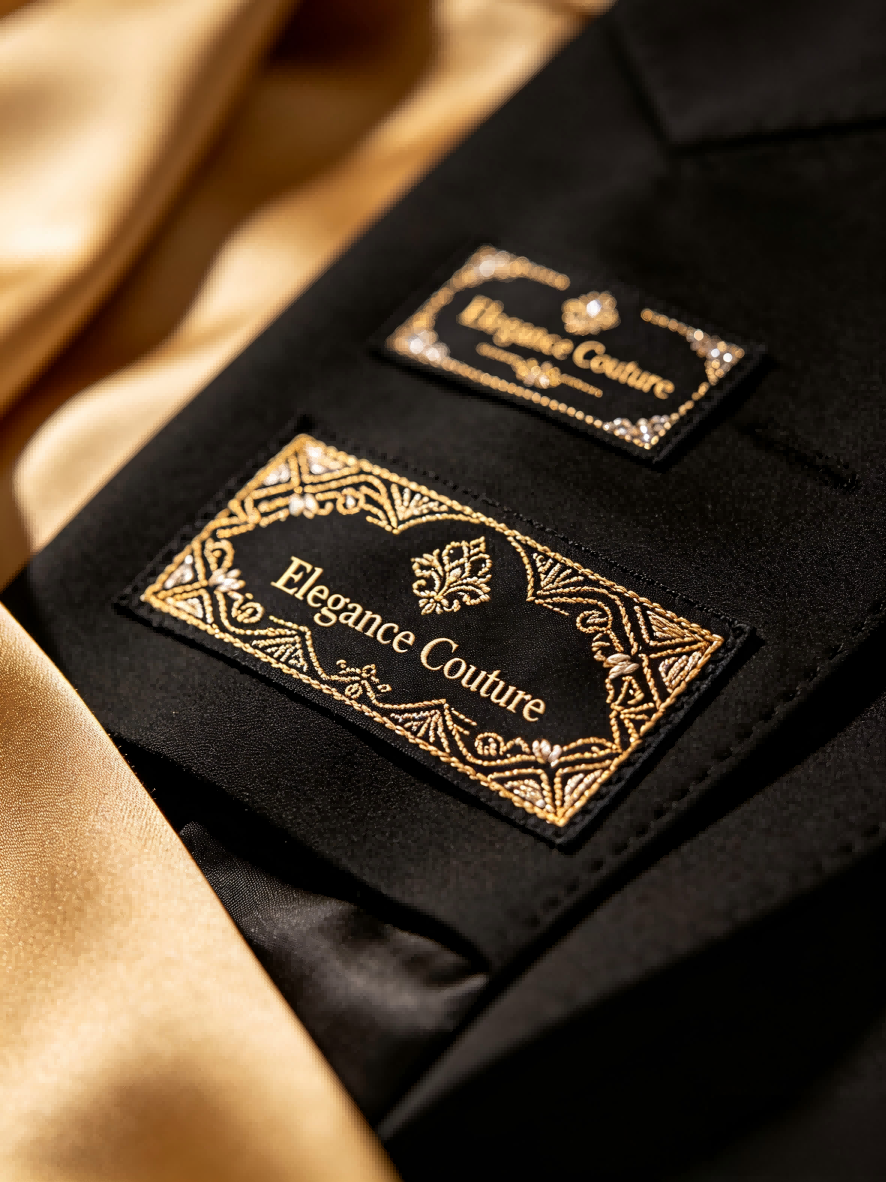
A. Woven Garment Labels
- Production: Threads are interlaced on looms to create durable, textured labels.
- Materials: Polyester, cotton, or metallic threads.
- Best For: High-end apparel, outdoor gear, and garments requiring long-term wear.
B. Heat Transfer Garment Label Printing
- Production: Designs are printed onto transfer paper and heat-pressed onto fabric.
- Materials: Plastisol or water-based inks on polyester, nylon, or cotton blends.
- Best For: Complex graphics, stretch fabrics, and small-batch orders.
2. Durability Under Stress
A. Wash Resistance
- Woven Garment Labels: Withstand 50+ industrial washes (ISO 6330 standard) without fraying or fading.
- Heat Transfer Labels: Begin cracking after 20–30 washes, especially on high-friction areas like collars.
- Case Study: Patagonia’s woven labels on fleece jackets retained legibility after 100 washes, while heat transfers on competitor products faded at 25 cycles.
B. Abrasion Resistance
- Woven Labels: Maintain integrity in Martindale rub tests (10,000+ cycles) due to dense thread weaving.
- Heat Transfers: Show visible wear after 2,000 cycles due to ink layer separation.
C. Environmental Factors
- UV Exposure: Woven threads resist fading better than heat transfer inks, which degrade under prolonged sunlight.
- Moisture: Heat transfers on garment fabric labels may peel in humid conditions, while woven labels remain intact.
3. Cost vs. Longevity Analysis
| Factor | Woven Garment Labels | Heat Transfer Labels |
|---|---|---|
| Initial Cost (1k units) | 0.30–0.60 | 0.10–0.25 |
| Replacement Rate | Every 3–5 years | Every 1–2 years |
| Labor Costs | Lower (pre-sewn) | Higher (manual application) |
| Total 5-Year Cost | $1,500 | $2,500 |
Source: Textile Industry Report, 2024
While heat transfer garment label printing is cheaper upfront, frequent replacements negate savings over time.
4. Material Compatibility
A. Woven Labels
- Fabric Fit: Ideal for rigid materials like denim, canvas, or wool.
- Limitations: May feel bulky on lightweight knits.
B. Heat Transfer Printing
- Fabric Fit: Best for stretchy or delicate fabrics (e.g., spandex, silk).
- Limitations: Poor adhesion to waterproof or silicone-coated garment fabric labels.
5. Aesthetic & Functional Trade-Offs
- Design Flexibility: Heat transfers allow full-color gradients and photorealistic prints, unlike woven garment labels limited to thread-based designs.
- Tactile Feel: Woven labels offer a premium texture, while heat transfers can feel plasticky.
- Compliance: Woven labels better withstand care symbol legibility requirements over time.
6. Sustainability Considerations
- Woven Labels: Use recyclable threads (e.g., GRS-certified polyester) but require more water/energy.
- Heat Transfers: Generate less material waste but rely on PVC-based plastisol inks (non-recyclable).
- Innovation: Brands like Tentree now use biodegradable heat transfer inks for eco-friendly garment label printing.
7. Industry Applications
- Luxury Brands: Prioritize woven garment labels for heirloom-quality durability (e.g., Brunello Cucinelli).
- Sportswear: Nike uses heat transfers for seamless, irritation-free garment fabric labels on compression wear.
- Fast Fashion: Zara combines woven brand tags with heat-transferred care instructions to balance cost and compliance.
Conclusion: Choosing Based on Brand Needs
Woven garment labels excel in longevity and luxury appeal, making them ideal for premium or long-lifecycle products. Heat transfer garment label printing, while cost-effective for short-term use, suits dynamic designs and stretch fabrics. By aligning your choice with durability demands, fabric type, and sustainability goals, you ensure garment fabric labels reinforce—not undermine—your brand’s reputation.
As industry leader Eileen Fisher advises, “Durability is sustainability.” Let your labels embody both.
Custom Garment fabric Label Printing: Minimum Order Strategies
Garment Fabric Label Compliance: Global Printing Regulations