The Essential Guide to Garment Labels: Building Brand Identity Through Quality and Design
In today’s highly competitive apparel market, garment labels are far more than simple identifiers. They communicate a brand’s story, convey quality, and serve as vital compliance tools. For manufacturers and brand owners, understanding the role of clothing labels is crucial to ensuring both market success and consumer trust.
1️⃣ The Importance of Garment Labels in Modern Apparel
Every brand, from luxury designers to mass-market retailers, relies on garment labels to reflect its identity and ensure traceability. A well-crafted label enhances brand recognition and communicates authenticity, while poor labeling can diminish perceived value.
Labels also play a regulatory role—providing fiber content, country of origin, and care instructions. Beyond functionality, modern clothing labels embody creativity and brand aesthetics, merging design and compliance into a single element.

2️⃣ Woven Labels: The Benchmark of Professional Branding
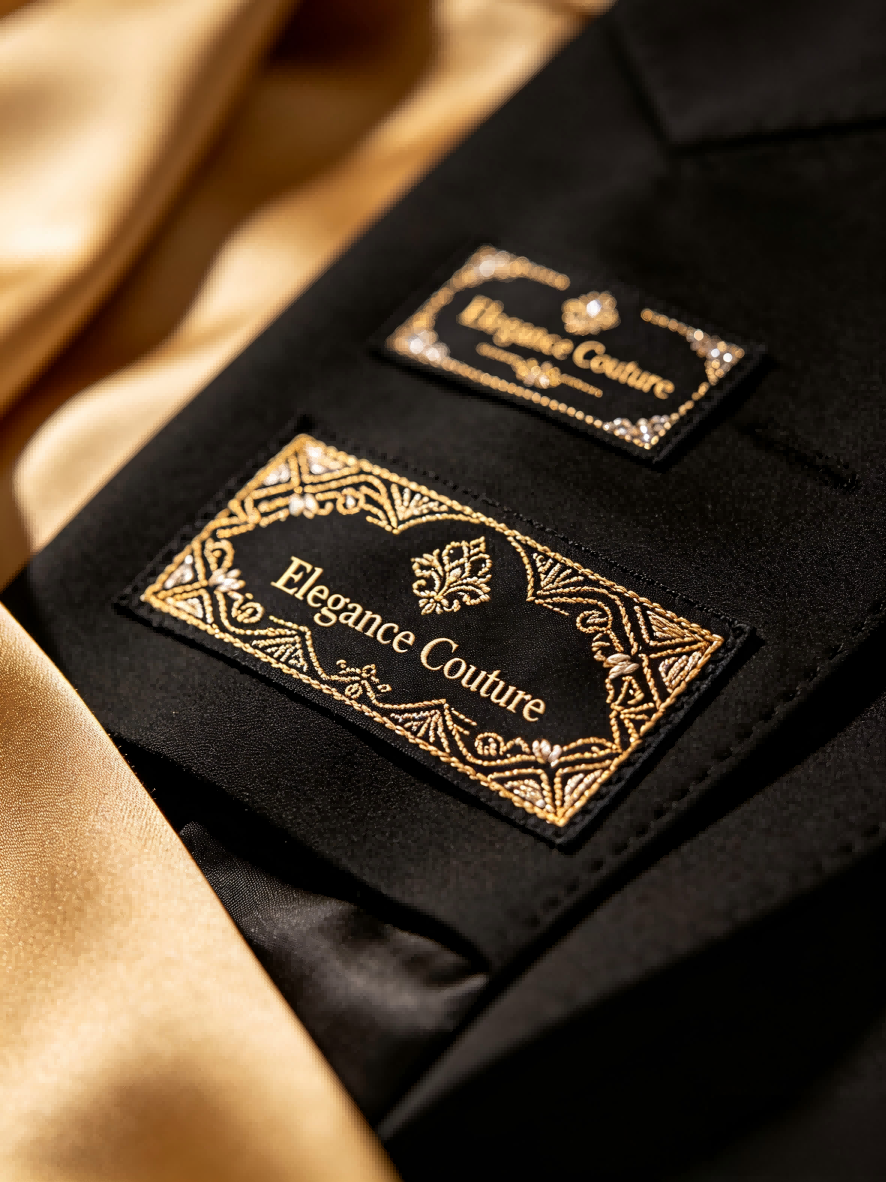
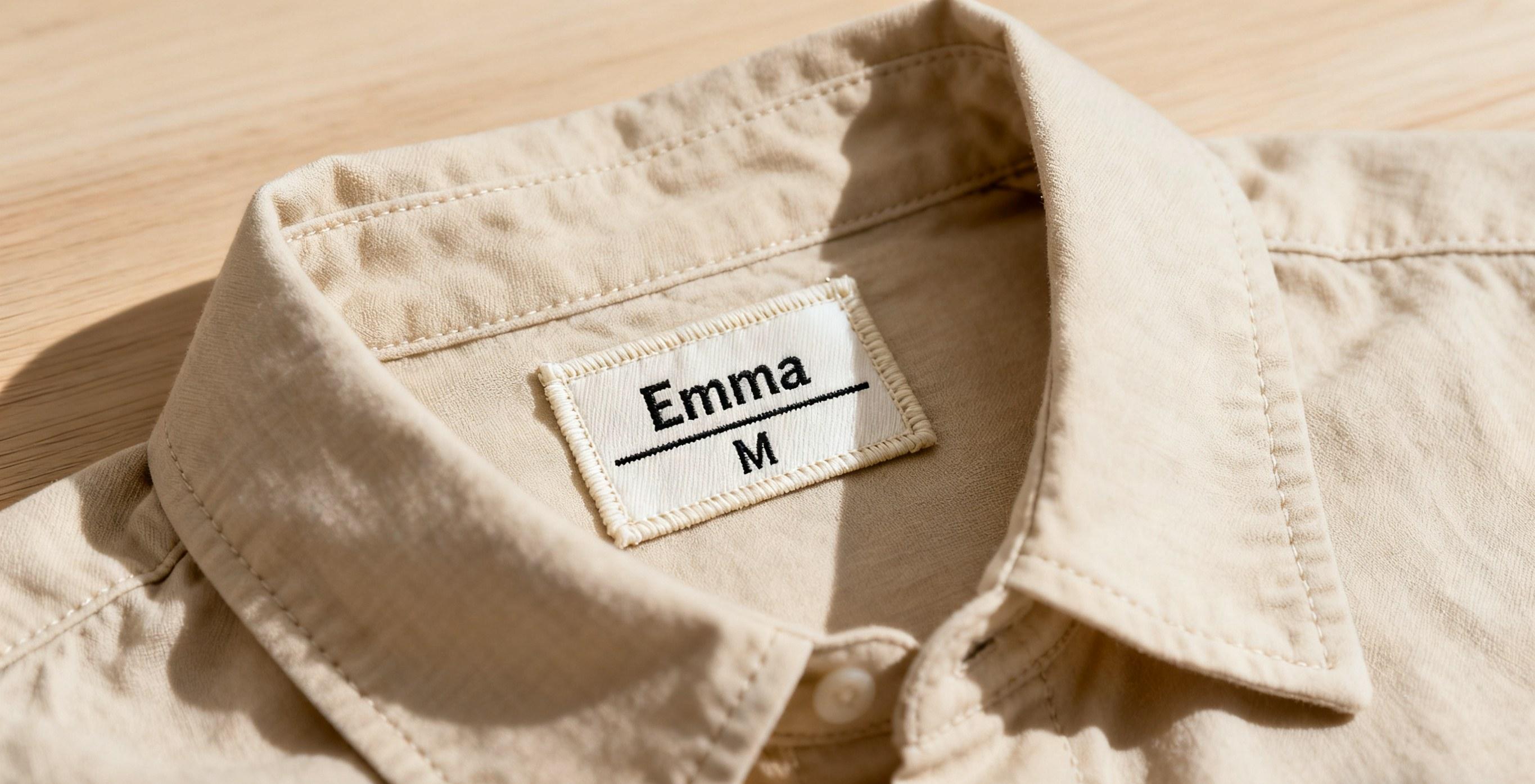
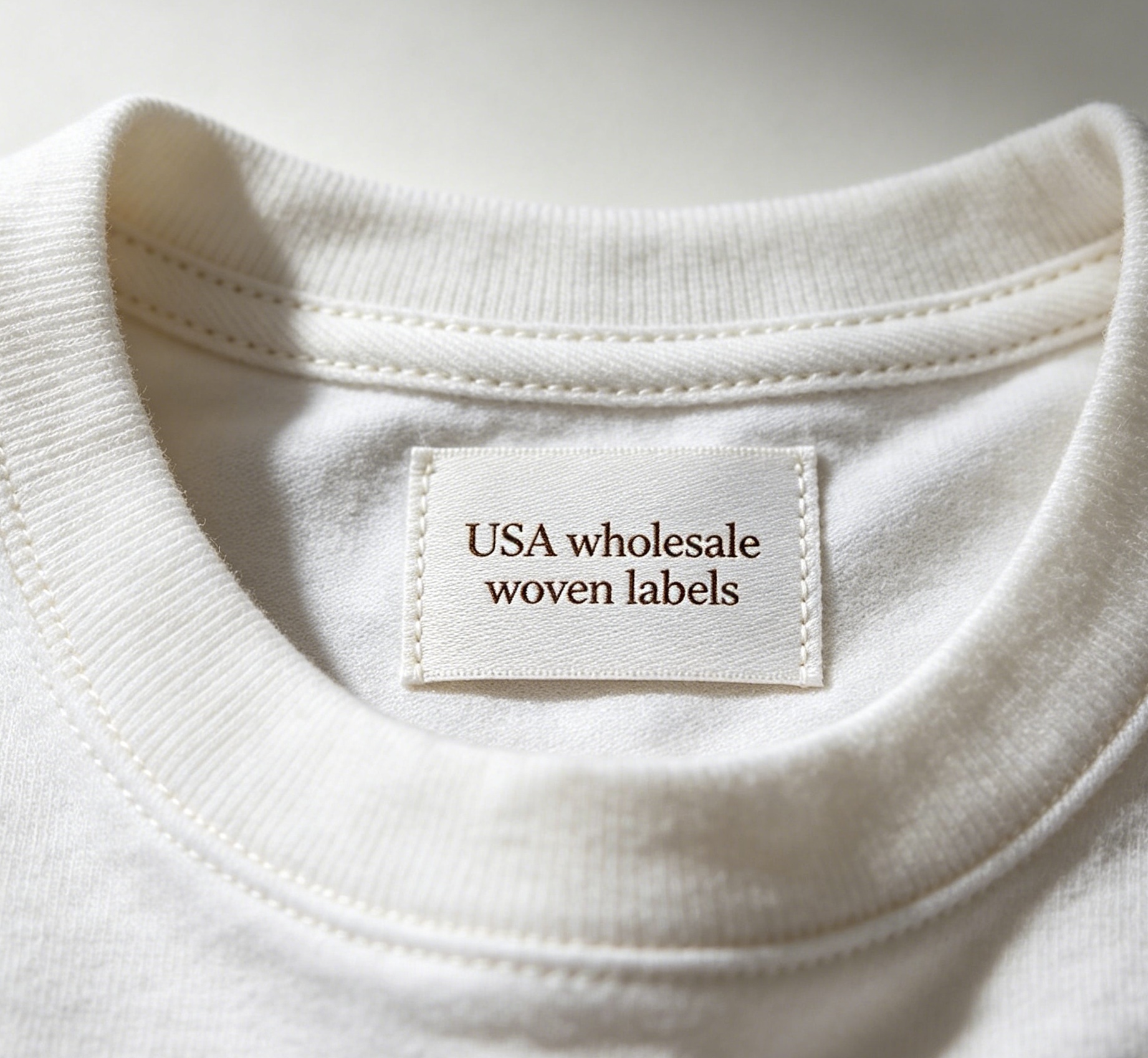
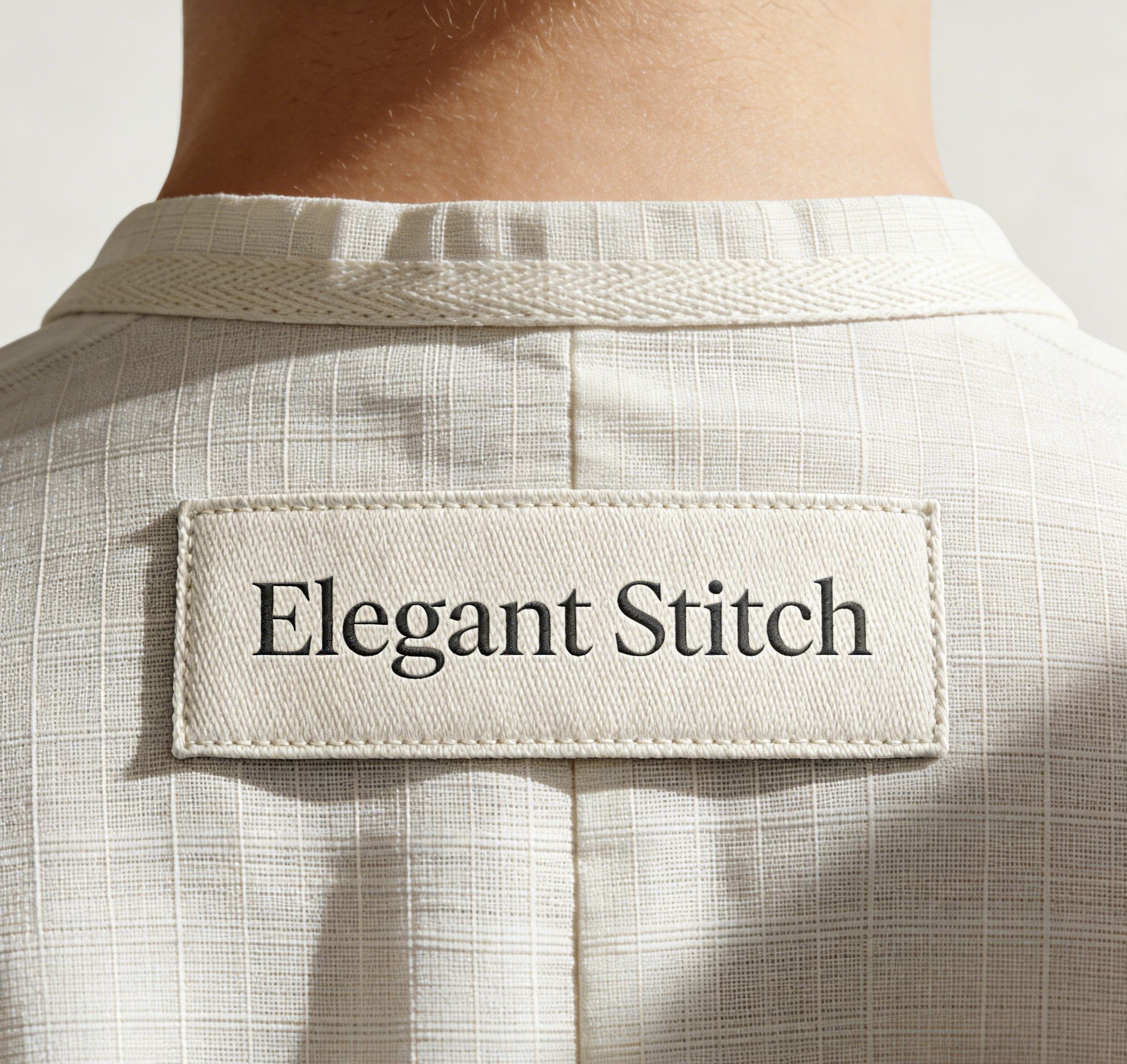
Among all label types, woven labels remain the preferred option for high-end and durable garments. They are produced by weaving threads into fabric, resulting in texture, depth, and longevity unmatched by printed options.
Custom woven labels allow apparel makers to express fine details such as intricate logos, metallic threads, or minimalistic typography. Available in damask, satin, or taffeta finishes, woven options adapt seamlessly to both formalwear and casual collections.
Unlike temporary sticker-style tags, woven labels withstand washing, abrasion, and wear — maintaining the garment’s identity over time. This durability makes them ideal for denim, outerwear, and uniforms, where long-term use defines product quality.

3️⃣ Printed and Fabric Clothing Labels
While woven options highlight craftsmanship, printed clothing labels deliver flexibility. They suit fast-fashion and multi-SKU production, where speed and cost efficiency are key. These labels can be made using eco-friendly inks or digital heat-transfer methods, ensuring smooth surfaces and soft hand-feel against the skin.
For performance wear or lightweight garments, printed labels reduce bulk and enhance comfort—an essential feature for sportswear brands. Many manufacturers now combine printed and woven labels to achieve visual balance and tactile appeal across product lines.
4️⃣ Choosing the Right Garment Label for Your Brand
Selecting the proper label type depends on your brand positioning and target market:
-
Premium fashion labels → opt for woven labels to express sophistication.
-
Casual or lifestyle brands → use printed or fabric labels for softness and flexibility.
-
Children’s or sports apparel → choose heat-transfer or soft woven labels for comfort and durability.
Balancing material, finish, and application method helps ensure consistent quality across your entire collection. Whether you prioritize tactile elegance or modern minimalism, the right garment label defines the emotional connection between product and wearer.

5️⃣ Innovation and Sustainability in Garment Labeling
The future of labeling is driven by innovation and sustainability. Brands are shifting toward recycled polyester yarns, organic cotton threads, and low-impact dyes. These eco-friendly clothing labels align with global environmental standards while appealing to conscious consumers.
Technological advancements such as RFID chips and QR-coded garment labels also enhance supply-chain transparency. By merging smart technology with traditional craftsmanship, apparel makers can track inventory, verify authenticity, and communicate brand stories directly to customers.
Modern custom woven labels for clothing thus represent both artistry and accountability—merging design integrity with environmental responsibility.
6️⃣ Conclusion — Transforming Apparel Through Thoughtful Label Design
Garment labeling is no longer a small manufacturing detail—it’s a key element of brand architecture. Whether through elegant woven labels, flexible printed tags, or innovative eco-materials, every design decision influences how customers perceive your product.
By investing in quality clothing labels, brands build consistency, trust, and long-term recognition. The right label not only strengthens your market presence but also communicates the craftsmanship and care behind each garment.
How Customized Garment Labels Define Modern Brand Identity
The Evolving Role of Brand Labels in Fashion