Hang Tag Clothing Labels: From Function to Brand Storytelling
Hangtags and Labels in Apparel Branding
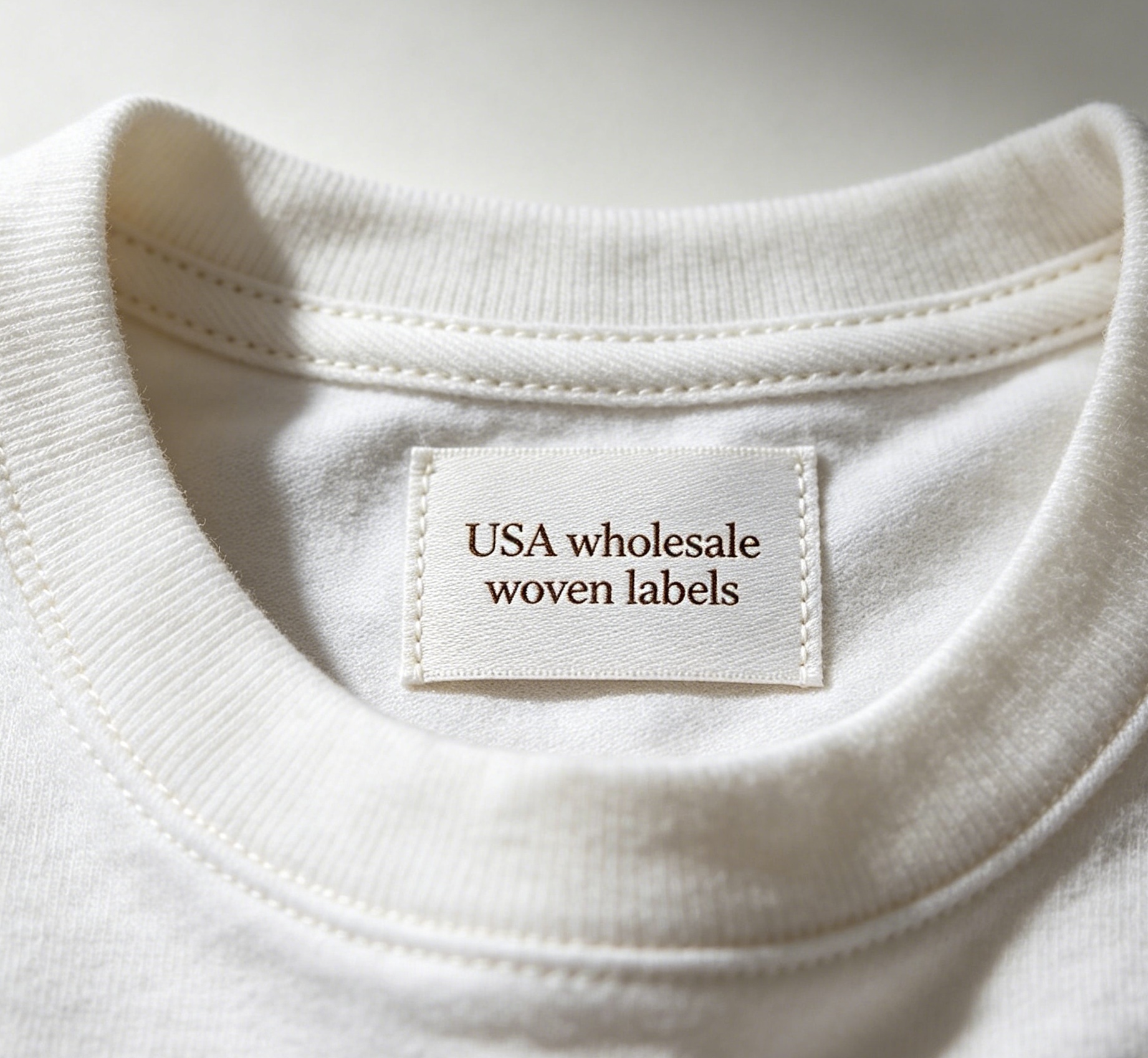
In the apparel industry, hang tag clothing labels are more than functional accessories. They act as strategic brand touchpoints, shaping customer perception from the very first interaction. While tags deliver essential details like fabric composition, care instructions, or legal compliance, their design also communicates the brand’s personality.
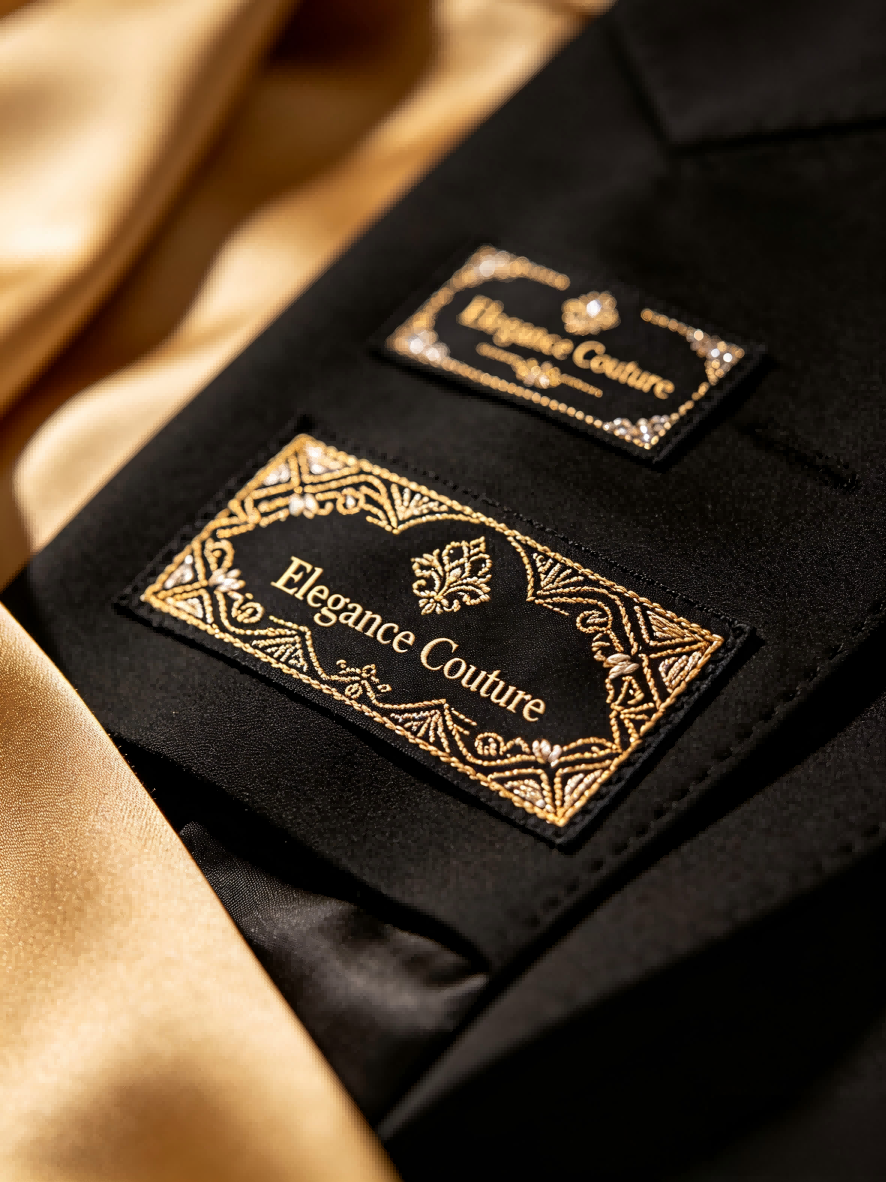
For high-end brands, clothing hang tags and labels emphasize craftsmanship through premium textures, embossed finishes, and minimalist layouts. For sustainable brands, material choice becomes central, with recycled paper and soy-based inks reinforcing eco-conscious values. These design decisions influence consumer confidence and loyalty, making hangtag clothing an essential investment in branding.

Industry Trends and Customer Priorities
The role of clothing hang tags and labels is evolving as customer expectations shift. Several industry trends highlight new priorities:
-
Sustainable Materials
Brands are adopting recycled paper, biodegradable inks, and plastic-free alternatives. This is especially critical as eco-conscious consumers scrutinize even the smallest packaging elements. -
Digital Integration
Smart tags are gaining popularity. Adding QR codes or NFC chips to hangtag clothing creates interactive experiences—consumers can scan to explore product origin, styling tips, or brand stories. -
Small-Batch Customization
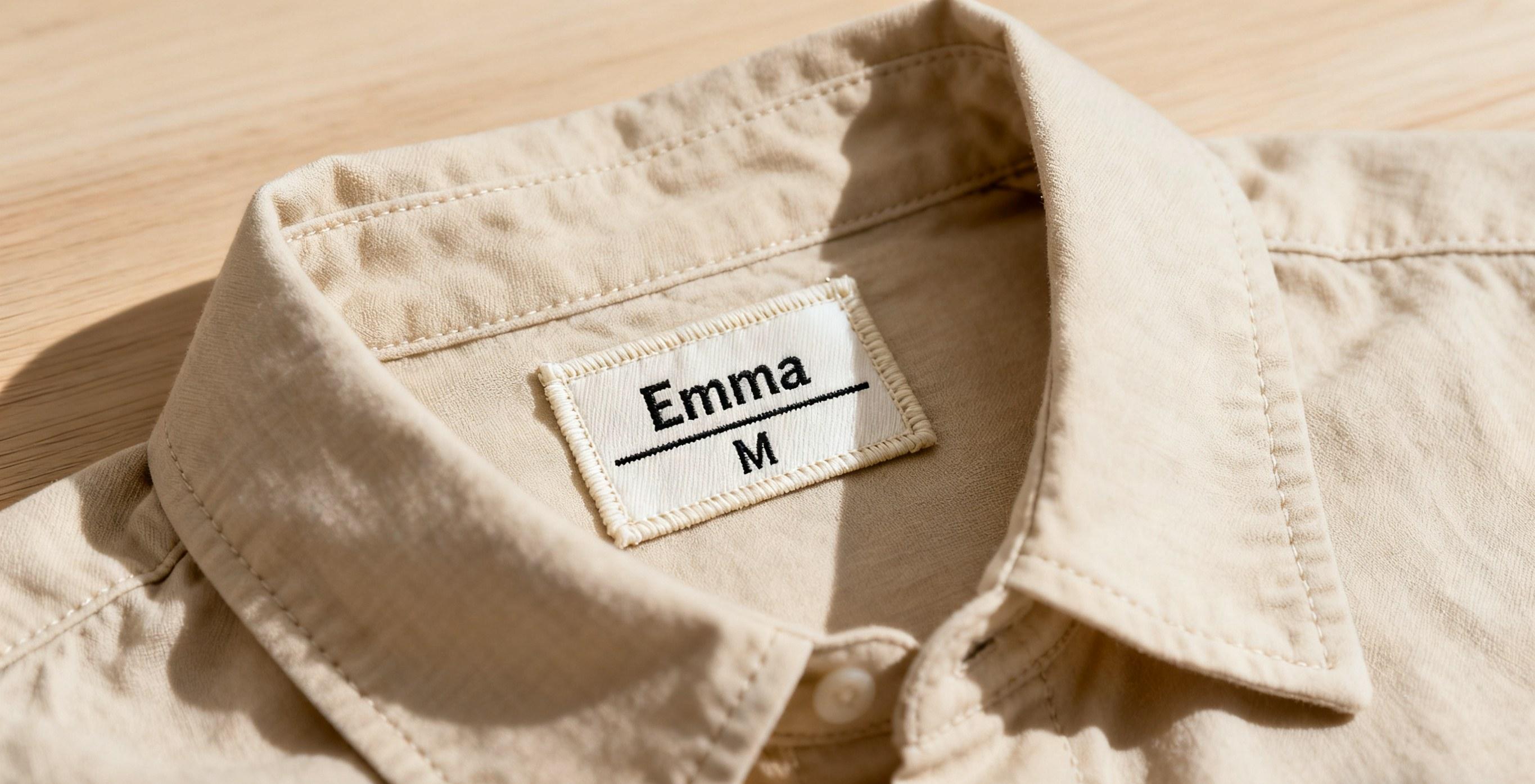
Independent designers and DTC brands are driving demand for short-run, customized hang tag clothing labels that allow for quick adaptation to trends. -
Regulatory Compliance
Global markets require specific information on clothing hang tags and labels, such as country of origin, fiber content, or safety certifications. Non-compliance can damage credibility and restrict market entry.

Practical Tips for Businesses
Choosing the right labeling strategy is not one-size-fits-all. Here are three practical considerations for apparel businesses:
-
Scale and Volume
Small retailers benefit from cost-effective, standardized hang tag clothing labels, while larger chains should invest in premium designs that guarantee brand consistency across collections. -
Balancing Cost and Creativity
Materials, finishes, and print techniques directly impact cost. Striking the right balance between affordability and differentiation ensures ROI without compromising aesthetics. -
Consistency Across Product Lines
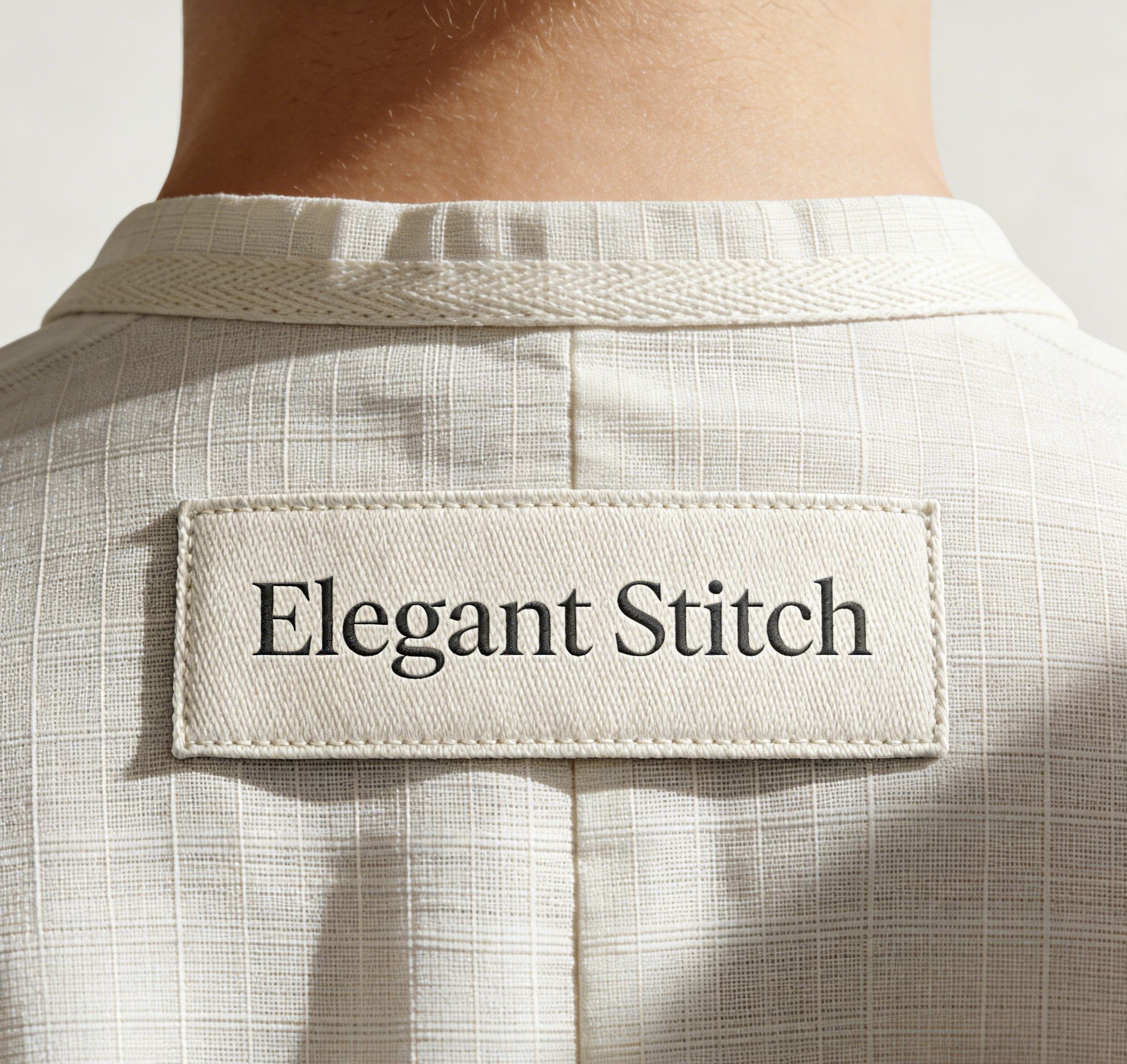
Uniformity in clothing hang tags and labels strengthens brand recognition. Whether launching seasonal collections or expanding into accessories, maintaining visual coherence reinforces consumer trust.
For businesses ready to explore tailored options, solutions like custom hang tags and design your own hang tags provide flexibility to align labels with evolving brand narratives.

Conclusion
The strategic role of hang tag clothing labels in retail cannot be underestimated. They function as both compliance tools and brand storytellers, blending practicality with emotional resonance. Whether through sustainable materials, interactive technology, or high-quality design, clothing hang tags and labels significantly influence purchasing decisions and long-term customer loyalty.
For retailers, wholesalers, and independent designers, the path forward is clear: prioritize hangtag clothing solutions that combine functionality, sustainability, and creative branding. By doing so, businesses not only meet regulatory and operational needs but also differentiate themselves in an increasingly competitive marketplace.
What Is Hang Tag? Strategic Role in Retail Labels
Strategic Value of Clothing Hang Tags