Hang Tag Market: Strategic Role in Apparel Branding
Introduction: The Role of Hang Tags
A hang tag is more than a simple piece of cardboard hanging from a garment. In today’s apparel market, hang tags and hangtags serve as the first brand-to-consumer interaction. Whether used in fast fashion or luxury apparel, a swing tag carries product information, brand personality, and customer value. For industry professionals, tags are not only identifiers but also strategic branding tools that influence purchasing behavior.
Types of Hang Tags
Standard Hang Tags
The most common hang tags are designed to provide essential information such as size, price, fabric, and care instructions. These hangtags are widely used across retail and wholesale apparel markets, ensuring consistency and product traceability.

Swing Tags
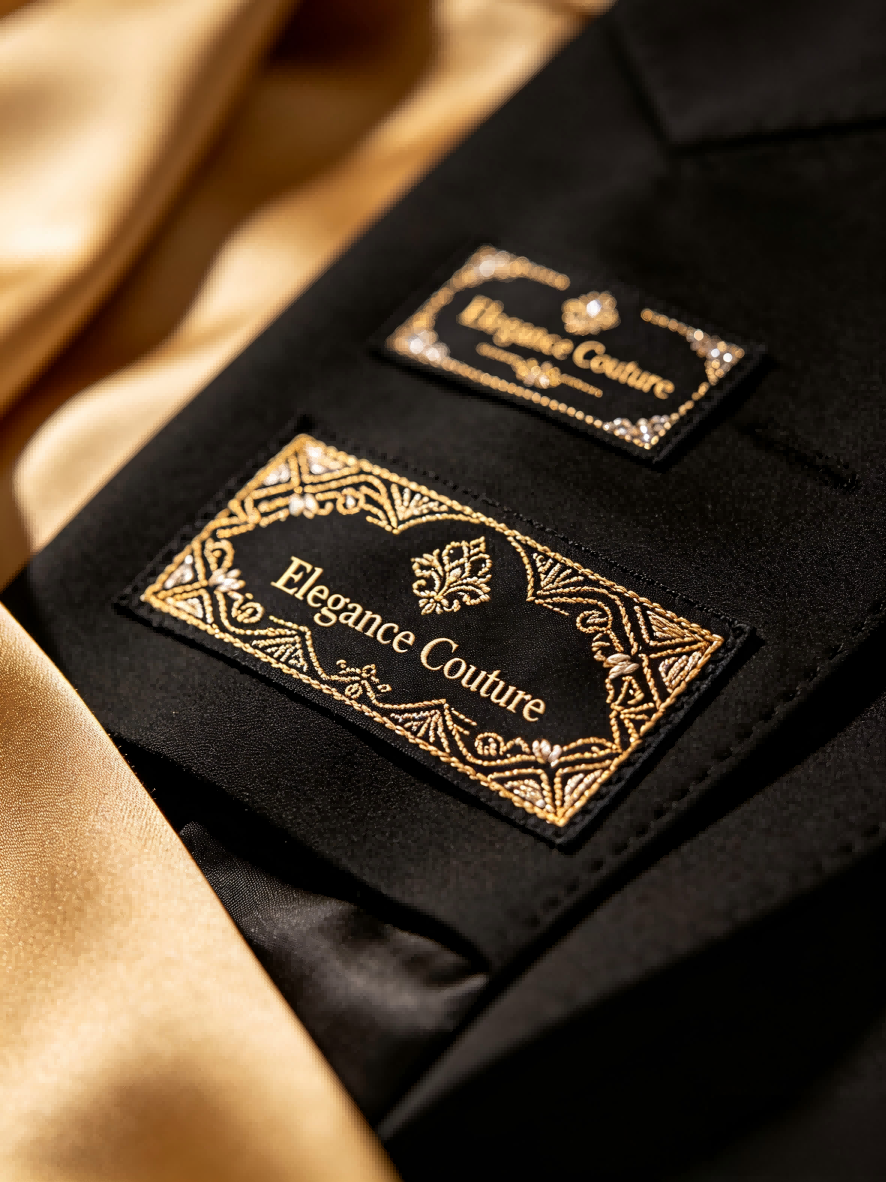
A swing tag is often associated with higher-end or designer brands. Unlike standard tags, swing tags emphasize design, material, and printing techniques. These labels reinforce exclusivity and brand differentiation by creating a strong visual impression on customers.

Custom Hang Tags & Custom Swing Tags
Brands aiming for uniqueness increasingly rely on custom hang tags and custom swing tags. These can be made from eco-friendly paper, fabric, or even metal, with finishes like embossing, foil stamping, or UV coating. For brands telling a story through packaging, customization is an indispensable tool.

Branding & Customer Value
For apparel companies, hangtags are not only informative but also emotional connectors.
-
For brands: A custom hang tag boosts recognition, adds perceived value, and supports premium pricing.
-
For manufacturers: High-volume production of hangtags ensures efficiency and consistency while meeting diverse design needs.
-
For retailers: Eye-catching swing tags help customers quickly identify product quality and positioning.
Case Example: Fast-fashion brands often prioritize cost-efficient hang tags with basic printing, while luxury houses invest in swing tags with premium finishes to elevate brand prestige.
Material & Sustainability
The materials used for hang tags play a crucial role in consumer perception. Popular options include paper, fabric, and plastic, while sustainable alternatives—such as recycled paper or biodegradable fibers—are gaining traction.
Sustainability is no longer a trend but a requirement. Brands adopting eco-friendly custom hang tags communicate responsibility and gain stronger consumer loyalty. Tags printed with soy-based ink or produced via low-energy processes align with environmentally conscious brand strategies.
Market Trends & Recommendations
-
Personalization: Consumers expect uniqueness, and custom swing tags can provide distinct brand identity.
-
Sustainability: Green printing and eco-friendly materials are rapidly becoming the new industry standard.
-
Digital Integration: Adding QR codes or NFC chips transforms a hangtag into an interactive platform, offering care guides or brand storytelling.
Recommendation for industry clients: Evaluate scale, budget, and brand positioning before choosing between standard hang tags, premium swing tags, or custom hang tags. Partner with a manufacturer that supports both efficiency and design flexibility.
For businesses looking for deeper insights into material choices, visit our custom woven labels page for related solutions.
Conclusion
From hang tags to swing tags, labels have evolved from mere identifiers to critical branding tools. For apparel manufacturers, retailers, and brand owners, investing in custom hang tags or custom swing tags is a strategic move to differentiate in a competitive marketplace.
As fashion continues to merge creativity with sustainability, the hangtag will remain a powerful medium to bridge product functionality with emotional brand storytelling.
Choosing the Right Clothing Labels Manufacturer: A Strategic Guide for Brands
The Strategic Role of Hangtags and Swing Tags in Apparel Branding