Collaborating with Designers on Embroidered Garment Labels
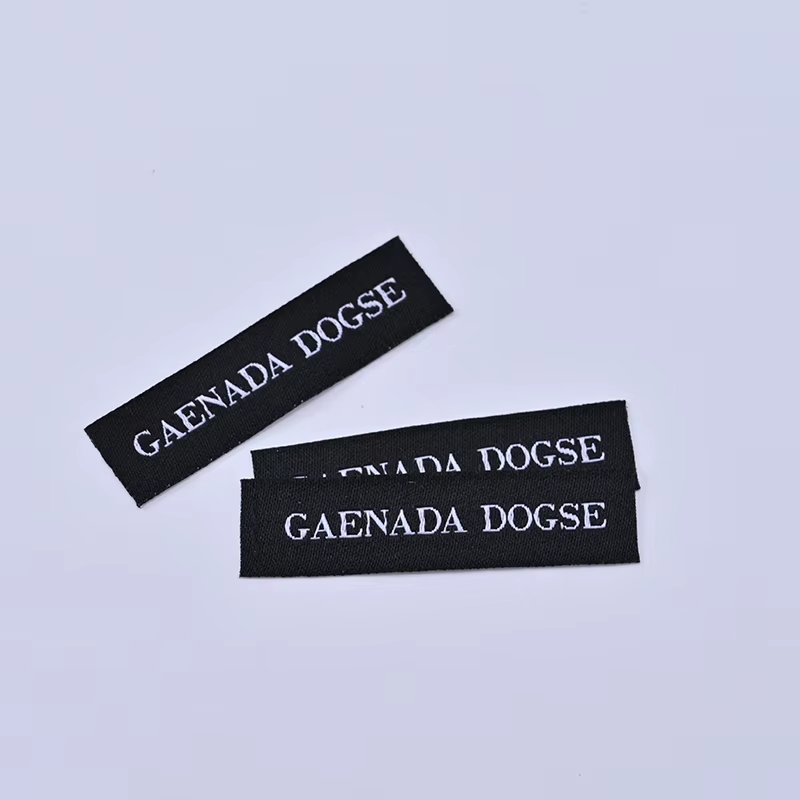
In the competitive fashion industry, small details make a big difference. Embroidered garment labels, garment label tags, and garment fabric labels serve as silent brand ambassadors that communicate quality and attention to detail. These essential components do more than just display care instructions—they reinforce brand identity and enhance the perceived value of clothing. Collaborating with skilled designers ensures these labels are both visually stunning and functionally durable.
Why Embroidered Garment Labels Matter
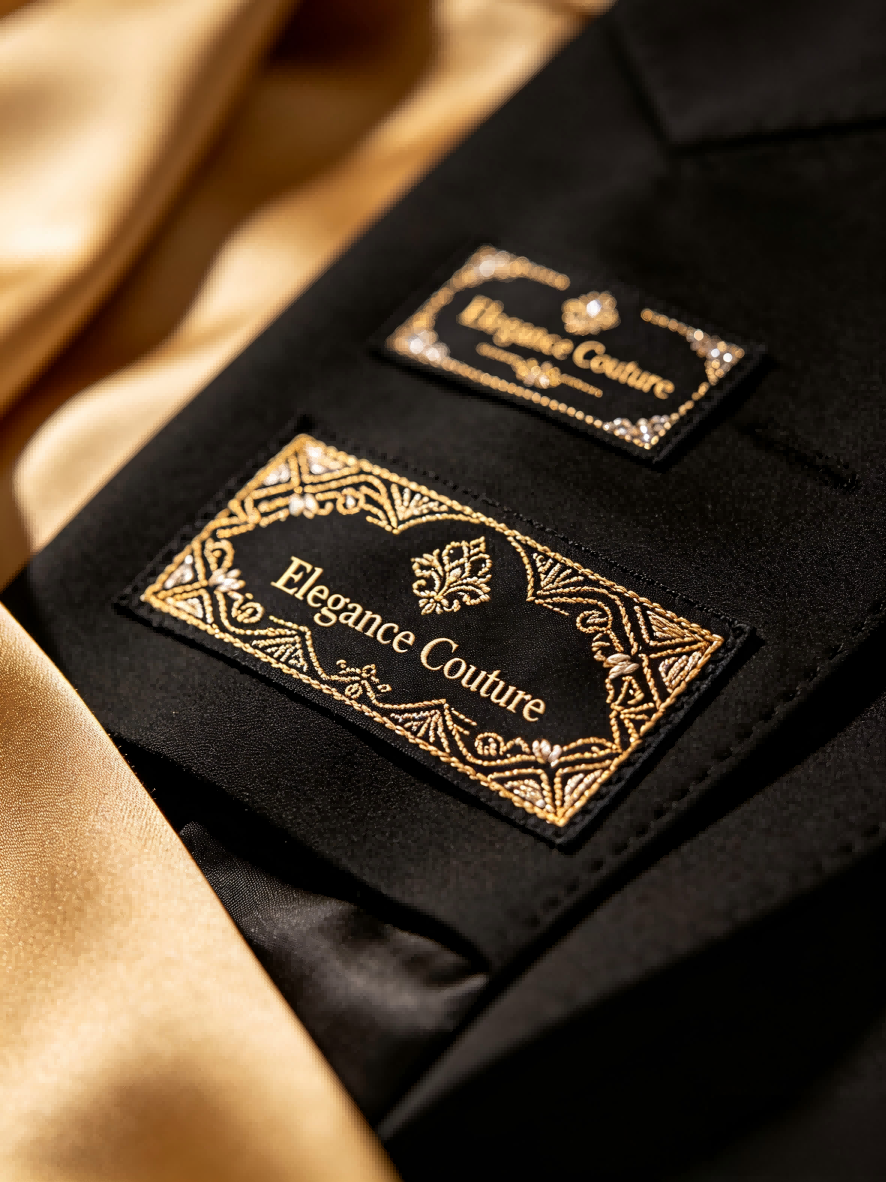
Embroidered garment labels have become a hallmark of premium apparel brands. Unlike printed labels that may fade over time, embroidered labels maintain their crisp appearance wash after wash. The raised texture adds a tactile luxury that customers appreciate in high-end garments. Designers carefully select embroidery thread colors to match brand palettes, choosing between matte or metallic finishes for different aesthetic effects.
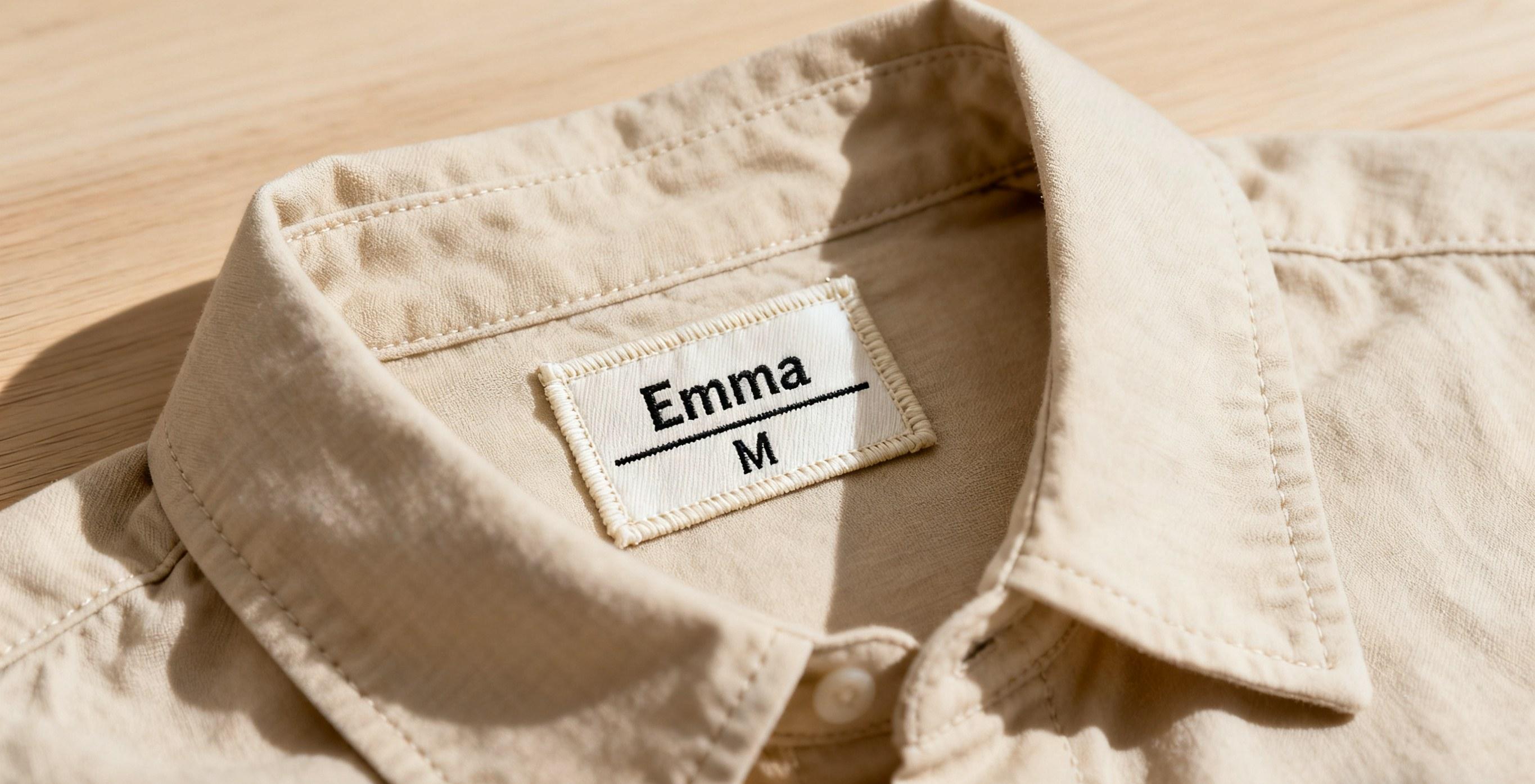
The stitching technique also impacts durability—chain stitches work well for intricate logos while satin stitches create smooth, elegant text. Placement is another critical consideration; designers often recommend positioning garment label tags along the neckline or side seam where they're visible yet comfortable against the skin.
Choosing the Perfect Garment Label Tags
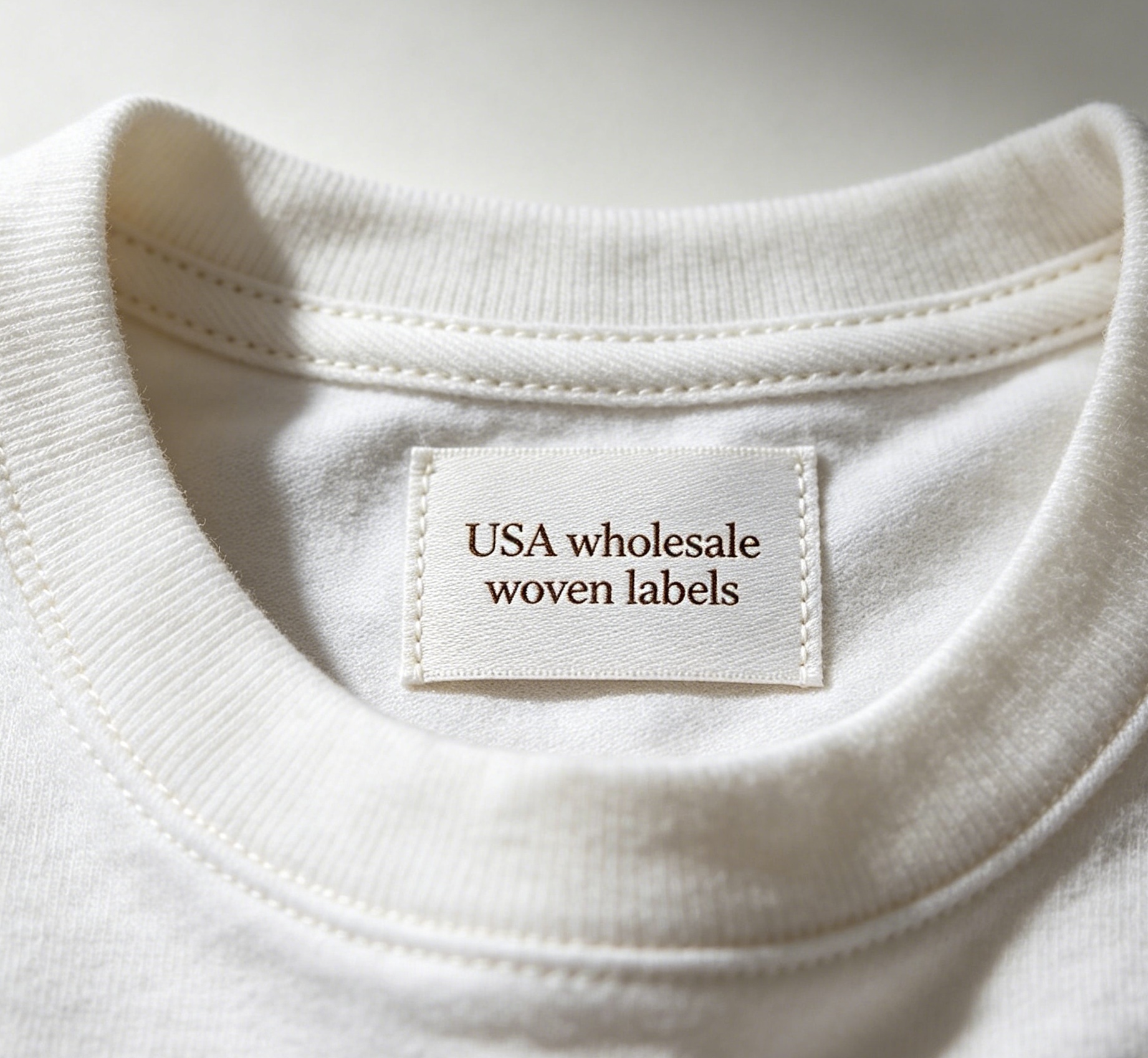
When selecting garment label tags, brands must balance aesthetics with functionality. Embroidered options provide superior longevity compared to woven or printed alternatives. Key factors designers evaluate include:
-
Material Selection: Polyester threads resist shrinking and fading, while cotton offers a natural look
-
Size Specifications: Standard sizes range from 1" to 3" depending on garment type
-
Attachment Methods: Options include fold-over labels, end-fold labels, or straight-cut labels
-
Compliance Requirements: Designers ensure labels meet international textile labeling regulations
For eco-conscious brands, designers may recommend organic cotton or recycled polyester threads for sustainable garment fabric labels that align with green initiatives.
The Psychology Behind Garment Fabric Labels
Garment fabric labels influence purchasing decisions more than most brands realize. A study by the Fashion Institute of Technology found that 68% of consumers associate high-quality labels with premium garments. This psychological connection makes label design a crucial branding element.
Designers employ various techniques to maximize impact:
-
Tactile Branding: Embossed logos or textured fabrics create memorable sensory experiences
-
Hidden Details: Some luxury brands place secondary labels inside seams as "discovery elements"
-
Seasonal Variations: Limited-edition holiday labels can create collectability
Technical Considerations for Optimal Performance
Beyond aesthetics, designers address practical concerns with embroidered garment labels:
-
Wash Testing: Labels undergo rigorous testing to ensure colorfastness
-
Pilling Resistance: Special finishes prevent unsightly fabric balls
-
Friction Points: Designers adjust stitch density to prevent skin irritation
-
Production Techniques: Computerized embroidery ensures pixel-perfect logo reproduction
Future Trends in Label Design
Innovations are transforming garment label tags:
-
Smart Labels: NFC-enabled tags that connect to digital content
-
Eco-Inks: Plant-based dyes for sustainable printing
-
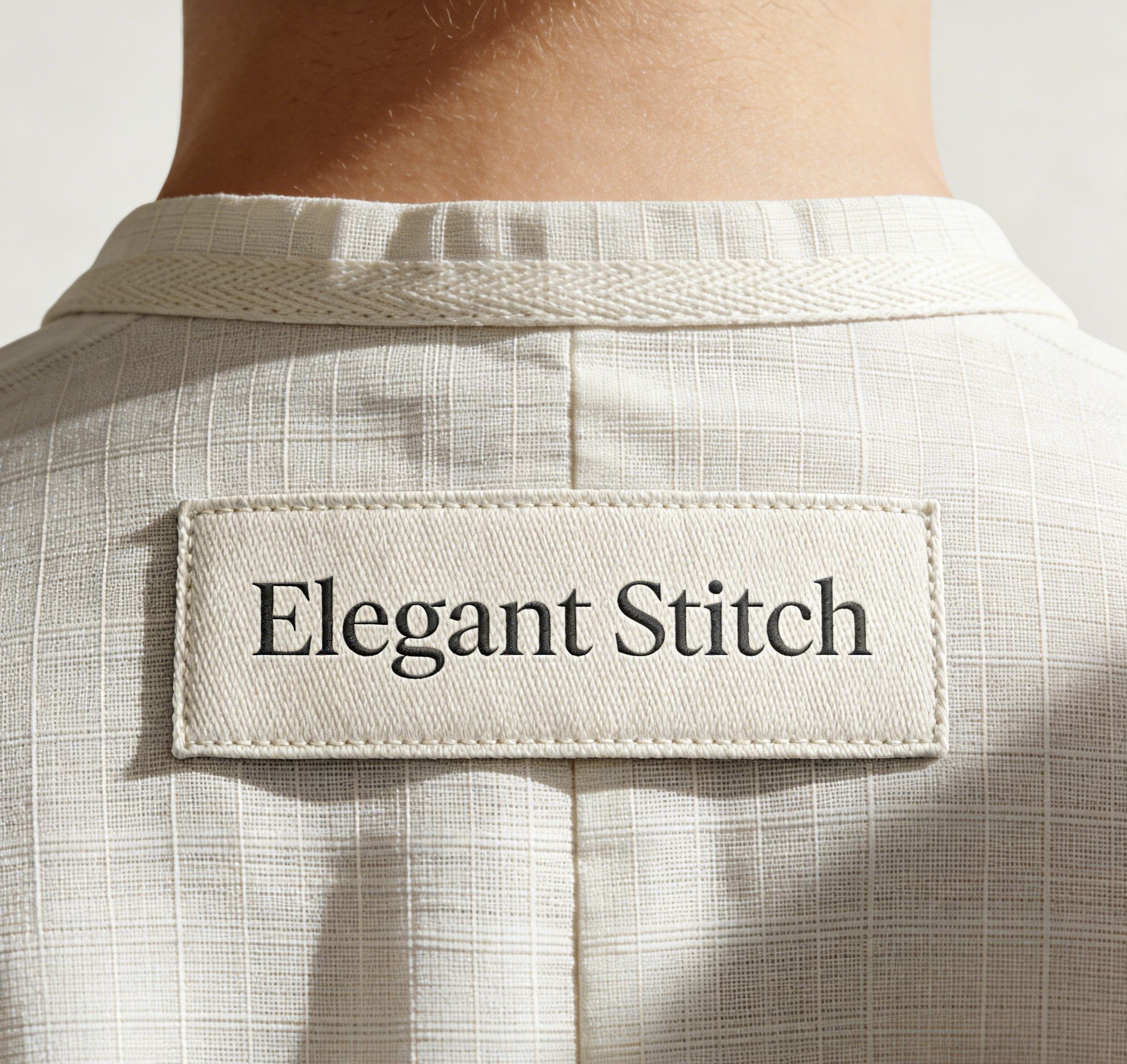
Minimalist Designs: Clean typography for modern aesthetics
-
Glow-in-the-Dark Threads: For nightlife apparel brands
Conclusion
From luxury embroidered garment labels to compliant garment label tags and innovative garment fabric labels, these small components deliver outsized branding impact. Strategic collaboration with designers ensures labels enhance both visual appeal and wearer comfort. As consumer expectations evolve, investing in premium labeling solutions becomes not just an option, but a necessity for brands aiming to stand out.
By mastering the art of label design, fashion brands can transform a functional necessity into a powerful marketing tool that resonates with customers at first touch. Whether launching a new line or refreshing an existing collection, the right garment fabric labels make all the difference in today's competitive marketplace.
Minimizing Environmental Impact of Garment Label Tags
How to Test for Washing Resistance Garment Fabric Labels