Garment Content Labels Complying with Textile Regulations
In the apparel industry, adherence to textile regulations is not optional—it’s a legal and ethical necessity. Garment content labels serve as the cornerstone of compliance, ensuring transparency for consumers and avoiding costly penalties. However, meeting regulatory standards doesn’t mean sacrificing branding or efficiency. By integrating custom garment labels and iron-on garment labels into your strategy, brands can achieve compliance, enhance professionalism, and streamline production. Here’s how these three elements work together seamlessly.
1. The Critical Role of Garment Content Labels
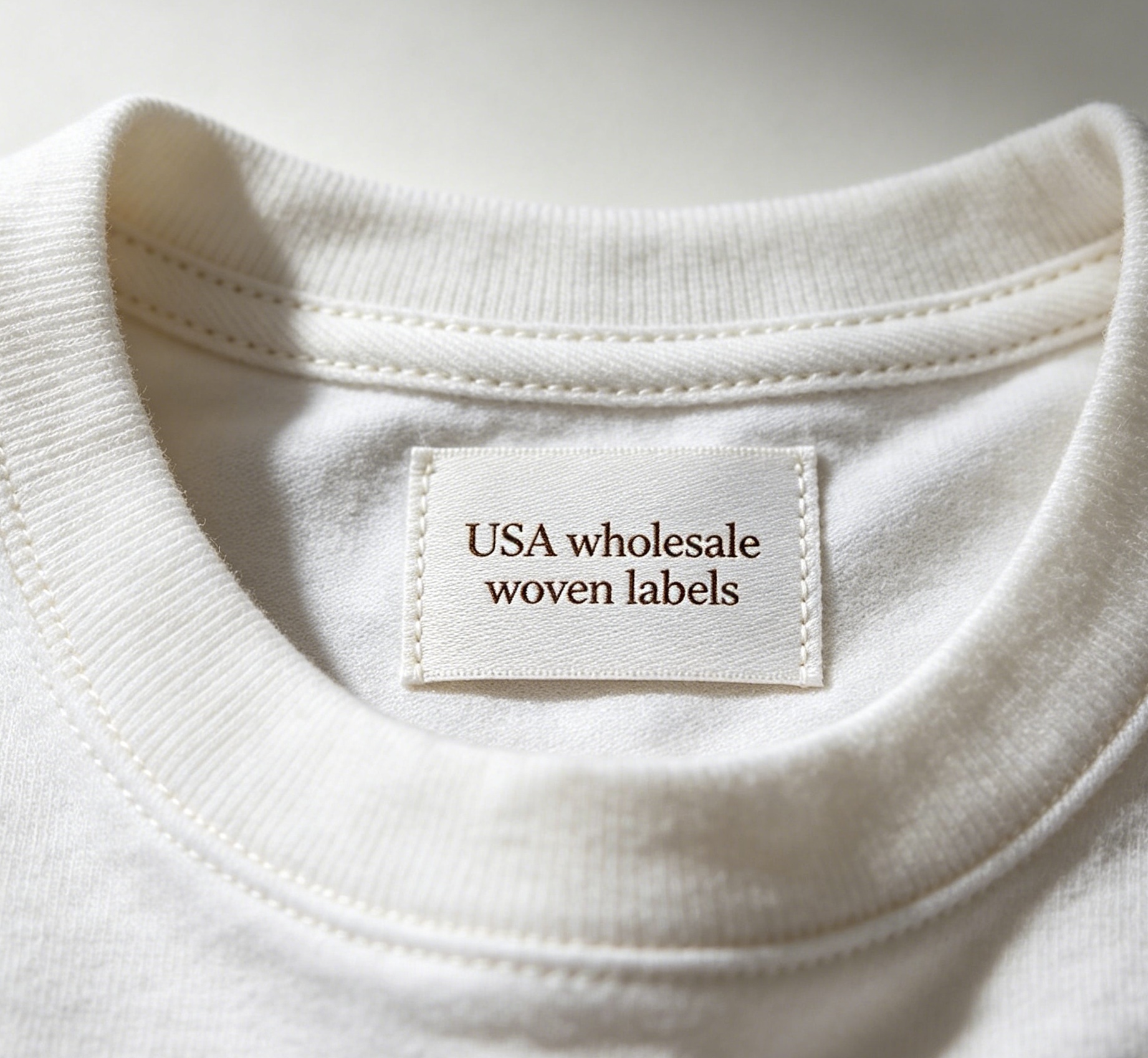
Garment content labels are legally required in most global markets, including the U.S., EU, and Canada. These labels must clearly display:
- Fiber composition (e.g., “100% Organic Cotton”)
- Country of origin (where the garment was manufactured)
- Care instructions (using standardized symbols)
- Safety certifications (e.g., OEKO-TEX® for children’s wear)
Failure to comply can result in fines, recalls, or reputational damage. For example, in 2021, a U.S. retailer faced a $500,000 penalty for mislabeled wool content. To avoid such risks, garment content labels must be accurate, durable, and legible. Pairing them with custom garment labels ensures compliance while reinforcing brand identity.
2. Custom Garment Labels: Branding Meets Compliance
While garment content labels focus on regulatory details, custom garment labels allow brands to showcase their unique identity. These labels can include:
- Logos and taglines to boost recognition.
- Design aesthetics (e.g., minimalist fonts, metallic finishes) aligning with collections.
- Sustainability claims (e.g., “Made with Recycled Fibers”).
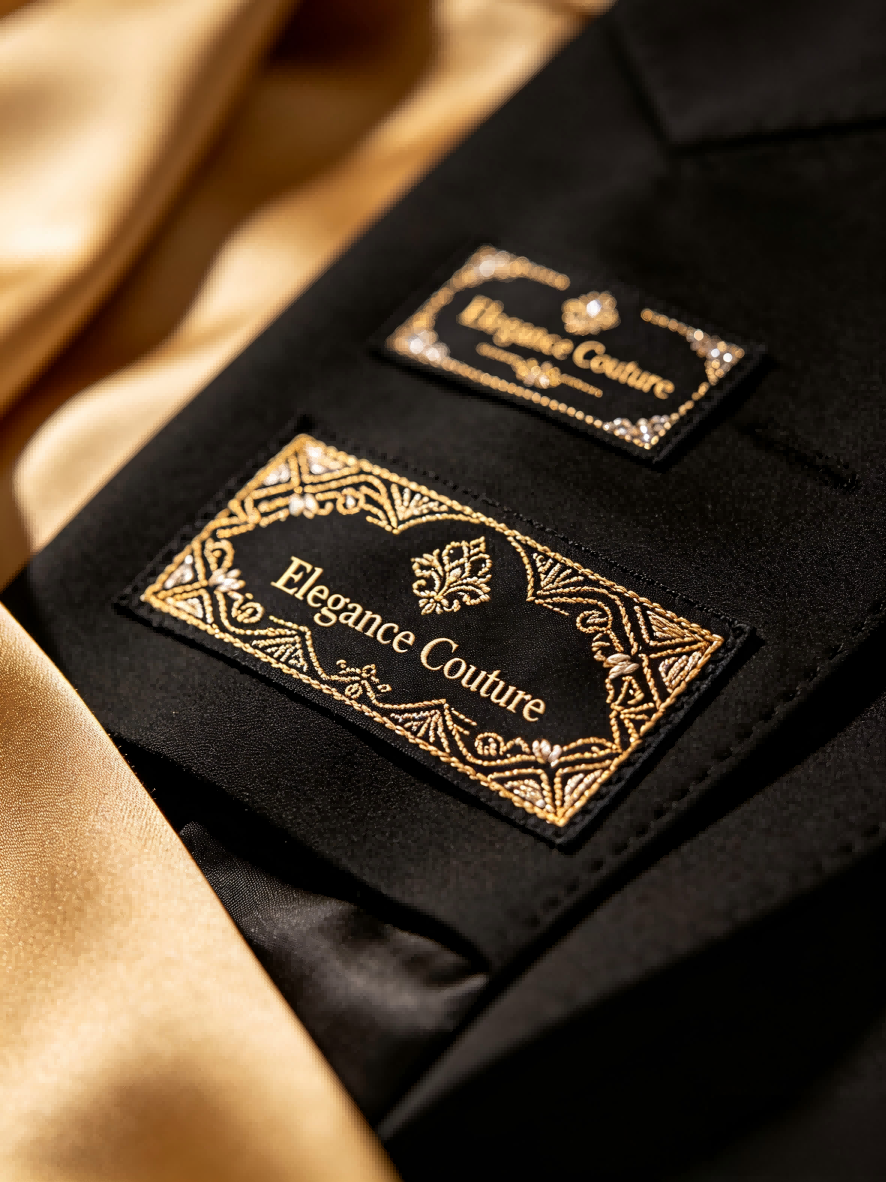
For compliance, custom garment labels can coexist with garment content labels on the same garment. A luxury brand might place a satin-woven custom garment label at the neckline for branding, while attaching a separate garment content label near the side seam. Alternatively, iron-on garment labels can merge both functions into a single tag, simplifying production.
3. Iron-On Garment Labels: Efficiency Without Compromise
Iron-on garment labels are a game-changer for brands prioritizing speed and durability. These labels use heat-activated adhesives to bond securely to fabrics, offering advantages like:
- No sewing required, reducing production time.
- Gentle on delicate fabrics (e.g., silk, lace) compared to stitched labels.
- Child-friendly designs with soft, irritation-free edges.
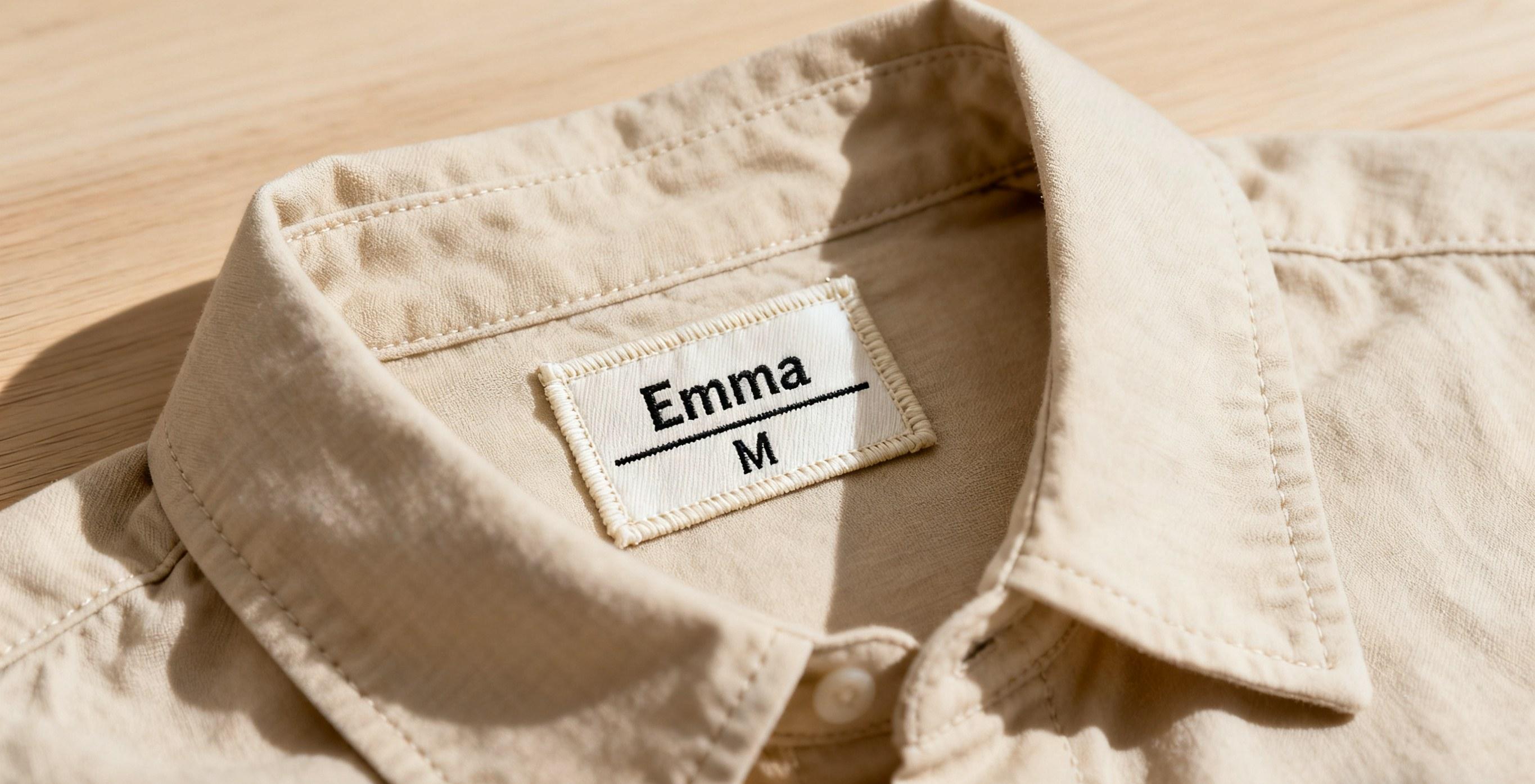
For compliance, iron-on garment labels can incorporate garment content label details directly alongside branding. For instance, an activewear brand might use an iron-on label featuring care symbols, fiber content (“88% Polyester, 12% Spandex”), and a logo. This approach ensures clarity while maintaining a polished look.
4. Designing Labels for Global Markets
To meet diverse regulations, consider these tips for garment content labels, custom garment labels, and iron-on garment labels:
- Regional Requirements: EU law mandates fiber content in all languages sold; the U.S. requires English.
- Symbol Standards: Use ISO 3758 care symbols for international recognition.
- Material Durability: Ensure labels withstand washing, drying, and UV exposure.
Iron-on garment labels simplify compliance by reducing human error in label placement. Their adhesive strength ensures garment content labels remain intact, even after repeated laundering.
5. Case Study: A Sustainable Brand’s Success
A sustainable apparel startup combined custom garment labels (featuring their eco-logo), garment content labels (“100% Recycled PET”), and iron-on labels for seamless application. Result:
- Compliance with EU and U.S. regulations.
- 25% faster production due to iron-on labels.
- Increased customer trust through transparent, durable tags.
6. Sustainability and Innovation
Modern brands are reimagining labels to align with eco-values:
- Recycled Materials: Use post-consumer plastics for custom garment labels.
- Biodegradable Adhesives: Ensure iron-on garment labels break down safely.
- Digital Integration: Add QR codes to garment content labels for supply chain transparency.
Final Thoughts
Garment content labels are the backbone of regulatory compliance, but they don’t have to be bland or burdensome. By leveraging custom garment labels for branding and iron-on garment labels for efficiency, brands can meet legal requirements while elevating their products’ appeal.
Ready to simplify compliance? Explore our range of garment content labels, custom garment labels, and iron-on garment labels designed to keep your brand professional, compliant, and competitive. Contact us today to create labels that work as hard as you do.
Iron On Garment Labels Durable Alternatives to Stitching
Custom Garment Labels Boost Brand Identity Professionalism