The Role of Garment Content Labels in Consumer Transparency
In an era where conscious consumerism is on the rise, transparency in fashion has become non-negotiable. Garment content labels are no longer just regulatory requirements—they are powerful tools for building trust and loyalty. Among these, custom garment labels and iron-on garment labels stand out as innovative solutions that empower brands to communicate authenticity, sustainability, and quality. This article explores how these labels drive consumer transparency while enhancing brand credibility.
The Essential Role of Garment Content Labels
Garment content labels serve as a product’s identity card. By law, they must disclose critical details like fabric composition, care instructions, and country of origin. However, modern shoppers demand more. They want to know if materials are ethically sourced, if production aligns with eco-friendly practices, and if the brand’s values resonate with their own.
This is where custom garment labels shine. Unlike generic labels, they allow brands to go beyond compliance and share stories. For example, a garment content label could highlight that a jacket uses recycled polyester from ocean plastic or that a dress supports fair-trade artisan communities. Such details transform labels from mundane tags into compelling narratives that connect with eco-conscious buyers.
Why Custom Garment Labels Are a Game-Changer
Standard labels often lack the flexibility to convey a brand’s uniqueness. Custom garment labels, however, offer endless opportunities for creativity and differentiation. Whether printed, woven, or designed as iron-on garment labels, they enable brands to:
- Reinforce branding: Incorporate logos, slogans, and color schemes that align with your visual identity.
- Educate consumers: Use QR codes to link to videos showcasing production processes or sustainability certifications.
- Enhance durability: Opt for materials like satin, polyester, or recycled fabrics that withstand repeated washing.
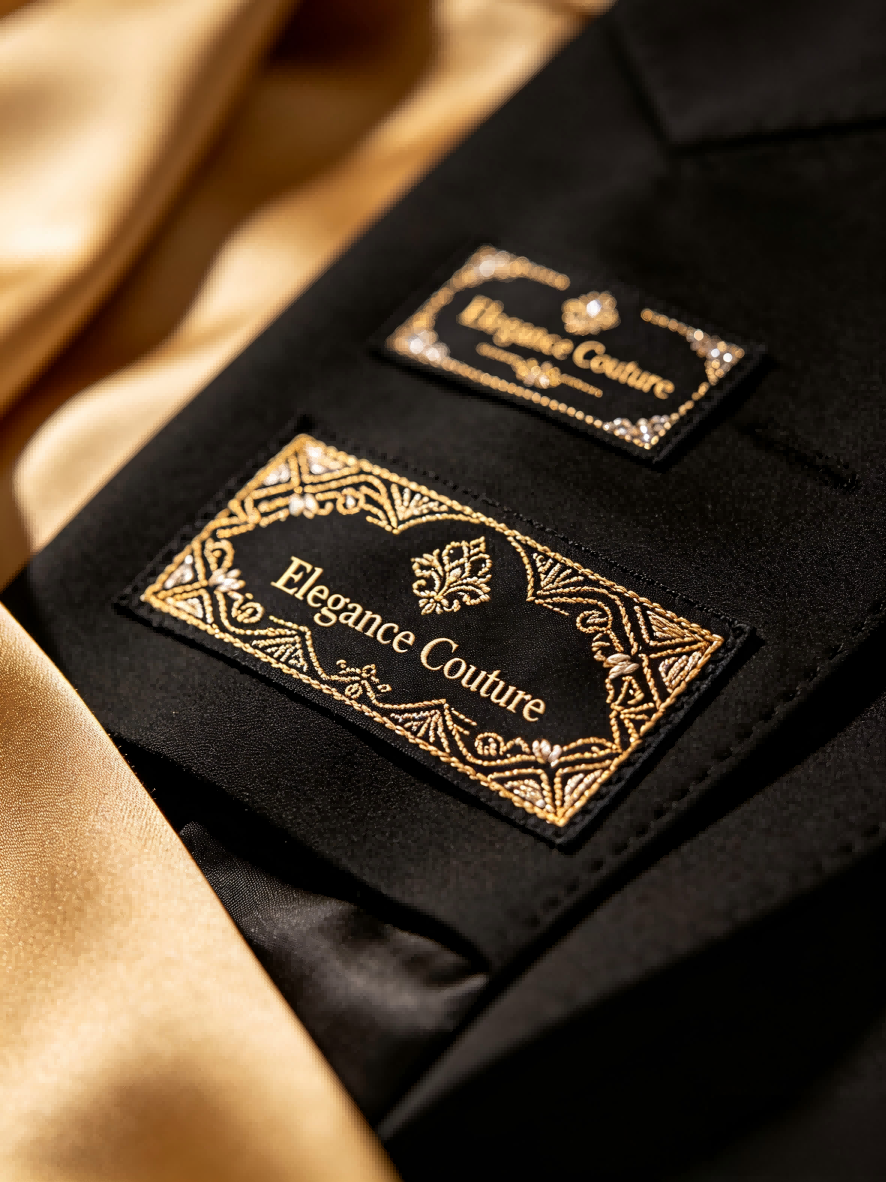
For instance, a luxury brand might use embossed custom garment labels to emphasize craftsmanship, while an eco-friendly brand could choose iron-on garment labels made from biodegradable materials. These tailored solutions ensure labels aren’t just informative—they’re memorable extensions of your brand.
Iron-On Garment Labels: Durability Meets Versatility
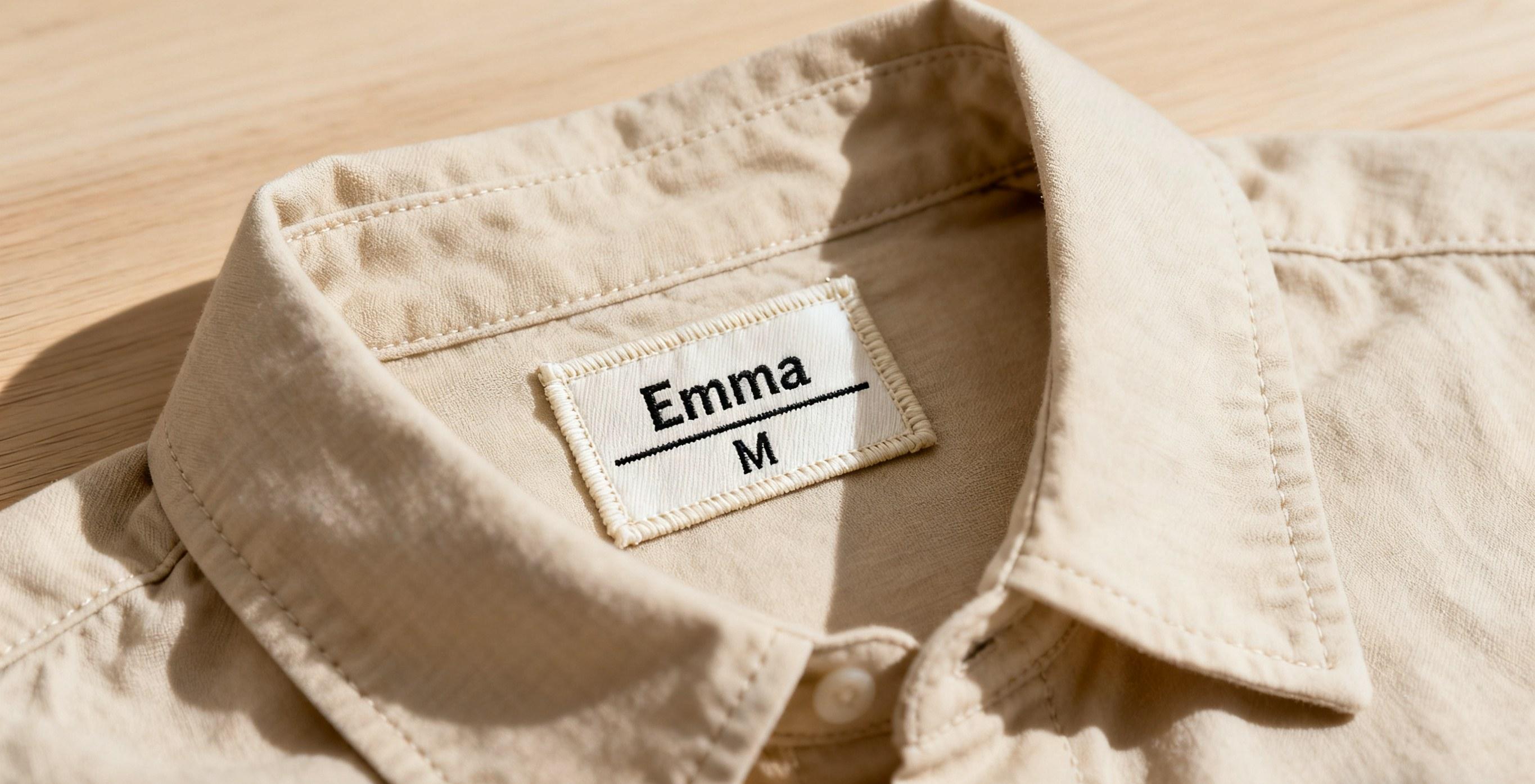
When it comes to longevity and aesthetics, iron-on garment labels are a top choice. These labels are heat-sealed onto fabrics, making them ideal for activewear, children’s clothing, or items requiring frequent washing. Unlike sewn-in labels, they lie flat against the skin, reducing irritation—a detail appreciated by comfort-focused consumers.
Moreover, iron-on garment labels can be customized to include both mandatory and marketing content. A workout shirt’s label might list moisture-wicking fabric details (a garment content label requirement) while also displaying a motivational slogan. This dual functionality ensures compliance without sacrificing brand personality.
Designing Labels That Boost Transparency and Trust
To maximize the impact of custom garment labels and garment content labels, consider these best practices:
- Clarity is key: Use easy-to-read fonts and icons for care instructions and material breakdowns.
- Prioritize sustainability: Choose recycled or organic materials for labels to align with eco-friendly branding.
- Leverage technology: Embed QR codes or NFC chips to provide instant access to supply chain transparency reports.
- Think long-term: Ensure iron-on garment labels use strong adhesives and fade-resistant inks to maintain readability.
For example, a children’s clothing brand could use iron-on garment labels with hypoallergenic adhesives and playful fonts, while a high-end retailer might opt for minimalist woven custom garment labels with gold foil accents.
Compliance and Beyond: The Business Case for Custom Labels
Regulatory standards for garment content labels are strict—and for good reason. Misleading or incomplete information can lead to legal penalties and eroded trust. However, brands that embrace custom garment labels turn compliance into a competitive advantage. By transparently sharing ethical practices, carbon footprints, or recycling programs, they attract discerning buyers who value honesty.
Take the example of a sustainable denim brand: Its garment content labels might detail organic cotton sourcing, water-saving dye techniques, and a take-back program for old jeans. Paired with iron-on garment labels that include repair instructions, this approach positions the brand as a leader in circular fashion.
Conclusion: Elevate Transparency with Thoughtful Labeling
In today’s market, garment content labels are more than legal obligations—they’re storytelling tools. Investing in custom garment labels or iron-on garment labels allows brands to meet regulations while forging emotional connections with consumers. Whether through eco-conscious materials, tech-driven interactivity, or sleek designs, these labels reinforce transparency, differentiate your brand, and foster loyalty.
Ready to transform your labels into trust-building assets? Start by reimagining your custom garment labels and iron-on garment labels today.
Custom Garment Labels: Balancing Aesthetics and Functionality
DIY Iron On Garment Labels A Quick Tutorial for Crafters