Custom Garment Labels: Balancing Aesthetics and Functionality
In the competitive world of fashion, custom garment labels are more than just tags—they’re a critical blend of design and practicality. From conveying compliance through garment content labels to ensuring durability with iron-on garment labels, these small details make a big impact. This article explores how brands can harmonize aesthetics and functionality to create labels that inform, impress, and endure.
Garment Content Labels: The Foundation of Transparency
Garment content labels are the backbone of consumer trust. Legally required to disclose material composition, care instructions, and origin, they serve as a product’s DNA. However, modern buyers expect more than compliance—they want clarity about sustainability and ethics.
Integrating this information into custom garment labels allows brands to turn basic requirements into storytelling opportunities. For example, a garment content label could specify “100% GOTS-certified organic cotton” alongside a QR code linking to the farm’s sustainability practices. By pairing mandatory details with brand values, custom garment labels transform compliance into connection.
Custom Garment Labels: Elevating Brand Identity
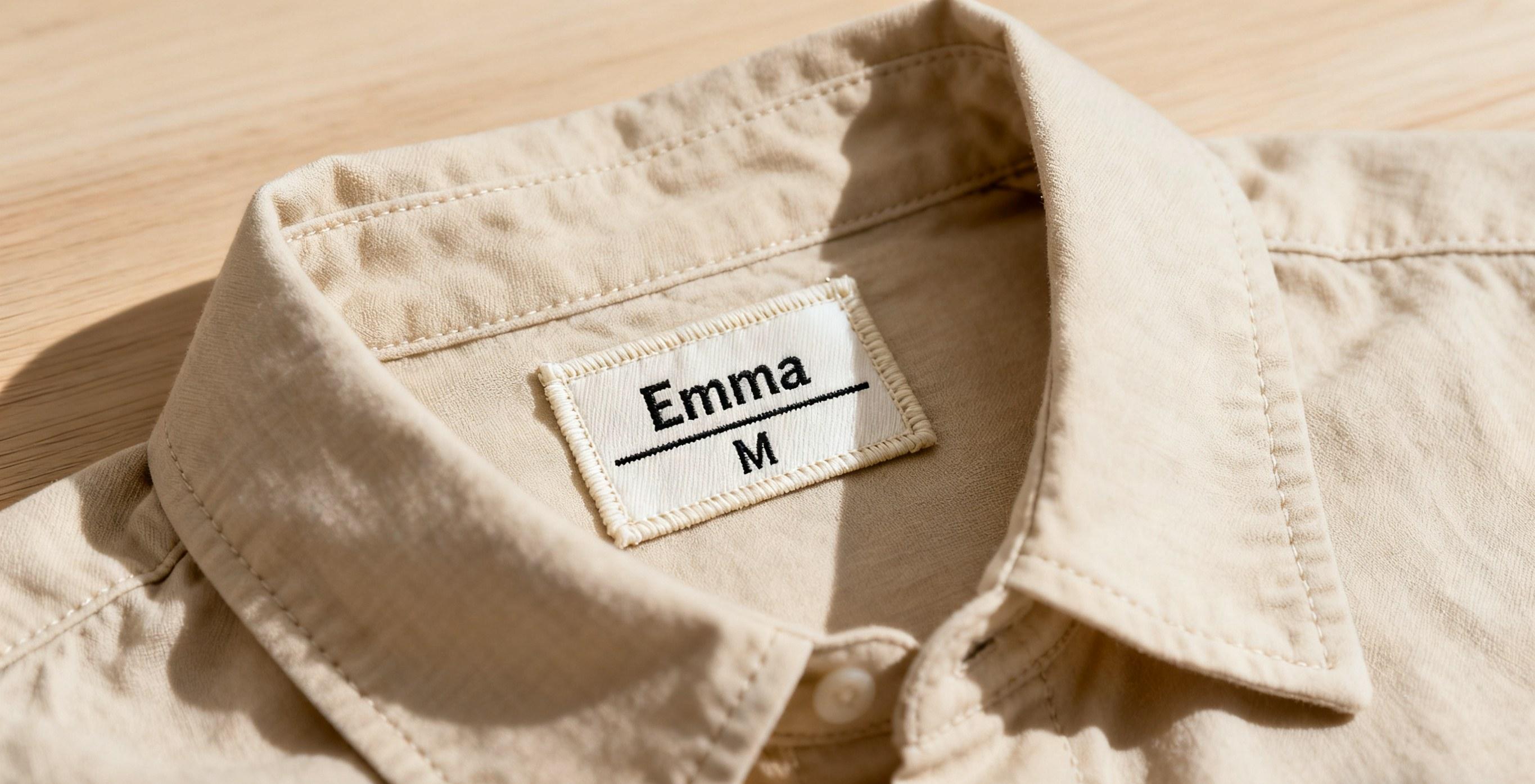
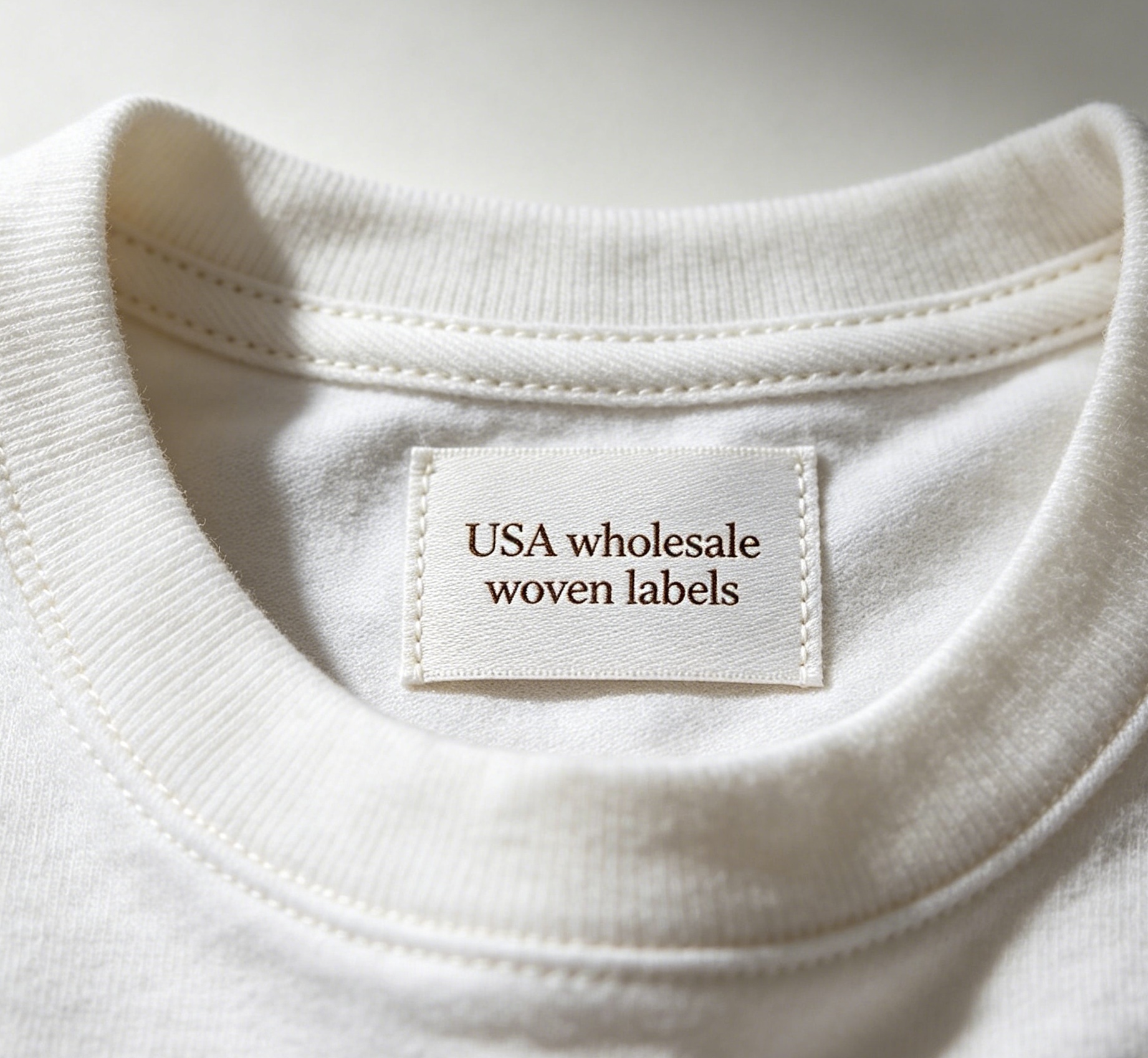
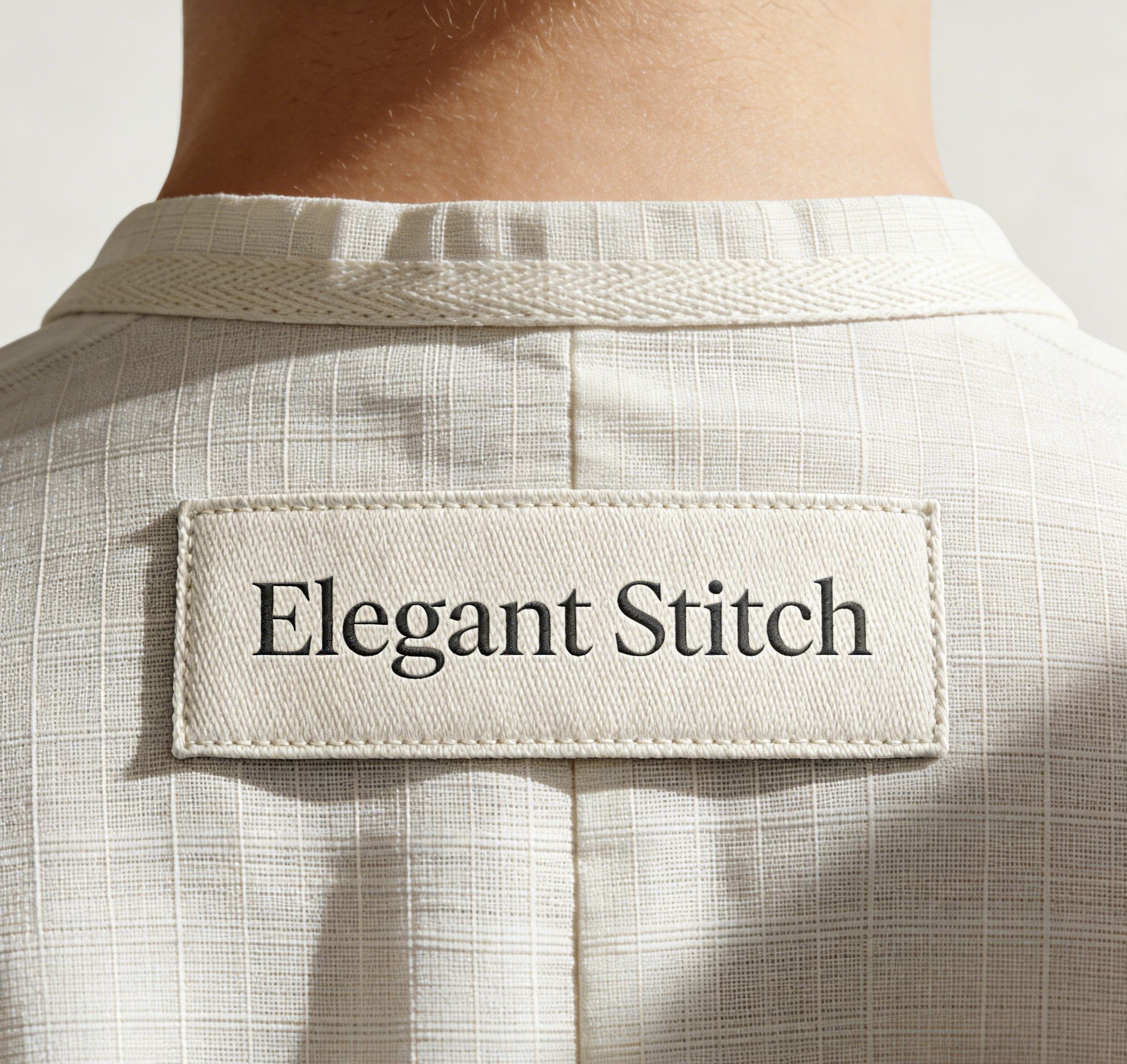
Generic labels fade into the background, but custom garment labels demand attention. Whether woven, printed, or designed as iron-on garment labels, they offer a canvas to showcase your brand’s personality. Key considerations include:
- Design consistency: Use fonts, colors, and logos that align with your brand’s visual identity.
- Material choice: Opt for eco-friendly fabrics like recycled polyester or organic cotton to reinforce sustainability claims.
- Functionality: Ensure text remains legible after repeated washes, especially for iron-on garment labels exposed to heat and friction.
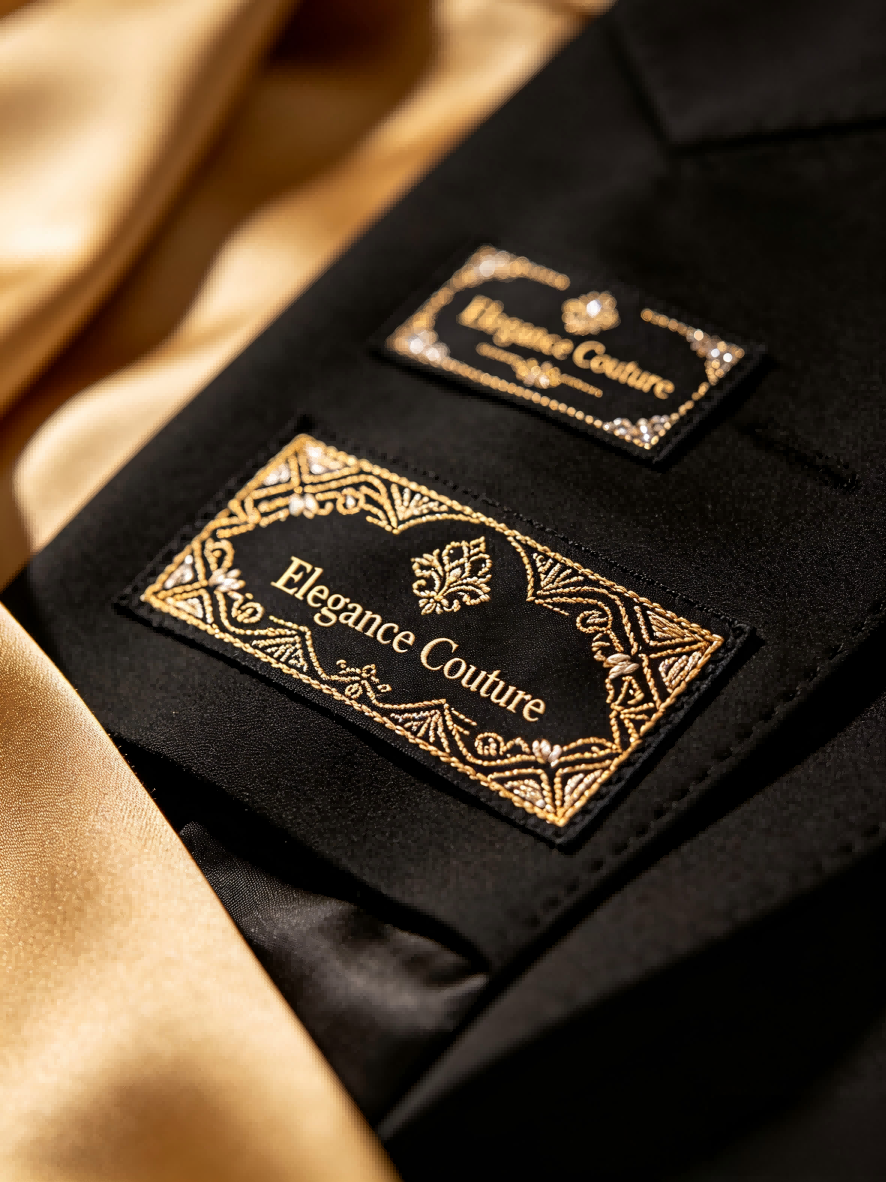
A luxury brand might use gold foil-embossed custom garment labels to exude sophistication, while an outdoor apparel company could choose rugged, weather-resistant iron-on garment labels for durability. The goal is to merge aesthetics with purpose.
Iron-On Garment Labels: Durability Meets Design
For brands prioritizing longevity and comfort, iron-on garment labels are a standout solution. Heat-sealed directly onto fabric, they eliminate the itchiness of traditional sewn-in tags and withstand rigorous washing cycles—ideal for activewear, athleisure, or children’s clothing.
But functionality doesn’t mean sacrificing style. Iron-on garment labels can be customized with vibrant colors, sleek typography, or even metallic finishes. For instance, a yoga apparel brand might use iron-on garment labels with soft, minimalist designs that reflect mindfulness, while still including mandatory garment content label details like moisture-wicking fabric blends.
Striking the Perfect Balance
To create labels that excel in both form and function, follow these tips:
- Prioritize readability: Use clear fonts and high-contrast colors for garment content labels, even on smaller iron-on garment labels.
- Test durability: Simulate wash cycles to ensure adhesives and inks on custom garment labels remain intact.
- Align with brand values: If sustainability is a core message, choose recycled materials for both custom garment labels and iron-on garment labels.
- Simplify care instructions: Use universal symbols on garment content labels to transcend language barriers.
Conclusion: Labels That Work Harder
Custom garment labels, garment content labels, and iron-on garment labels are not mere afterthoughts—they’re strategic tools. By balancing regulatory compliance, brand storytelling, and consumer comfort, businesses can craft labels that enhance transparency, loyalty, and perceived value. Whether through eye-catching designs or rugged practicality, the right labels leave a lasting impression.
Ready to redefine your brand’s labeling strategy? Invest in custom garment labels and iron-on garment labels that marry aesthetics with unwavering functionality.
Legal Requirements for Garment Content Labels 2024 Update
The Role of Garment Content Labels in Consumer Transparency