How to Create Waterproof and Long Lasting Custom Garment Labels
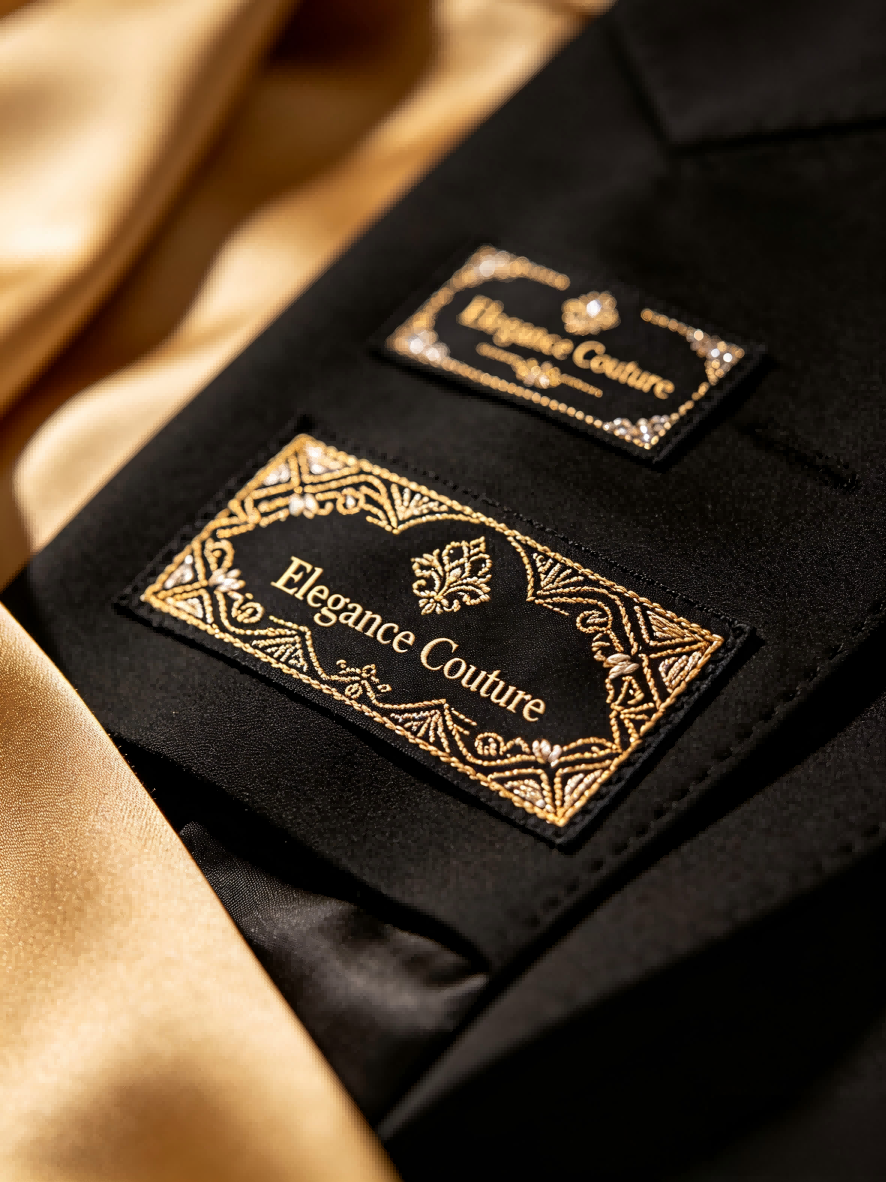
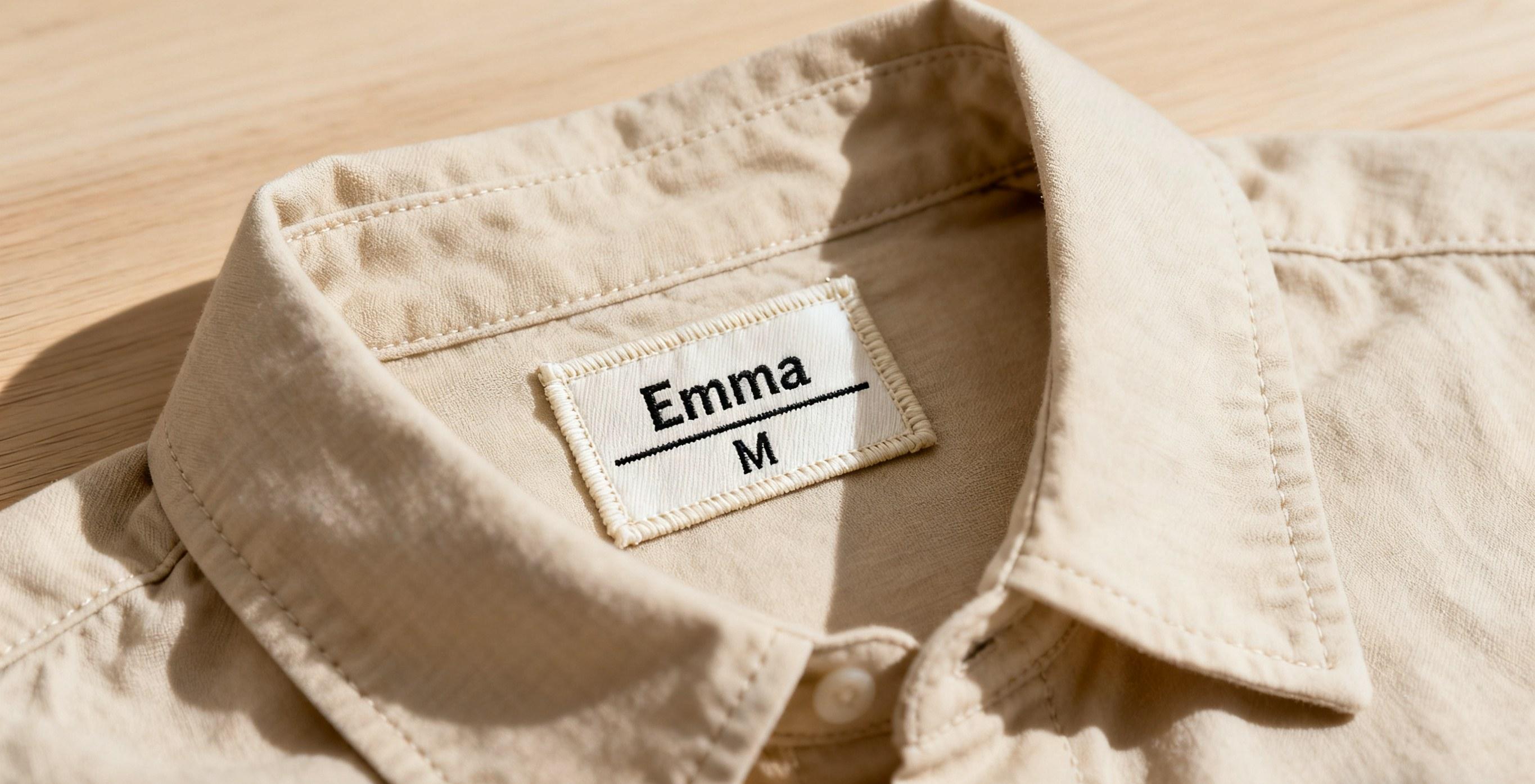
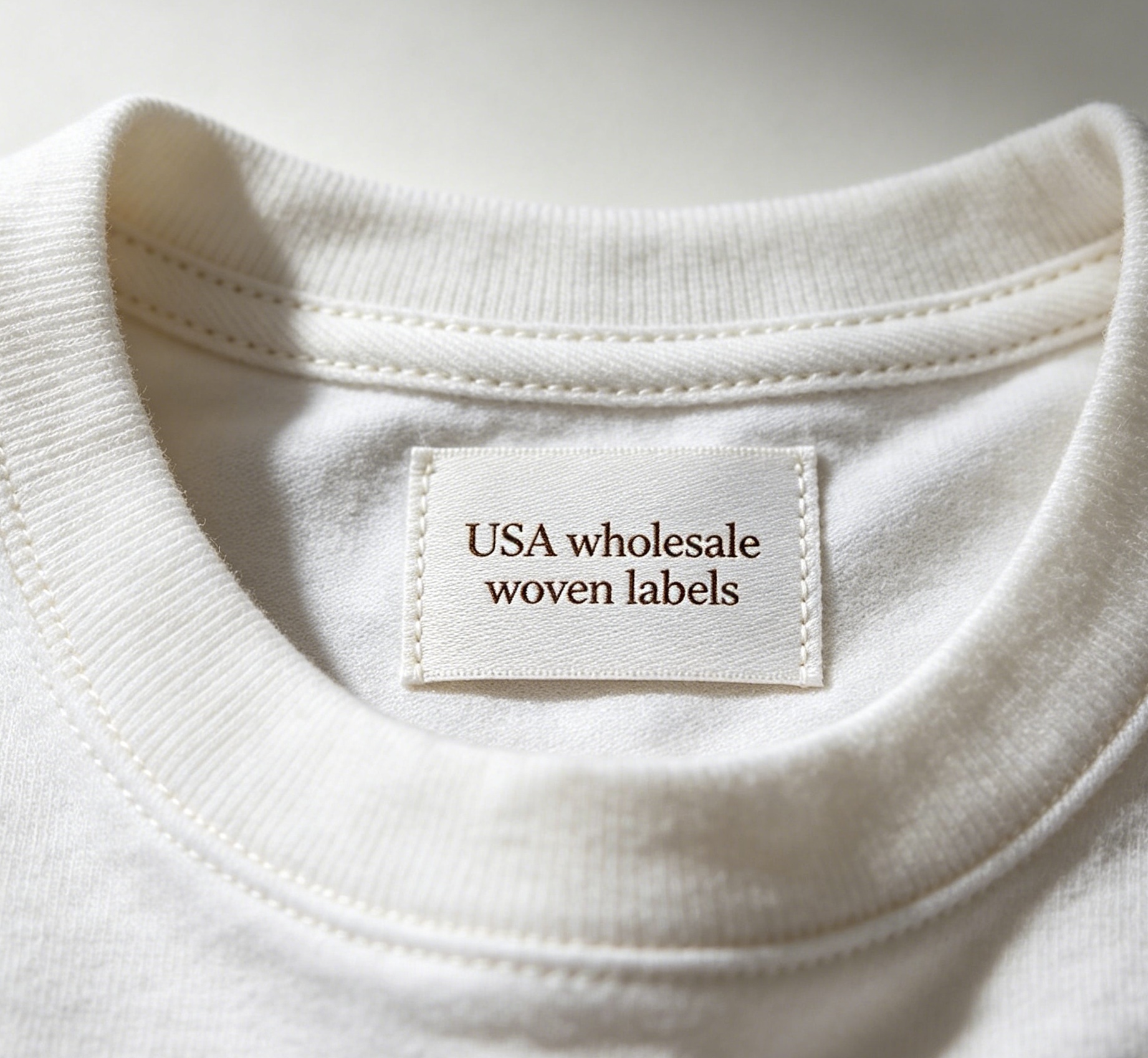
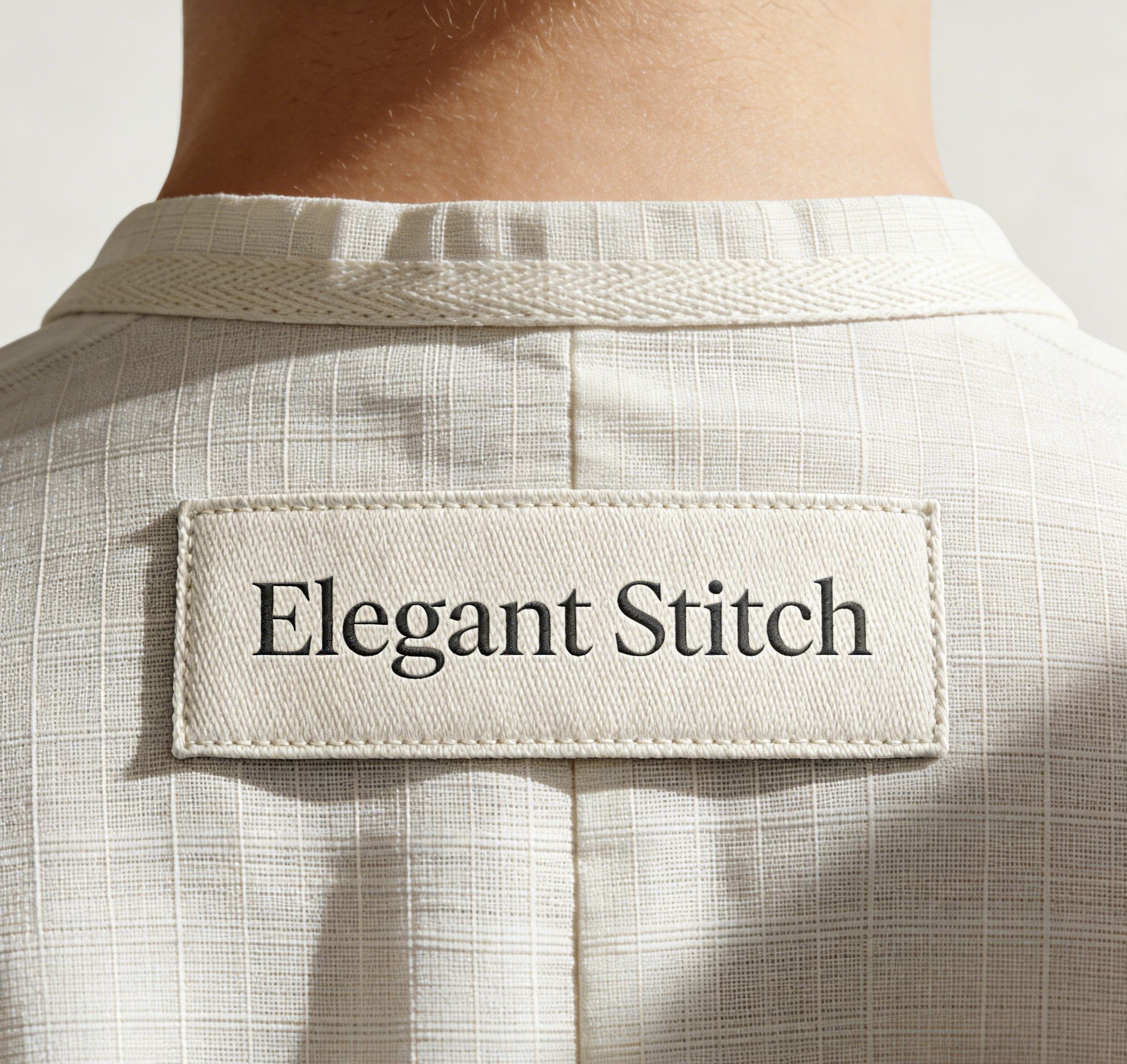
In the apparel industry, durability is as crucial as design. Custom garment labels that fade, peel, or degrade after a few washes can harm your brand’s reputation and leave consumers questioning product quality. Whether you’re using garment content labels for compliance or iron-on garment labels for seamless branding, ensuring they withstand water, heat, and friction is essential. Here’s how to craft labels that stay legible and intact—no matter what they endure.
1. Choose Waterproof Materials for Custom Garment Labels
The foundation of longevity lies in material selection. For custom garment labels that resist moisture, consider:
- Polyester or nylon: Synthetic fabrics naturally repel water and dry quickly.
- Tyvek®: A lightweight, tear-resistant material ideal for garment content labels exposed to harsh conditions.
- Silicone-coated fabrics: Perfect for iron-on garment labels, offering flexibility and waterproofing.
Avoid porous materials like standard cotton, which absorb water and cause inks to bleed. For eco-conscious brands, recycled polyester or organic blends with waterproof coatings strike a balance between sustainability and durability.
2. Use Weatherproof Printing Techniques
Even the best materials fail if printing methods aren’t up to par. Opt for:
- Screen printing: Thick, UV-resistant inks penetrate fabrics, making them ideal for garment content labels requiring crisp text.
- Heat-transfer printing: Bonds pigment to the label’s surface, preventing smudging on iron-on garment labels.
- Laser engraving: Etches designs into synthetic materials, ensuring permanent, water-resistant text.
For custom garment labels with intricate logos, digital printing with waterproof topcoats adds an extra layer of protection.
3. Design for Durability
A waterproof label starts with smart design:
- Simplify text: Use bold, sans-serif fonts on garment content labels to maintain readability at small sizes.
- Prioritize symbols: Replace lengthy care instructions with internationally recognized icons (e.g., machine wash, tumble dry).
- Leave margins: Avoid placing text or graphics too close to the edges of iron-on garment labels, where peeling may occur.
For example, a custom garment label for outdoor gear might use high-contrast colors and abrasion-resistant borders to endure rough use.
4. Apply Iron-On Garment Labels Correctly
Even the most durable iron-on garment labels fail if improperly applied. Follow these steps:
- Preheat the iron: Set to the fabric’s recommended temperature (usually cotton or polyester settings).
- Use parchment paper: Place it over the label to protect against direct heat and adhesive transfer.
- Press firmly: Apply steady pressure for 15–30 seconds, ensuring edges bond completely.
Post-application, wait 24 hours before washing to let adhesives fully cure.
5. Test and Maintain Labels
Before mass production, simulate real-world conditions:
- Wash test: Run labels through multiple hot cycles to check for fading or detachment.
- Abrasion test: Rub labels with a coarse cloth to assess scratch resistance.
- UV exposure: Leave labels in sunlight to verify ink longevity.
For garment content labels, periodic inspections ensure compliance details remain visible over time.
Conclusion: Invest in Labels That Last
Waterproof, long-lasting custom garment labels and iron-on garment labels are non-negotiable for brands prioritizing quality and transparency. By selecting robust materials, weatherproof printing methods, and smart designs, you can create garment content labels that survive the toughest conditions while keeping consumers informed and loyal.
Ready to upgrade your labeling? Partner with experts to craft custom garment labels and iron-on garment labels that marry resilience with regulatory compliance.
How a Hang Tag Coach Elevates Custom Hanging Tags for Clothing Brands
Personalized Iron-On Garment Labels for DIY Clothing