lron On vs Sewn Garment Labels Pros Cons and Best Uses
Choosing between iron-on garment labels and traditional sewn labels is a critical decision for apparel brands. Both options have unique advantages, and the right choice depends on your brand’s priorities—whether it’s durability, aesthetics, or compliance with garment content labels. This article compares the proslron On vs Sewn Garment Labels Pros Cons and Best Uses, cons, and best uses of iron-on garment labels and sewn labels, while highlighting how custom garment labels can elevate your branding strategy.
1. Iron-On Garment Labels: Modern Efficiency
Pros:
- Speed: Apply labels in seconds with a heat press, ideal for high-volume production.
- Durability: Resist fraying, peeling, and fading, keeping garment content labels legible longer.
- Versatility: Work on delicate fabrics (e.g., silk, lace) without needle damage.
- Comfort: Smooth, tagless finishes perfect for children’s wear or activewear.
Cons:
- Adhesive Limitations: May not bond well with certain fabrics like waterproof coatings.
- Heat Sensitivity: Requires precise temperature control to avoid scorching.
Best Uses:
- Sportswear: Moisture-wicking iron-on garment labels stay intact during workouts.
- Fast Fashion: Rapid application aligns with quick turnaround times.
- Eco-Apparel: Pair with custom garment labels made from recycled materials.
2. Sewn Garment Labels: Classic Craftsmanship
Pros:
- Permanence: Stitched labels are nearly impossible to remove, ideal for luxury branding.
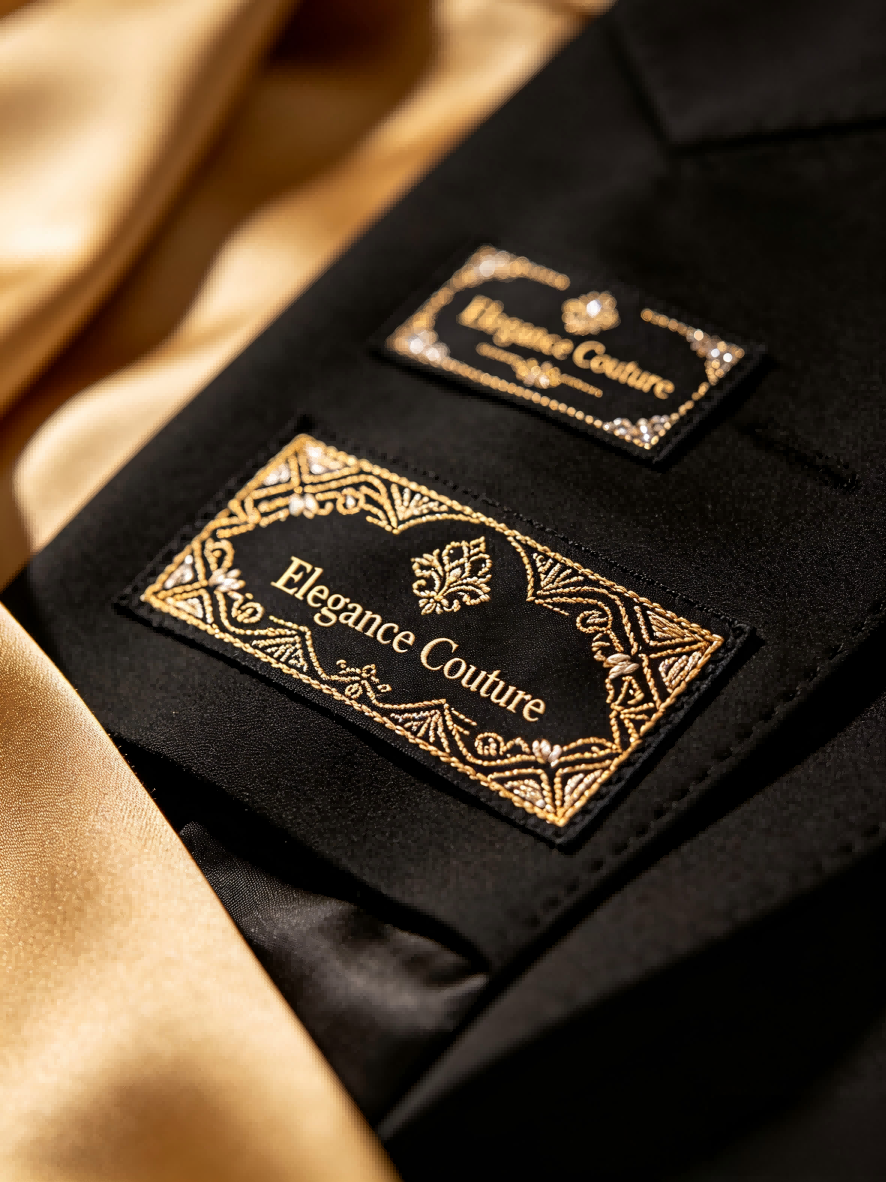
- Aesthetic Appeal: Embroidery or woven textures enhance custom garment labels’ premium feel.
- Fabric Compatibility: Suitable for heavy-duty fabrics like denim or leather.
Cons:
- Time-Consuming: Slower production due to manual stitching.
- Fraying Risk: Edges may unravel over time, affecting garment content labels’ readability.
- Comfort Issues: Rough edges can irritate sensitive skin.
Best Uses:
- High-End Fashion: Embroidered custom garment labels signal luxury (e.g., designer coats).
- Uniforms: Durable stitching ensures longevity in industrial settings.
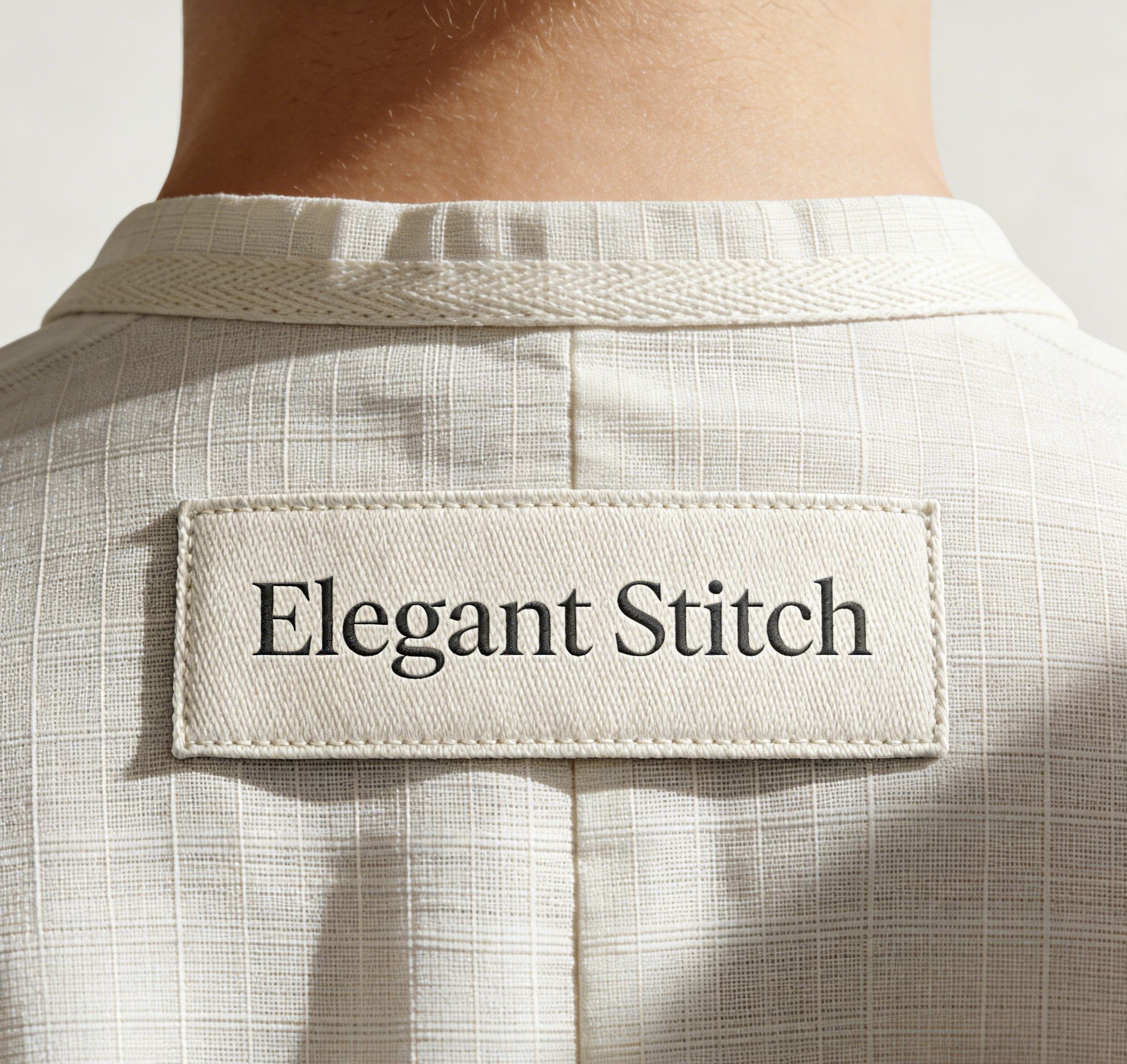
- Heritage Brands: Woven labels align with traditional craftsmanship.
3. Combining Both with Garment Content Labels
Garment content labels are legally required to display fiber composition, care instructions, and origin details. Here’s how to integrate them:
- Iron-On Labels: Print compliance details directly onto iron-on garment labels, merging branding and legal requirements.
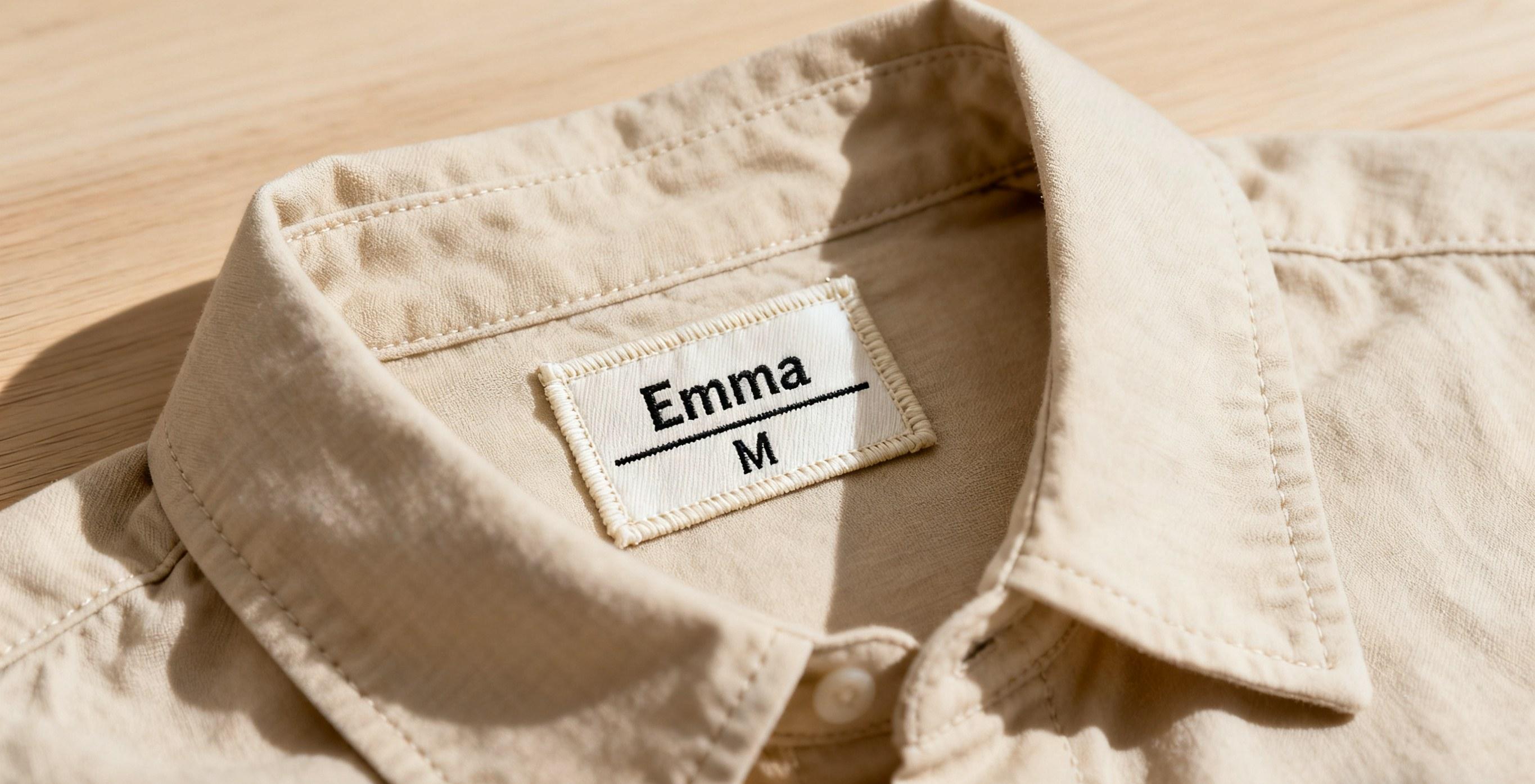
- Sewn Labels: Attach a separate garment content label near the main custom garment label for a classic look.
For example, a sustainable brand might use a sewn custom garment label (organic cotton with eco-ink) and an iron-on label for care instructions to save time.
4. Custom Garment Labels: Tailoring Your Approach
Custom garment labels adapt to both application methods:
- Design Flexibility: Use satin for sewn labels or glossy finishes for iron-on garment labels.
- Sustainability: Choose recycled threads for stitching or biodegradable adhesives for iron-ons.
- Compliance: Ensure garment content labels are legible, whether printed on sewn tags or heat-sealed.
A streetwear brand could use bold, screen-printed iron-on labels for a gritty aesthetic, while a bridal line might opt for hand-stitched silk custom garment labels.
5. Case Study: Balancing Branding and Practicality
A children’s clothing brand faced complaints about scratchy sewn labels. By switching to iron-on garment labels with soft, hypoallergenic adhesive, they:
- Improved customer satisfaction.
- Maintained compliance with garment content labels (printed wash symbols).
- Reduced production costs by 20% through faster application.
6. Sustainability Considerations
- Iron-On Labels: Opt for plant-based adhesives and recycled films.
- Sewn Labels: Use organic threads or deadstock fabrics.
- Hybrid Solutions: Combine a sewn custom garment label (recycled polyester) with an iron-on garment content label (biodegradable material).
Final Thoughts
The debate between iron-on garment labels and sewn labels isn’t about superiority—it’s about alignment with your brand’s needs. Sewn labels excel in luxury and durability, while iron-on labels offer speed and comfort. By integrating custom garment labels and garment content labels into your strategy, you can balance aesthetics, compliance, and efficiency effortlessly.
Ready to refine your labeling? Explore our custom garment labels, compliant garment content labels, and durable iron-on garment labels tailored to your brand’s vision. Contact us today to craft labels that stitch (or stick) your story into every garment.
Clothing Hanger Tags: Design/Print/Pro to Strengthen Brand
Why Garment Content Labels Matter for Consumer Transparency