Iron On Garment Labels Durable Alternatives to Stitching
In the apparel industry, durability and aesthetics go hand in hand. While traditional stitched labels have long been the norm, iron-on garment labels are emerging as a robust, efficient, and versatile alternative. These labels not only withstand wear and tear but also pair seamlessly with custom garment labels and garment content labels to meet branding, compliance, and functional needs. This article explores why iron-on garment labels are revolutionizing garment tagging and how they complement custom garment labels and garment content labels for a polished, professional finish.
1. The Limitations of Traditional Stitched Labels
Stitched labels, while common, come with drawbacks:
- Fraying edges over time, leading to a worn-out appearance.
- Fabric damage from needle punctures, especially on delicate materials like silk or chiffon.
- Time-consuming application, slowing down high-volume production.
Iron-on garment labels solve these issues by adhering to fabrics with heat-activated adhesives. They eliminate stitching while offering a clean, durable finish.
2. Why Iron-On Garment Labels Are a Game-Changer
Iron-on garment labels provide unmatched advantages for modern brands:
- Durability: These labels resist washing, drying, and abrasion, ensuring long-lasting legibility for both branding (custom garment labels) and compliance details (garment content labels).
- Versatility: Suitable for all fabrics, from heavy denim to delicate lace.
- Efficiency: Apply labels in seconds with a heat press or household iron, speeding up production.
- Comfort: Smooth, tagless finishes ideal for children’s wear or activewear.
For example, a swimwear brand can use iron-on garment labels to avoid saltwater corrosion on stitched tags, while a luxury line might choose them to preserve the integrity of delicate fabrics.
3. Combining Iron-On Labels with Custom Garment Labels
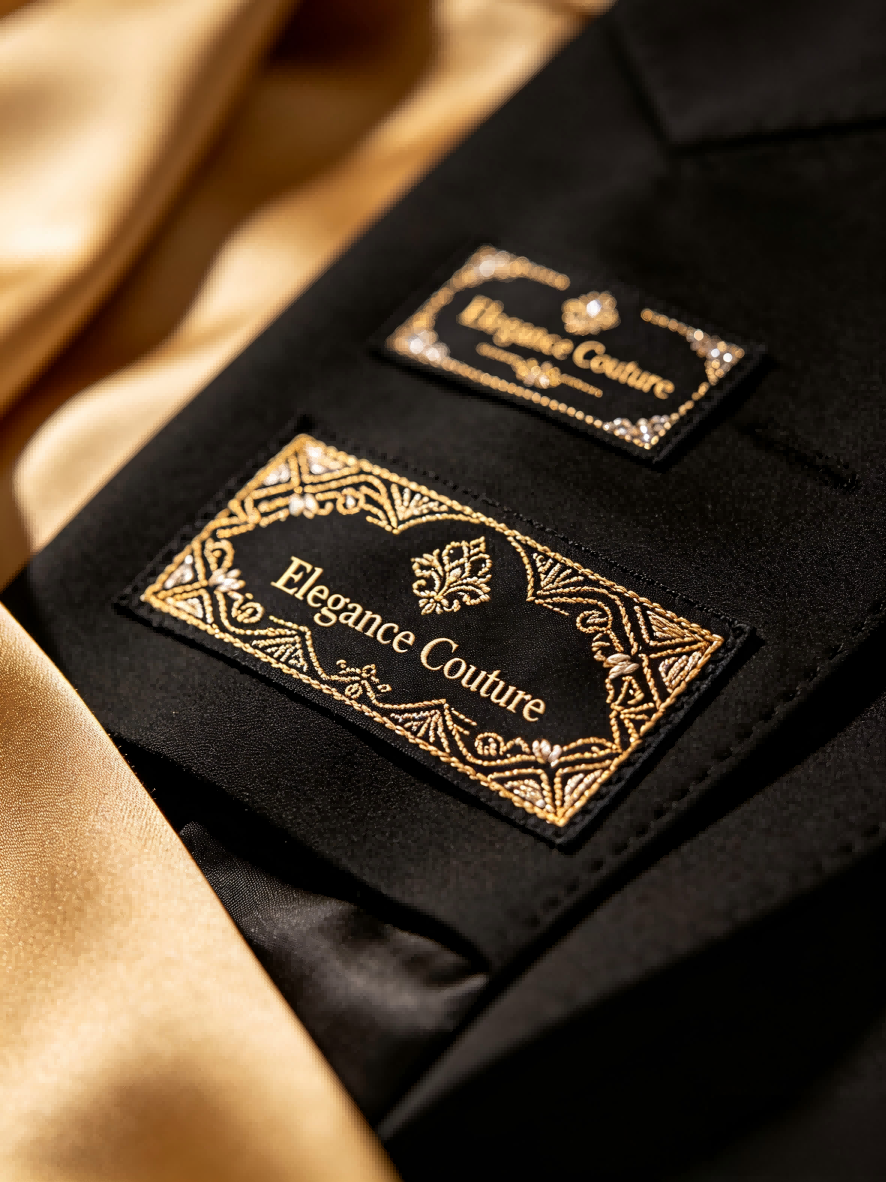
Custom garment labels are essential for branding, but stitching them onto garments can be impractical. Iron-on garment labels offer a seamless solution:
- Design Flexibility: Print vibrant logos, taglines, or QR codes directly onto iron-on labels without stitching constraints.
- Premium Aesthetics: Achieve sleek, modern finishes with foil stamping or embossed textures.
- Eco-Friendly Options: Use recycled PET or biodegradable adhesives to align with sustainability goals.
A streetwear brand, for instance, might use bold custom garment labels with iron-on application to maintain a gritty, urban aesthetic without visible stitching.
4. Meeting Compliance with Garment Content Labels
Garment content labels are non-negotiable for legal compliance, but stitching them can be tedious. Iron-on garment labels streamline this process by:
- Integrating Compliance: Print fiber content, care instructions, and origin details directly onto iron-on labels, eliminating the need for separate sewn tags.
- Ensuring Legibility: Heat-resistant inks and adhesives keep garment content labels intact through repeated laundering.
- Reducing Errors: Automated application minimizes misplacement of compliance information.
For example, an eco-friendly brand can merge its custom garment labels (featuring a recycled logo) with garment content labels (“70% Organic Cotton, 30% Hemp”) into a single iron-on label, saving time and resources.
5. Applications Across Industries
Iron-on garment labels adapt to diverse needs:
- Fashion: Preserve the sleek look of minimalist designs without bulky stitching.
- Sportswear: Ensure moisture-wicking labels stay put during intense workouts.
- Children’s Clothing: Replace scratchy stitched labels with soft, irritation-free tags.
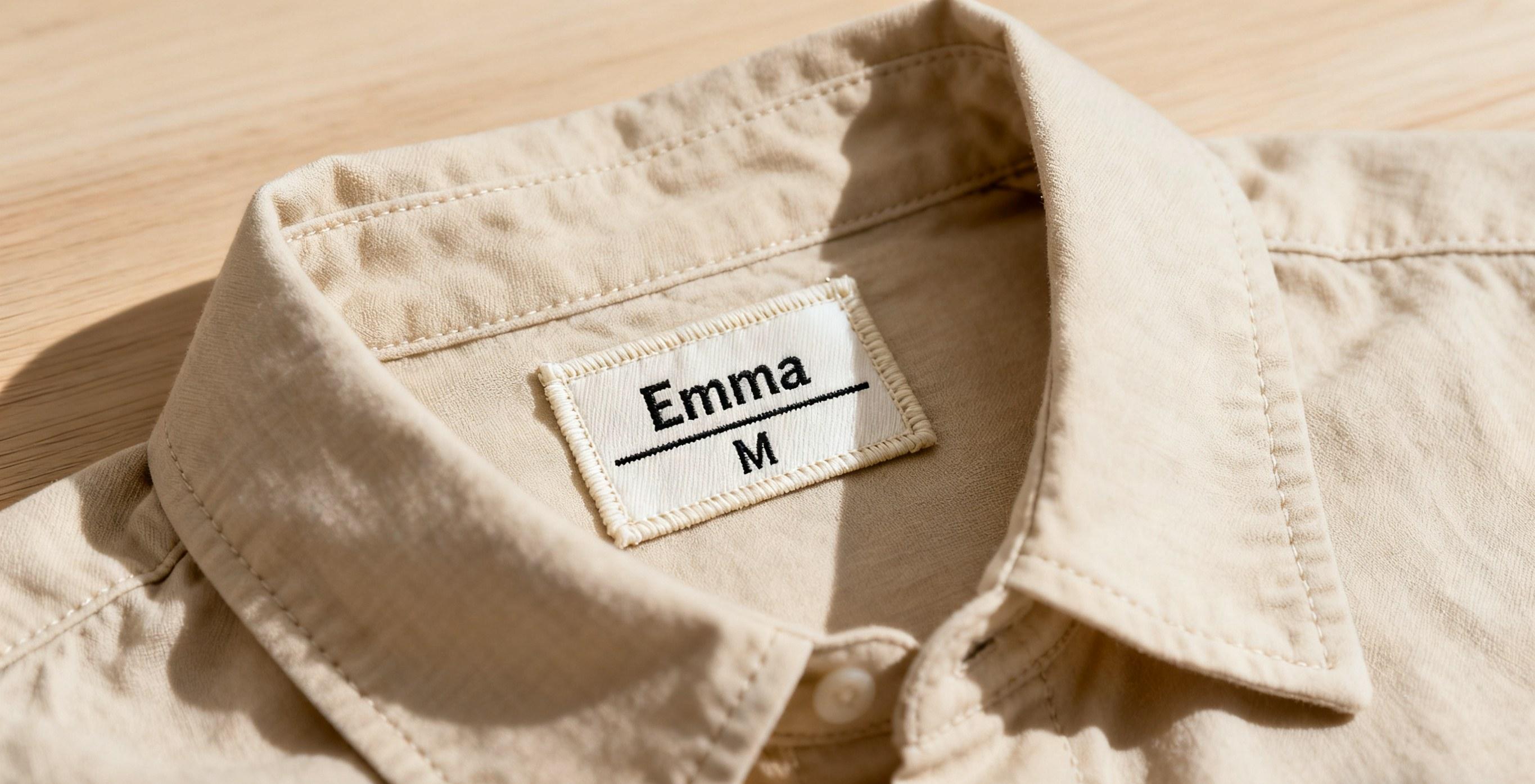
- Uniforms: Combine custom garment labels (employee names) and garment content labels (care instructions) in one durable tag.
6. How to Apply Iron-On Garment Labels
Maximize the benefits of iron-on garment labels with these tips:
- Prep the Fabric: Ensure the area is clean and dry.
- Position the Label: Use a heat-resistant tape to secure it in place.
- Apply Heat: Use a heat press at 300°F (150°C) for 10-15 seconds or a household iron (no steam).
- Cool Down: Let the label set for 24 hours before washing.
Always test iron-on garment labels on a sample fabric to confirm adhesion and colorfastness.
7. Sustainability and Innovation
As brands prioritize eco-conscious practices, iron-on garment labels are evolving:
- Recycled Materials: Create labels from post-consumer plastics.
- Biodegradable Adhesives: Break down safely in composting conditions.
- Digital Integration: Embed NFC chips for interactive content linked to custom garment labels.
Final Thoughts
Iron-on garment labels are more than a practical alternative to stitching—they’re a strategic tool for brands aiming to balance durability, compliance, and branding. By integrating them with custom garment labels and garment content labels, you can streamline production, enhance aesthetics, and meet regulatory demands effortlessly.
Ready to upgrade your labeling process? Explore our premium iron-on garment labels, bespoke custom garment labels, and compliant garment content labels designed to elevate your brand’s professionalism. Contact us today to create tags that stick with your customers—literally and figuratively.
Custom Garment Labels Guide: Function, Style & Innovation
Garment Content Labels Complying with Textile Regulations