Why Garment Content Labels Matter for Consumer Transparency
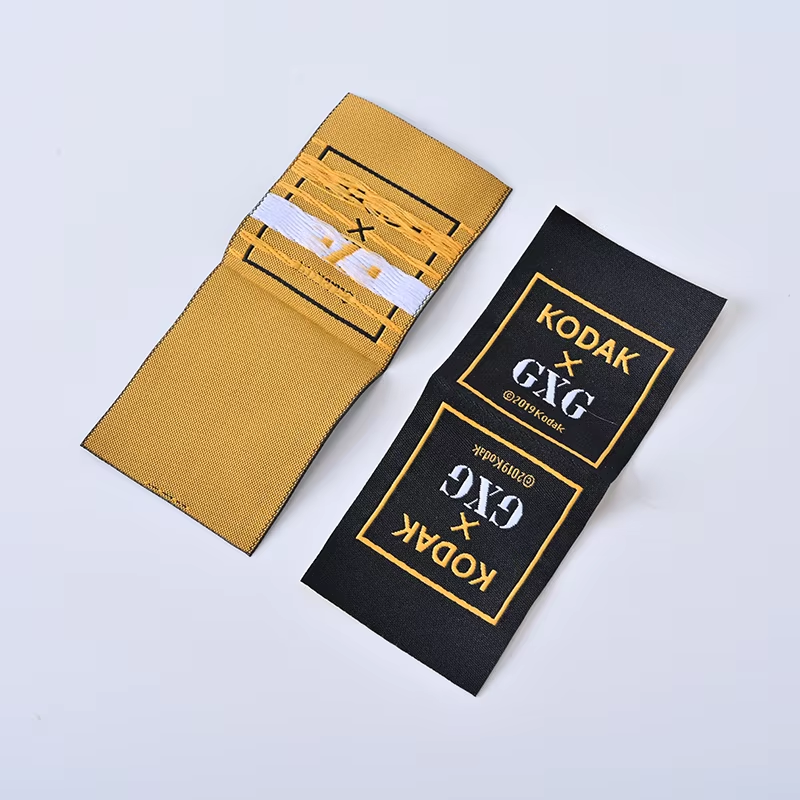
In today’s ethically conscious marketplace, transparency isn’t just a buzzword—it’s a consumer demand. Garment content labels play a pivotal role in building trust by disclosing critical product details, while custom garment labels and iron-on garment labels ensure this information is presented professionally and durably. This article explores how these three elements work together to foster transparency, comply with regulations, and strengthen brand loyalty.
1. The Rise of Consumer Demand for Transparency
Modern shoppers are more informed and values-driven than ever. A 2023 survey by Label Insight revealed that 94% of consumers are likelier to trust brands that offer complete product transparency. Garment content labels answer this demand by providing:
- Fiber composition (e.g., organic cotton, recycled polyester).
- Manufacturing origins (country of production).
- Care instructions (to extend garment lifespan).
- Safety certifications (e.g., OEKO-TEX® for chemical safety).
Without accurate garment content labels, brands risk losing credibility. Pairing them with custom garment labels ensures transparency aligns with your brand’s aesthetic.
2. Custom Garment Labels: Branding Meets Honesty
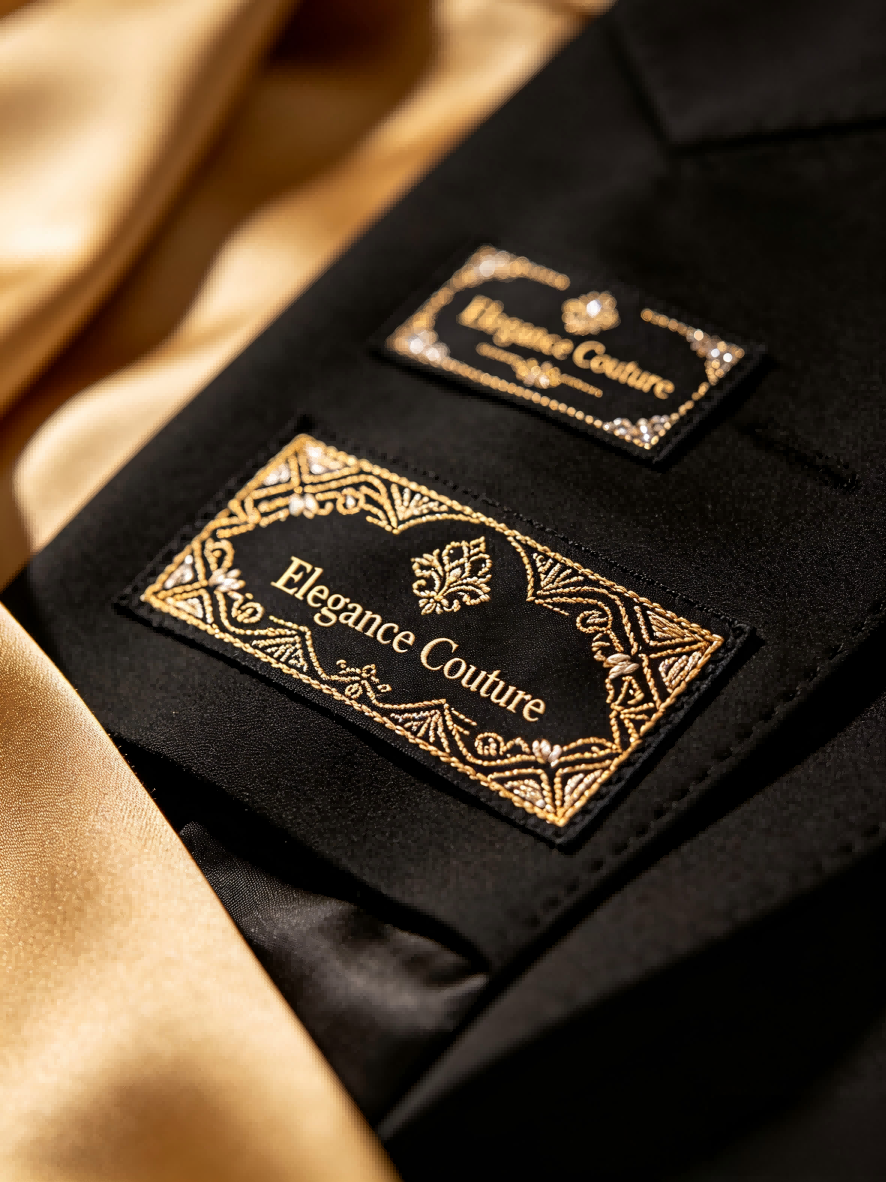
Custom garment labels are more than just branding tools—they’re vehicles for honest storytelling. By integrating transparency into their design, you can:
- Highlight sustainability: Use custom garment labels to showcase eco-friendly materials (e.g., “Made with 100% Recycled Fibers”).
- Educate consumers: Add QR codes linking to detailed sourcing or recycling processes.
- Build consistency: Match custom garment labels to your packaging and website design for a unified message.
For example, a fair-trade apparel brand might use custom garment labels with hand-drawn motifs reflecting artisan partnerships, paired with garment content labels specifying “Ethically Sourced Cotton from India.”
3. Iron-On Garment Labels: Durability for Long-Term Transparency
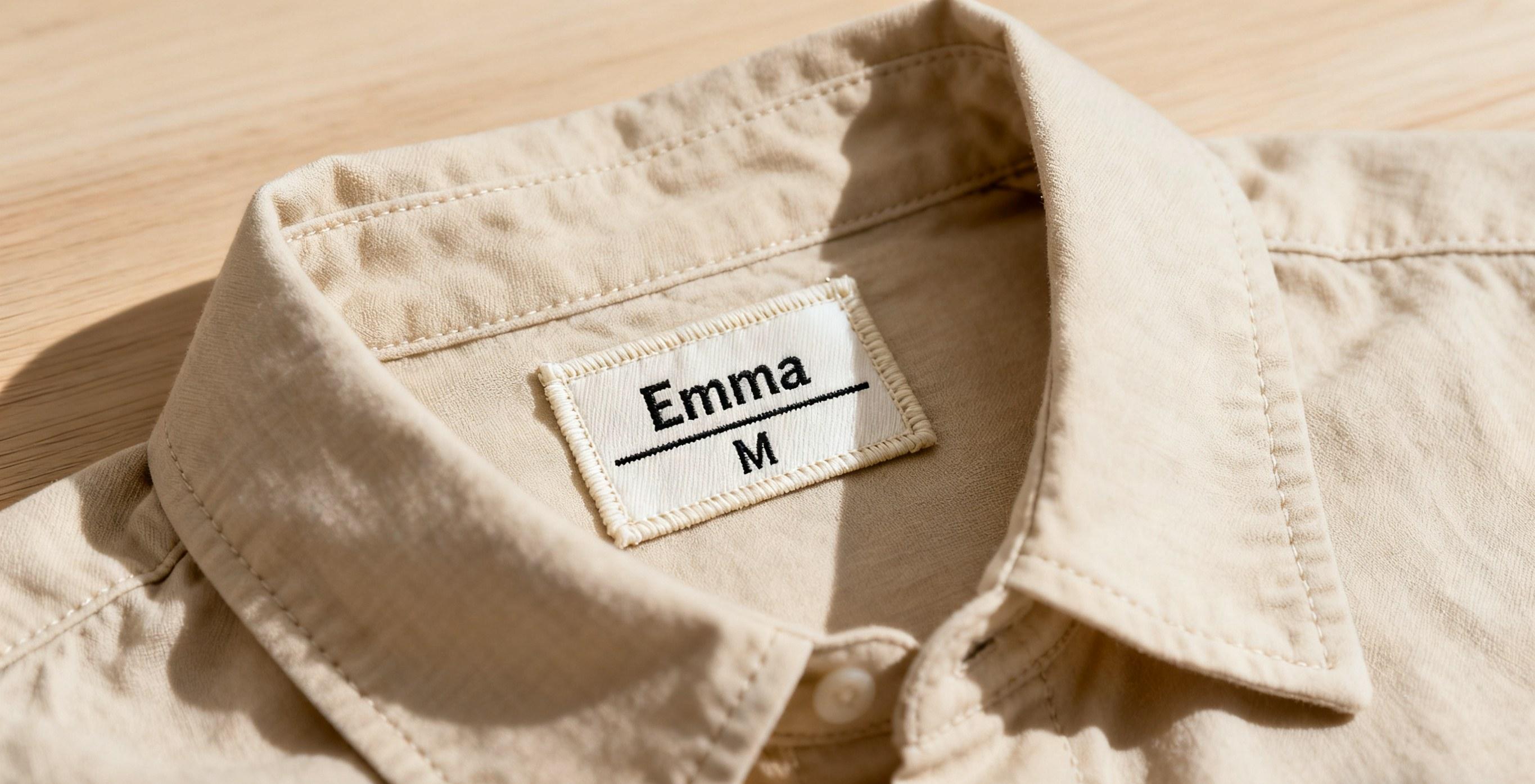
Iron-on garment labels ensure transparency lasts as long as the garment itself. Unlike stitched labels, which may fray, these labels:
- Withstand repeated washing: Heat-activated adhesives keep garment content labels legible after 50+ cycles.
- Simplify compliance: Print fiber details and care symbols directly onto iron-on labels, reducing errors.
- Offer comfort: Ideal for sensitive skin, as they eliminate scratchy stitching.
A children’s clothing brand, for instance, could use iron-on garment labels with hypoallergenic adhesive to display safety certifications (“OEKO-TEX® Certified”) and care instructions, ensuring parents trust the product’s longevity and safety.
4. The Legal Imperative of Garment Content Labels
Garment content labels aren’t optional—they’re required by law in most regions. Key regulations include:
- U.S. FTC Rules: Mandate fiber content, country of origin, and care instructions.
- EU Textile Regulation: Requires labeling in all languages sold.
- Australia Consumer Law: Prohibits false or misleading claims.
Non-compliance can lead to fines, recalls, or reputational damage. In 2022, a major retailer faced a $2 million penalty for mislabeling rayon as “bamboo.” Custom garment labels and iron-on garment labels help avoid such pitfalls by ensuring accurate, durable information display.
5. Building Trust Through Transparency
Transparency isn’t just about compliance—it’s a loyalty-building strategy. Here’s how to leverage labels effectively:
- Combine aesthetics and info: Use custom garment labels with minimalist designs to display brand values (e.g., “Climate Neutral Certified”).
- Prioritize durability: Choose iron-on garment labels with UV-resistant inks to prevent fading on outdoor apparel.
- Educate at every touchpoint: Pair garment content labels with hangtags or packaging that explain certifications.
A sustainable activewear brand increased customer retention by 20% after switching to custom garment labels with recycled materials and iron-on labels detailing carbon footprint reductions.
6. Sustainability and Transparency Go Hand in Hand
Eco-conscious consumers scrutinize labels for green claims. Enhance credibility by:
- Using recycled materials: Create custom garment labels from post-consumer plastics.
- Opting for biodegradable adhesives: Ensure iron-on garment labels decompose responsibly.
- Detailing circularity: Use garment content labels to explain recycling programs (e.g., “Return Garment for Recycling”).
7. How to Implement Transparent Labeling
- Audit your current labels: Ensure garment content labels meet regional laws.
- Design with purpose: Work with suppliers to align custom garment labels with transparency goals.
- Test durability: Wash and wear prototypes of iron-on garment labels to confirm longevity.
Final Thoughts
Garment content labels are the backbone of consumer trust, but their impact is magnified when paired with custom garment labels for branding and iron-on garment labels for durability. Together, they transform compliance into a competitive advantage, proving that honesty and quality are inseparable.
Ready to embrace transparency? Explore our custom garment labels, compliant garment content labels, and reliable iron-on garment labels designed to build trust and loyalty. Contact us today to create labels that speak volumes about your brand’s integrity.
lron On vs Sewn Garment Labels Pros Cons and Best Uses
Custom Garment Labels Guide: Function, Style & Innovation