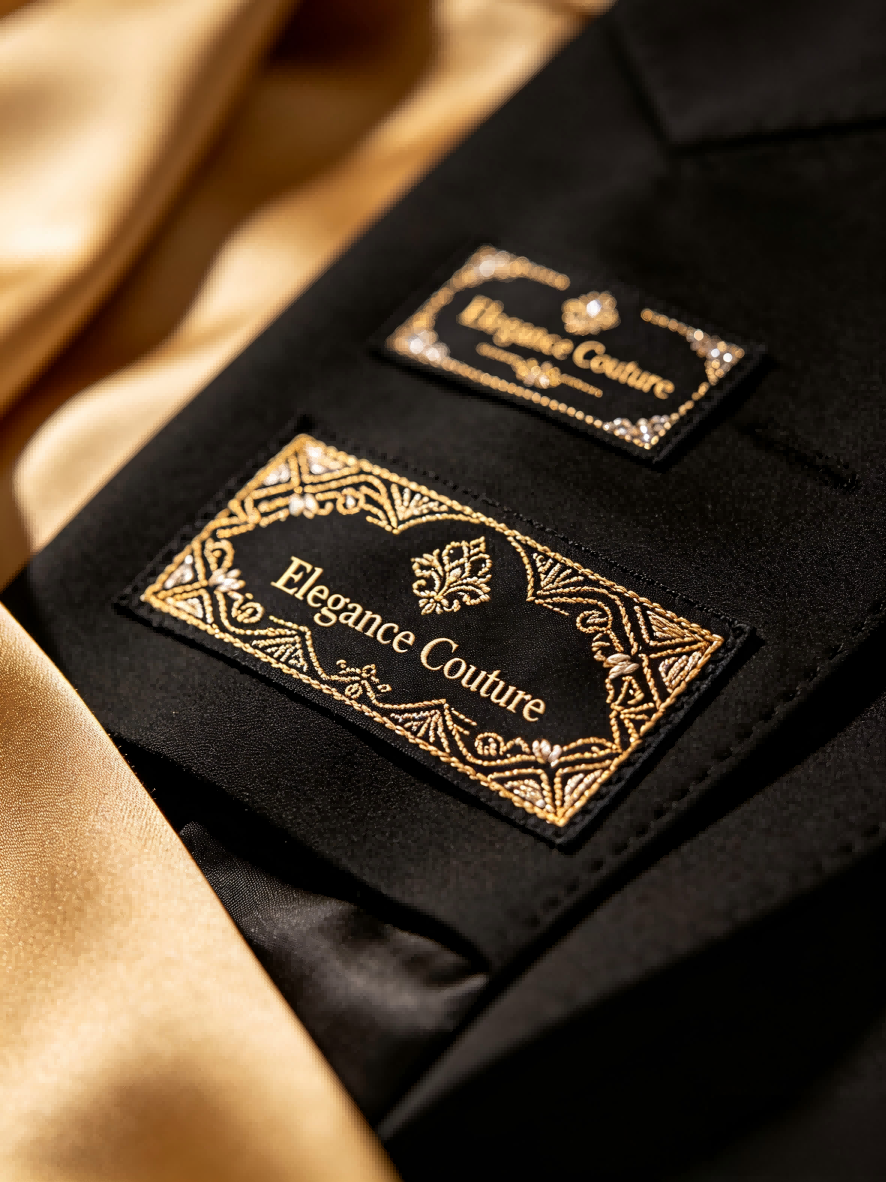
Customization at Scale AI-Generated paper hang tag Designs
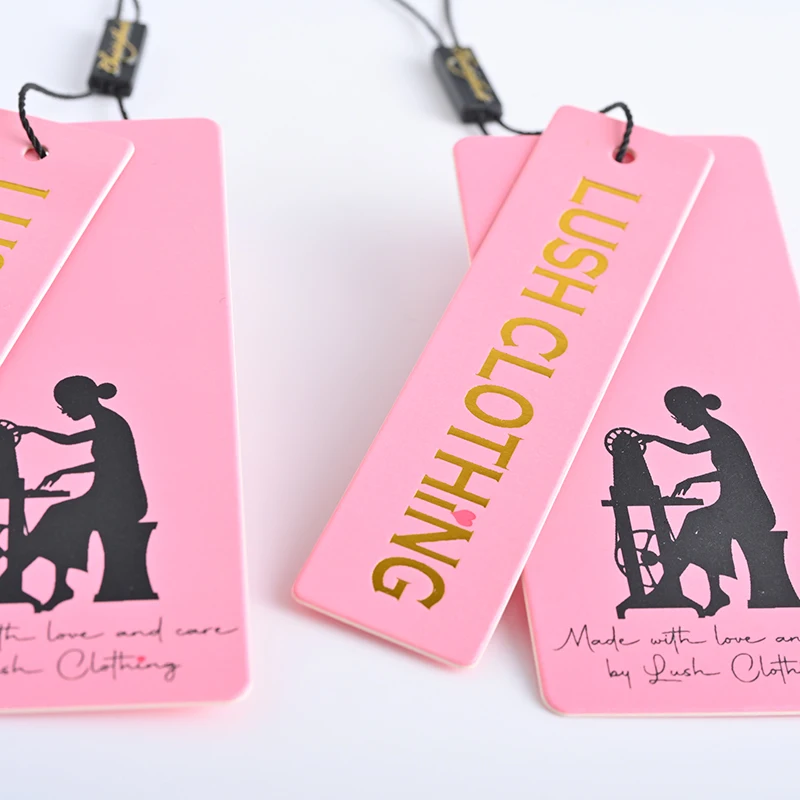
As personalization becomes the #1 driver of consumer loyalty (Nielsen, 2024), clothing hang tags designed by artificial intelligence are enabling brands to create hyper-customized labels at industrial scale. These AI-powered clothing tags merge data-driven creativity with eco-conscious production, transforming static labels into dynamic brand storytellers. Discover how neural networks are revolutionizing hang tag design while.
1. The AI Engine Behind Modern Clothing Hang Tags
Generative AI systems like DALL-E 3 and Adobe Firefly now design clothing tags by:
- Analyzing Trends: Processing 50M+ social media images to predict winning visual motifs.
- Mood Board Conversion: Turning keywords like “Scandinavian minimalism” into complete hang tag layouts.
- Sustainability Optimization: Automatically selecting biodegradable materials matching brand ESG goals.
Stat: AI-designed clothing hang tags reduce design time from 3 weeks to 47 minutes (Gartner Retail Report).
2. Mass Customization Without Compromise
AI enables infinite clothing tags variations through:
- Dynamic Text Generation: Creating 10,000+ unique product descriptions per hour via GPT-4.
- Size-Specific Tagging: Auto-scaling designs for petite/plus-size hang tags while maintaining brand DNA.
- Localization at Scale: Instantly adapting tags into 120 languages with cultural color adjustments.
Case Study: Zara’s AI-generated hang tags boosted click-through rates by 33% through localized holiday motifs.
3. Technical Workflow: From Prompt to Production
- Data Input: Brand guidelines + historical sales data uploaded to AI platforms like Canva Magic Design.
- Prototype Generation: 500+ clothing tag concepts created per campaign brief.
- Human Refinement: Designers adjust top 5% outputs via Figma plugins.
- Print-Ready Files: Auto-export to Pantone-validated CMYK formats.
Pro Tip: Use MidJourney’s “--testp” parameter for photorealistic hang tag mockups.
4. Consumer-Centric AI Tag Features
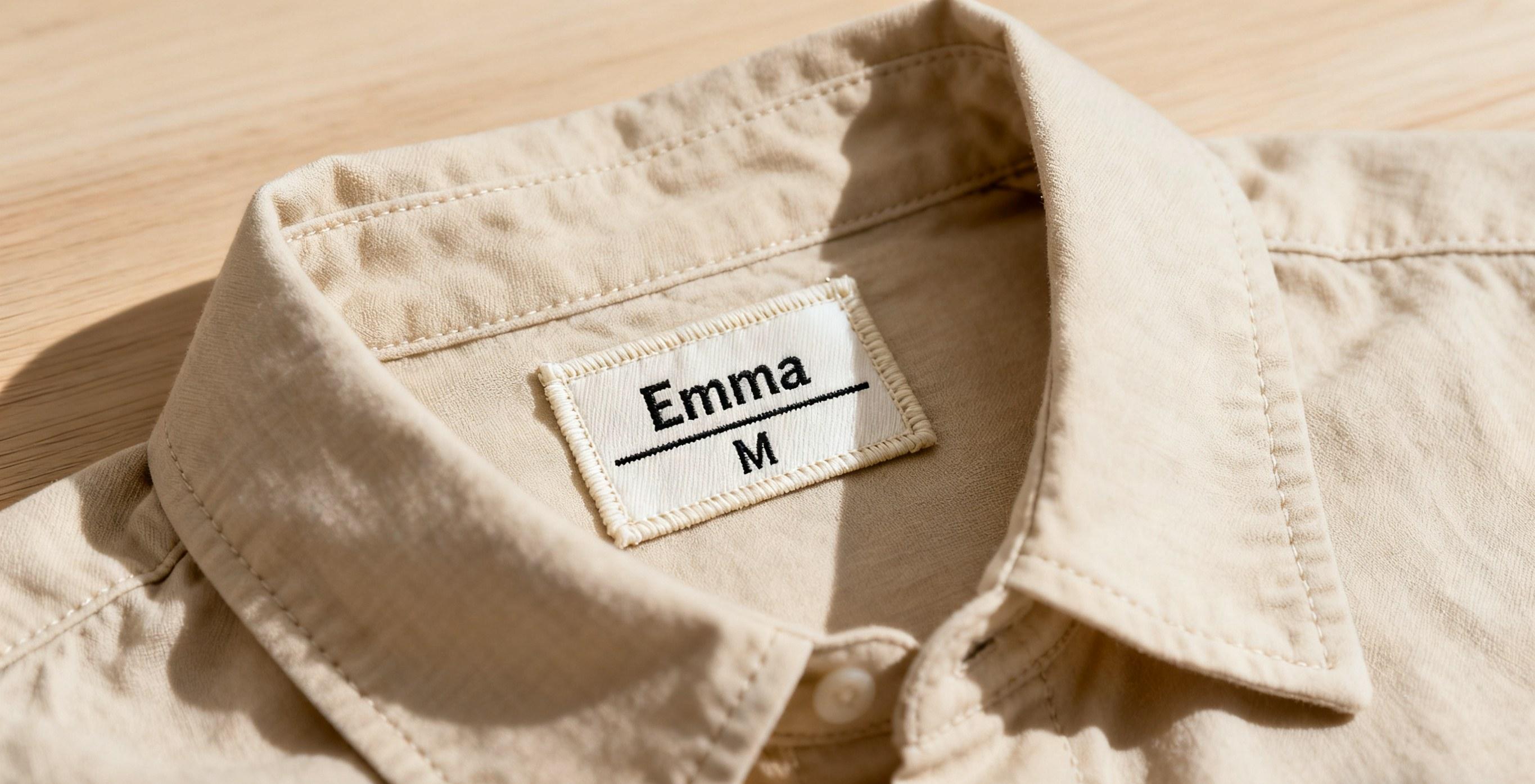
- Name Personalization: Shoppers input names to generate unique clothing hang tags during checkout (Casetify’s model).
- AR Previews: Scan AI-designed tags to visualize products in 3D before purchase.
- Mood-Based Collections: Tags adapting colors/textures to local weather via API-connected AI.
5. Sustainability Through Algorithmic Efficiency
AI-optimized clothing tags slash waste by:
- Material Minimization: Algorithms use 22% less ink through topological optimization.
- Perfect Sizing: Reducing misprinted hang tags by 89% via predictive margin calculations.
- Circular Design: Auto-generating tags from previous season’s unused materials (Veja’s Re-Entry AI).
6. Overcoming Creative Challenges
- Brand Consistency: Tools like Adobe Sensei maintain logo integrity across 10K+ clothing tag variants.
- Copyright Compliance: AI trained on licensed image banks to avoid IP issues.
- Cultural Sensitivity: Built-in bias detectors flag inappropriate motifs for global hang tags.
7. Future of AI-Generated Tags
- Real-Time Rendering: Instantly create clothing hang tags during customer convos via ChatGPT plugins.
- Self-Learning Tags: NFC-enabled designs that evolve artwork based on user interactions.
- Carbon-Footprint AI: Auto-select materials lowering each tag’s LCA impact by 30%+.
Conclusion: Where Algorithms Meet Authenticity
AI-generated clothing hang tags prove machines can enhance—not replace—human creativity. By automating repetitive tasks, designers gain freedom to focus on strategic innovation. As Adobe’s Scott Belsky observes: *“AI is the new intern that never sleeps.” Let your clothing tags** benefit from that relentless intern.
Carbon-Negative Clothing Tags: Algae Ink & Air-Ink Innovations
Reducing Waste with Rice Paper Clothing Labels Edible Hang Tags