Eco Friendly Custom Hanging Tags Sustainable Fashion Solutions
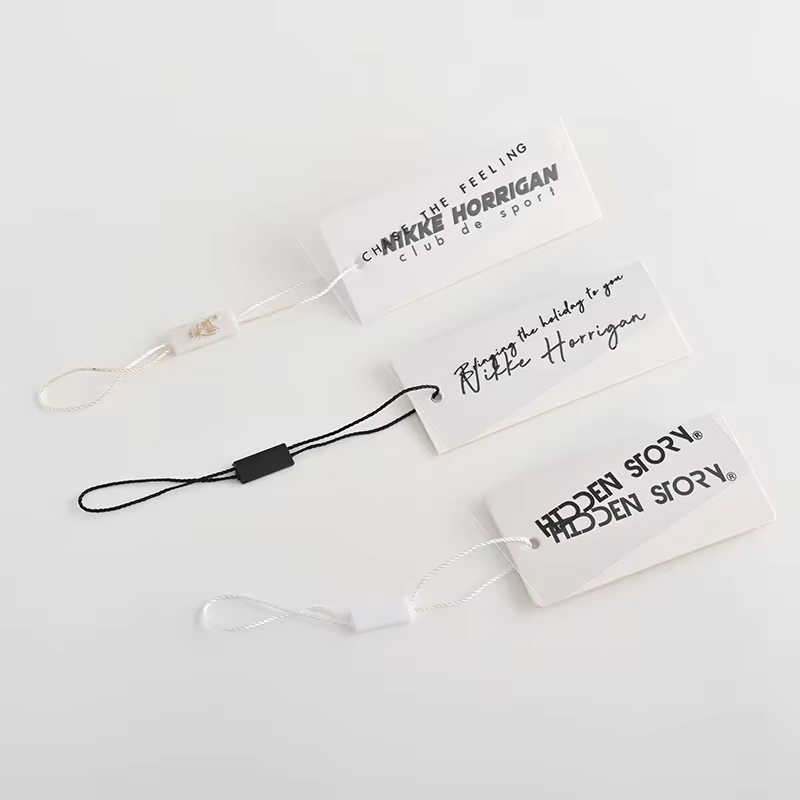
As the fashion industry shifts toward sustainability, custom hanging tags are emerging as a powerful tool for brands to showcase their eco-conscious values. More than just labels, hang tags for clothes now serve as a statement of environmental responsibility. This article explores how sustainable materials, innovative designs, and ethical practices are transforming custom hanging tags into key drivers of green fashion.
The Rise of Sustainable Materials
Traditional hang tags for clothes often rely on plastic-laminated paper or non-recyclable adhesives, contributing to landfill waste. Eco-friendly alternatives include:
- Recycled Paper: Made from post-consumer waste, reducing deforestation and carbon footprint.
- Seed Paper: Plantable tags embedded with wildflower or herb seeds, turning disposal into growth.
- Organic Cotton or Hemp: Durable, biodegradable fabrics ideal for luxury or casualwear brands.
- Stone Paper: Water-resistant and tree-free, crafted from mineral powders and recycled resin.
For example, a denim brand using custom hanging tags from recycled denim scraps reinforces its circular economy commitment.
Designing Eco-Conscious Hang Tags for Clothes
Sustainability extends beyond materials—smart design minimizes waste and maximizes impact:
- Minimalist Sizing: Reduce paper usage with smaller tags that retain readability.
- Soy-Based Inks: Replace petroleum-derived inks with non-toxic, biodegradable alternatives.
- Multi-Purpose Tags: Combine care instructions, branding, and QR codes on a single custom hanging tag to avoid over-labeling.
- Reusable Elements: Add detachable sections (e.g., discount coupons, fabric care cards) to extend a tag’s lifecycle.
A custom hanging tag with a QR code linking to a repair guide, for instance, empowers customers to prolong garment use—a core sustainability principle.
Certifications Matter
Eco-savvy consumers demand proof of sustainability. Certifications on hang tags for clothes build trust and transparency:
- FSC (Forest Stewardship Council): Ensures paper products come from responsibly managed forests.
- GOTS (Global Organic Textile Standard): Validates organic fiber content and ethical production.
- Cradle to Cradle: Certifies recyclability and safe material chemistry.
Brands like Patagonia use custom hanging tags with B Corp certifications to highlight their social and environmental performance.
Case Study: From Waste to Wow
A small apparel brand replaced its plastic hang tags for clothes with seed paper tags designed as part of their "Wear, Plant, Grow" campaign. Results included:
- 40% increase in social media mentions from customers sharing photos of their blooming tags.
- 25% reduction in packaging costs by eliminating separate care booklets.
- Enhanced brand perception as a sustainability leader in local markets.
How to Transition to Eco-Friendly Custom Hanging Tags
- Audit Current Tags: Identify non-sustainable materials or redundant information.
- Partner with Green Suppliers: Choose printers specializing in eco-friendly hang tags for clothes.
- Educate Customers: Use tags to explain your material choices and recycling guidelines.
- Test Durability: Ensure tags withstand shipping and handling without compromising eco-integrity.
Conclusion: Tags That Align with Values
Custom hanging tags are no longer just branding tools—they’re a tangible reflection of your commitment to the planet. By adopting sustainable materials, thoughtful designs, and credible certifications, hang tags for clothes can become a catalyst for change in the fashion industry. Ready to make your tags greener? Start by reimagining your custom hanging tags today.
Why Hire a Hang Tag Coach Perfecting Tags for Clothes
Top 5 Trends in Hang Tags for Clothes Custom Design Tips