Elevating Brand Identity Through Modern Woven Labels texture
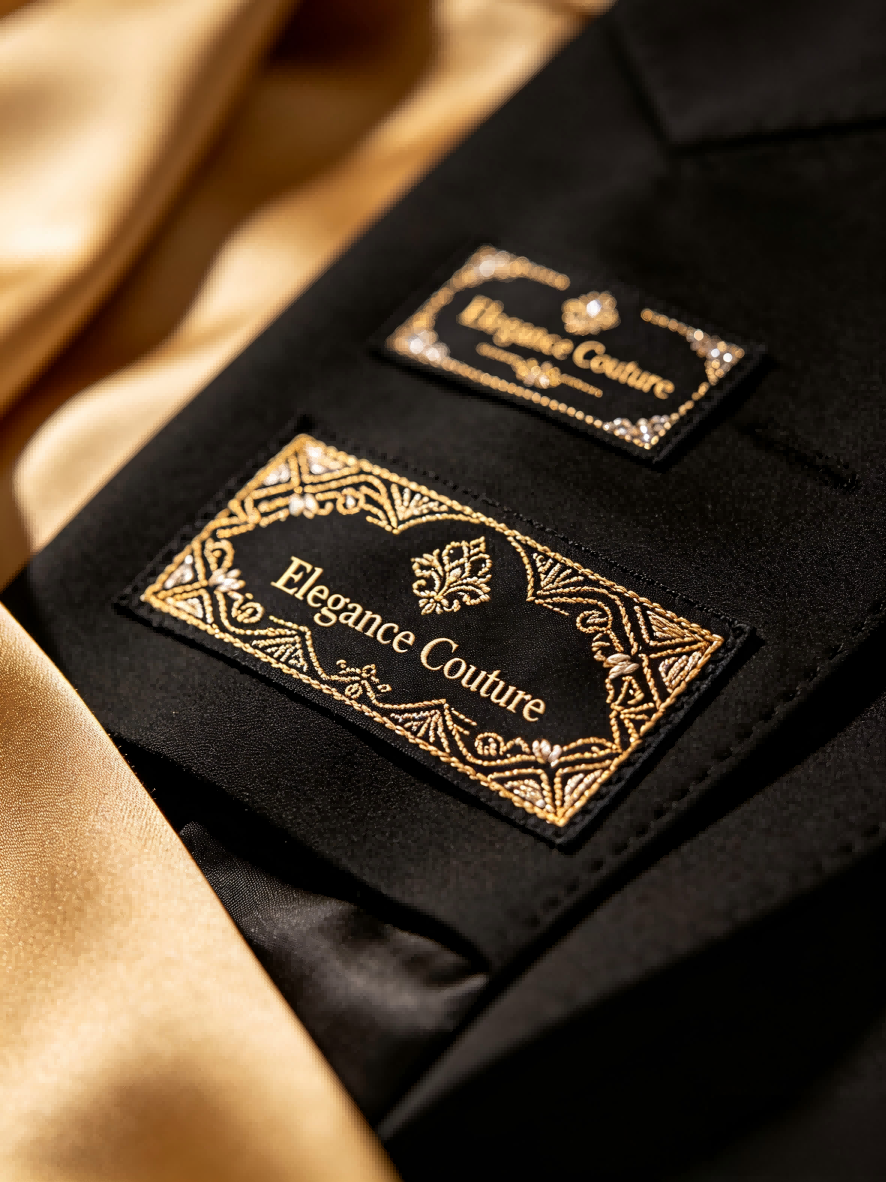
In the fashion industry, a label is much more than a piece of fabric—it is a tactile and visual extension of a brand’s identity. The woven label texture can tell a silent story about craftsmanship, luxury, and quality. When a customer touches a finely woven label, they feel the essence of the brand before even trying on the garment.
This article explores how label texture, customization, and modern techniques like iron on woven labels are redefining how apparel brands communicate sophistication, comfort, and authenticity.
1. The Role of Woven Label Texture in Brand Communication
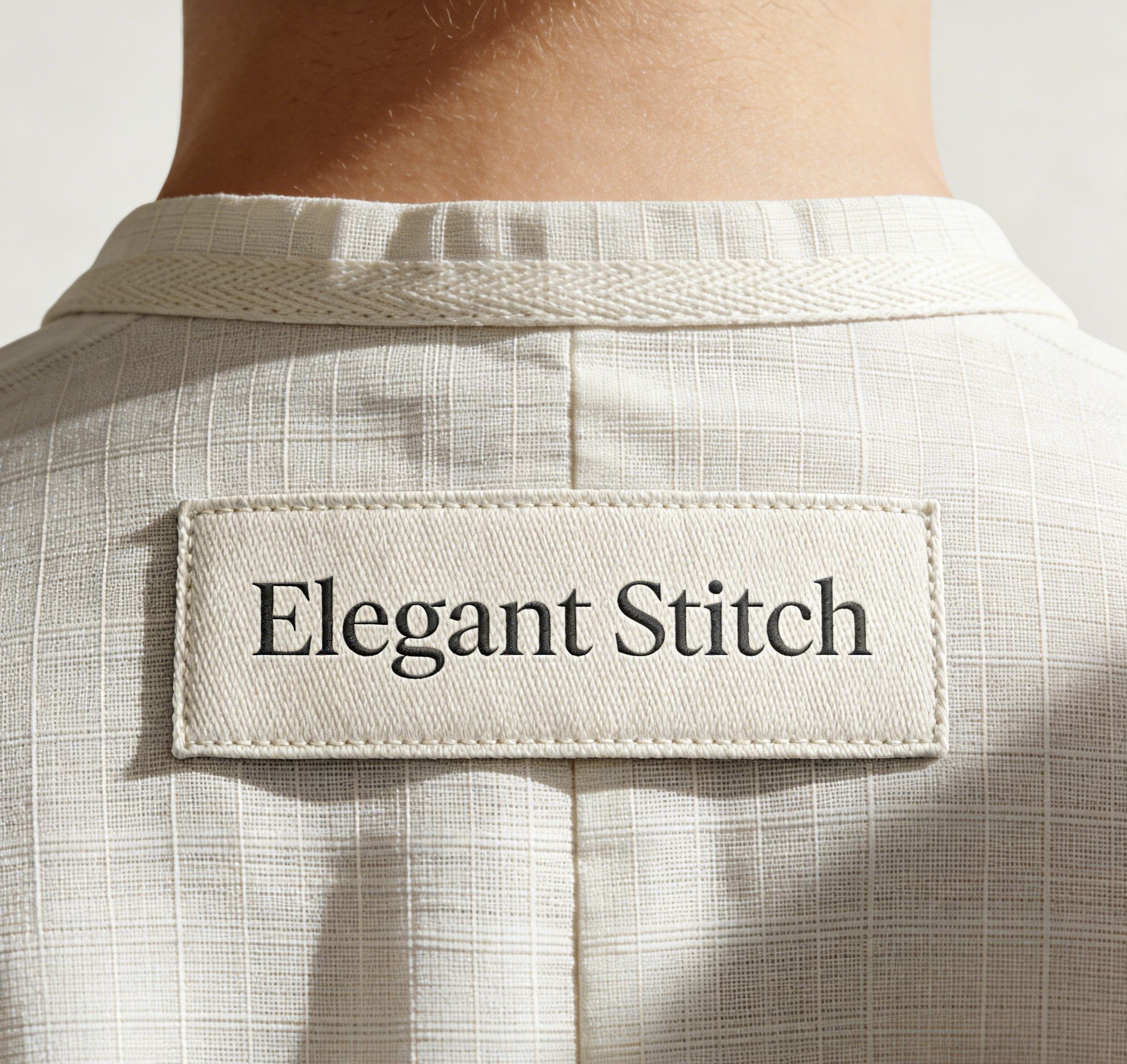
The texture of a woven label is often underestimated, but it has a direct influence on how consumers perceive the garment’s value. Woven label texture represents the interplay between weaving density, yarn quality, and finish.
High-density weaves offer crisp detail and a premium hand-feel. Rougher textures, on the other hand, can express durability or artisanal authenticity—ideal for streetwear or denim lines. Whether soft and smooth or structured and robust, every tactile decision reinforces a specific message about the brand’s DNA.
Modern fashion houses use advanced weaving techniques to achieve distinctive textures that complement their product lines. Texture is no longer just aesthetic—it’s strategic.

2. Local Craftsmanship and Customization Advantages
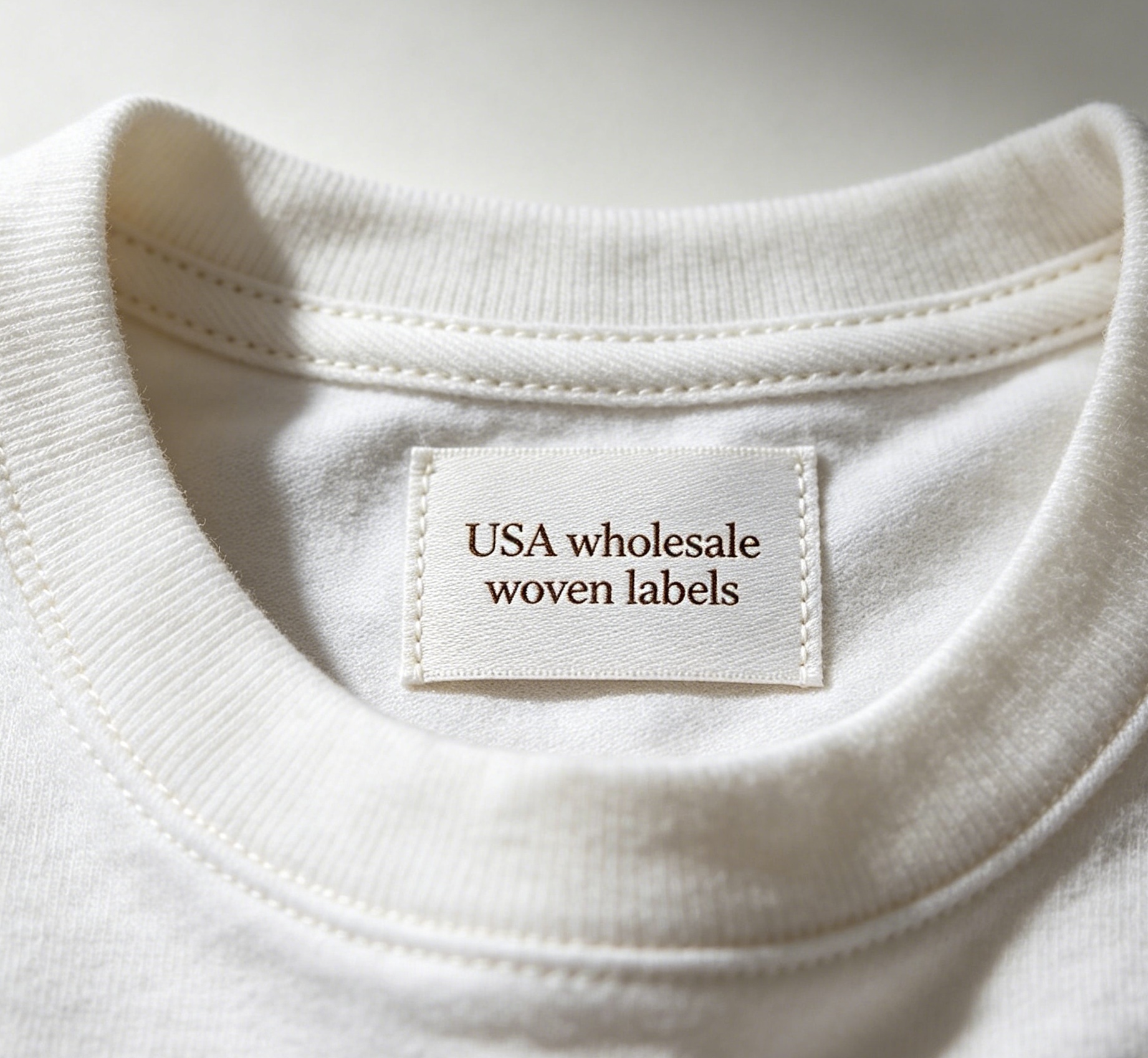
For many apparel producers, finding custom woven labels near me is a vital step toward maintaining brand control and efficiency. Local label manufacturers provide not only proximity but also precision and collaboration opportunities.
When working with nearby partners, fashion designers can personally inspect samples, request real-time revisions, and ensure consistency in texture and color. This direct communication eliminates misalignment and saves valuable production time.
Moreover, local suppliers often specialize in small-batch production, making them ideal for independent fashion labels or emerging designers who seek flexibility without compromising on quality.
In cities with active fashion ecosystems, such as New York, Los Angeles, or London, the demand for custom woven labels near me continues to grow. Local sourcing supports sustainability goals by reducing shipping distances and enabling more ethical production models.

3. Material Science Behind Woven Label Texture
A label’s texture is shaped by the materials and methods used in weaving.
Let’s break it down:
-
Fiber Type: Polyester provides durability and colorfastness, while cotton adds softness and eco-friendly appeal.
-
Weave Density: Denser weaves allow sharper logo definition, perfect for intricate designs.
-
Finishing: Heat pressing, brushing, or coating can modify both texture and sheen.
The combination of these factors determines how a label looks and feels—and whether it aligns with the intended brand image. Luxury brands often favor a smoother satin finish, while sustainable brands may opt for matte organic fibers that feel natural to the touch.
This interplay of structure and softness transforms a simple woven label into a storytelling medium.
4. Iron On Woven Labels: Efficiency Meets Innovation
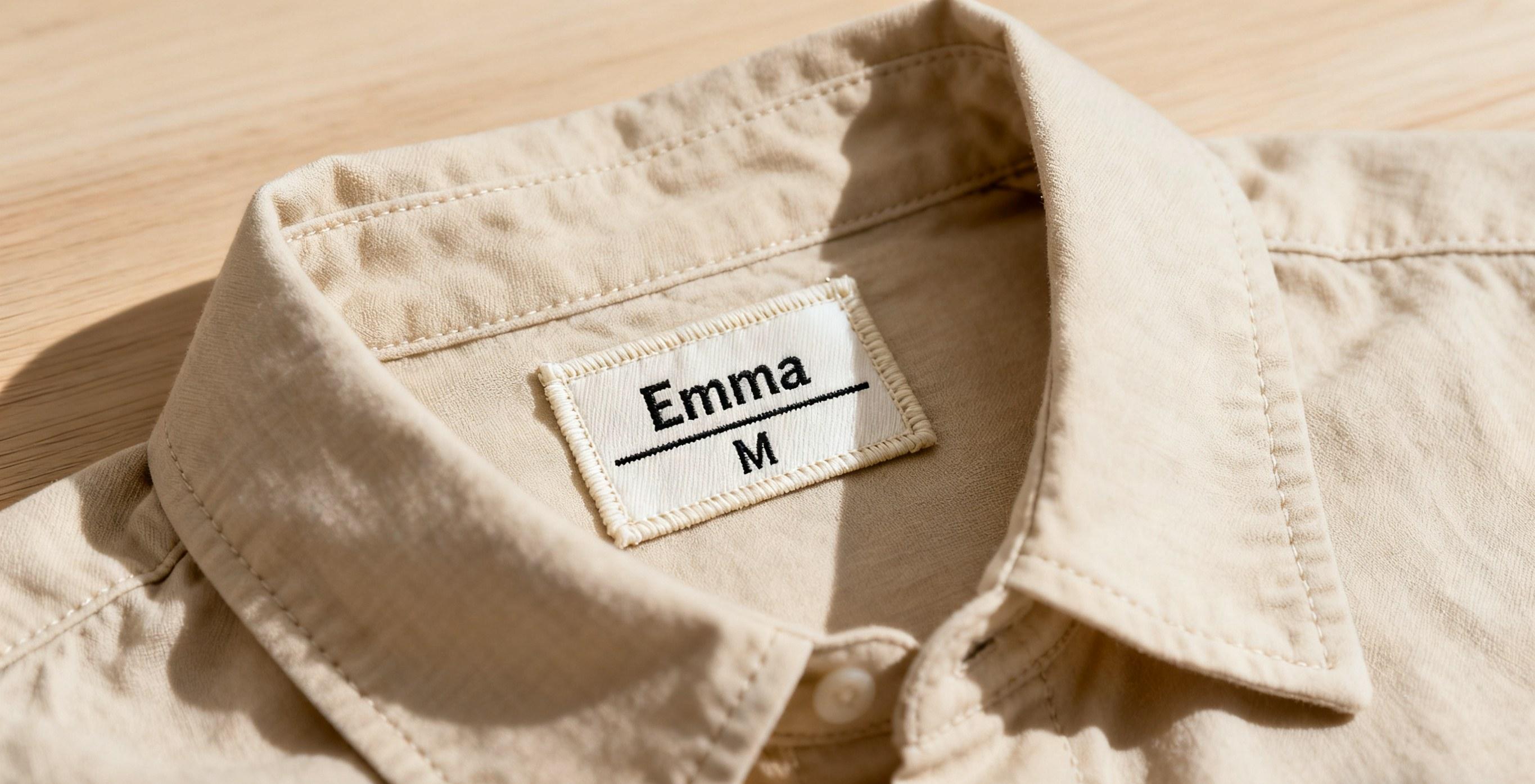
In recent years, iron on woven labels have become a preferred choice among small to mid-scale fashion businesses. They combine traditional woven aesthetics with practical, heat-activated technology that eliminates sewing.
These labels are especially popular in:
-
Sportswear: For smooth application on performance fabrics.
-
Children’s clothing: Ensuring comfort and no sharp edges.
-
Small fashion brands: Simplifying production while maintaining a professional appearance.
Iron on woven labels adhere firmly through heat and pressure, resisting repeated washing and stretching. Their clean look enhances garment interiors, especially when a seamless design is desired.

5. Choosing the Right Texture for Your Brand
Selecting the correct woven label texture depends on your brand’s positioning and product category:
-
Luxury or bridal lines: Choose soft, satin-like weaves with smooth finishes.
-
Eco-friendly brands: Go for natural fibers such as cotton or bamboo with matte textures.
-
Casualwear and denim: Opt for coarser textures that communicate rugged authenticity.
Each choice reinforces brand storytelling. For instance, a soft satin label instantly conveys sophistication, while a thicker weave suggests durability and craftsmanship.
In essence, label texture bridges the gap between tactile experience and emotional connection—turning every garment into a conversation piece.
6. Conclusion: Where Texture Meets Identity
As fashion becomes increasingly experiential, labels are no longer secondary details—they’re micro-representations of brand identity. The woven label texture you choose affects how your brand feels, both physically and emotionally.
Whether you work with custom woven labels near me for personalized control or opt for iron on woven labels to streamline production, the key lies in aligning texture with your brand philosophy.
A well-designed woven label not only survives the wash—it endures in the customer’s memory.
Fabric Label Texture: The Art of Satin Woven Style & Branding
How Custom Hang Tags Boost Brand Identity & Product Appeal