Garment Label Tags: Essential Features for Modern Brands
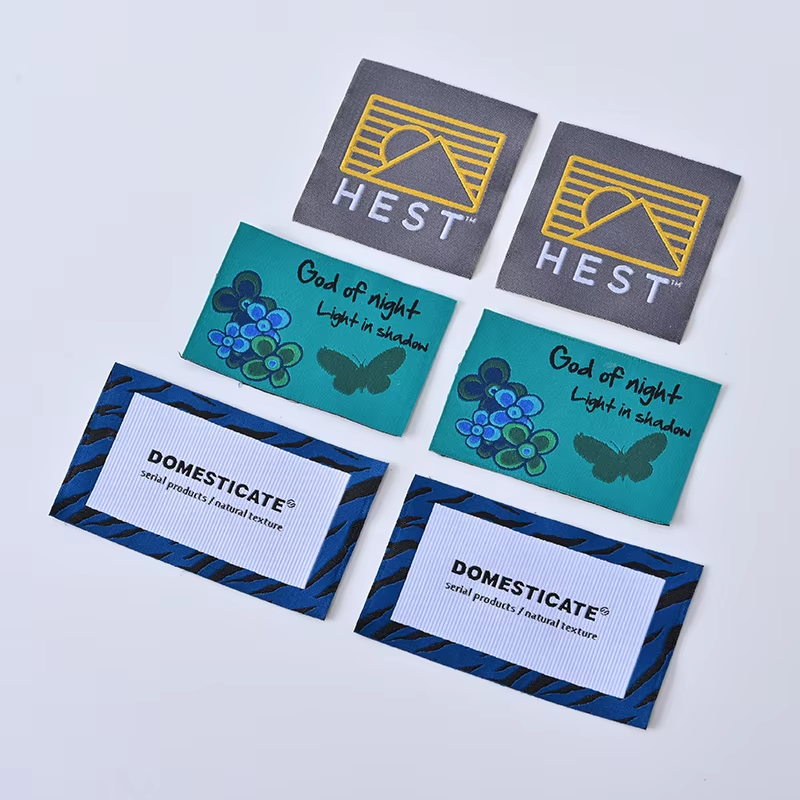
In today’s competitive fashion landscape, garment label tags, embroidered garment labels, and garment fabric labels are no longer mere afterthoughts—they are strategic tools that define a brand’s identity, values, and consumer appeal. Modern brands recognize that these labels must go beyond basic functionality, incorporating features that resonate with eco-conscious consumers, enhance brand storytelling, and elevate product perception. In this article, we explore the essential features that make garment label tags, embroidered garment labels, and garment fabric labels indispensable for modern brands.
1. Strong Brand Identity through Custom Design
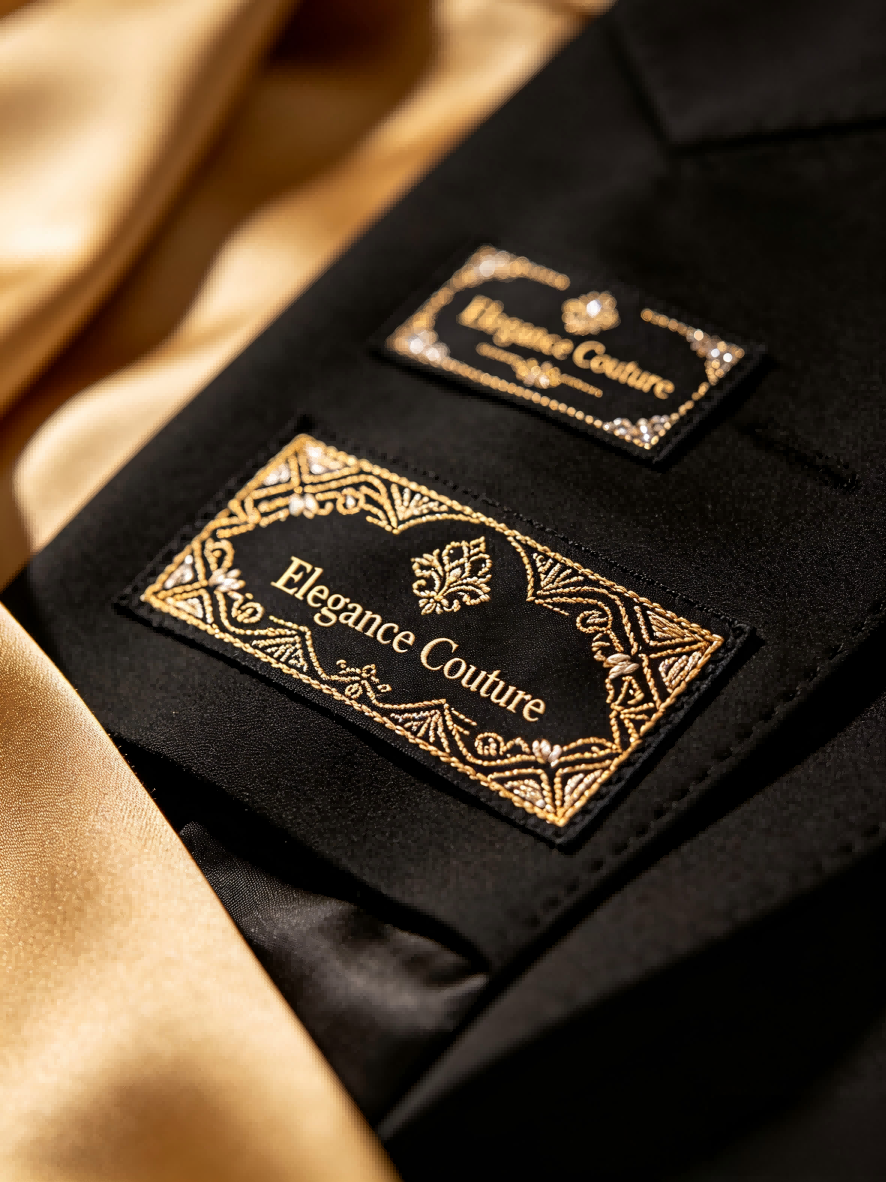
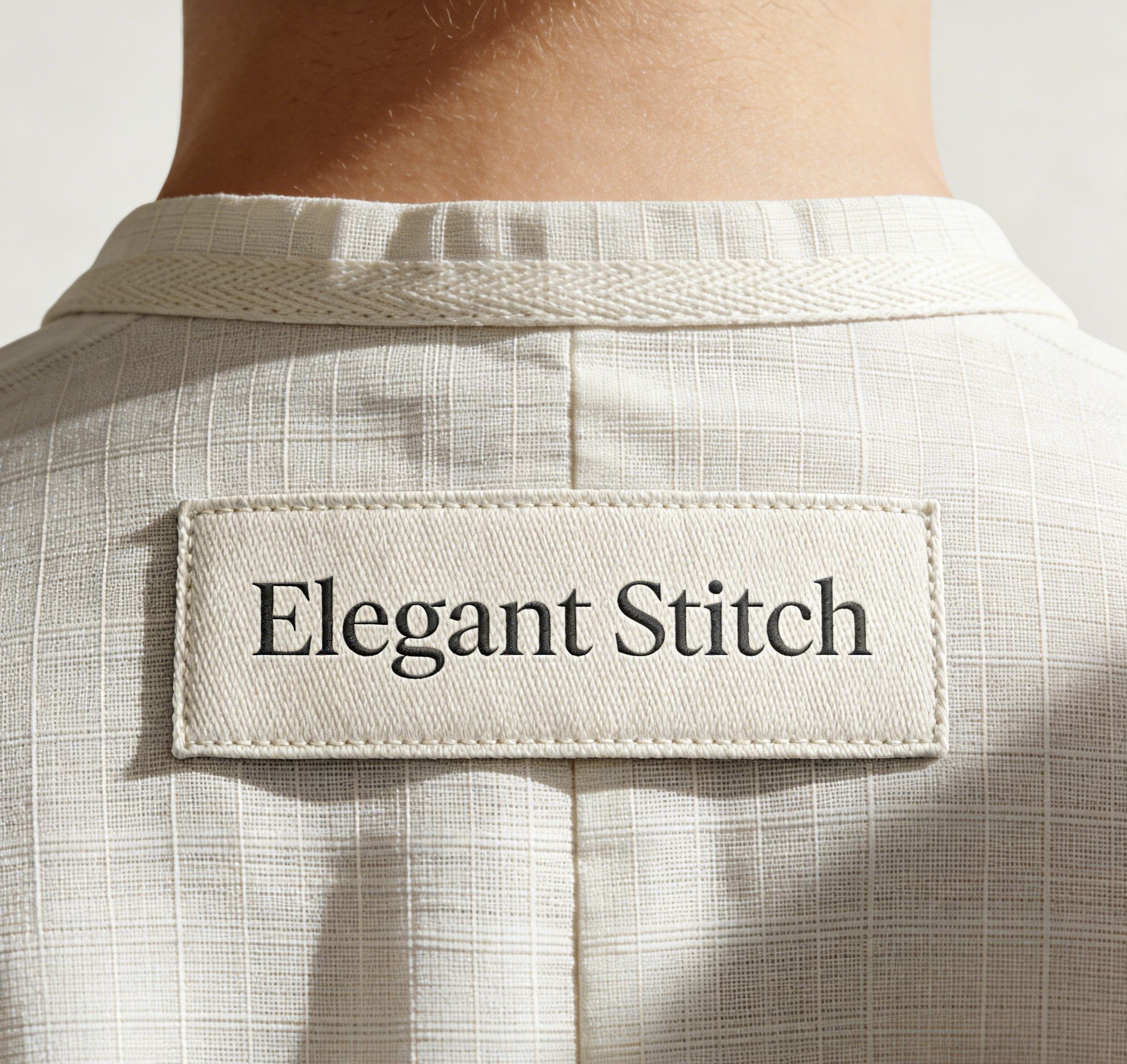
A garment label tag or embroidered garment label is a brand’s miniature billboard. Modern brands prioritize custom designs that reflect their unique identity. For instance, embroidered garment labels with intricate stitching and premium threads convey luxury and craftsmanship, while bold, minimalist garment label tags signal modernity. By integrating logos, brand colors, and typography into garment fabric labels or embroidered garment labels, brands create a cohesive visual language that reinforces recognition. Consistency in design across all labels ensures consumers instantly identify and trust the brand, whether on a high-end blouse or a casual t-shirt.
2. Sustainability as a Core Value
Eco-conscious consumers demand transparency, and garment label tags and garment fabric labels are prime real estate for showcasing sustainability efforts. Brands are increasingly using recycled materials, organic cotton, or FSC-certified paper for garment label tags, while embroidered garment labels may feature threads made from recycled polyester or organic fibers. Labels can also include messaging about ethical production, carbon-neutral practices, or recycling initiatives. By aligning garment fabric labels and garment label tags with sustainability goals, brands appeal to environmentally aware consumers and differentiate themselves in a crowded market.
3. Functional Clarity and Durability
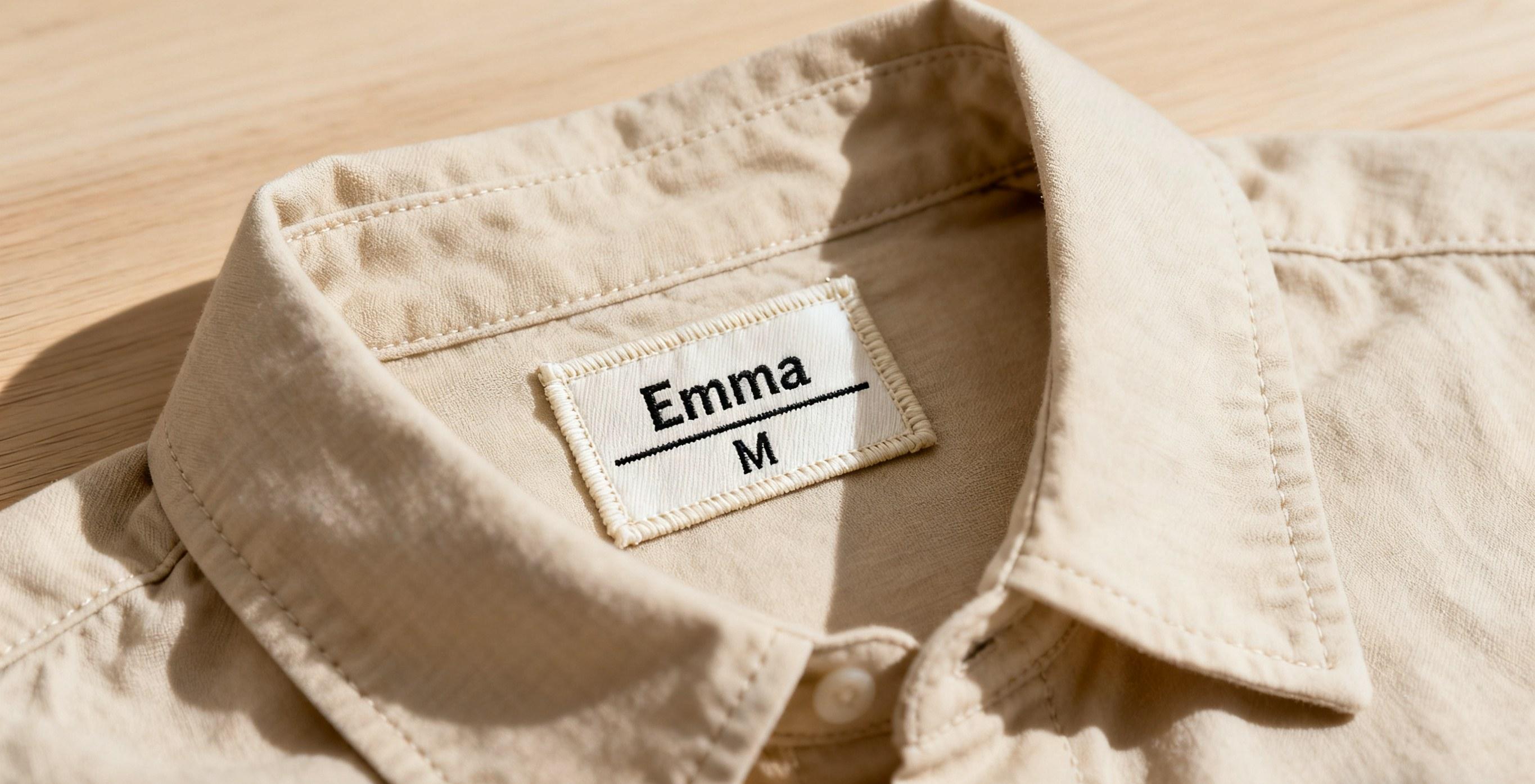
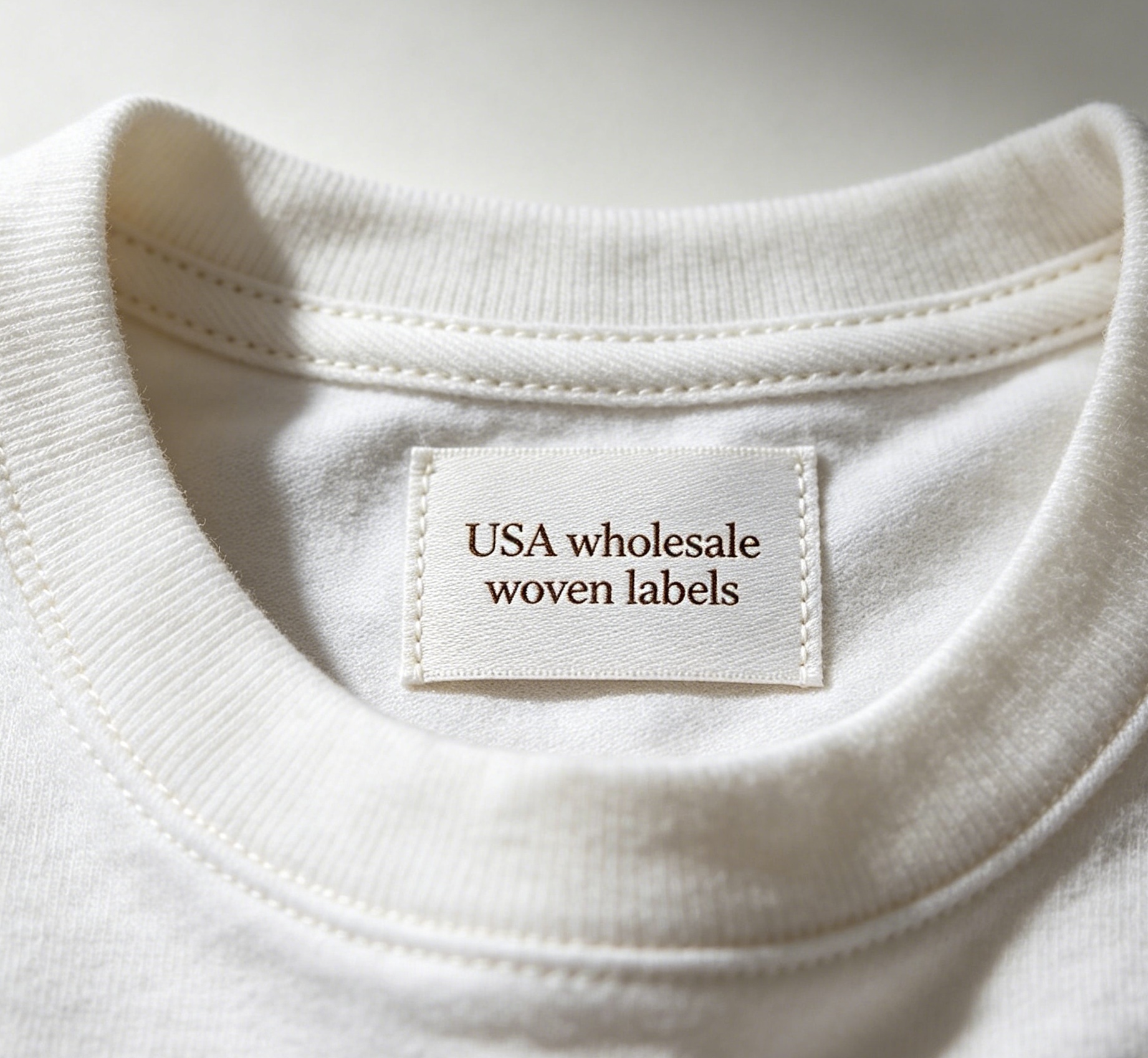
Modern garment label tags and garment fabric labels must balance aesthetics with functionality. Clear, legible text on garment label tags ensures consumers easily access care instructions, material details, and sizing information. Embroidered garment labels, with their durable stitching, resist fading and wear, ensuring critical information remains intact wash after wash. Brands also invest in high-quality materials for garment fabric labels, such as woven polyester or satin, to ensure labels withstand frequent laundering without fraying or peeling. Durability not only enhances the label’s longevity but also reinforces a brand’s commitment to quality.
4. Innovative Design for Visual Impact
To stand out, modern brands embrace innovation in garment label tags and embroidered garment labels. Tactile elements like raised embroidery, embossing, or holographic finishes on embroidered garment labels create sensory experiences that engage consumers. Garment label tags may feature unique shapes, die-cut designs, or interactive elements like QR codes that link to digital content or authenticity checks. Brands also experiment with unconventional materials, such as mushroom leather or biodegradable plastics, for garment fabric labels, combining creativity with sustainability.
5. Technology Integration for Enhanced Engagement
Digital innovation is transforming garment label tags and embroidered garment labels. Brands are embedding QR codes or NFC chips into garment label tags, allowing consumers to scan and access product stories, sustainability reports, or styling tips. Embroidered garment labels with reflective or glow-in-the-dark threads add a tech-savvy twist, making labels both functional and Instagram-worthy. These integrations not only enhance consumer engagement but also provide brands with valuable data on customer interactions.
6. Compliance with Global Standards
Modern brands must navigate complex legal requirements for garment label tags and garment fabric labels. Labels must include fiber content, country of origin, and care instructions, as mandated by regulations like the FTC (U.S.) or CE marking (EU). Embroidered garment labels offer durability, ensuring compliance information remains legible over time. By partnering with certified manufacturers, brands ensure their garment fabric labels and garment label tags meet global standards, avoiding legal pitfalls and building trust with international consumers.
The Bottom Line: Labels as Brand Icons
In the modern fashion industry, garment label tags, embroidered garment labels, and garment fabric labels are essential features that distinguish brands and connect with consumers. By prioritizing strong brand identity, sustainability, functionality, innovation, technology, and compliance, brands can transform these small elements into powerful tools for growth. Whether through intricate embroidered garment labels that showcase craftsmanship or eco-friendly garment label tags that communicate values, every label is an opportunity to reinforce a brand’s story. In a world where consumers crave authenticity and quality, investing in these essential features is not just a choice—it’s a necessity for modern brands aiming to thrive.
Sustainable Options for Garment Fabric Labels
DIY Embroidered Garment Labels: Step-by-Step Guide