Innovations in Technology and Design Garment Label Tags
In the fast-paced world of fashion, garment label tags, embroidered garment labels, and garment fabric labels are no longer static identifiers—they are dynamic tools shaped by technological advancements and creative design. Brands are leveraging innovation to transform these labels into interactive, sustainable, and visually striking elements that enhance brand storytelling, engage consumers, and align with modern values. This article explores cutting-edge innovations in technology and design that are redefining garment label tags, embroidered garment labels, and garment fabric labels.
1. Smart Labels: Integrating Technology for Enhanced Engagement
The rise of smart technology has introduced interactive garment label tags and garment fabric labels that bridge the gap between physical and digital experiences. Brands are embedding QR codes, NFC chips, or RFID tags into garment label tags, allowing consumers to scan and access exclusive content, such as product stories, styling tips, or sustainability reports. For example, a garment label tag with a QR code might link to a video showcasing the brand’s ethical manufacturing process. Embroidered garment labels can also incorporate conductive threads to create touch-sensitive elements, enabling consumers to interact with the label through their smartphones. These smart labels not only engage tech-savvy audiences but also provide brands with valuable data on consumer behavior.
2. Sustainable Materials: Eco-Conscious Innovations
Innovation in materials is revolutionizing garment fabric labels and garment label tags. Brands are increasingly adopting eco-friendly materials like organic cotton, recycled polyester, and mushroom leather for garment fabric labels, reducing their environmental footprint. Embroidered garment labels now use water-soluble threads or biodegradable backing materials, ensuring labels decompose without harming the planet. Additionally, advancements in recycling technology allow garment label tags to be made from upcycled materials, such as discarded plastic bottles or fabric scraps. These sustainable innovations resonate with eco-conscious consumers and position brands as leaders in ethical fashion.
3. 3D and Textured Embroidery: Elevating Tactile Experiences
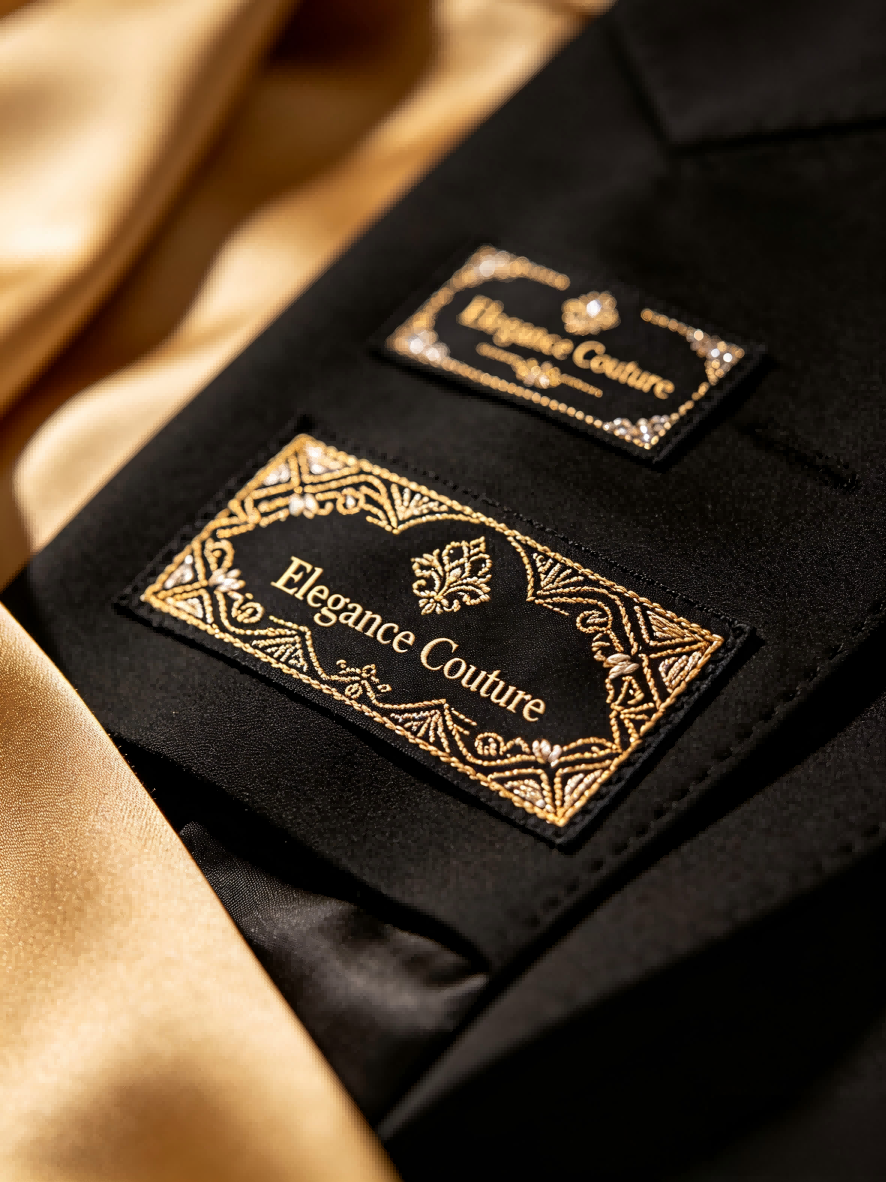
Embroidered garment labels are embracing three-dimensional and textured designs to create sensory-rich experiences. Advanced embroidery machines can produce raised, padded stitches or intricate relief patterns, adding depth and luxury to embroidered garment labels. For instance, a logo embroidered with 3D texture on a garment fabric label not only enhances visual appeal but also invites touch, making the label a memorable tactile element. Brands are also experimenting with metallic, neon, or glow-in-the-dark threads in embroidered garment labels, creating eye-catching effects that elevate the overall aesthetic of the garment.
4. Digital Printing and Customization: Endless Design Possibilities
Digital printing technology has democratized design for garment label tags and garment fabric labels. Brands can now print high-resolution images, gradients, and intricate patterns on labels with ease, offering endless customization options. Digital printing allows garment label tags to feature vibrant colors, photographic-quality graphics, or variable data (such as size or batch numbers), ensuring labels are both informative and visually striking. Combined with embroidered garment labels, digital printing creates hybrid designs that blend the texture of embroidery with the precision of printed details, offering a unique and sophisticated look.
5. Interactive and Augmented Reality (AR) Labels
Innovations in augmented reality (AR) are transforming garment label tags into immersive brand experiences. By scanning an AR-enabled garment label tag with a smartphone, consumers can unlock virtual try-ons, behind-the-scenes content, or virtual tours of the brand’s atelier. Embroidered garment labels can also be designed to trigger AR experiences when viewed through a camera, adding a layer of interactivity that captivates consumers. These AR labels not only enhance engagement but also extend the brand’s storytelling beyond the physical product.
6. Minimalist and Functional Designs: Less is More
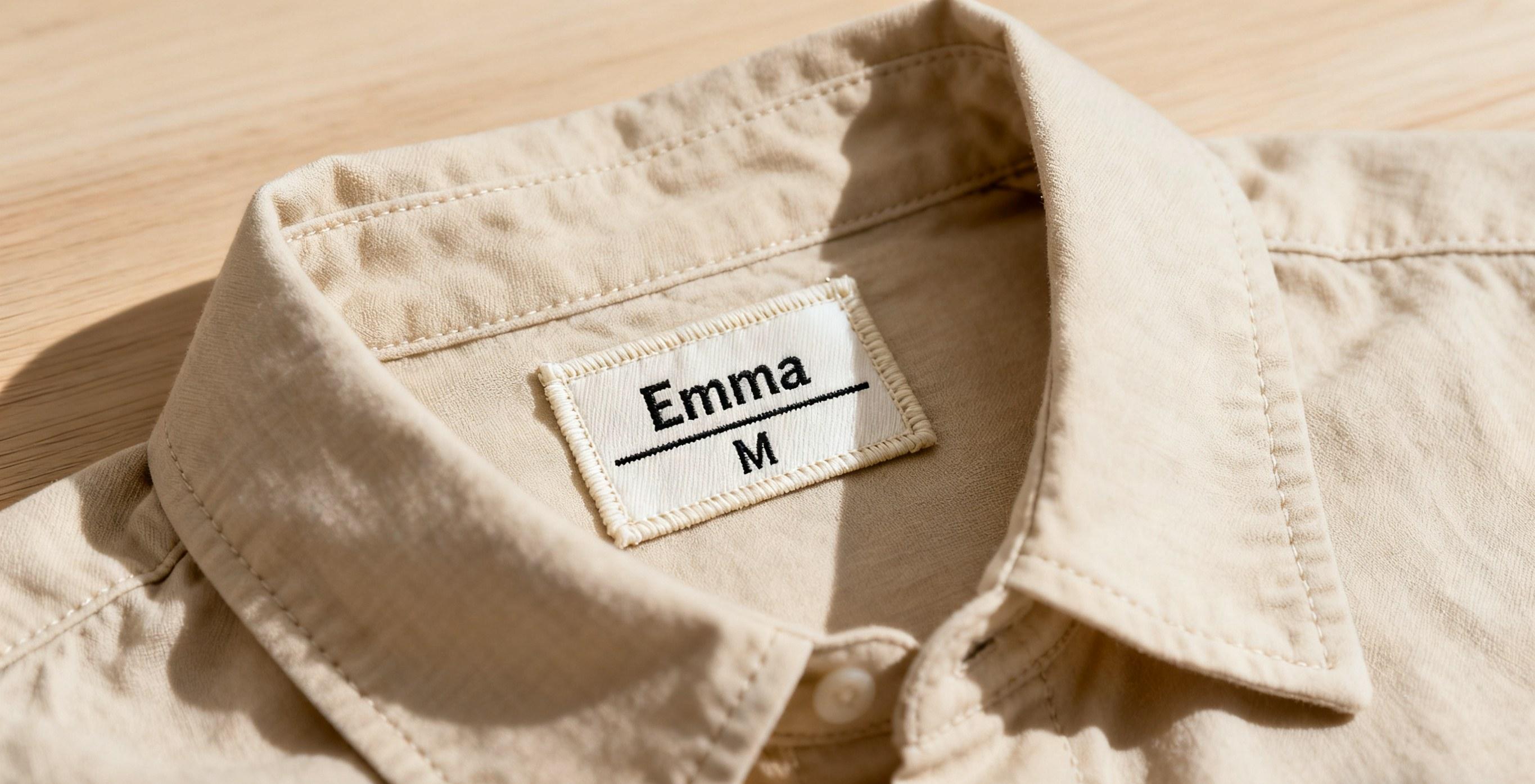
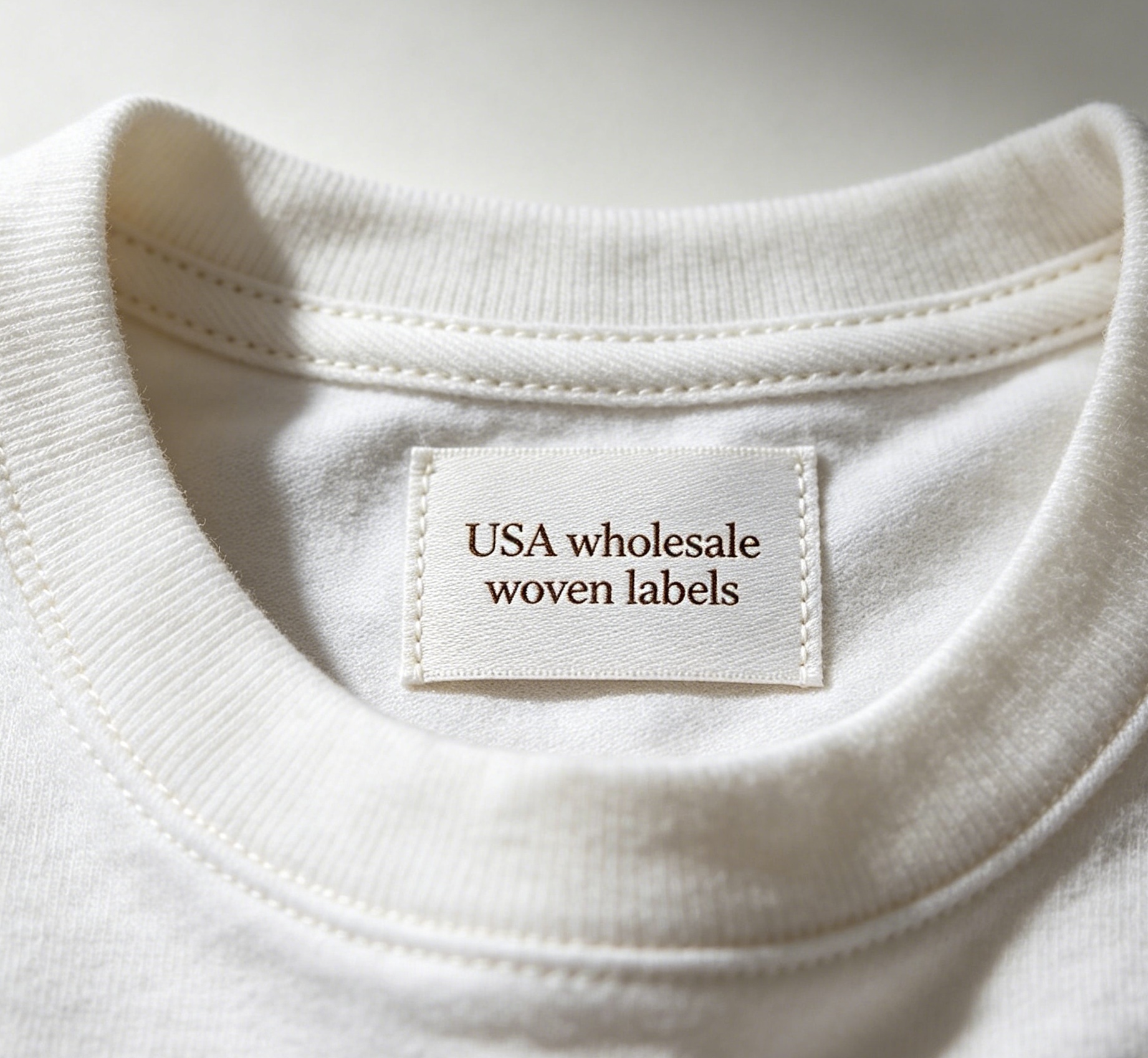
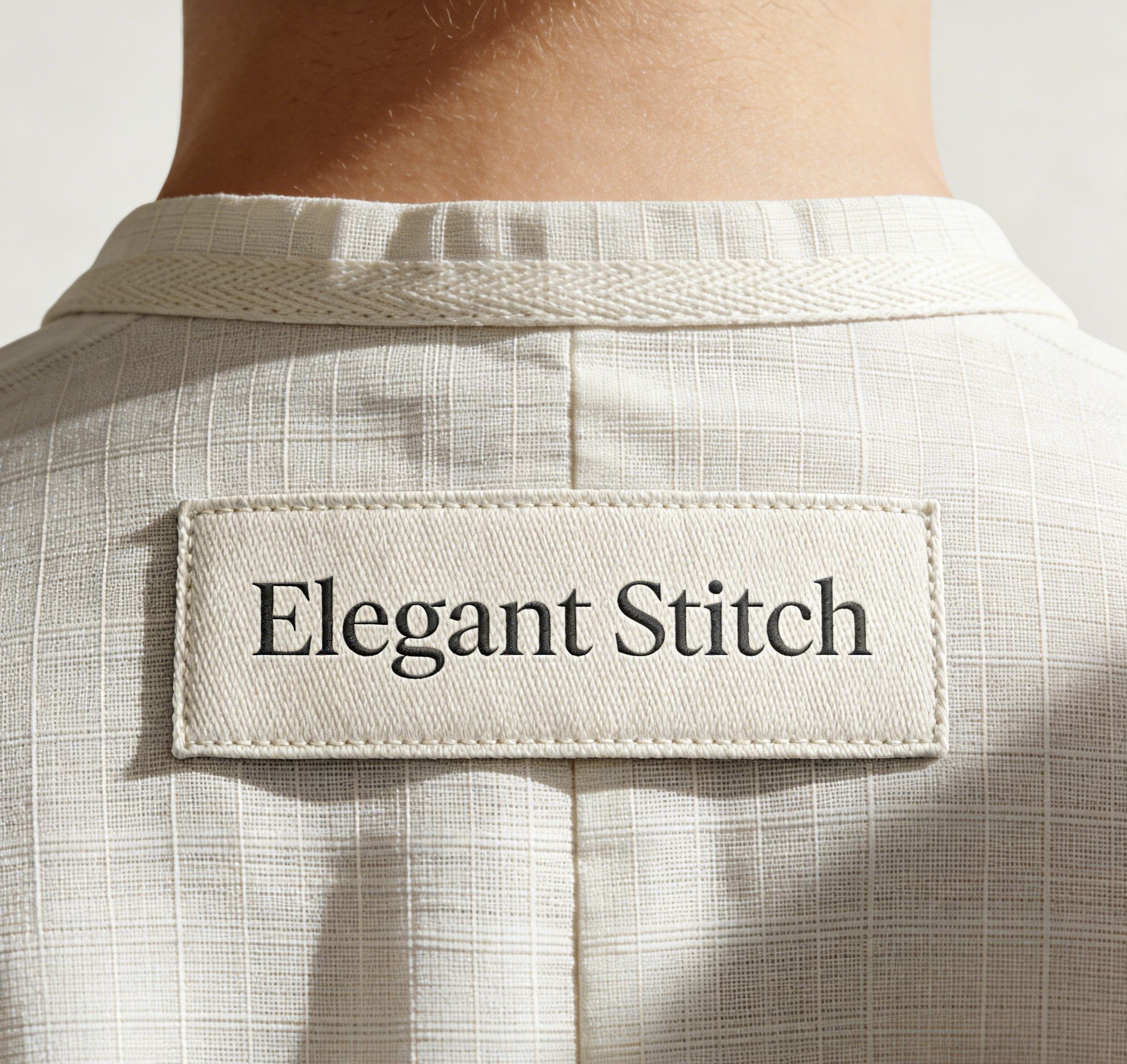
While innovation often leans toward complexity, minimalist designs for garment label tags and garment fabric labels are gaining traction. Clean lines, subtle typography, and understated embroidery on embroidered garment labels create a sophisticated, timeless look. Brands are focusing on functionality, ensuring garment label tags provide essential information (such as care instructions or material details) in a clutter-free, easy-to-read format. This minimalist approach not only aligns with modern aesthetics but also ensures labels remain relevant across seasons and trends.
The Future of Garment Labels: Innovation as a Competitive Edge
The innovations in technology and design for garment label tags, embroidered garment labels, and garment fabric labels are reshaping how brands communicate with consumers. From smart labels that bridge the digital-physical divide to sustainable materials that prioritize the planet, these advancements offer brands a competitive edge in a crowded market. By embracing these innovations, brands can create labels that are not only functional but also tell compelling stories, engage audiences, and reflect their values. As technology continues to evolve, the possibilities for garment label tags, embroidered garment labels, and garment fabric labels are endless—promising a future where every label is a masterpiece of innovation and design.
Garment Fabric Labels: Impact on Consumer Perception
Garment Fabric Labels: How to Choose the Right Printer
Related blog