Sustainable Options for Garment Fabric Labels
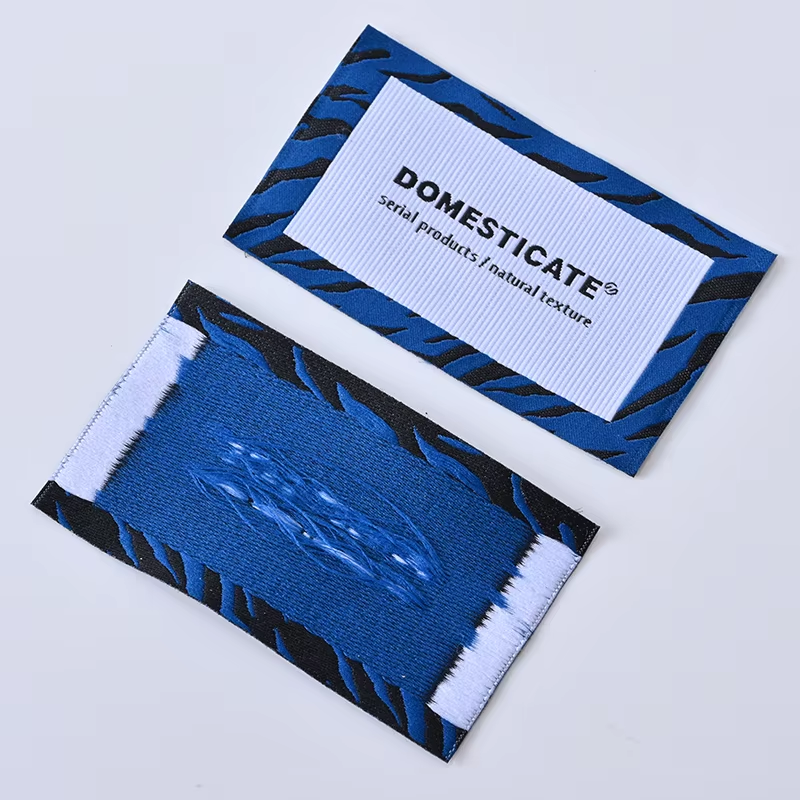
In an era where sustainability is a driving force in fashion, garment fabric labels, embroidered garment labels, and garment label tags are no exception to the eco-conscious movement. These essential branding elements offer brands a powerful opportunity to align with ethical values while appealing to environmentally aware consumers. By choosing sustainable materials for garment fabric labels, embroidered garment labels, and garment label tags, brands can reduce their ecological footprint, enhance brand loyalty, and contribute to a circular economy. In this article, we explore innovative, sustainable options that redefine the future of labeling.
1. Organic Cotton: Softness with a Conscience
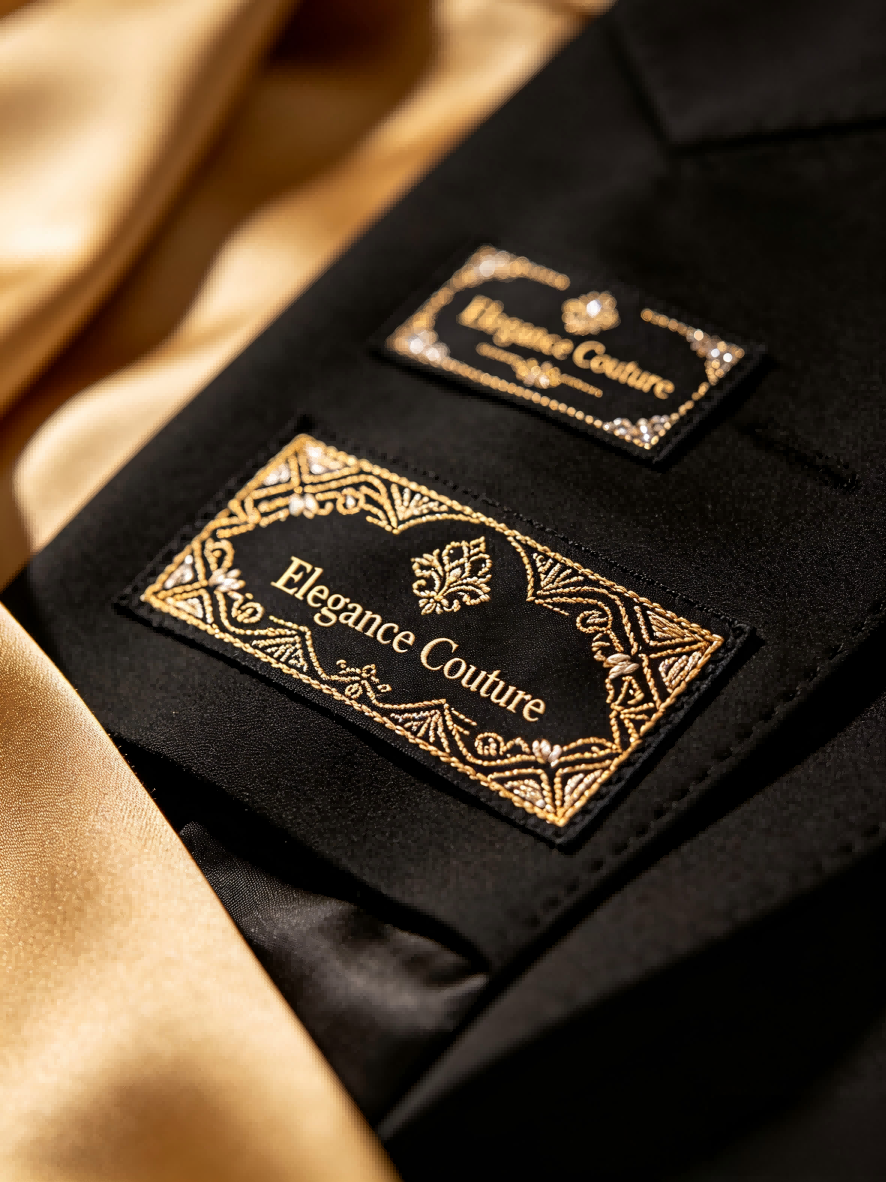
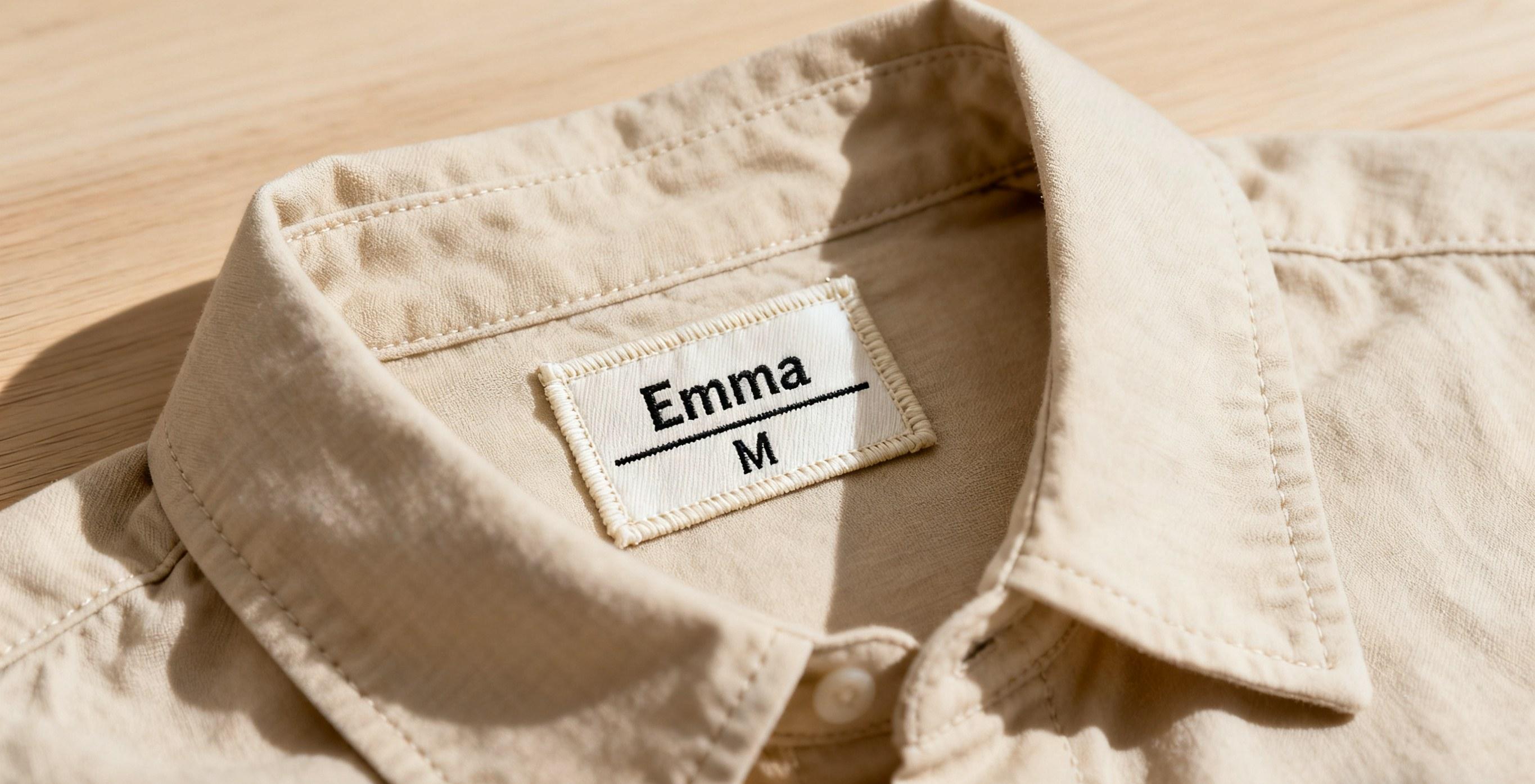
Organic cotton is a popular choice for garment fabric labels and embroidered garment labels due to its eco-friendly cultivation. Grown without synthetic pesticides or fertilizers, organic cotton conserves water and protects soil health. Its soft, breathable texture makes it ideal for embroidered garment labels that come into direct contact with the skin, ensuring comfort without compromising durability. Brands can embroider logos, care instructions, or intricate designs onto organic cotton garment fabric labels, creating a tactile and sustainable touchpoint. For garment label tags, organic cotton blends offer a natural, rustic aesthetic that resonates with consumers seeking transparency.
2. Recycled Polyester: Turning Waste into Value
Recycled polyester, derived from post-consumer plastic bottles and industrial waste, is a game-changer for garment label tags and embroidered garment labels. This material is water-resistant, fade-proof, and highly durable, making it suitable for labels that withstand frequent washing and wear. Brands can use recycled polyester for garment fabric labels embedded into clothing or for embroidered garment labels featuring bold, long-lasting designs. By repurposing plastic waste, recycled polyester labels reduce reliance on virgin materials, aligning with circular economy principles. Its versatility also allows for vibrant colors and smooth finishes, ensuring garment label tags stand out while minimizing environmental impact.
3. Hemp and Linen: Biodegradable and Sustainable
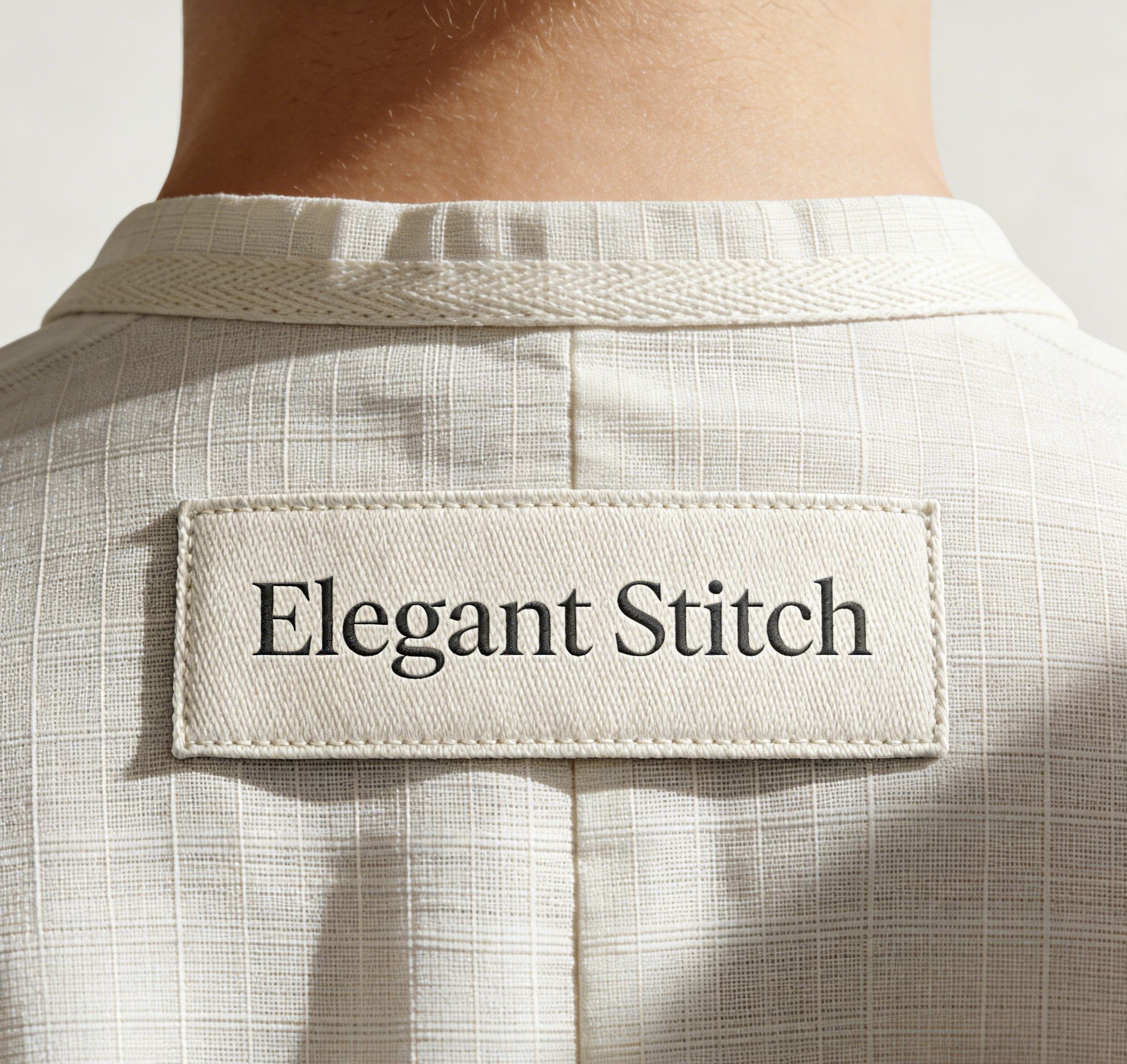
Hemp and linen are renewable, biodegradable materials that excel in creating garment fabric labels and embroidered garment labels. Hemp grows rapidly with minimal water and no pesticides, while linen is derived from flax plants, which require fewer resources than cotton. Both materials are naturally strong and develop a unique, textured patina over time, adding character to labels. Hemp and linen garment fabric labels can be embroidered with logos or text, offering a rustic, eco-chic look. For garment label tags, these materials provide a lightweight, breathable option that complements sustainable fashion collections.
4. FSC-Certified Paper: Forest-Friendly and Versatile
For garment label tags and printed garment fabric labels, FSC (Forest Stewardship Council)-certified paper is an eco-conscious choice. FSC-certified paper is sourced from responsibly managed forests, ensuring that tree harvesting is balanced with reforestation. Brands can print detailed care instructions, branding elements, or QR codes on FSC-certified paper tags, combining functionality with sustainability. Additionally, paper labels are easily recyclable or compostable, reducing waste. When paired with embroidered garment labels made from organic materials, FSC-certified paper tags create a cohesive, eco-friendly branding package.
5. Mushroom Leather: Innovation in Sustainable Labeling
Mushroom leather, a breakthrough material made from mycelium (the root structure of mushrooms), is revolutionizing garment label tags and embroidered garment labels. This biodegradable material is lightweight, durable, and naturally water-resistant, making it suitable for a variety of label applications. Mushroom leather can be embossed or embroidered with intricate designs, offering a modern, sustainable alternative to traditional leather. Its production requires minimal resources and emits fewer greenhouse gases than conventional leather, positioning it as a forward-thinking choice for brands committed to reducing their carbon footprint.
6. Water-Soluble and Compostable Materials
Innovative materials like water-soluble threads and compostable films are emerging as sustainable options for embroidered garment labels and garment fabric labels. Water-soluble threads dissolve in water, allowing for temporary embroidery that vanishes after use, reducing waste. Compostable films, made from plant-based materials, can be used for garment label tags that break down naturally, leaving no harmful residue. These materials align with zero-waste initiatives, appealing to consumers who prioritize circularity.
The Bottom Line: Sustainable Labels for a Greener Future
Choosing sustainable materials for garment fabric labels, embroidered garment labels, and garment label tags is no longer a niche trend—it’s a necessity for brands aiming to thrive in a conscious consumer market. By embracing options like organic cotton, recycled polyester, hemp, FSC-certified paper, and mushroom leather, brands can create labels that are both environmentally responsible and visually striking. These sustainable choices not only reduce the ecological impact of labeling but also communicate a brand’s commitment to ethical practices, fostering trust and loyalty among consumers.
Why Embroidered Garment Labels Add Luxury to Apparel
Garment Label Tags: Essential Features for Modern Brands