Choosing the Right Garment Fabric Labels for Durability
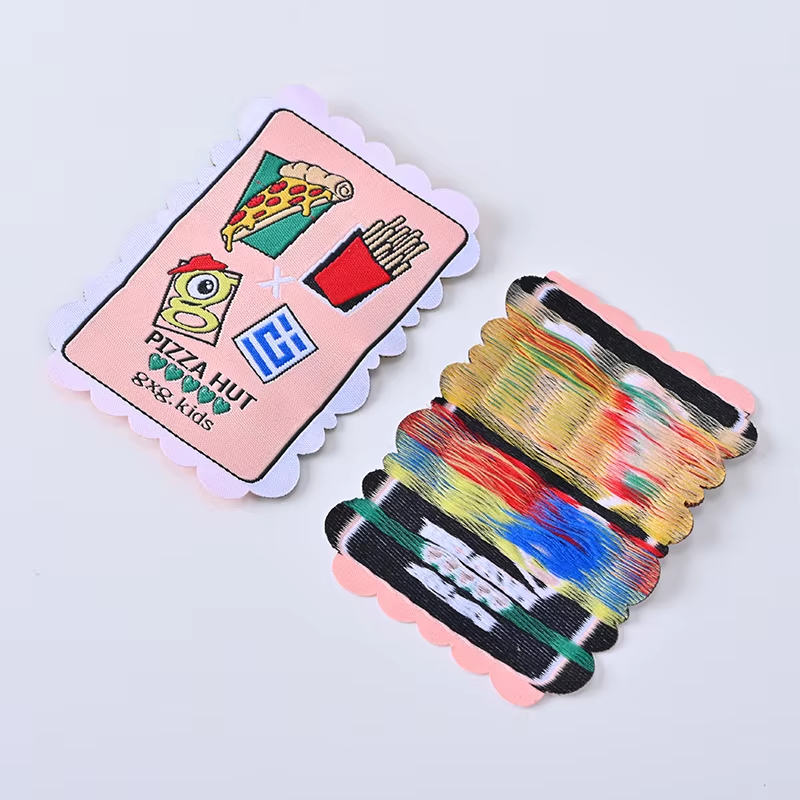
In the competitive world of fashion, garment fabric labels, embroidered garment labels, and garment label tags are not just decorative elements—they are essential components that reflect a brand’s quality and reliability. Durable labels ensure that critical information, branding, and care instructions remain intact wash after wash, reinforcing consumer trust and loyalty. For brands aiming to deliver long-lasting products, selecting the right materials and construction methods for garment fabric labels, embroidered garment labels, and garment label tags is paramount. This article explores key factors to consider when choosing labels that stand the test of time.
1. Material Matters: Selecting Durable Substrates
The durability of garment fabric labels and embroidered garment labels starts with the material. Opting for robust substrates ensures labels withstand frequent washing, abrasion, and exposure to detergents. Common durable materials include:
- Woven Polyester: Ideal for garment fabric labels, woven polyester is resistant to fading, tearing, and shrinkage. It provides a smooth surface for intricate embroidery, making it a top choice for embroidered garment labels that require sharp, long-lasting designs.
- Nylon: Known for its strength and elasticity, nylon is often used in embroidered garment labels and garment label tags. It resists moisture and wear, ensuring labels maintain their shape and appearance over time.
- Satin or Twill Fabrics: These materials offer a luxurious feel while providing durability for embroidered garment labels. Their tight weave prevents threads from fraying, preserving the label’s integrity.
For eco-conscious brands, sustainable materials like organic cotton or recycled polyester can also deliver durability without compromising ethics, ensuring garment fabric labels align with modern consumer values.
2. Printing and Embroidery Techniques for Longevity
The method used to apply designs or text to garment fabric labels and embroidered garment labels significantly impacts their durability. Here are key techniques to consider:
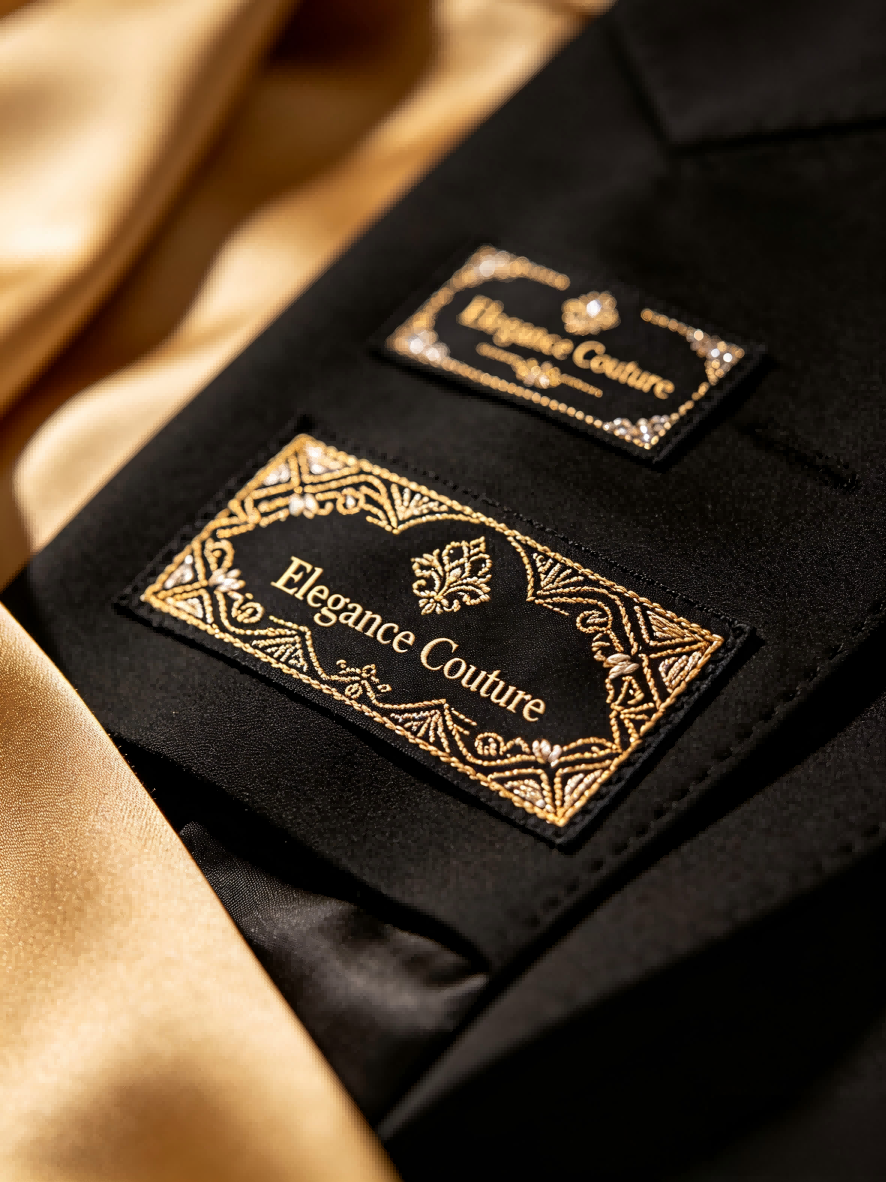
- Embroidery: Embroidered garment labels are highly durable as the threads are stitched directly into the fabric. This method resists peeling, cracking, or fading, making it ideal for logos, brand names, or care instructions. High-quality embroidery with reinforced stitching ensures labels remain intact even after repeated washing.
- Heat Transfer Printing: This technique bonds ink directly to the fabric, creating vibrant, durable designs for garment fabric labels. Heat transfer prints are less likely to crack or fade compared to traditional screen printing, ensuring long-lasting visibility.
- Laser Engraving: For garment label tags made from leather or synthetic materials, laser engraving produces permanent, scratch-resistant markings. This method is ideal for brands seeking a premium, durable finish.
3. Reinforcing Durability: Lamination and Coatings
Adding protective layers to garment fabric labels and garment label tags enhances their resistance to wear and tear. Lamination or coatings can shield labels from moisture, chemicals, and abrasion:
- Lamination: Applying a clear laminate film to garment fabric labels or embroidered garment labels adds a protective barrier. This is particularly useful for labels exposed to harsh washing conditions, ensuring they remain legible and intact.
- Waterproof Coatings: For outdoor or sportswear brands, waterproof coatings on garment label tags or embroidered garment labels prevent damage from sweat, rain, or frequent laundering.
4. Testing for Durability: Ensuring Long-Term Performance
Before mass-producing garment fabric labels or embroidered garment labels, brands should test their durability through rigorous trials:
- Wash Testing: Subject labels to multiple washing cycles to ensure colors don’t fade, threads don’t unravel, and prints or embroidery remain intact.
- Abrasion Testing: Simulate friction (e.g., rubbing labels against fabric) to check for pilling, fraying, or damage.
- Chemical Resistance Testing: Expose labels to detergents or bleach to ensure they withstand common household chemicals.
By investing in thorough testing, brands can guarantee that garment label tags and embroidered garment labels maintain their functionality and appearance throughout the garment’s lifecycle.
DIY Embroidered Garment Labels: Step-by-Step Guide
How Garment Label Tags Boost Brand Recognition