Garment Label Tags: Creating a Lasting First Impression
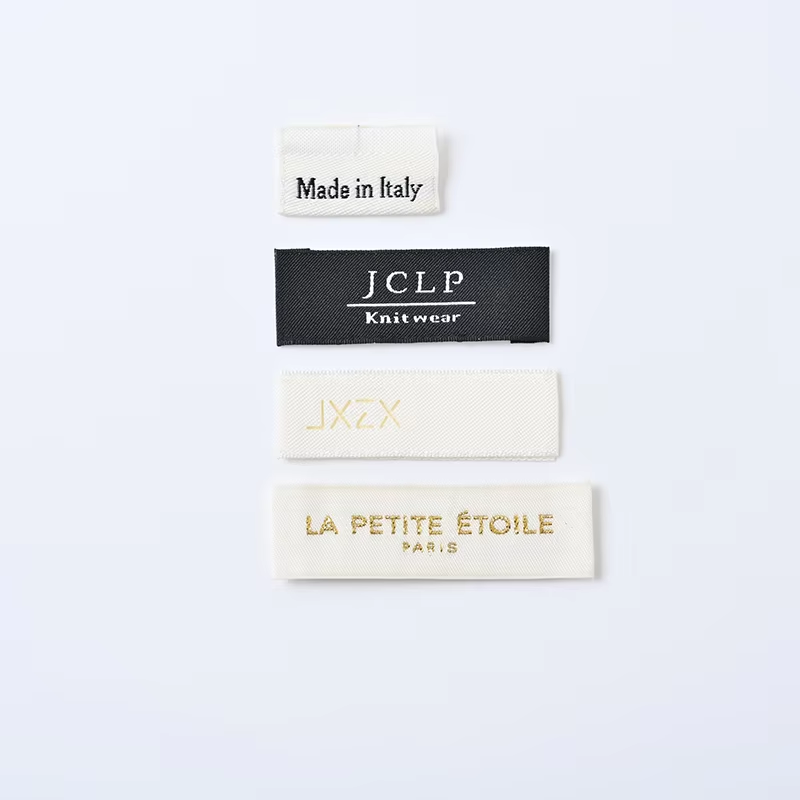
In the fast-paced world of fashion, garment label tags are often the first tangible interaction a customer has with your brand. These small yet powerful elements—whether paired with embroidered garment labels or harmonized with garment fabric labels—shape perceptions of quality, authenticity, and care. Here’s how to design tags that captivate at first touch and turn fleeting interest into lasting loyalty.
1. The Psychology of First Impressions
Studies reveal that 64% of shoppers form an opinion about a garment within the first 3 seconds of handling it (Retail Dive, 2023). Garment label tags play a pivotal role in this snap judgment by:
- Signaling Quality: Premium materials like linen or satin tags suggest attention to detail.
- Conveying Brand Values: Recycled tags or embroidered garment labels with ethical certifications appeal to conscious buyers.
- Enhancing Tactility: Soft, rounded edges or textured finishes invite prolonged engagement.
Example: Luxury brand Brunello Cucinelli uses hand-stitched embroidered garment labels and linen garment label tags, reinforcing its artisanal heritage.
2. Embroidered Garment Labels: The Silent Ambassadors
Embroidered garment labels elevate tags from functional to unforgettable:
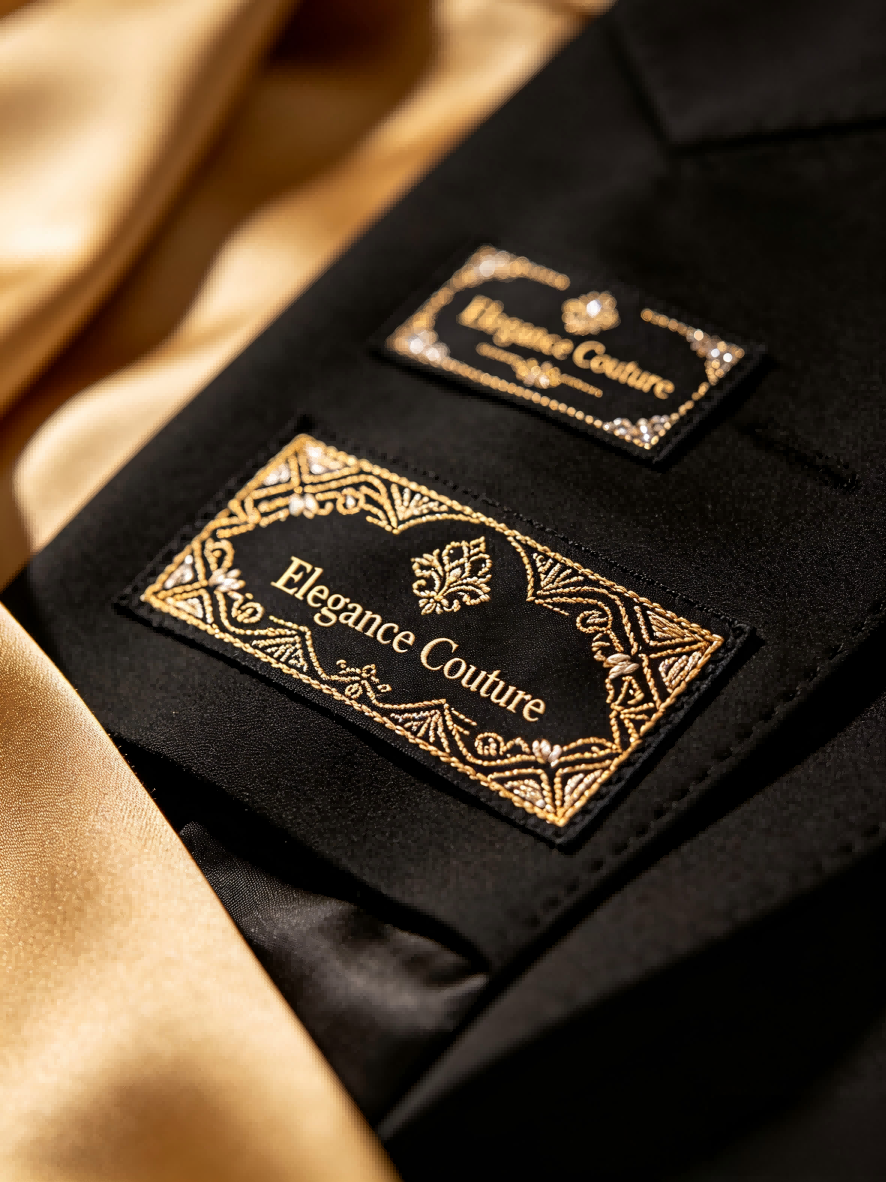
- Luxury Perception: Metallic threads or 3D stitching (e.g., raised logos) signal exclusivity.
- Durability: Outlast printed alternatives, ideal for high-wash items like denim or activewear.
- Brand Recognition: Unique embroidery patterns become synonymous with your identity.
Case Study: Ralph Lauren’s polo player embroidered garment labels are instantly recognizable, contributing to a 22% higher recall rate than non-embroidered competitors.
3. Garment Label Tags: Balancing Form and Function
Effective garment label tags merge aesthetics with practicality:
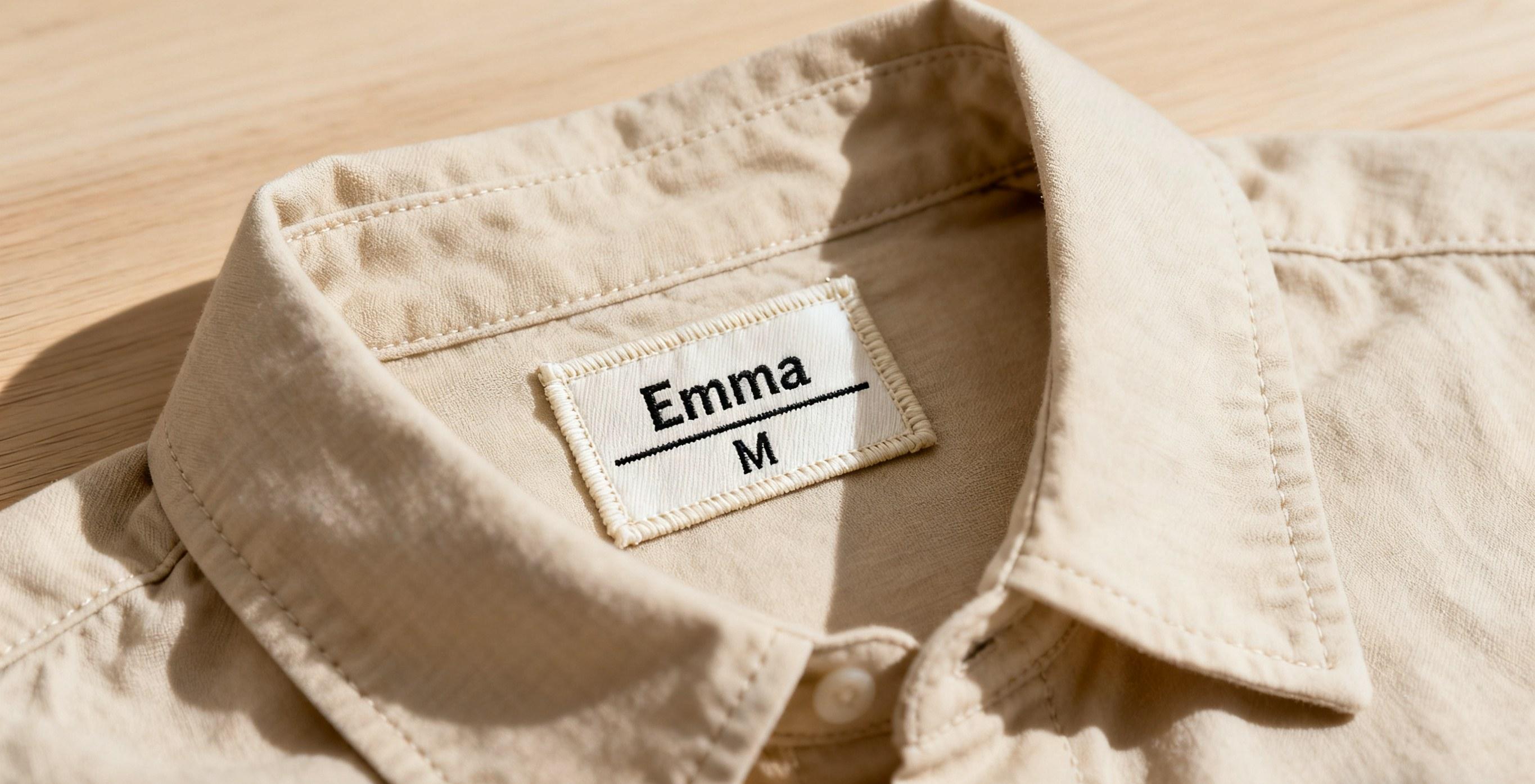
- Clarity: Use legible fonts and symbols for care instructions and size details.
- Storytelling: QR codes linking to origin stories or sustainability initiatives.
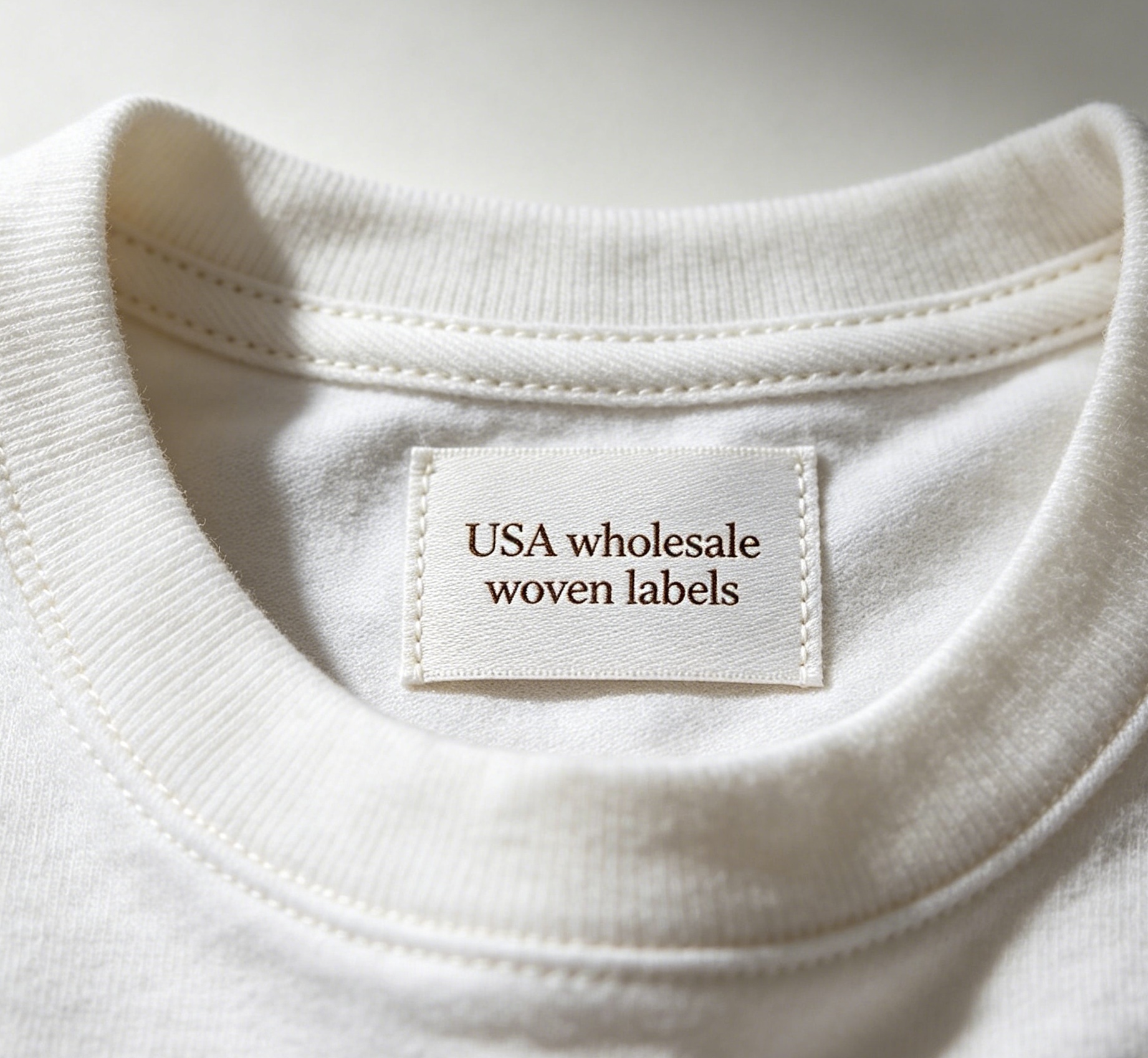
- Material Synergy: Match tag textures to garment fabric labels (e.g., organic cotton tags on linen shirts).
Pro Tip: For eco-brands, pair garment label tags made from seed paper with embroidered garment labels using recycled threads.
4. Harmonizing Tags with Garment Fabric Labels
A cohesive label strategy ensures every touchpoint aligns:
- Color Consistency: Echo tag hues in garment fabric labels (e.g., navy tags on indigo denim).
- Material Unity: Use the same organic cotton for both tags and fabric labels.
- Interactive Pairing: NFC-enabled garment label tags that sync with fabric labels for AR content.
Example: Patagonia’s garment fabric labels detail recycled material percentages, while their tags include repair guides—building a narrative of sustainability.
5. Sustainability as a Differentiator
Eco-conscious tags and labels resonate deeply:
- Plantable Tags: Garment label tags embedded with wildflower seeds (e.g., “Plant Me!” campaigns).
- Zero-Waste Design: Use fabric scraps from embroidered garment labels to create patchwork tags.
- Transparency: Tags explaining how materials reduce carbon footprints.
Stat: 73% of millennials pay more for brands with sustainable garment fabric labels (Nielsen, 2024).
6. Avoiding Common Pitfalls
- Overcrowding: Simplify tag text; use QR codes for extended info.
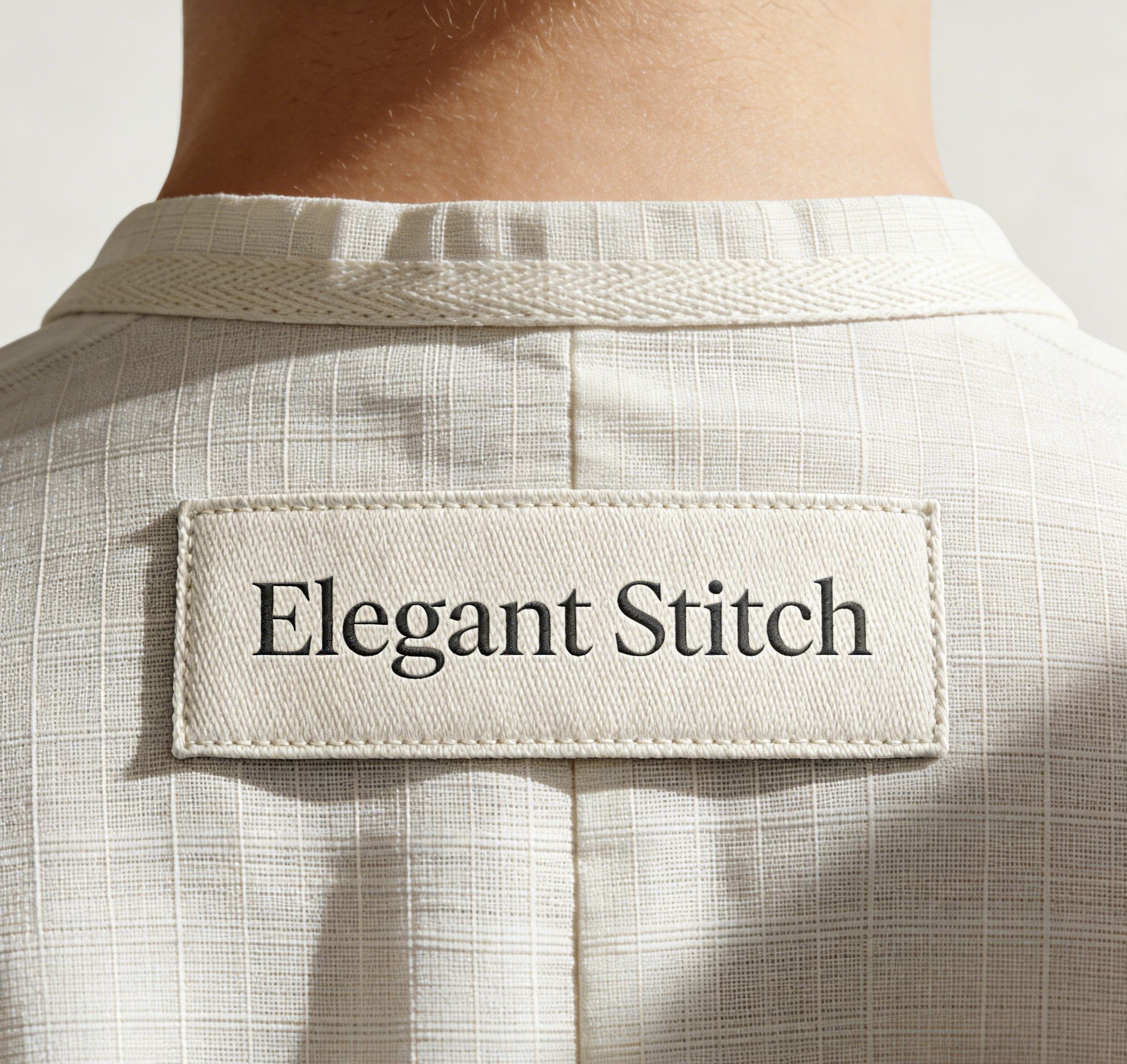
- Poor Placement: Ensure tags don’t irritate skin—place embroidered garment labels on seams.
- Inconsistent Branding: Mismatched fonts or colors between tags and labels erode trust.
7. Future Trends: Smart Tags and Beyond
- NFC-Enabled Tags: Tap garment label tags to verify authenticity or access loyalty rewards.
- Biodegradable Threads: Algae-based embroidery for compostable embroidered garment labels.
- AR Integration: Scan tags to view styling tutorials or carbon footprint data.
Conclusion: Tags as Gateways to Brand Love
From embroidered garment labels that whisper luxury to garment label tags that shout sustainability, every detail matters. By blending aesthetics, functionality, and ethics, your tags can transform first impressions into lifelong loyalty.
As designer Virgil Abloh once said, “The details are not the details. They make the design.” Let your labels be the detail that makes your brand unforgettable.
Call to Action: Audit your current garment label tags. Do they reflect your brand’s soul?
The Science of Material Garment Fabric Labels
Woven vs. Printed – Which Is Better? Garment Fabric Labels