Embroidered Garment Labels: Trends in Thread and Texture

In the dynamic world of fashion branding, embroidered garment labels have evolved from mere functional tags to powerful design elements that elevate a brand’s identity. As brands strive to stand out in a crowded market, the thread and texture of these labels have become key focal points for innovation. From bold color palettes to tactile finishes, the trends in thread and texture are reshaping how embroidered garment labels, garment label tags, and garment fabric labels are designed and perceived. In this article, we explore the latest trends in thread and texture that are defining the future of embroidered labeling.
1. Vibrant and Dimensional Threads
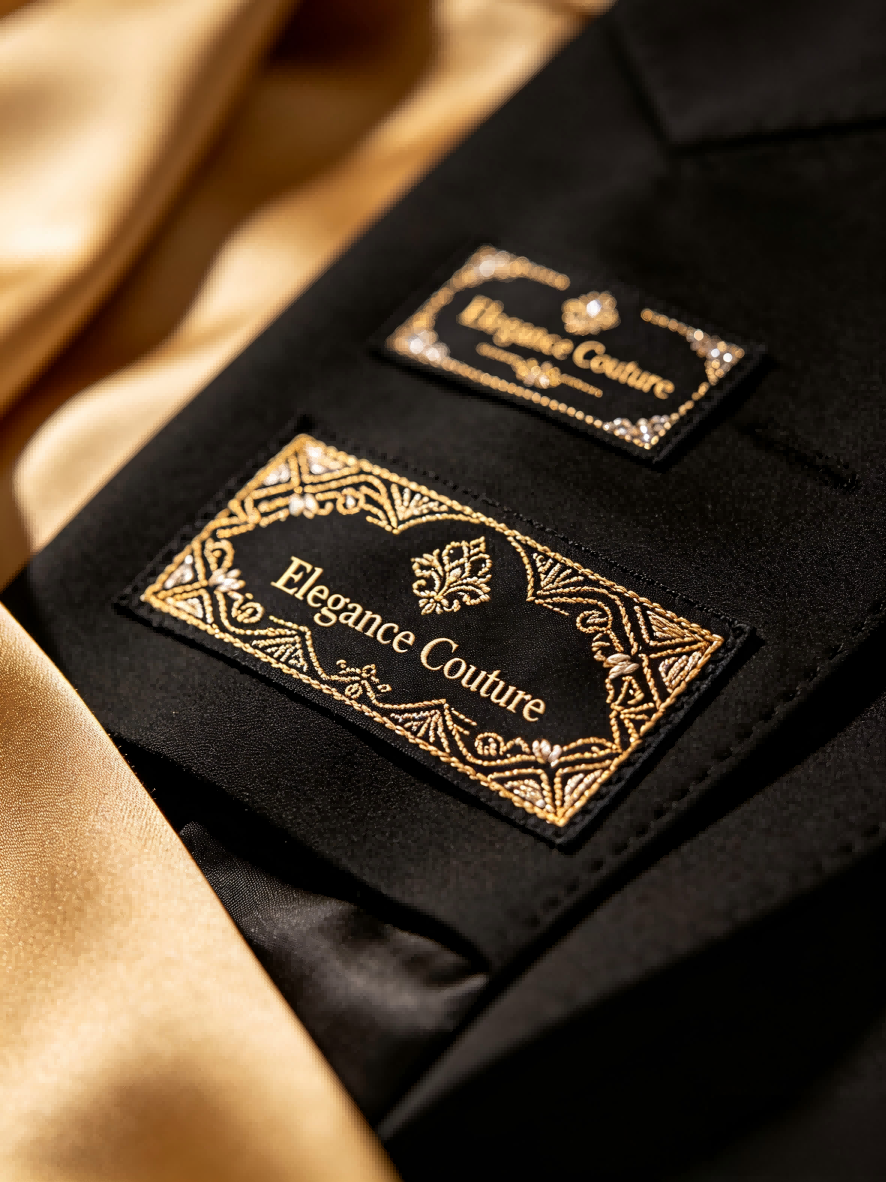
Gone are the days of monotonous monochrome embroidery. Today, embroidered garment labels are embracing vivid, multi-colored threads to create eye-catching designs. Ombre threads, which transition seamlessly between hues, add depth and visual interest to logos and patterns. Neon threads, on the other hand, inject energy and modernity, making labels pop against fabrics. Brands are also experimenting with metallic threads—such as gold, silver, and copper—to infuse luxury and sophistication into garment label tags and garment fabric labels. These dimensional threads not only enhance the aesthetic appeal of labels but also make them memorable, reinforcing brand recognition.
2. Textured Embroidery for Tactile Appeal
Texture is a rising trend in embroidered garment labels, as brands seek to create sensory experiences for consumers. Raised or 3D embroidery techniques, achieved through dense stitching or specialty threads, add a tactile element that invites touch. For example, quilted textures or padded embroidery can make logos or motifs feel luxurious and substantial. In garment fabric labels, textured embroidery can complement the fabric’s own texture, creating a harmonious design. Brands are also using variegated threads—threads with subtle color shifts or texture variations—to add depth and uniqueness to their labels, ensuring they stand out both visually and physically.
3. Sustainable Thread Innovations
As sustainability becomes a cornerstone of fashion, eco-friendly threads are gaining traction in embroidered garment labels. Organic cotton threads, recycled polyester, and even threads made from natural fibers like hemp or linen are increasingly popular. These materials align with the growing demand for ethical branding, allowing brands to showcase their commitment to sustainability through garment label tags and garment fabric labels. Additionally, water-soluble threads are emerging as a trend, enabling intricate temporary embroidery that dissolves after use, reducing waste. By adopting sustainable threads, brands can create labels that are both stylish and environmentally responsible.
4. Minimalist Texture for Understated Elegance
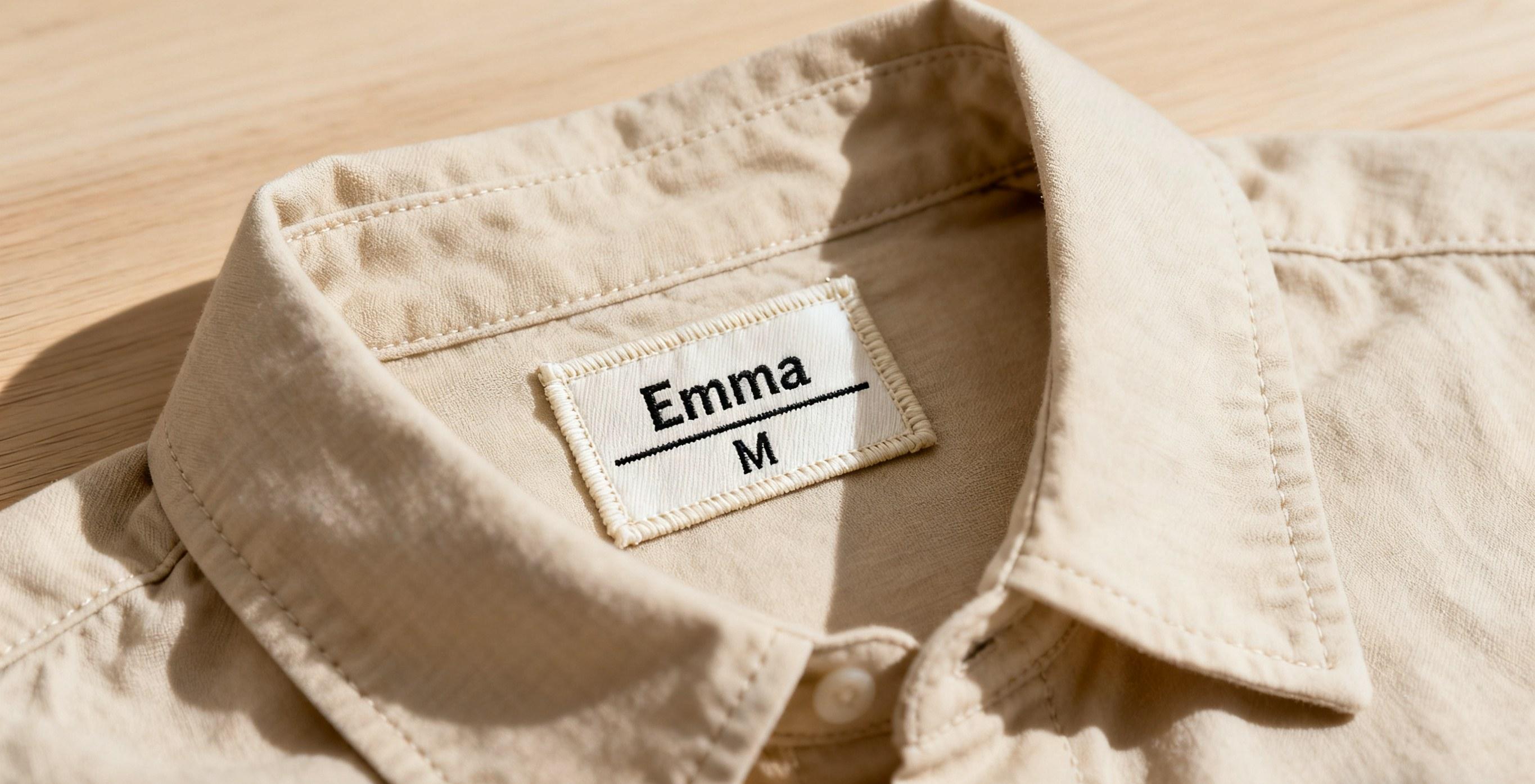
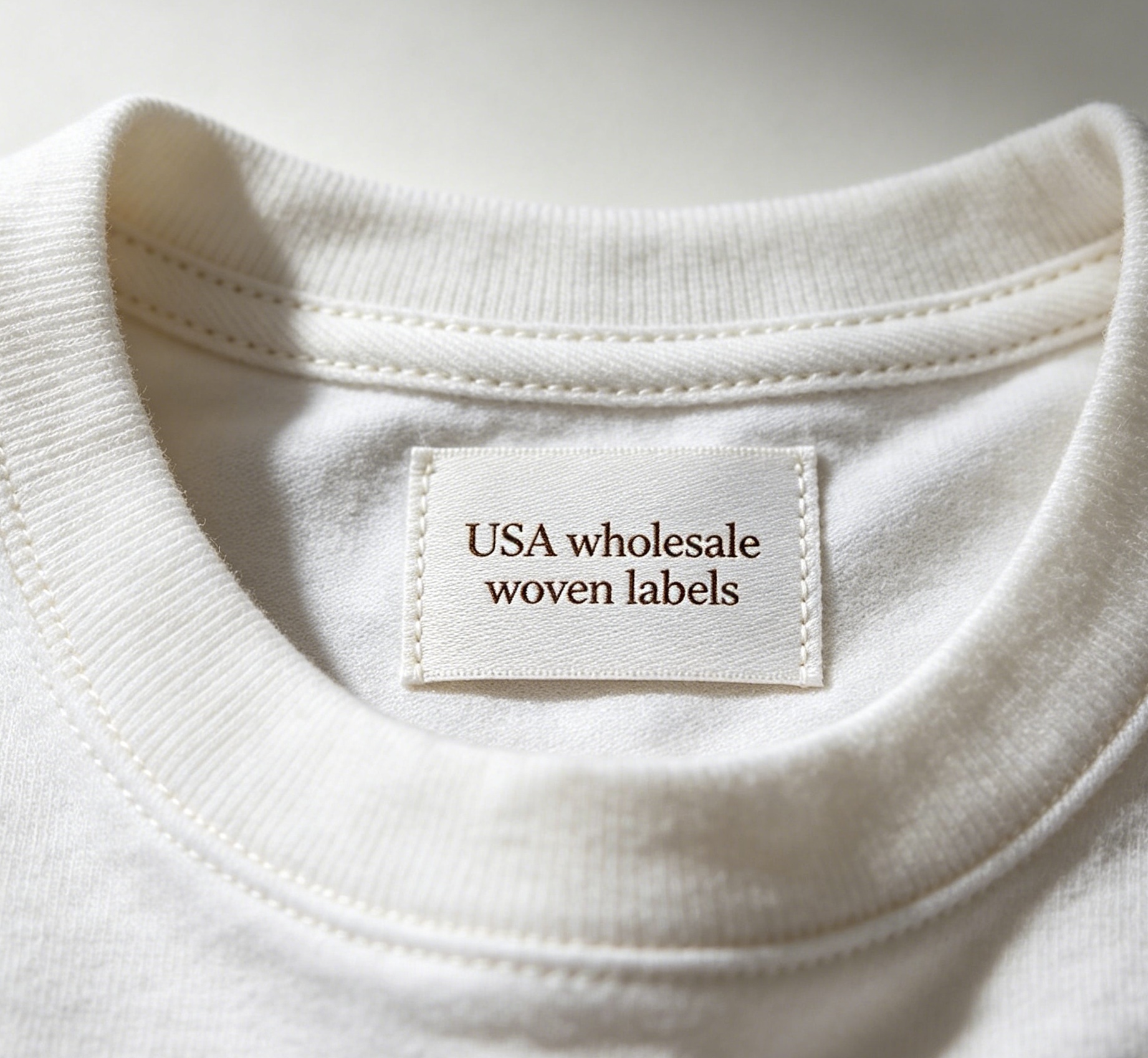
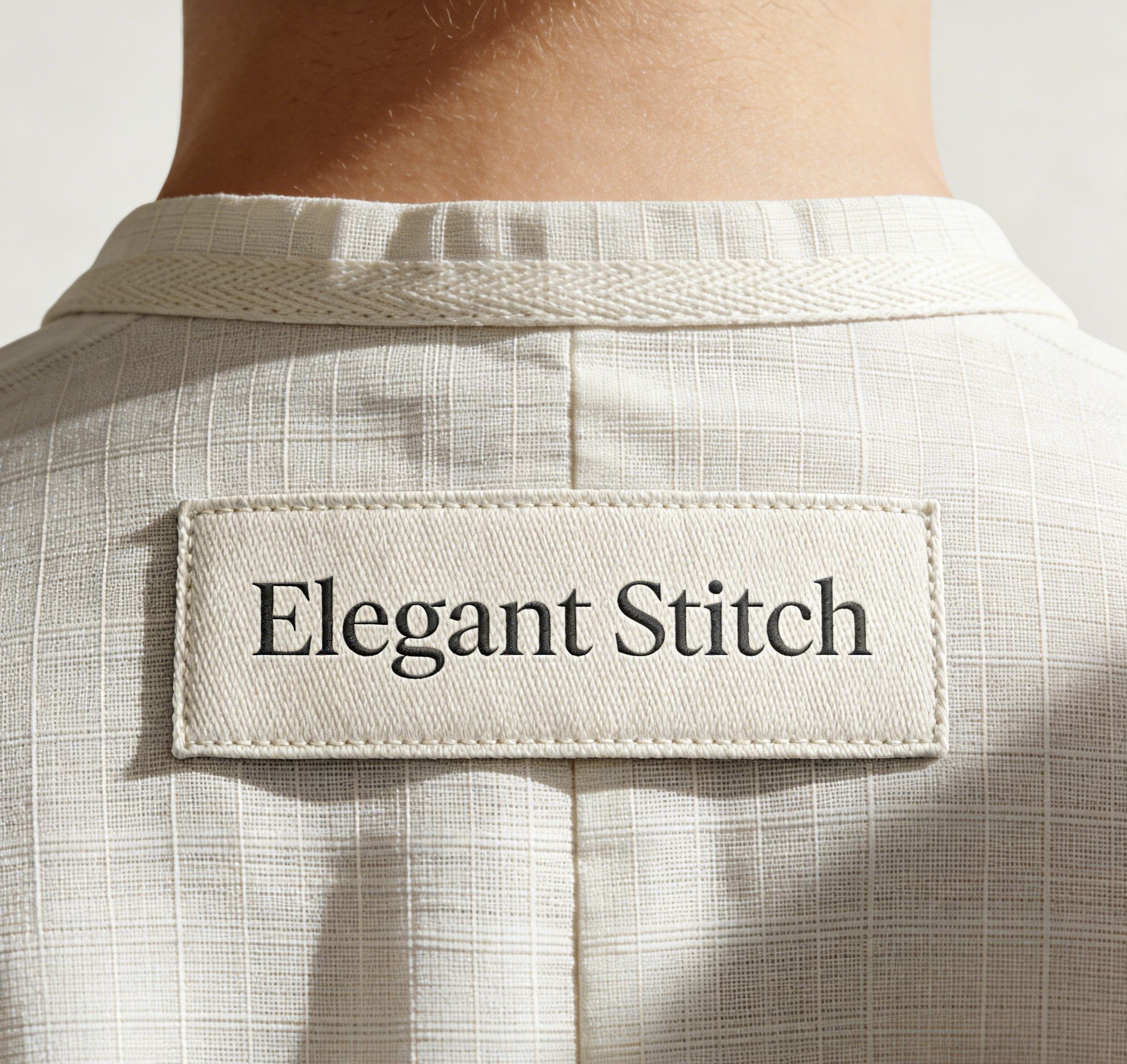
While bold textures and colors dominate, minimalist designs with subtle texture are also making a statement. Fine, delicate threads and understated stitching patterns create a sophisticated, timeless look for embroidered garment labels. Brands are using smooth, matte threads to achieve a clean, modern aesthetic, perfect for garment fabric labels that need to blend seamlessly with the fabric. Minimalist texture can also highlight the quality of the embroidery itself, allowing intricate details to shine without overwhelming the design. This trend appeals to brands that prioritize simplicity and understated luxury.
5. Interactive Textures for Engaging Labels
Innovation in thread and texture is also leading to interactive embroidered garment labels. Tactile elements like raised Braille-like dots or embossed patterns not only add a functional layer (e.g., for visually impaired consumers) but also create a playful, engaging experience. Some brands are experimenting with glow-in-the-dark threads or heat-sensitive textures that change appearance under certain conditions, turning labels into conversation starters. These interactive textures transform garment label tags into mini works of art, enhancing brand storytelling and consumer engagement.
The Future of Embroidered Labels: Thread and Texture as Brand Icons
The trends in thread and texture for embroidered garment labels reflect a broader shift toward labels that are both visually striking and emotionally resonant. By embracing vibrant threads, tactile textures, sustainable materials, and interactive designs, brands can create garment label tags and garment fabric labels that go beyond mere identification—they become iconic symbols of a brand’s creativity and values.
Garment Label Tags: Legal Requirements Every Brand Must Know
Garment Fabric Labels: Eco-Conscious Materials to Consider for Sustainable Branding