Embroidered Garment Labels: Tips for Maintaining Stitching Quality
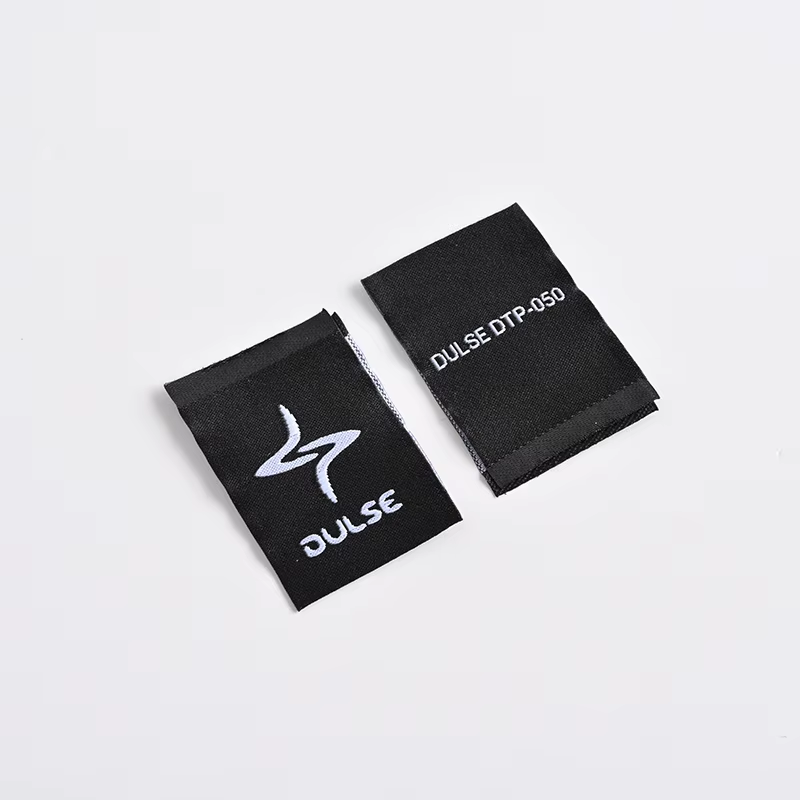
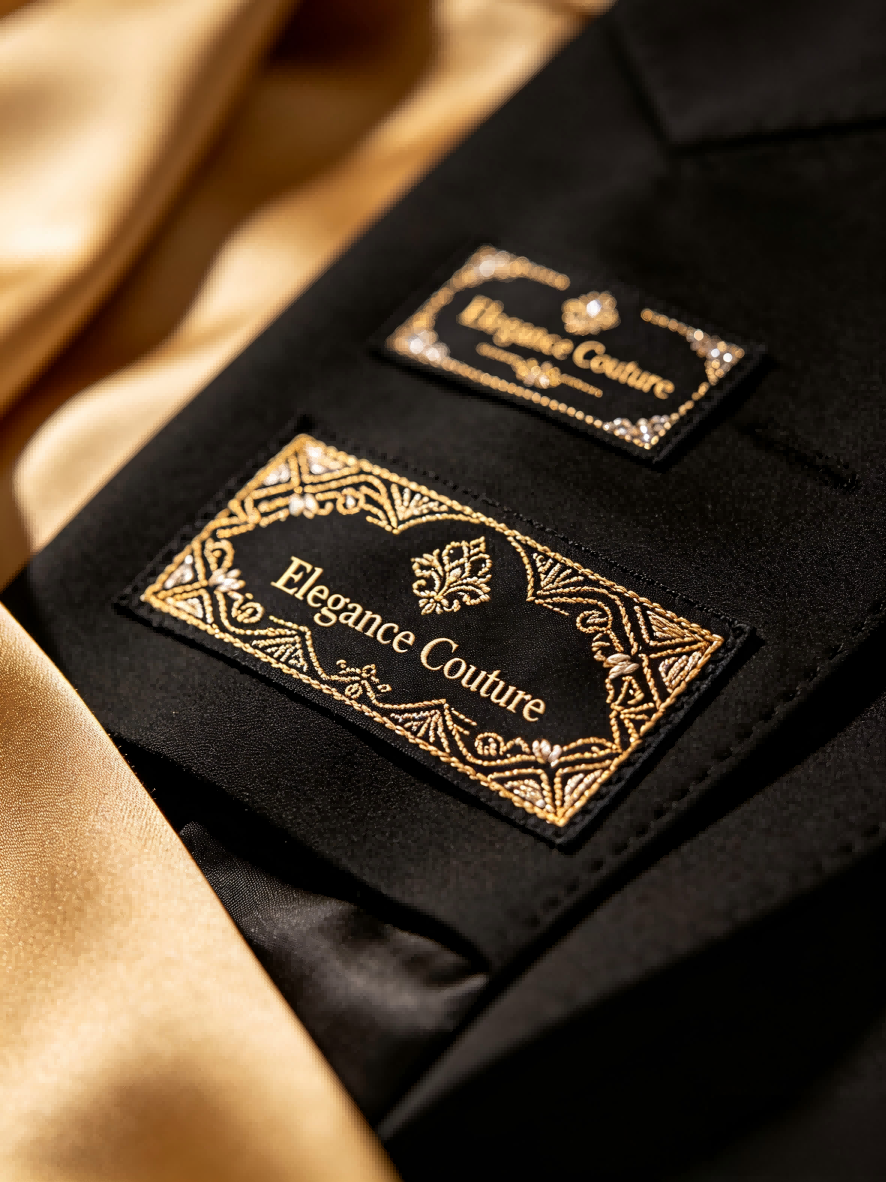
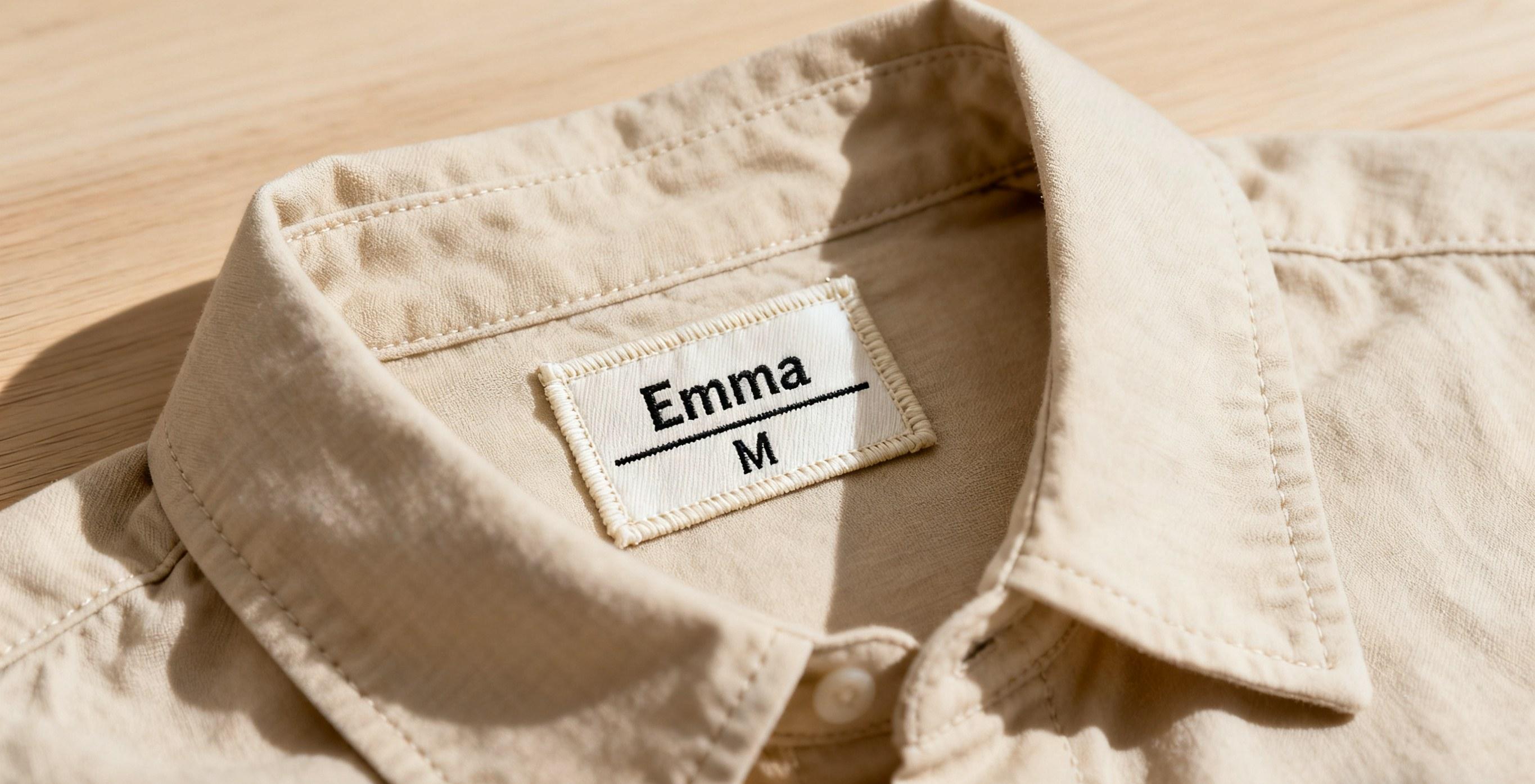
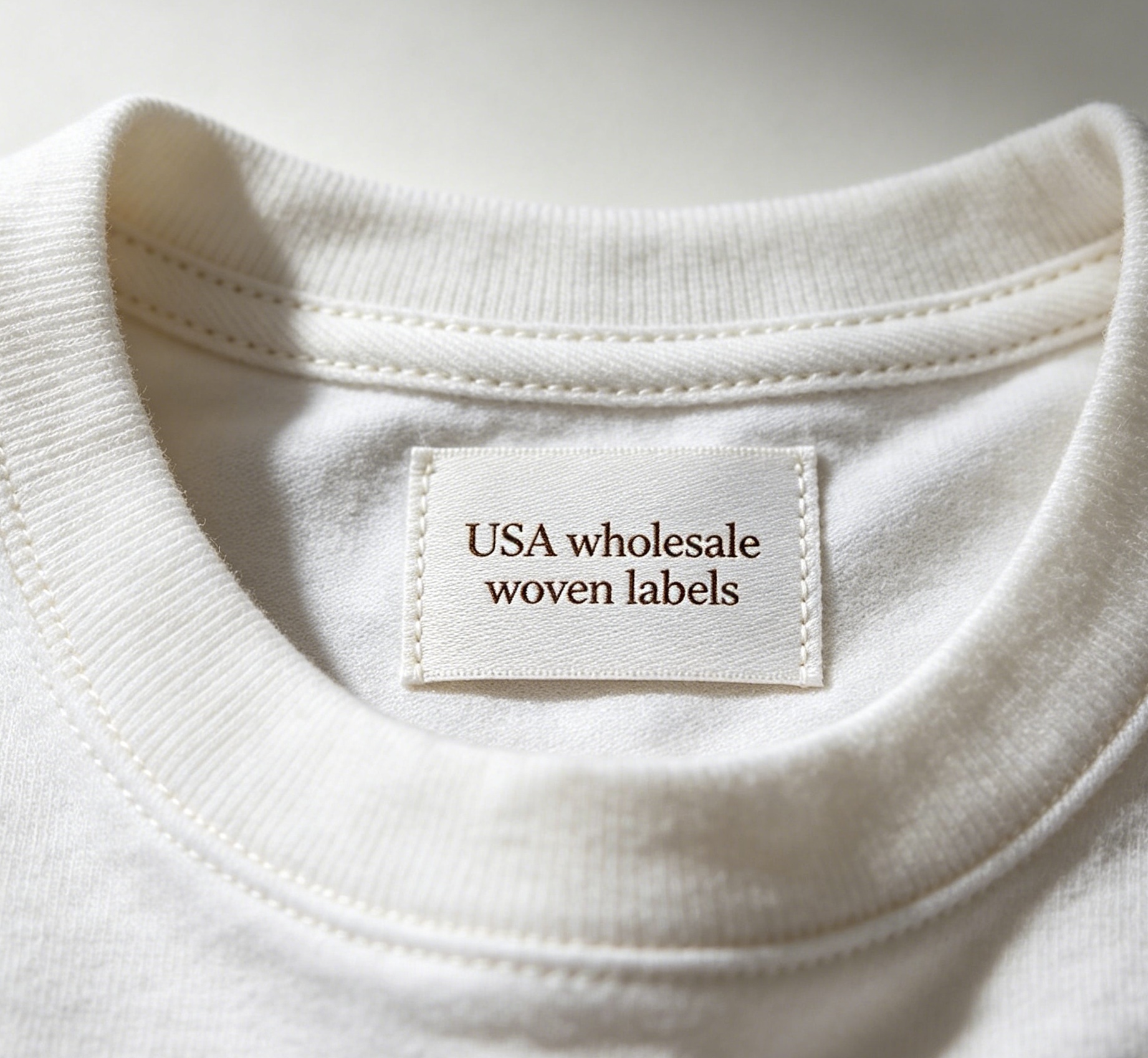
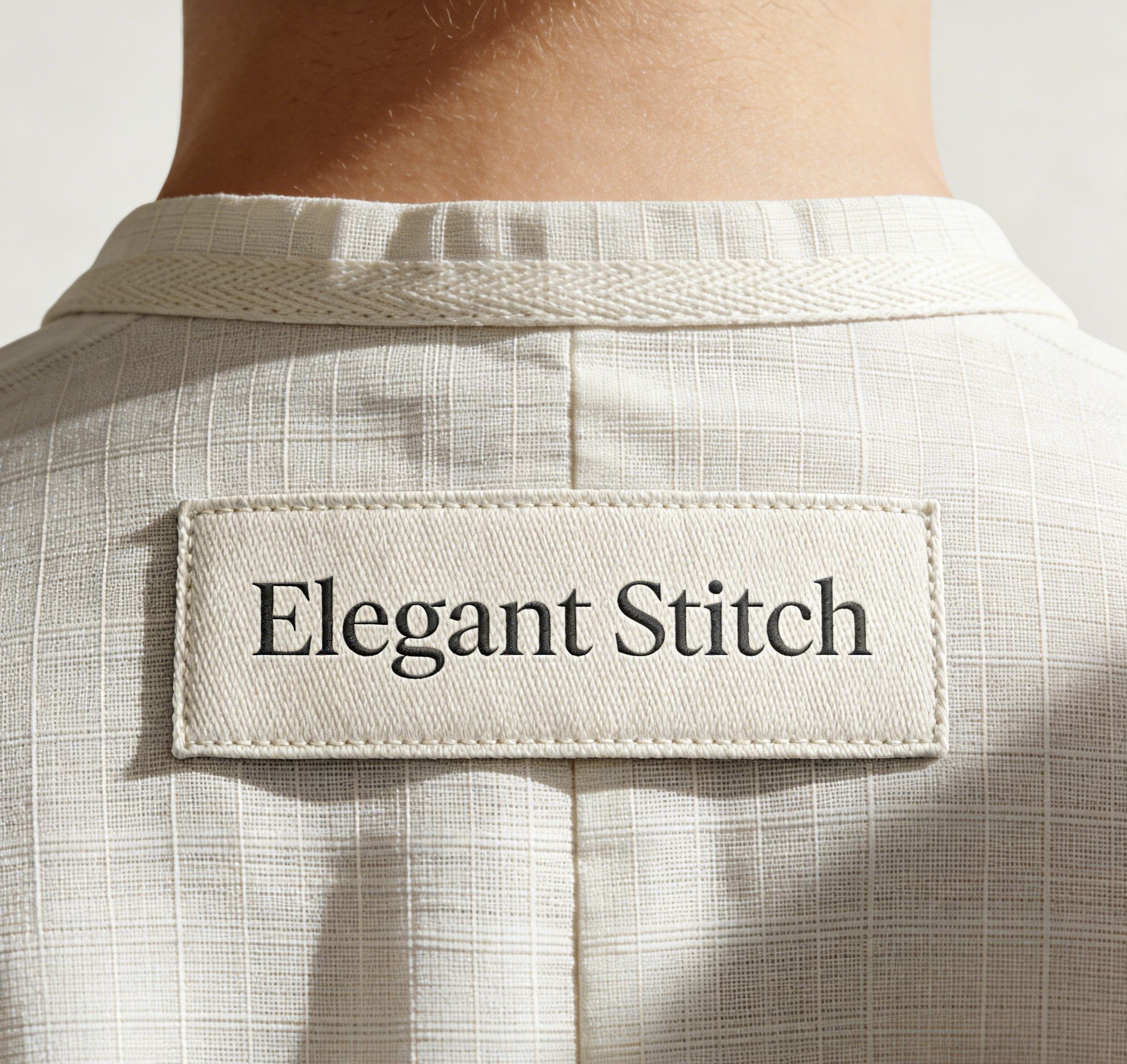
In the world of apparel branding, embroidered garment labels are prized for their durability and premium appeal. However, their intricate stitching requires meticulous care during production and maintenance to preserve quality. Whether paired with garment label tags or integrated into garment fabric labels, poor stitching can undermine brand credibility. Here’s how to ensure your embroidered labels stay crisp, vibrant, and intact through countless wears and washes.
1. Material Selection: The Foundation of Durability
The longevity of embroidered garment labels starts with choosing the right materials:
- Thread Quality: Opt for polyester or rayon threads over cotton, as they resist fraying and fading.
- Backing Stability: Use tear-away or cut-away stabilizers to prevent puckering during embroidery.
- Fabric Compatibility: Match label materials to garment fabric labels (e.g., silicone backing for stretchy fabrics).
Stat: Polyester threads retain 90% of color vibrancy after 50 washes, versus 60% for cotton (Textile Research Journal, 2023).
2. Optimal Stitch Settings for Embroidered Garment Labels
Proper machine calibration is critical to avoid loose threads or breaks:
- Stitch Density: 8–12 stitches per millimeter balances detail and durability.
- Tension Control: Adjust thread tension to prevent looping or puckering.
- Underlay Stitches: Add a zigzag underlay to anchor complex designs.
Pro Tip: Test stitch settings on scrap garment fabric labels before final production.
3. Post-Production Treatments to Lock in Quality
After stitching, protect embroidered garment labels from wear:
- Hot Cutting: Seal edges with laser or ultrasonic cutting to prevent fraying.
- Wash Testing: Simulate 10–20 industrial washes to identify weak points.
- UV Coatings: Apply clear coatings to shield threads from sunlight degradation.
Case Study: Carhartt’s rugged embroidered garment labels undergo 25 simulated washes to ensure longevity in workwear.
4. Harmonizing with Garment Label Tags
Ensure garment label tags complement rather than compete with embroidery:
- Placement: Position tags away from high-friction areas (e.g., necklines) to reduce abrasion on embroidered garment labels.
- Material Synergy: Use similarly durable materials (e.g., satin tags with polyester embroidery).
- Ink Safety: Avoid solvent-based inks on garment label tags that could bleed onto labels during washing.
5. Care Guidelines for Consumers
Educate customers on maintaining embroidered garment labels and garment fabric labels:
- Turn Garments Inside Out: Reduces friction during machine washing.
- Cold Water Wash: Preserves thread color and prevents shrinkage.
- Air Dry: High heat from dryers can melt stabilizers or distort stitches.
Stat: Proper care extends the lifespan of embroidered garment labels by 40% (American Cleaning Institute, 2024).
6. Repair and Maintenance for Longevity
Address minor wear before it escalates:
- Reinforce Edges: Use fabric glue to secure loose threads on embroidered garment labels.
- Patch Replacement: Replace damaged garment label tags without affecting adjacent labels.
- Professional Services: Partner with eco-cleaners offering label-specific repairs.
7. Sustainability Through Durability
Long-lasting embroidered garment labels reduce waste and reinforce eco-commitments:
- Recyclable Backings: Use water-soluble stabilizers to simplify label recycling.
- Modular Design: Detachable garment label tags allow easy reuse of garments.
- Consumer Education: Promote repair over replacement via QR codes on garment fabric labels.
Example: Patagonia’s “Worn Wear” program includes tutorials on repairing embroidered garment labels to extend garment life.
Conclusion: Stitching Perfection, From Factory to Closet
Embroidered garment labels, garment label tags, and garment fabric labels are more than branding tools—they’re promises of quality. By prioritizing robust materials, precision stitching, and mindful care, brands can ensure these labels endure as testaments to craftsmanship.
As the adage goes, “Quality is not an act, it’s a habit.” Let your labels embody this principle, one stitch at a time.
Garment Label Tags: Using QR Codes for Interactive Branding
Garment Fabric Labels: Sustainable Alternatives to Traditional Materials