Garment Fabric Labels: Sustainable Alternatives to Traditional Materials
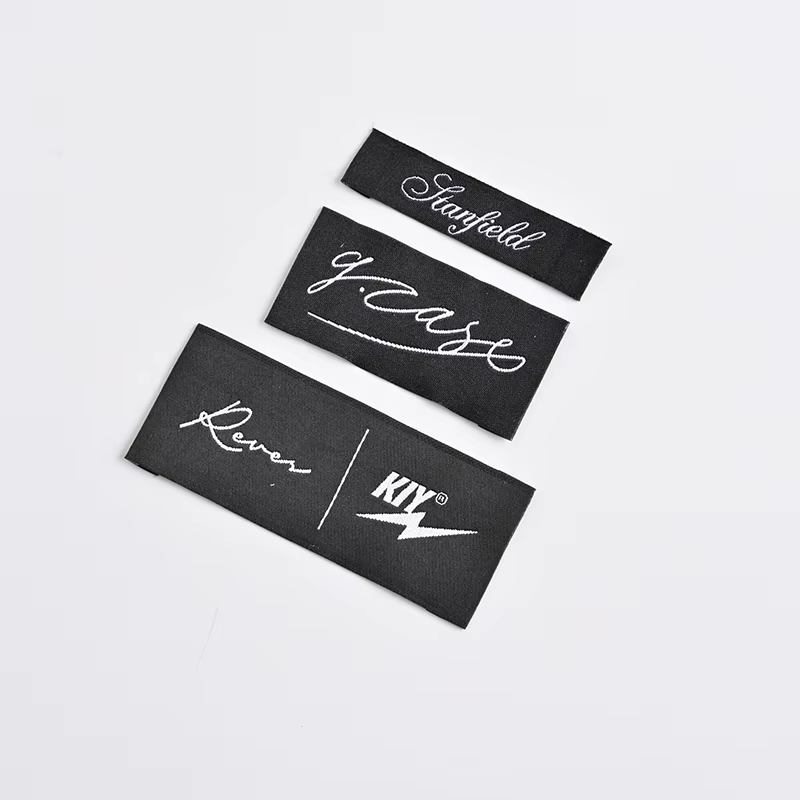
As the fashion industry pivots toward eco-conscious practices, garment fabric labels, embroidered garment labels, and garment label tags are undergoing a green revolution. Traditional materials like plastic-coated tags and synthetic threads are being replaced with innovative, planet-friendly alternatives that reduce waste, lower carbon footprints, and align with consumer demands for transparency. Here’s how brands can reimagine labels to marry sustainability with functionality.
1. The Problem with Conventional Label Materials
Most garment label tags and garment fabric labels rely on resource-intensive materials:
- Plastic-Based Labels: Polyester and PVC tags contribute to microplastic pollution.
- Chemical Dyes: AZO dyes in embroidered garment labels contaminate waterways.
- Non-Recyclable Backings: Adhesive stabilizers in embroidery make labels hard to recycle.
Stat: 85% of apparel waste ends up in landfills, with labels accounting for 6% of textile waste (Ellen MacArthur Foundation, 2023).
2. Eco-Friendly Alternatives for Embroidered Garment Labels
Embroidered garment labels are embracing sustainable threads and techniques:
- Organic Cotton Threads: GOTS-certified threads free from pesticides and heavy metals.
- Recycled Polyester Threads: Made from post-consumer plastic bottles.
- Natural Dye Embroidery: Plant-based dyes (e.g., indigo, turmeric) for chemical-free color.
Case Study: Stella McCartney uses embroidered garment labels with organic cotton threads, paired with recycled garment label tags to align with its vegan ethos.
3. Sustainable Garment Label Tags: From Seed Paper to Algae Ink
Innovative materials are redefining garment label tags:
- Seed Paper Tags: Plantable tags embedded with wildflower seeds (e.g., “Plant Me After Use”).
- Mushroom Leather Tags: Mycelium-based tags that decompose in weeks.
- Algae-Based Inks: Carbon-negative printing for care instructions.
Pro Tip: Pair compostable garment label tags with embroidered garment labels using biodegradable stabilizers for zero-waste labeling.
4. Garment Fabric Labels: Pioneering Circular Materials
Garment fabric labels are shifting to circular, low-impact textiles:
- Hemp Labels: Requires 50% less water than cotton and enriches soil.
- Recycled Nylon Labels: Made from discarded fishing nets or industrial waste.
- Seaweed Fiber Labels: Algae-based fibers that biodegrade in 12 weeks.
Example: Patagonia’s garment fabric labels use 100% recycled polyester, while their embroidered garment labels feature Fair Trade-certified threads.
5. Innovations in Adhesives and Backings
Even the “hidden” components of labels are going green:
- Water-Soluble Stabilizers: Dissolve during washing, leaving only organic threads in embroidered garment labels.
- Soy-Based Adhesives: Replace petroleum glues in garment label tags.
- Compostable Backings: Cornstarch-based films for garment fabric labels.
Stat: Brands using compostable labels report a 32% increase in customer loyalty (Ecocult, 2024).
6. Certifications to Validate Sustainability Claims
To avoid greenwashing, ensure labels meet recognized standards:
- GOTS (Global Organic Textile Standard): For organic garment fabric labels and threads.
- OEKO-TEX: Certifies garment label tags are free from harmful substances.
- Cradle to Cradle: Ensures labels are designed for circularity.
7. Cost vs. Long-Term Value
While sustainable embroidered garment labels and garment label tags may cost 15–20% more upfront, they offer long-term ROI:
- Reduced Waste Fees: Compostable labels cut landfill costs.
- Brand Equity: 73% of millennials pay more for sustainable brands (Nielsen, 2024).
- Regulatory Compliance: Avoid fines tied to non-recyclable materials.
8. Future Trends: Smart & Sustainable Synergy
- NFC-Enabled Compostable Tags: Scan garment label tags for blockchain-powered supply chain data.
- Bio-Embroidered Labels: Algae threads that absorb CO2 during production.
- Self-Dyeing Fabrics: Eliminate the need for separate garment fabric labels via laser-etched care info.
Conclusion: Stitching Sustainability into Every Label
From embroidered garment labels dyed with beetroot extract to garment label tags that bloom into flowers, the shift toward eco-friendly materials is redefining fashion’s smallest details. By adopting these alternatives, brands can turn labels into badges of honor—proof that style and sustainability are inseparable.
As environmentalist Yvon Chouinard said, “The cure for the Earth is simple—do less harm.” Let your garment fabric labels lead the way.
Embroidered Garment Labels: Tips for Maintaining Stitching Quality
Garment Label Tags: Maximizing Space for Key Information