Garment Label Tags: Maximizing Space for Key Information

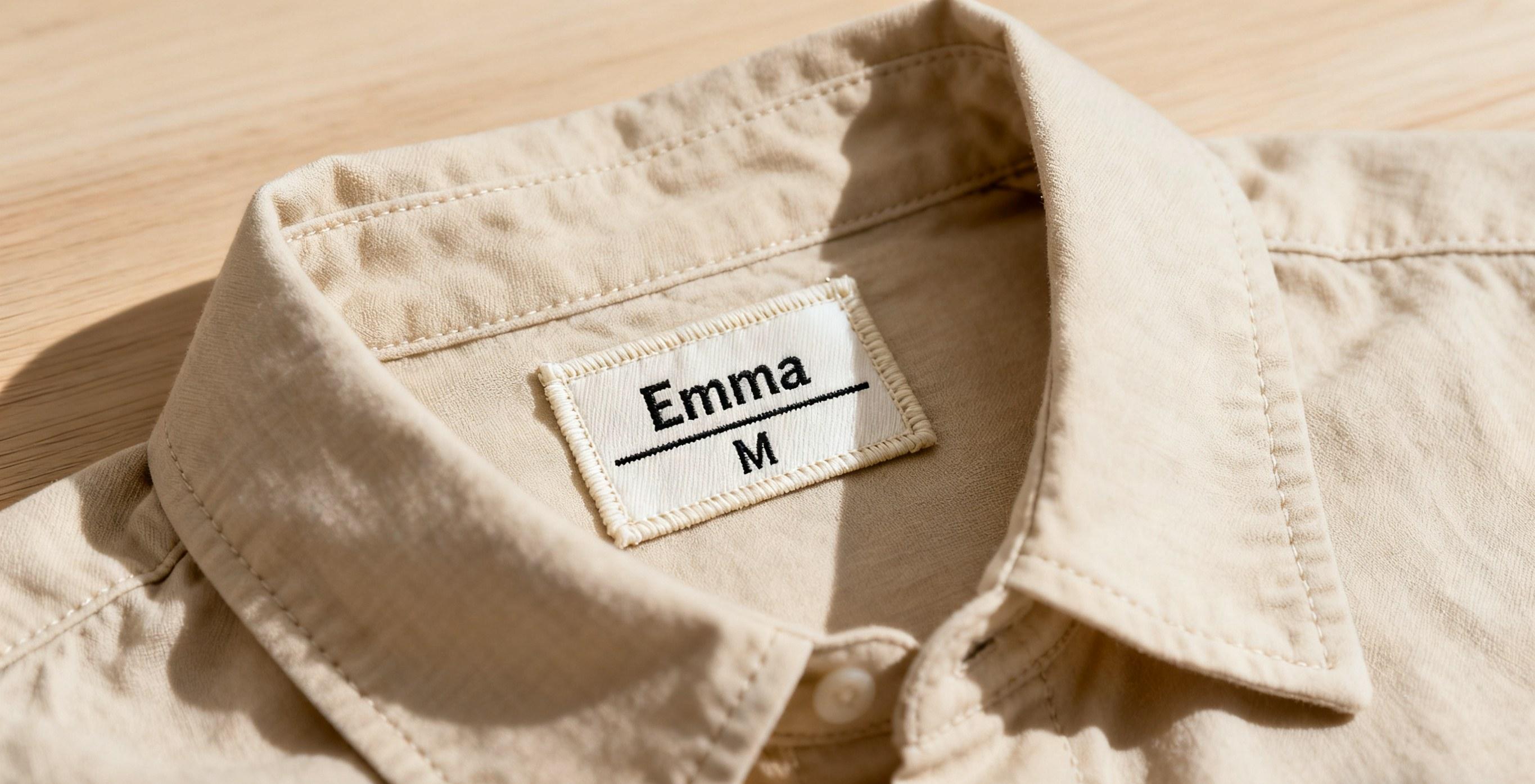
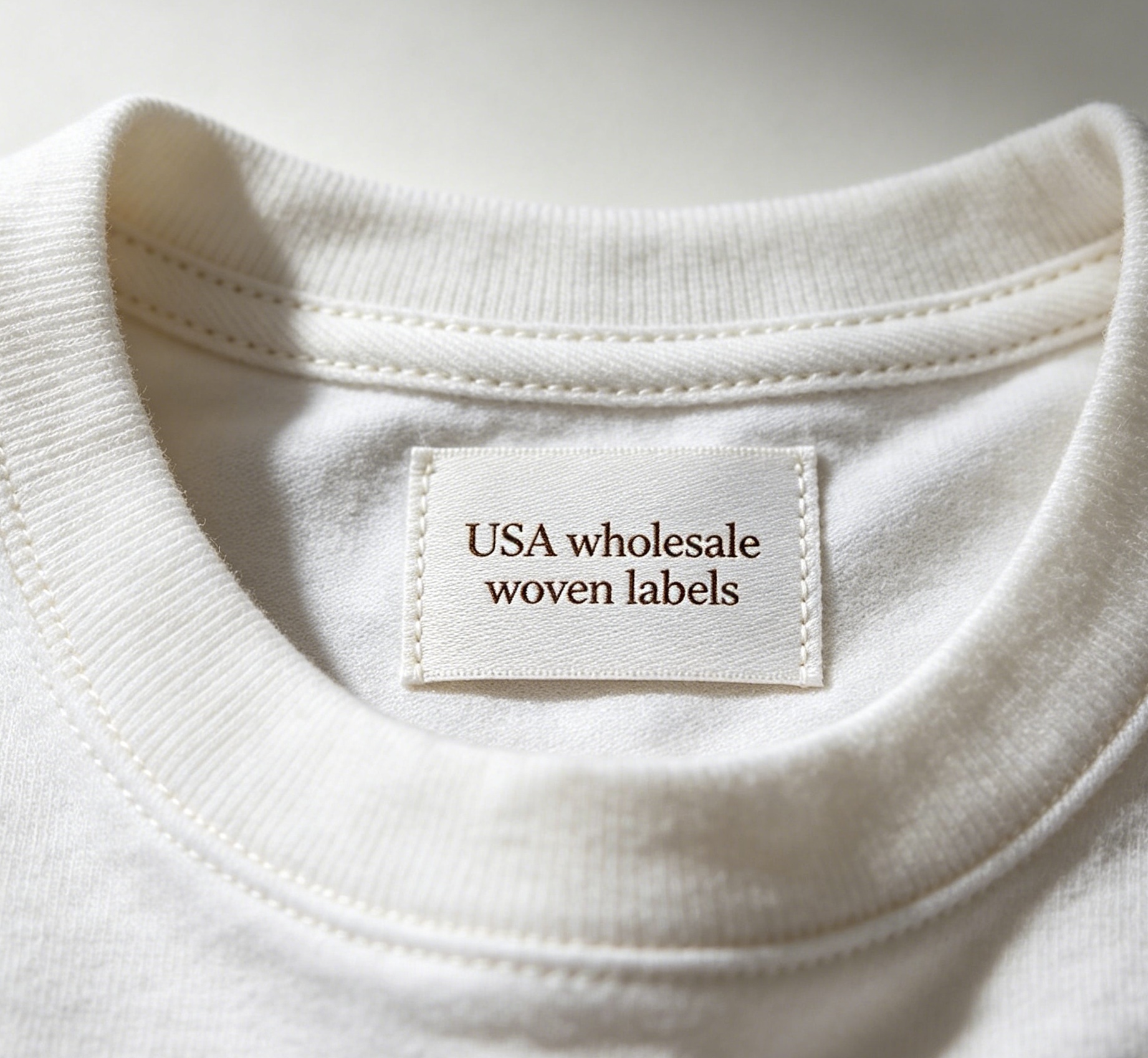
In the fast-paced fashion industry, garment label tags serve as critical communication tools, delivering everything from care instructions to sustainability credentials. Yet, with limited real estate, brands must balance clarity, compliance, and creativity—especially when coordinating with embroidered garment labels and garment fabric labels. Here’s how to optimize tag space without sacrificing aesthetics or functionality.
1. Prioritizing Essential Information
Garment label tags are legally required to display specific details, but overcrowding can overwhelm consumers. Streamline content by:
- Hierarchy Design: Use bold fonts for fiber content (e.g., “100% Organic Cotton”) and smaller text for RN numbers.
- Symbol Efficiency: Replace wordy care instructions with ISO-compliant symbols (e.g., ? for machine wash).
- QR Code Integration: Offload extended info (e.g., supply chain stories) to scannable codes, freeing space for embroidered garment labels or branding.
Stat: 72% of shoppers prefer tags with QR codes over text-heavy garment label tags (Retail TouchPoints, 2024).
2. Synergy Between Tags, Labels, and Fabrics
A cohesive labeling system unites garment label tags, embroidered garment labels, and garment fabric labels:
- Shared Color Palettes: Match tag ink to embroidery threads and fabric label hues for visual harmony.
- Material Consistency: Use the same organic cotton for tags and garment fabric labels to reinforce eco-commitments.
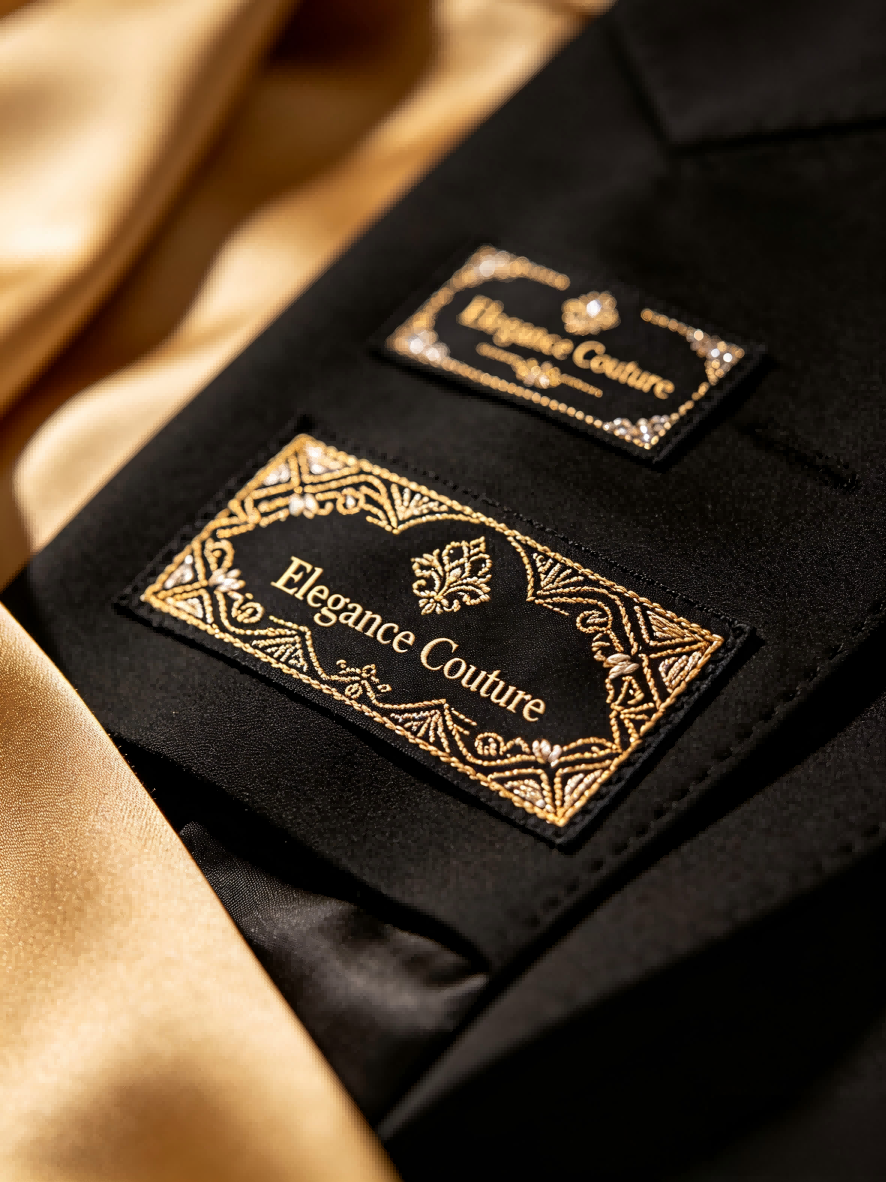
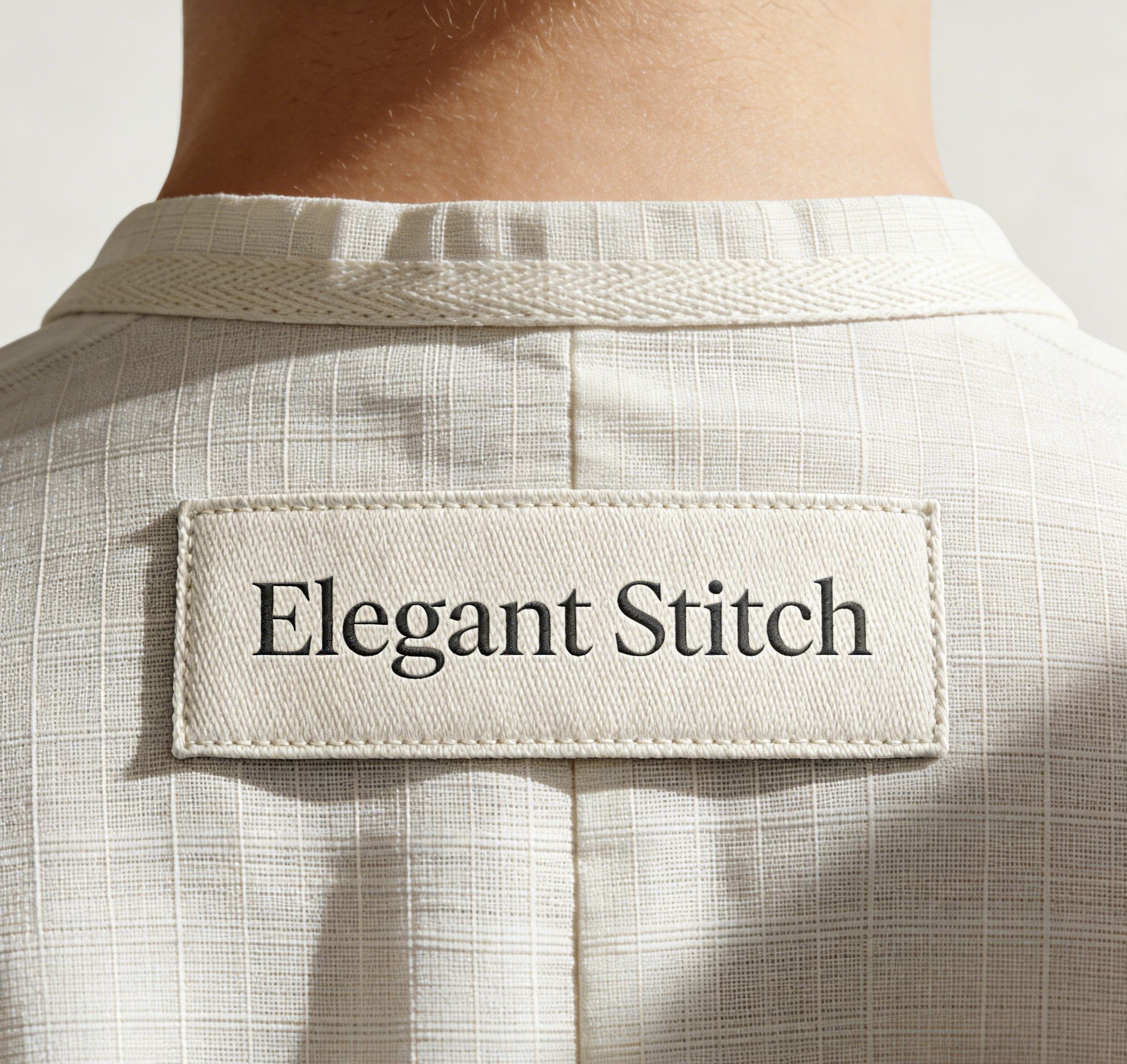
- Space-Saving Tactics: Let embroidered garment labels handle logos, allowing tags to focus on compliance.
Case Study: Everlane’s minimalist garment label tags include QR codes, while its embroidered garment labels display the brand name, creating a clean, efficient system.
3. Sustainable Space Optimization
Eco-friendly materials reduce clutter and waste:
- Recycled Tag Materials: Slimmer, durable recycled polyester garment label tags save space versus bulky paper.
- Combined Care Labels: Merge fabric content and care instructions into one garment fabric label, eliminating redundant tags.
- Detachable Design: Sew embroidered garment labels permanently into seams, paired with removable tags for resale or recycling.
Pro Tip: Patagonia’s garment fabric labels include a tiny “Recycle Me” symbol, avoiding extra text on tags.
4. Technical Innovations for Compact Labeling
Technology is reshaping how brands use space:
- Laser-Etched Fabric Labels: Directly engrave care instructions onto garment fabric labels, removing the need for separate tags.
- NFC-Enabled Tags: Replace multiple lines of text with a single NFC chip linked to digital profiles.
- Micro-Embroidery: Ultra-fine stitches on embroidered garment labels convey intricate logos without bulk.
5. Avoiding Common Space-Wasting Mistakes
- Redundant Branding: Repeating logos on tags, labels, and fabrics.
- Over-Embellishment: Complex embroidered garment labels competing with crowded tags.
- Non-Compliant Fonts: Tiny text that’s illegible, leading to returns or fines.
Solution: Audit existing garment label tags to remove redundancies and align with regional regulations.
6. Future Trends in Space-Efficient Labeling
- Smart Tags: Postage stamp-sized garment label tags with NFC or RFID for all-in-one functionality.
- Biodegradable Inks: Printable directly onto garment fabric labels, eliminating separate tags.
- Augmented Reality (AR): Scan embroidered garment labels to access interactive care guides.
Conclusion: Less Is More, But Precision Is Key
Garment label tags, embroidered garment labels, and garment fabric labels are more than regulatory checkboxes—they’re curated touchpoints. By strategically maximizing space, embracing technology, and harmonizing design, brands can turn compact tags into powerful storytellers that inform, assure, and delight.
As Dieter Rams famously advised, “Good design is as little design as possible.” Apply this ethos to your labels: simplify, clarify, and let every millimeter speak volumes.
Garment Fabric Labels: Sustainable Alternatives to Traditional Materials
Embroidered Garment Labels: Balancing Art and Functionality