Garment Fabric Labels: Anti-Counterfeit Innovations Explained

Counterfeiting costs the global fashion industry over $450 billion annually (OECD, 2023), driving brands to rethink how garment fabric labels, embroidered garment labels, and garment label tags can combat fraud. From blockchain-enabled threads to holographic foils, cutting-edge innovations are transforming these humble components into powerful guardians of authenticity. Here’s how modern labels are outsmarting counterfeiters and protecting brand integrity.
1. The Rising Threat of Counterfeit Apparel
Counterfeiters increasingly replicate garment label tags and garment fabric labels to deceive consumers. Common vulnerabilities include:
- Easy-to-Copy Designs: Simple printed labels or generic embroidered garment labels.
- Lack of Unique Identifiers: Absence of serial numbers or QR codes.
- Material Fraud: Fake “organic” claims on non-compliant garment fabric labels.
Stat: 78% of luxury shoppers worry about buying counterfeit goods (McKinsey, 2024).
2. Anti-Counterfeit Innovations in Embroidered Garment Labels
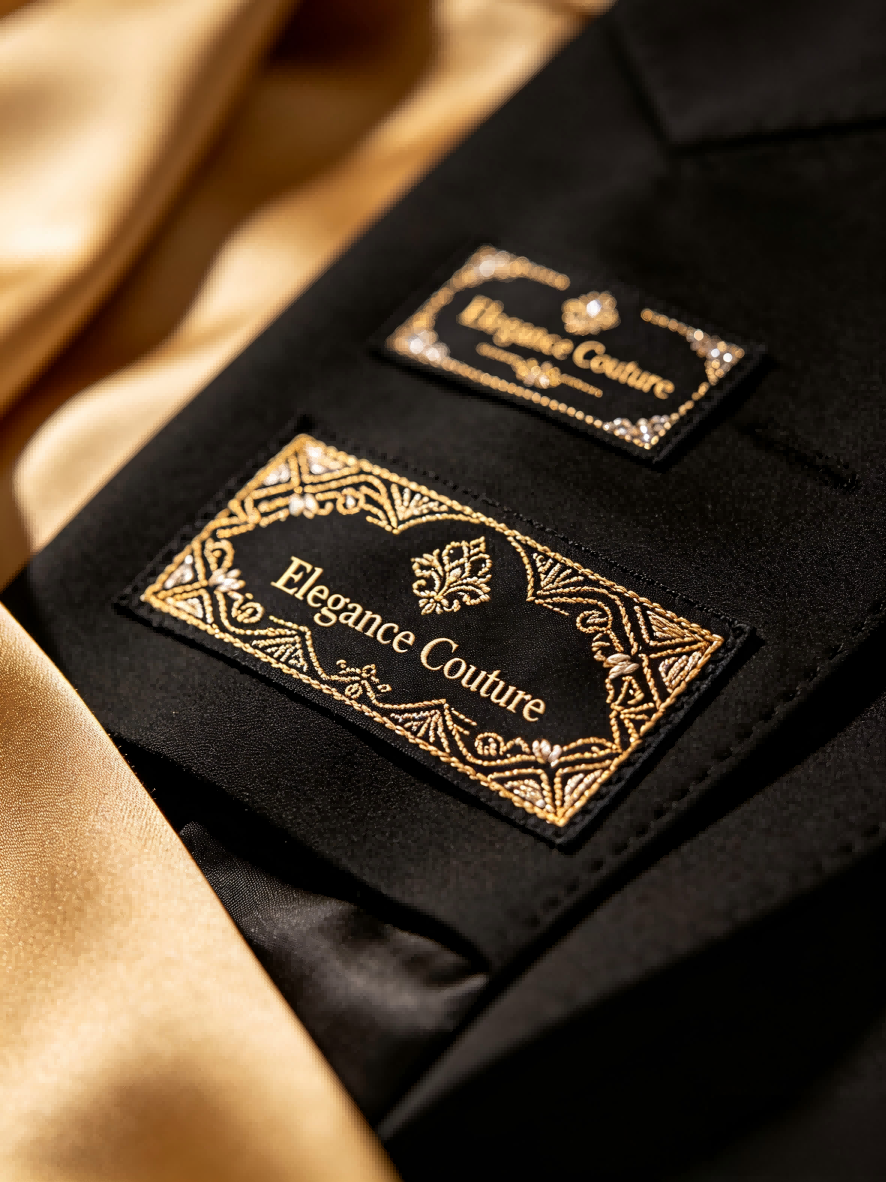
Embroidered garment labels are evolving with covert security features:
- Micro-Threading: Invisible UV-reactive threads woven into logos.
- Holographic Stitching: Threads that display 3D patterns under light.
- RFID-Enabled Embroidery: Wash-resistant RFID chips embedded in labels for blockchain tracking.
Case Study: Moncler uses embroidered garment labels with NFC chips, allowing customers to scan and verify authenticity via smartphone.
3. Smart Garment Label Tags: The Tech-Driven Shield
Garment label tags are leveraging IoT and AI to fight fakes:
- NFC Chips: Tags with encrypted NFC links to digital certificates (e.g., Arianee’s digital passports).
- QR Code Layering: Multi-level QR codes that reveal supply chain data when scanned.
- Tamper-Evident Inks: Inks that change color if labels are removed or altered.
Pro Tip: Pair NFC garment label tags with embroidered garment labels for dual-layer security.
4. Garment Fabric Labels with Forensic Markers
Advanced garment fabric labels integrate microscopic identifiers:
- DNA Tagging: Synthetic DNA strands unique to each batch, detectable via lab tests.
- Nano-Text: Laser-engraved text invisible to the naked eye.
- Thermochromic Dyes: Labels that temporarily change color when heated (e.g., with a finger rub).
Example: LVMH’s garment fabric labels include DNA markers for high-end leather goods, enabling instant authentication.
5. Blockchain: The Backbone of Transparency
Blockchain platforms like VeChain and Loomify sync garment label tags, embroidered garment labels, and garment fabric labels with immutable records:
- Material Provenance: Track organic cotton from farm to tag.
- Production Timestamps: Verify when and where labels were manufactured.
- Ownership History: Transfer digital certificates with resale.
Stat: Brands using blockchain see a 65% reduction in counterfeit incidents (Deloitte, 2023).
6. Sustainability Meets Security
Eco-friendly anti-counterfeit solutions are gaining traction:
- Biodegradable NFC Tags: Made from mushroom mycelium for compostable garment label tags.
- Recycled Security Threads: Upcycled polyester threads in embroidered garment labels.
- Plant-Based Holograms: Algae-derived films for garment fabric labels.
Case Study: Patagonia’s Recycled Collection uses garment fabric labels with QR codes linked to recycled material origins.
7. Consumer Education: The Final Defense
Even advanced labels fail if buyers don’t engage:
- Interactive Tutorials: Video guides on checking embroidered garment labels for holograms.
- Authentication Apps: Apps like Entrupy scan garment label tags and provide instant results.
- Transparency Reports: Share label security features in marketing campaigns.
Conclusion: Labels as Trust Guardians
From embroidered garment labels with microscopic DNA to blockchain-powered garment label tags, anti-counterfeit innovations are redefining how brands protect their legacy. By investing in these technologies, companies not only safeguard revenue but also build unshakable consumer trust.
Embroidered Garment Labels: Balancing Art and Functionality
Garment Label Tags: Legal Compliance for Global Markets