The Science of Material Garment Fabric Labels
In the fashion industry, garment fabric labels are more than just identifiers—they are meticulously engineered components that blend artistry, functionality, and sustainability. Whether integrated with embroidered garment labels or paired with garment label tags, these elements rely on material science to enhance durability, comfort, and brand appeal. Here’s a deep dive into the science behind crafting labels that resonate with consumers and withstand the test of time.
1. The Anatomy of Garment Fabric Labels
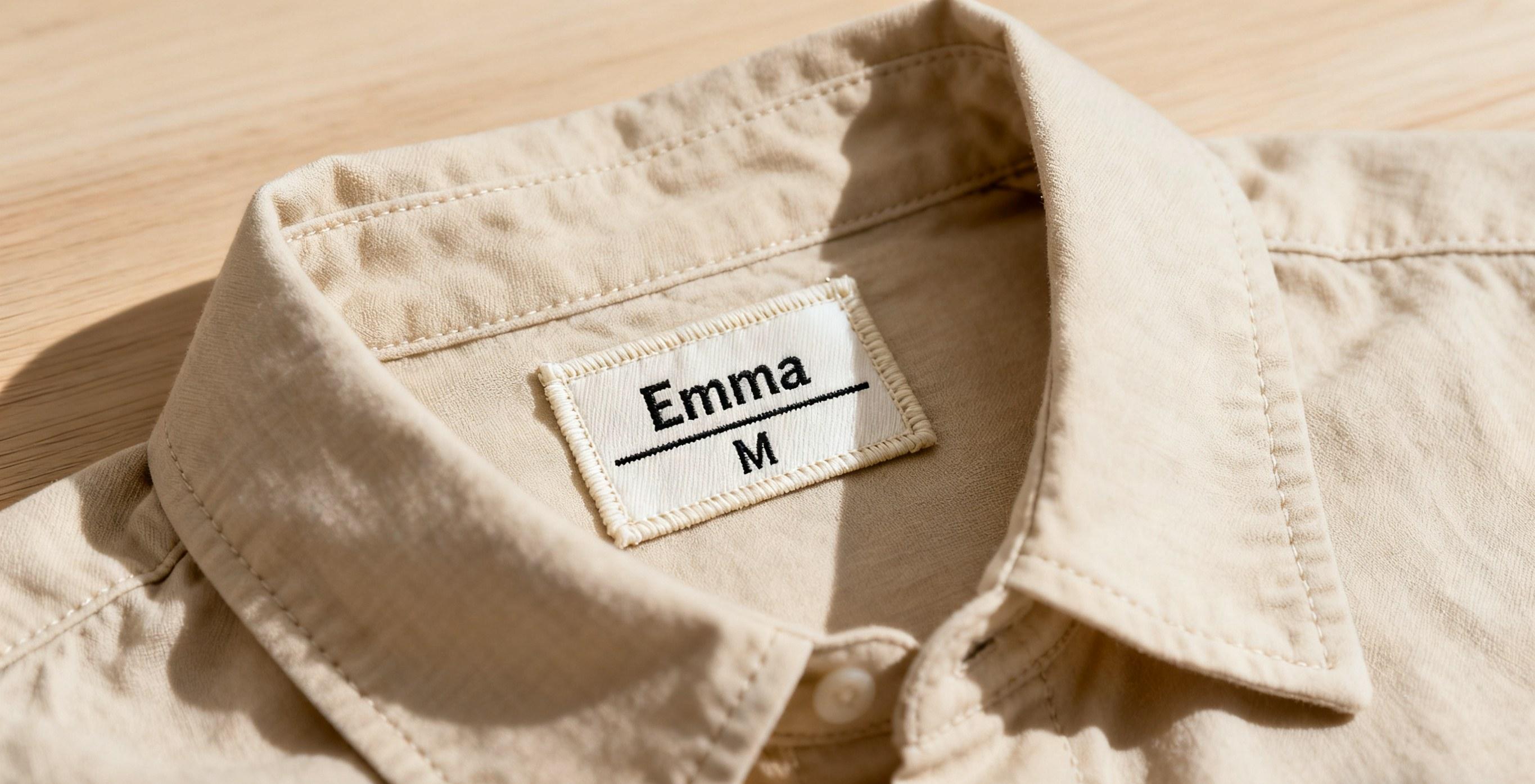
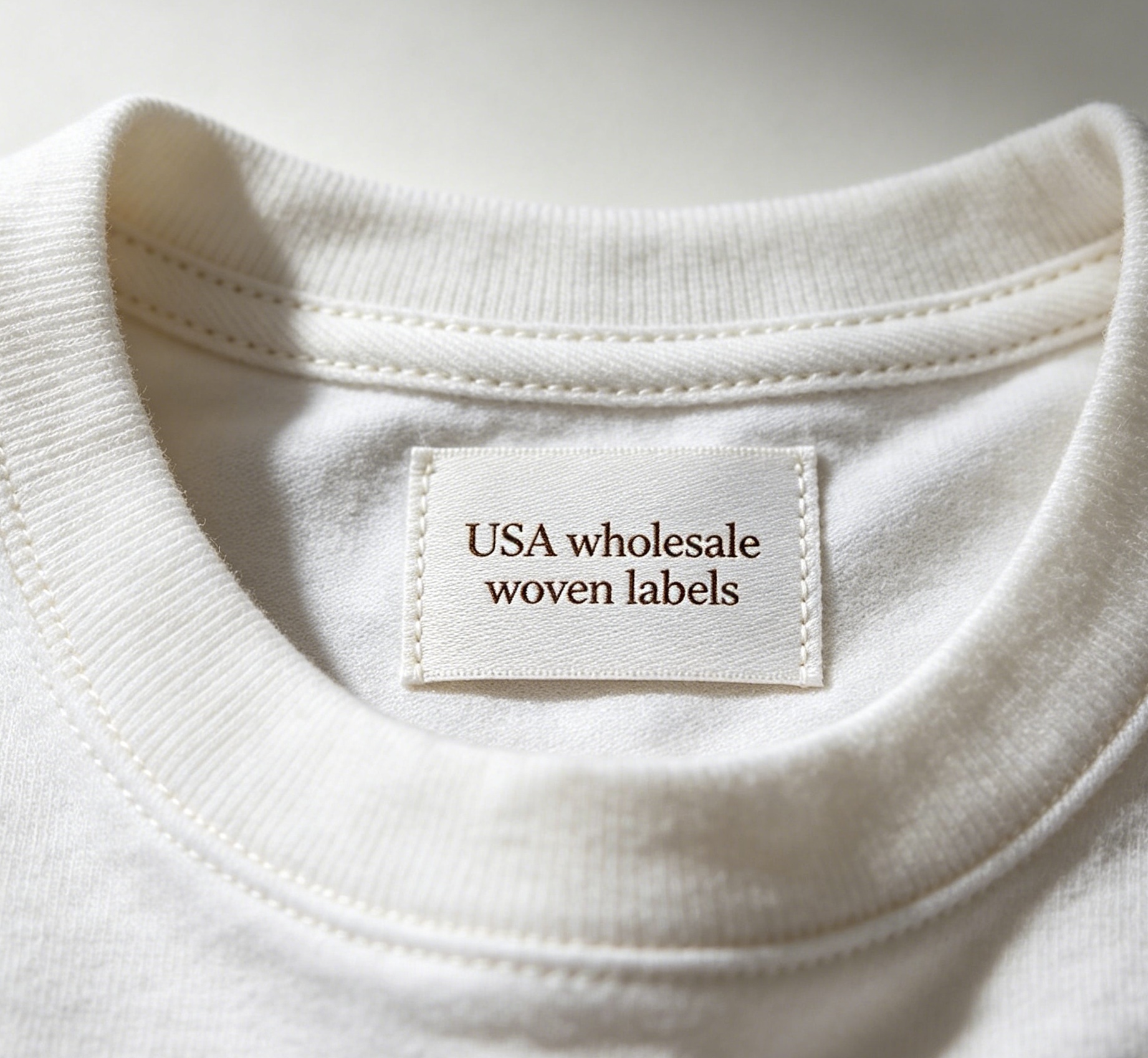
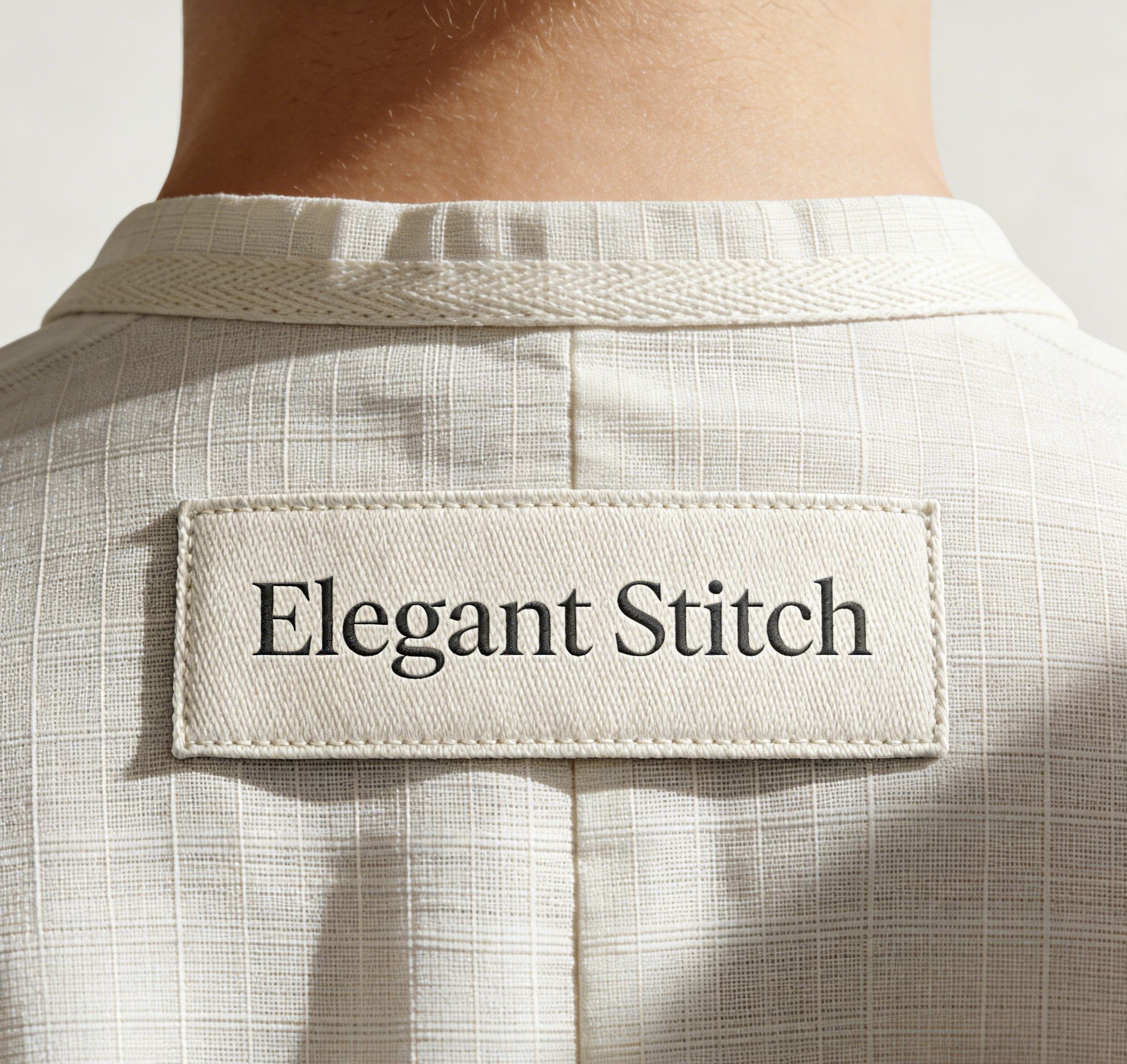
Garment fabric labels are designed to balance aesthetics and practicality. Their composition often includes:
- Natural Fibers: Cotton, linen, or silk for softness and breathability.
- Synthetic Blends: Polyester or nylon for durability in high-wash garments.
- Eco-Friendly Alternatives: Recycled PET or plant-based materials like bamboo.
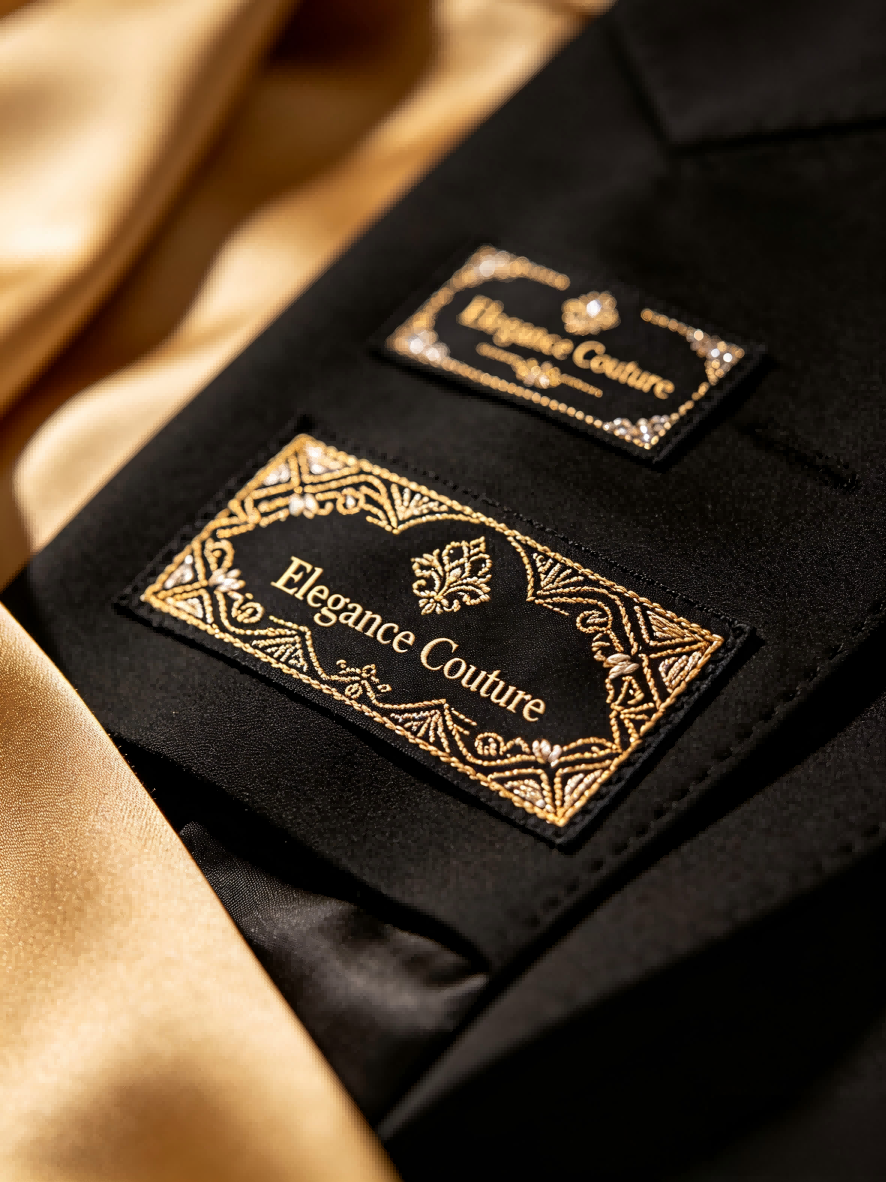
When combined with embroidered garment labels (which use polyester or rayon threads for vibrancy) or attached to garment label tags (often made from satin or recycled paper), these materials ensure labels remain legible and comfortable through years of wear.
Example: Brands like Eileen Fisher use organic cotton garment fabric labels paired with minimalist embroidered garment labels to align with their eco-conscious ethos.
2. Embroidered Garment Labels: Precision in Thread Science
Embroidered garment labels rely on advanced textile engineering to achieve their signature look:
- Thread Composition: Polyester threads dominate due to colorfastness, while cotton threads offer a matte, vintage finish.
- Stitch Density: Higher stitches per inch (SPI) prevent fraying and ensure crisp logos.
- Heat Resistance: Threads treated to withstand ironing and industrial washing.
A 2023 Textile Research Journal study found that embroidered garment labels with SPI above 12 retained 90% of their integrity after 50 washes, outperforming printed alternatives.
3. Garment Label Tags: Material Innovation Meets Function
Garment label tags act as informational hubs, requiring materials that balance durability with eco-consciousness:
- Recycled Paper: Tear-resistant options reduce waste.
- Satin or Ribbon: Adds luxury to high-end apparel.
- Biodegradable Films: Break down naturally in landfills.
For brands prioritizing sustainability, combining garment label tags made from seed paper with embroidered garment labels using organic threads creates a zero-waste lifecycle.
Case Study: Outdoor brand Patagonia uses recycled polyester garment fabric labels and hemp-based garment label tags, cutting plastic use by 45% (Sustainability Report, 2024).
4. The Role of Adhesives and Attachment Technologies
The science of attaching garment fabric labels and garment label tags involves:
- Heat-Seal Backings: Melts synthetic fibers to bond labels without stitching.
- Ultrasonic Welding: Uses soundwaves to fuse materials, ideal for delicate fabrics.
- Eco-Friendly Glues: Water-based adhesives avoid toxic chemicals.
Misalignment or weak adhesion can cause labels to peel, damaging brand perception. A 2024 Apparel Tech Review noted that 68% of returns cite “scratchy or loose labels” as a key complaint.
5. Sustainability: The New Frontier in Label Science
Modern consumers demand transparency, pushing brands to rethink garment fabric labels and garment label tags:
- Circular Design: Labels made from garment offcuts or biodegradable materials.
- Digital Watermarks: QR codes printed directly onto embroidered garment labels to share sourcing data.
- Carbon-Neutral Inks: Soy or algae-based dyes for tags and labels.
Stat: 81% of Gen Z shoppers prefer brands with compostable garment label tags (McKinsey, 2023).
Conclusion: Crafting Labels with Scientific Precision
From the molecular structure of threads in embroidered garment labels to the eco-engineering of garment label tags, material science is reshaping how brands communicate quality and values. By leveraging innovations in sustainability, durability, and smart technology, your labels can become a testament to both artistry and scientific rigor.
Embroidered Garment Labels: Trends in Color and Design
Garment Label Tags: Creating a Lasting First Impression