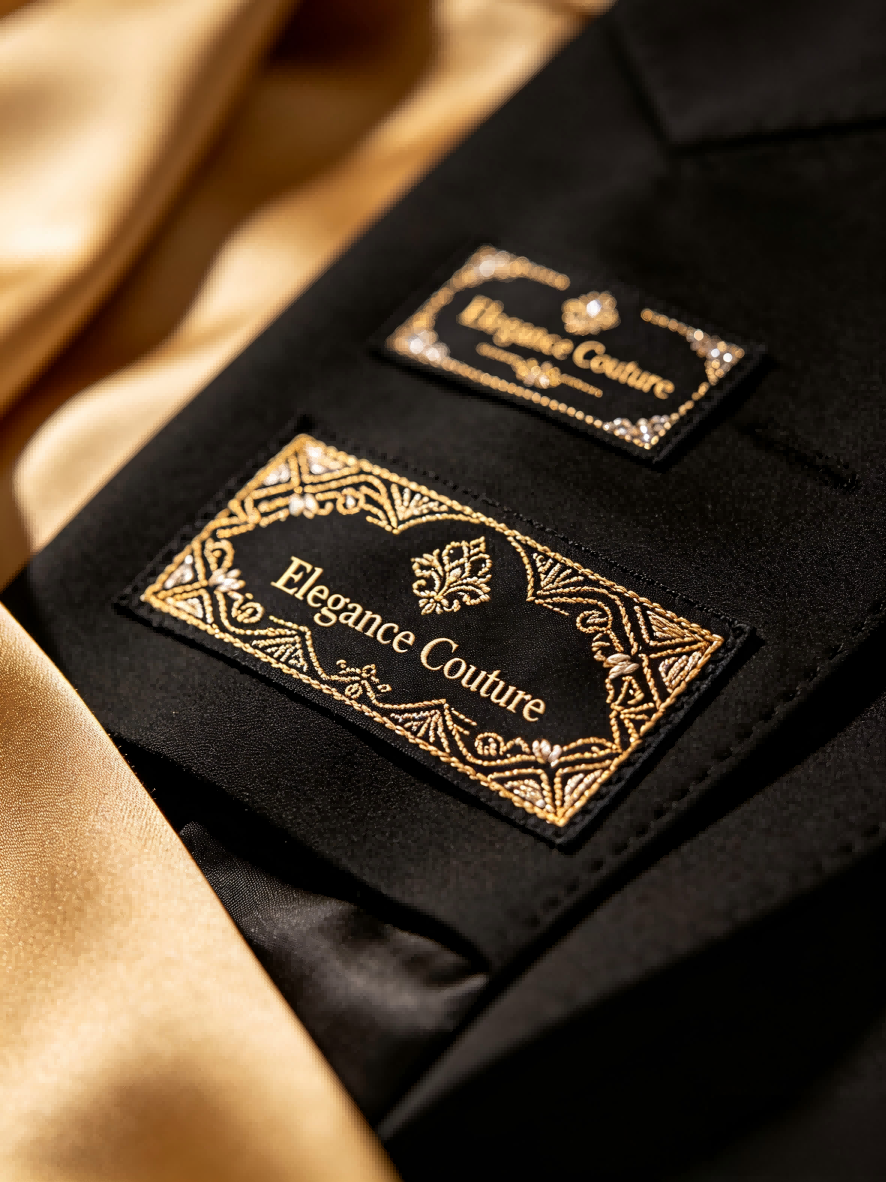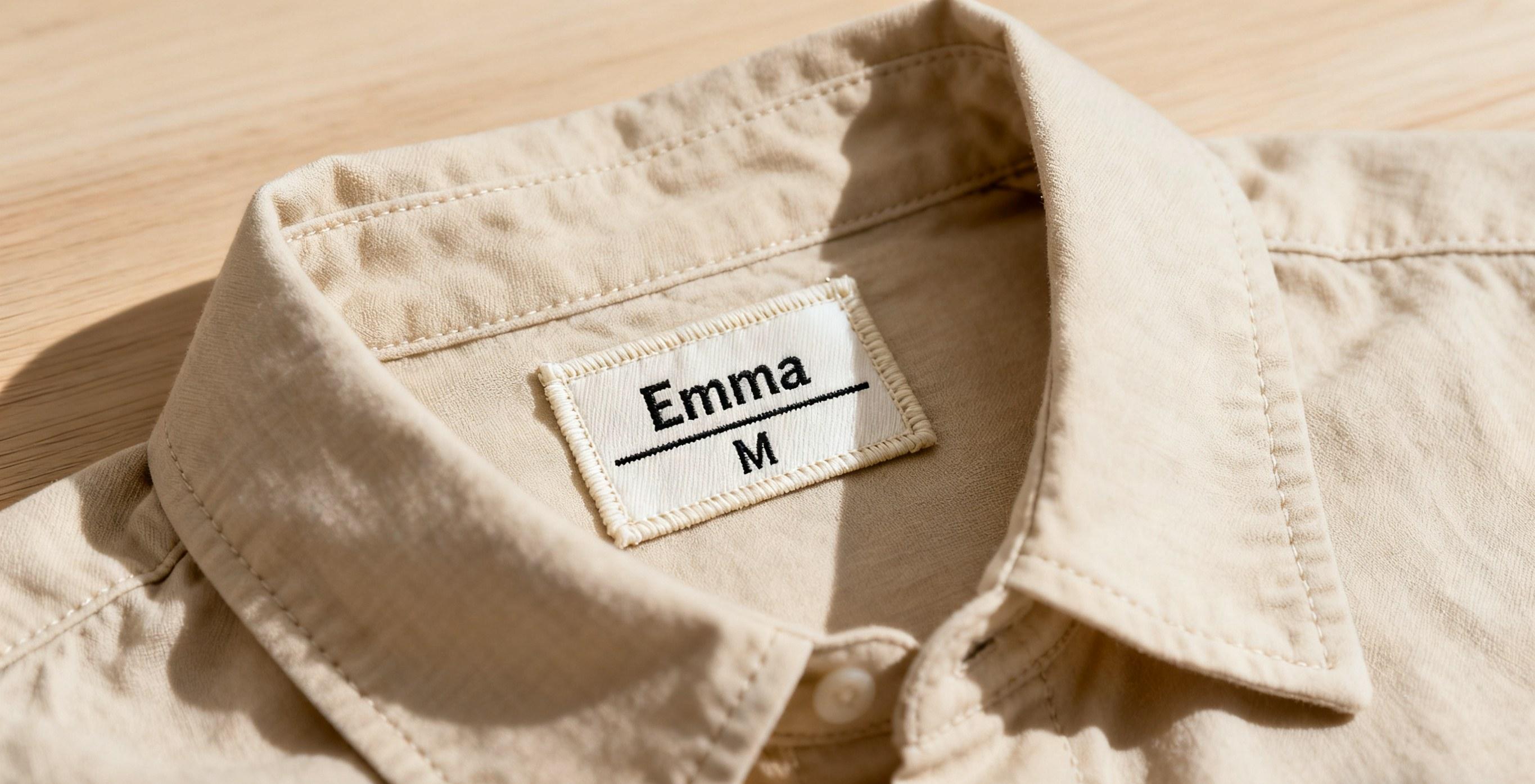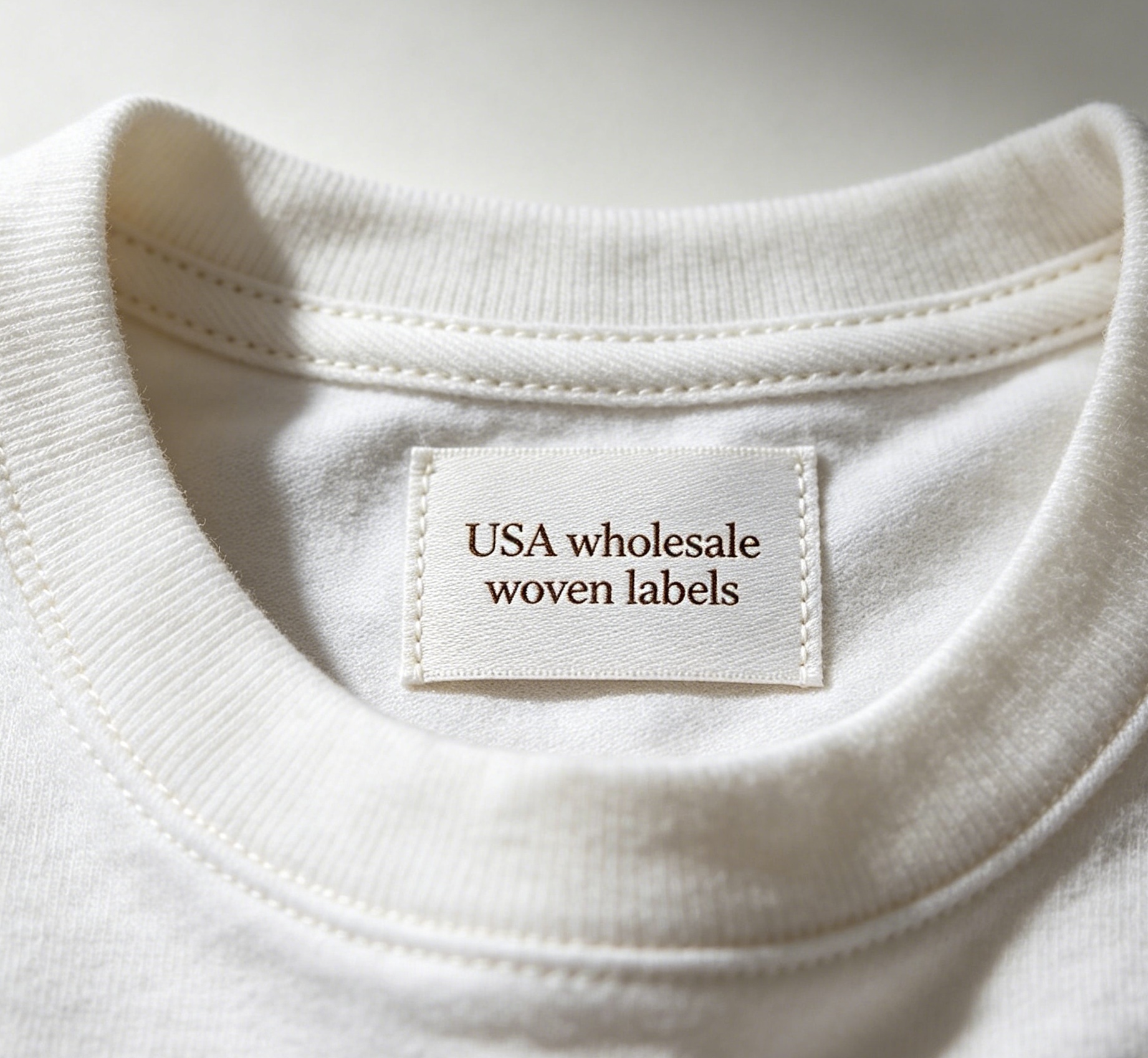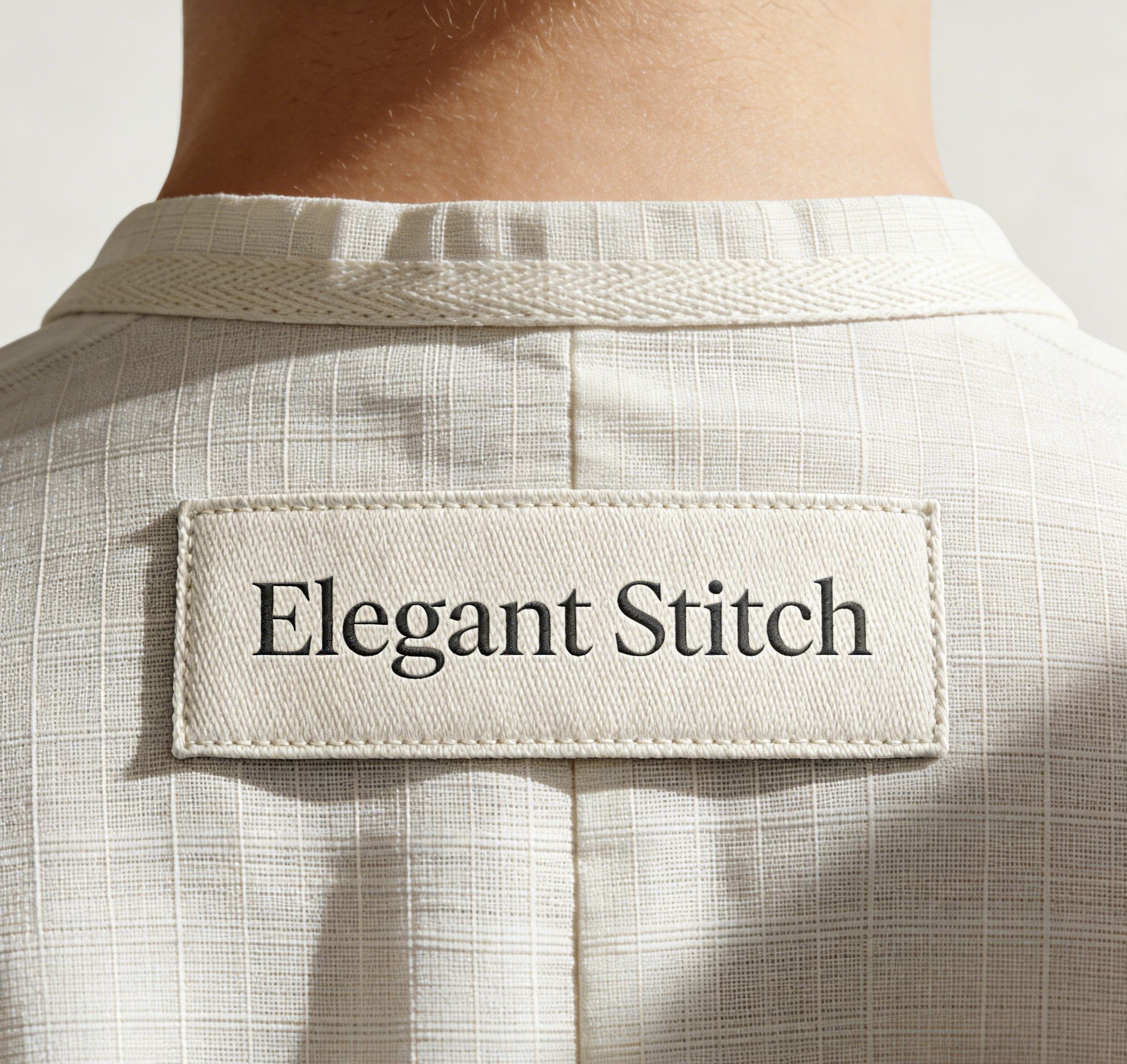
Budget-Friendly Options for Startups: Embroidered Garment Labels
For startups in the fashion industry, embroidered garment labels are a powerful branding tool, but tight budgets often make premium customization feel out of reach. Fortunately, with smart strategies, new brands can create high-quality garment label tags and garment fabric labels without overspending. Here’s how to balance cost, quality, and creativity to craft labels that elevate your brand while keeping finances in check.
1. Why Startups Should Invest in Embroidered Garment Labels
Embroidered garment labels offer startups three key advantages:
- Professionalism: Elevate perceived value vs. generic printed labels.
- Durability: Withstand frequent washing, reducing replacement costs.
- Brand Recognition: Unique stitching becomes synonymous with your identity.
Stat: 68% of consumers associate embroidered garment labels with higher quality, justifying a 15–20% price premium (Fashion United, 2023).
2. Cost-Saving Strategies for Embroidered Labels
A. Simplify Designs
- Single-Color Embroidery: Reduces thread costs by 30–50% vs. multi-color designs.
- Smaller Dimensions: Keep embroidered garment labels under 2x4 cm to minimize material use.
- Standard Fonts: Avoid custom lettering fees; use pre-programmed typefaces.
B. Material Choices
- Recycled Polyester Thread: Cheaper than silk, yet eco-friendly.
- Economy Backings: Use tear-away stabilizers instead of premium cut-away options.
- Bulk Orders: Combine garment label tags and garment fabric labels into one production run for volume discounts.
C. Supplier Negotiation
- MOQ Flexibility: Seek suppliers offering low minimum order quantities (MOQs) for startups (e.g., 100–500 units).
- Local Production: Reduce shipping costs by partnering with regional manufacturers.
3. Coordinating with Garment Label Tags & Fabric Labels
A cohesive labeling system maximizes impact while controlling costs:
- Unified Design: Match thread colors in embroidered garment labels to ink on garment label tags.
- Dual-Purpose Tags: Print care instructions directly on garment fabric labels, eliminating separate tags.
- Modular Approach: Use removable garment label tags for resale items, paired with permanent embroidery.
Case Study: Eco-activewear startup GreenStitch uses recycled polyester embroidered garment labels alongside minimalist garment fabric labels, cutting costs by 40% vs. traditional setups.
4. Sustainable = Budget-Friendly
Eco-conscious choices often align with savings:
- Organic Cotton Tags: Affordable at scale and appeal to green consumers.
- Digital Proofing: Reduce waste by finalizing embroidered garment labels designs via 3D mockups.
- Pre-Consumer Waste: Source deadstock fabrics for garment fabric labels at 50–70% discounts.
5. Avoiding Common Budget Traps
- Over-Designing: Complex embroidery increases thread breaks and rework fees.
- Ignoring Wash Tests: Cheap stabilizers may degrade, ruining labels after 3–5 washes.
- Hidden Fees: Clarify costs for digitizing embroidery files (often $20–50 per design).
6. Future-Proofing Your Label Strategy
- Scalable Designs: Create embroidered garment labels that can add metallic threads or QR codes as budgets grow.
- Tech Integration: Reserve space on garment label tags for future NFC chip embedding.
- Supplier Partnerships: Build relationships with vendors offering loyalty discounts.
Conclusion: Stitching Success on a Startup Budget
Embroidered garment labels, garment label tags, and garment fabric labels are more than details—they’re your brand’s first handshake with customers. By prioritizing simplicity, sustainability, and supplier collaboration, startups can craft premium-quality labels that punch above their weight.
As entrepreneur Sara Blakely advises, “Embrace what you don’t know, especially in the beginning, because what you don’t know can become your greatest asset.” Let your labels reflect that fearless ingenuity.
Designing for Different Garment Types Garment Label Tags
Garment Fabric Labels: The Role of Finishings in Longevity