Cost-Saving Strategies for Bulk Orders Garment Fabric Labels
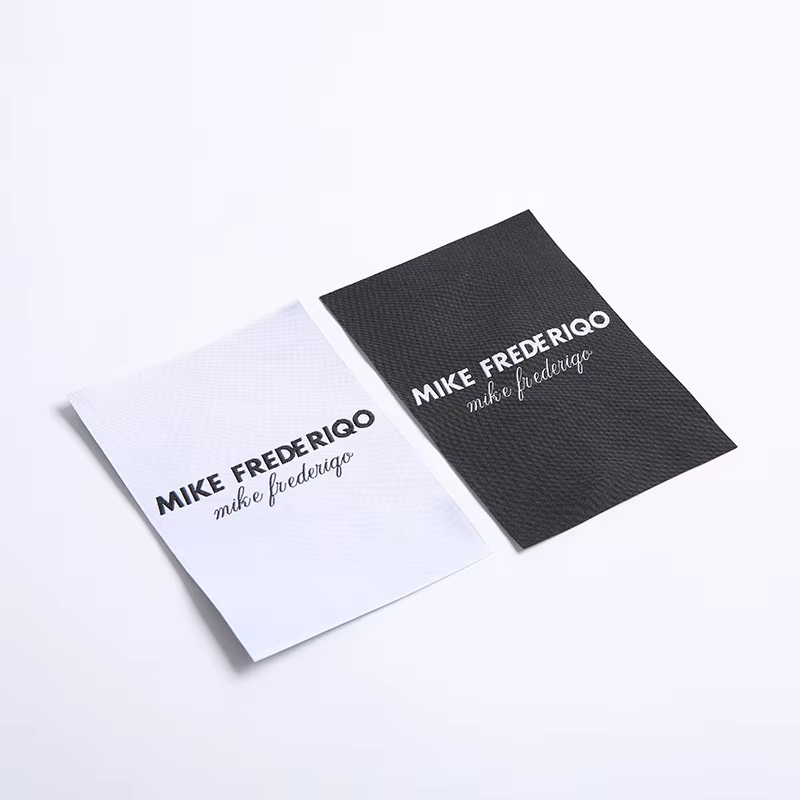
For clothing manufacturers and fashion brands, garment fabric labels represent both a branding necessity and a production cost. When ordering embroidered garment labels and garment label tags in bulk, smart purchasing strategies can lead to significant savings without compromising quality. This guide explores practical ways to reduce expenses while maintaining premium label standards.
1. Economies of Scale: The Power of Bulk Purchasing
The most straightforward way to cut costs is through volume discounts:
-
Price breaks at quantity thresholds (typically at 1,000, 5,000, and 10,000 unit levels)
-
Reduced per-unit costs for embroidered garment labels when ordering larger quantities
-
Lower setup fees amortized across more pieces for garment label tags
Pro Tip: Combine multiple seasonal collections into one large order rather than placing several small orders throughout the year.
2. Material Selection for Cost Efficiency
Smart Fabric Choices:
-
Polyester blends for durable yet affordable garment fabric labels
-
Standard width materials (avoiding custom widths that increase waste)
-
Stock color threads for embroidered garment labels rather than custom dyed
Optimal Label Types:
-
Folded labels often cost less than straight-cut garment label tags
-
Printed labels may be more economical than embroidery for simple designs
-
Standard shapes (rectangular) avoid die-cutting expenses
3. Design Optimization Strategies
Thoughtful design decisions can significantly reduce production costs:
-
Simplify embroidery designs - fewer stitch counts mean faster production
-
Limit color variations - each additional thread color increases costs
-
Standardize sizing across collections to minimize setup changes
-
Use vector artwork to avoid expensive design conversion fees
For garment fabric labels, consider:
-
Single-sided printing instead of double-sided
-
Standard fonts rather than custom typography
-
Repeating designs across multiple product lines
4. Strategic Supplier Relationships
Building strong partnerships with label manufacturers offers multiple advantages:
-
Negotiate better rates for consistent, high-volume orders of embroidered garment labels
-
Consolidate suppliers - using one vendor for all garment label tags increases bargaining power
-
Request value engineering - ask suppliers for cost-reduction suggestions specific to your designs
Key Consideration: Balance cost with reliability - the cheapest option may lead to quality issues or delays.
5. Inventory Management Techniques
Proper label storage and planning prevents waste:
-
Accurate forecasting minimizes rush fees for last-minute garment fabric label orders
-
Climate-controlled storage protects label quality during long-term holding
-
First-expired-first-out system prevents material degradation
-
Digital inventory tracking helps maintain optimal stock levels
6. Production Process Efficiencies
Manufacturers can implement:
-
Batch processing of similar embroidered garment labels to minimize machine setup
-
Lean manufacturing principles to reduce material waste
-
Automated cutting for precise garment label tag production
-
Energy-efficient equipment that lowers operational costs
7. Alternative Ordering Models
Explore these innovative approaches:
-
Blanket orders with scheduled releases
-
Consignment inventory arrangements
-
Co-op purchasing with other non-competing brands
-
Pre-production samples to prevent costly errors
8. Transportation and Logistics Savings
Reduce shipping costs for garment fabric labels:
-
Consolidate shipments with other materials
-
Optimize packaging to maximize carton space
-
Negotiate freight rates based on annual volume
-
Regional sourcing to minimize transportation distances
9. Quality Control That Saves Money
Investing in proper QC prevents expensive rework:
-
Pre-production approvals for embroidered garment labels
-
In-process inspections during manufacturing
-
Standardized testing for colorfastness and durability
-
Clear specifications to avoid miscommunication
10. Future-Proofing Your Label Strategy
Stay ahead of cost trends:
-
Monitor raw material markets for favorable purchasing times
-
Invest in adaptable designs that won't require frequent updates
-
Track industry innovations in label production technology
-
Build contingency plans for supply chain disruptions
Conclusion
Implementing these cost-saving strategies for garment fabric labels, embroidered garment labels, and garment label tags can lead to substantial reductions in your labeling expenses. By focusing on bulk purchasing benefits, design efficiencies, supplier relationships, and smart inventory management, brands can maintain high-quality labels while optimizing their budgets.
Remember that the most effective approach combines multiple strategies tailored to your specific production needs. Regular reviews of your labeling processes will help identify new opportunities for savings as your business grows and market conditions change.
With careful planning and execution, your investment in premium garment label tags can deliver both brand distinction and cost efficiency across all your collections.
Showcasing Brand Values Through Stitching Embroidered Garment Labels
Minimizing Environmental Impact of Garment Label Tags